
Mirrors
Mirrored Glass Ceiling Panels: Illusion, Installation, and Safety Concerns
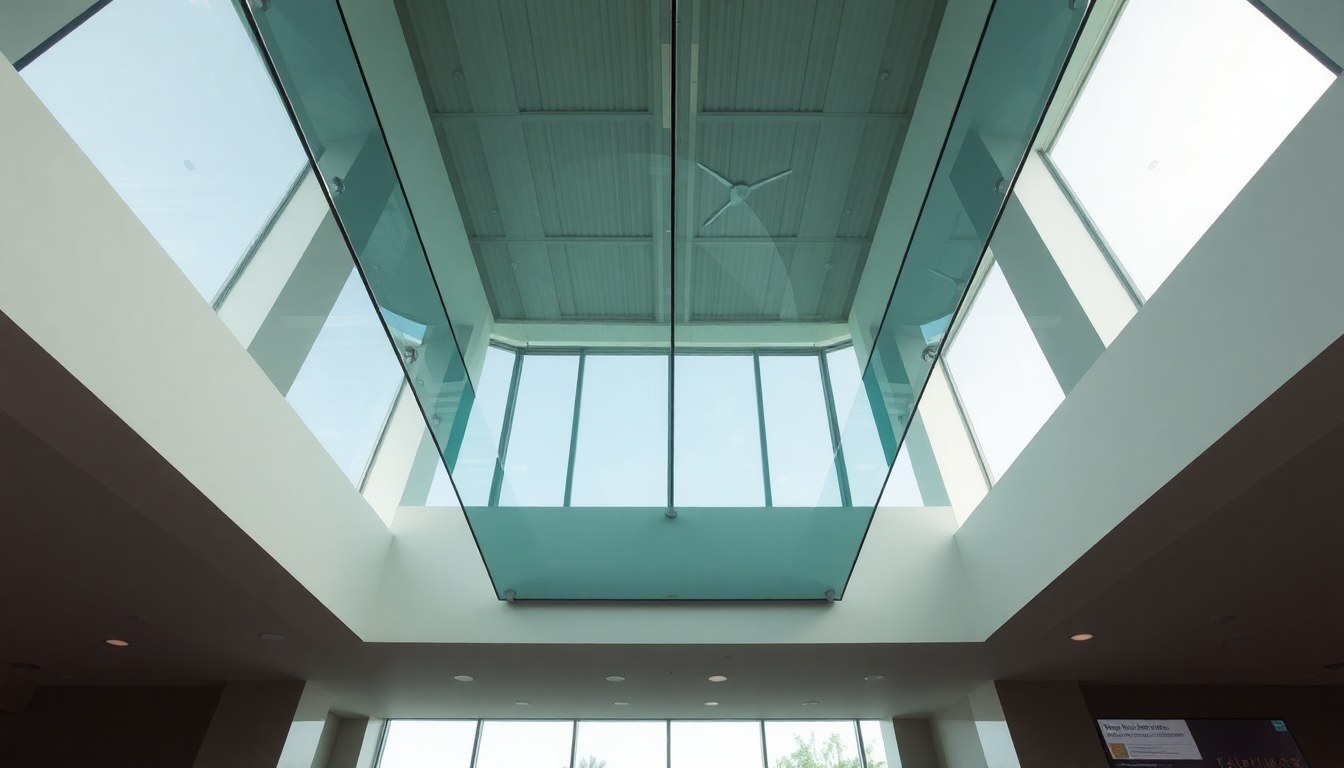
Mirrored glass ceiling panels are a designer's secret weapon for making small rooms feel larger and brighter. When installed correctly, they reflect light and create an illusion of infinite space—transforming a claustrophobic office, retail showroom, or residential area into something that feels open and airy. However, the magic comes with real engineering challenges: weight distribution, secure fastening, and ongoing maintenance are non-negotiable if you want your mirrored ceiling to remain beautiful and safe for years to come.
How Mirrored Ceilings Create the Illusion of Space
The psychology behind mirrored ceilings is straightforward: reflective surfaces bounce light around a room, and our eyes perceive reflected space as actual space. A 3m × 3m room with a mirrored ceiling appears to have double the visual depth. This effect works best in rooms with natural or bright artificial light, where reflections are crisp and visible.
In commercial settings—restaurants, boutiques, gyms, and offices across Indian metros like Mumbai, Bangalore, and Delhi—mirrored ceilings have become popular for creating premium aesthetics without major structural changes. The cost-effectiveness compared to expanding the actual building footprint makes them an attractive option for developers and interior designers. However, the illusion only works if the mirrors are clean, properly aligned, and installed at the right height and angle.
Best Applications for Mirrored Ceiling Panels
- Retail spaces and boutiques: Creates a sense of luxury and spaciousness, encouraging customers to linger.
- Restaurants and bars: Enhances ambient lighting and creates an upscale dining experience.
- Residential living rooms and bedrooms: Makes compact apartments feel more open (though not ideal directly above beds for psychological comfort).
- Office lobbies and meeting rooms: Conveys professionalism and modernity.
- Salons and spas: Reflects lighting and creates a sense of openness that puts clients at ease.
Weight Load Calculations and Structural Requirements
This is where illusion meets hard reality. Mirrored glass is heavier than standard drywall or acoustic ceiling tiles. A typical 4mm mirrored glass panel weighs approximately 10 kg per square meter, while 6mm panels weigh around 15 kg per square meter. Thicker mirrors (8mm and above) can exceed 20 kg/m². Before you order a single panel, you must verify that your ceiling structure can handle the load.
Most residential and commercial buildings in India are designed with ceiling loads of 5–10 kg/m² in mind. Installing mirrored panels without reinforcement can lead to sagging, cracking, or catastrophic failure. A structural engineer must assess your building's existing framework—whether it's RCC (reinforced concrete), steel, or wooden trusses—and determine if additional support beams or bracing are needed.
Step-by-Step Load Calculation Process
- Measure the total ceiling area in square meters where mirrors will be installed.
- Choose your mirror thickness: 4mm (lightest), 6mm (standard), or 8mm+ (heavy-duty).
- Calculate total weight: Area (m²) × Weight per m² (kg) = Total weight (kg).
- Add safety margin: Multiply by 1.5 to account for fastening hardware, vibrations, and dynamic loads.
- Consult a structural engineer: Provide the calculated load and building plans. They'll recommend reinforcement if needed.
- Obtain approval: Ensure compliance with local building codes (varies by state in India).
For example, a 20 m² living room with 6mm mirrored panels would weigh approximately 300 kg (20 × 15). With a 1.5× safety factor, the ceiling structure must safely support 450 kg distributed across the entire span. If your existing structure cannot handle this, you'll need to install additional steel channels or I-beams—an investment that can range from ₹15,000 to ₹50,000 depending on the scope.
Safe Installation and Fastening Systems
Improper installation is the leading cause of mirrored ceiling failures. The fastening system must distribute weight evenly, resist vibration, and accommodate thermal expansion. There is no one-size-fits-all solution; the method depends on your ceiling structure and mirror specifications.
Common Fastening Methods
- Suspended grid systems: Mirrors are mounted on a T-bar or channel grid, which is hung from the ceiling structure using rods or cables. This is the most common method for commercial installations and allows easy access for maintenance.
- Adhesive mounting: Structural silicone or epoxy adhesive bonds mirrors directly to the ceiling. This works only on solid, flat surfaces (RCC) and requires expert application. Not recommended for high-vibration areas or seismic zones.
- Mechanical clips and brackets: Stainless steel or aluminum clips secure mirrors to a substructure. Best for smaller panels and areas where the ceiling can be accessed from above.
- Angle iron or channel framing: A custom steel frame is bolted to the building structure, and mirrors are then fastened to this frame. Offers maximum security for large installations.
Installation Best Practices
Always hire a professional installer experienced with mirrored glass. DIY installation risks injury and structural damage. During installation, ensure that:
- All fasteners are corrosion-resistant (stainless steel or galvanized), especially in humid climates like coastal Indian cities.
- Panels are shimmed level to prevent stress concentration on edges.
- Gaps between panels are sealed with silicone to prevent dust accumulation and water ingress.
- The installation is inspected by a third-party engineer before the space is occupied.
- Vibration-dampening materials are used in high-traffic commercial areas.
Installation costs in India typically range from ₹200 to ₹500 per square meter for labor, depending on location and complexity. A 20 m² residential project might cost ₹4,000–₹10,000 for installation alone.
Maintenance and Care of Reflective Surfaces
A mirrored ceiling is only as good as its reflective surface. Dust, moisture, and fingerprints dull the effect and can damage the mirror backing over time. Regular maintenance is essential for both aesthetics and longevity.
Cleaning Schedule and Techniques
Clean mirrored ceilings at least once every two weeks in residential settings and weekly in commercial spaces with high foot traffic. Use a soft, lint-free cloth and a mild glass cleaner (diluted with water). Avoid ammonia-based cleaners in humid environments, as they can accelerate corrosion of the mirror backing. Never use abrasive scrubbers or vinegar solutions, which can etch the reflective coating.
For stubborn stains, use distilled water and a microfiber cloth. In very humid areas—such as bathrooms or kitchens in Mumbai or coastal regions—consider applying a protective anti-humidity coating to the mirror backing every 1–2 years. This costs around ₹50–₹100 per square meter but extends mirror life significantly.
Spotting and Addressing Problems
- Black spots or discoloration: Indicates moisture damage to the backing. The affected panel must be replaced.
- Sagging or misalignment: Sign of fastener failure or structural inadequacy. Stop using the space and call a professional immediately.
- Cracks or chips: Safety hazard. Replace the panel promptly.
- Reduced reflectivity: Usually just dust or oxidation. Clean thoroughly first; if the issue persists, the mirror backing is failing.
Safety Concerns and Risk Mitigation
Mirrored ceilings pose several safety risks that must be proactively managed. Falling mirrors can cause serious injury or death. Psychological discomfort—particularly sleeping under a mirrored ceiling—is also a concern in residential settings.
To mitigate risks, install safety film on the back of mirrors (a clear adhesive layer that holds glass together if it breaks), use redundant fastening systems so that failure of one clip doesn't cause collapse, and conduct annual inspections by a qualified professional. In seismic zones, mirrored ceilings should be avoided or installed with flexible fastening systems that allow slight movement.
Additionally, ensure that building insurance covers mirrored ceiling installations. Some insurers require certification from a structural engineer before providing coverage. Always check local building bylaws—some municipalities in India restrict mirrored ceilings in certain building types or require special permits.
Cost Considerations and Material Selection
Mirrored glass ceiling panels are available in a range of qualities and prices. Budget options (4mm basic mirrors) cost ₹150–₹300 per square meter, while premium options (6mm or 8mm low-iron mirrors with anti-humidity backing) range from ₹400–₹800 per square meter. Factor in installation, structural reinforcement, and maintenance costs when budgeting.
Choose mirror thickness based on panel size and expected load. For panels larger than 1.5m × 1.5m, use at least 6mm glass. Consider low-iron mirrors (also called "water white" mirrors) if you want maximum clarity and brightness—they cost more but look superior in well-lit spaces. For humid environments, always opt for mirrors with anti-humidity backing, even if it adds ₹50–₹100 per square meter to the cost.
Frequently Asked Questions
Are mirrored ceiling panels safe for bedrooms?
From a structural perspective, yes—if properly installed. However, many people find sleeping under a mirrored ceiling psychologically unsettling. Some cultures and feng shui traditions advise against it. If you choose to install mirrored ceilings in a bedroom, ensure they are extremely secure, use safety film, and consider the psychological comfort of occupants. A better option is to use mirrored panels on one wall instead.
How long do mirrored ceiling panels last?
With proper installation and maintenance, mirrored glass panels can last 15–25 years. The limiting factor is usually moisture damage to the backing, which occurs faster in humid climates. Coastal areas and regions with high humidity may see reduced lifespan. Anti-humidity coatings and regular maintenance can extend life significantly.
Can I install mirrored ceilings in a bathroom?
Yes, but with caution. Bathrooms are high-humidity environments that accelerate mirror backing deterioration. Use only mirrors with anti-humidity backing, ensure excellent ventilation, and clean regularly. Consider limiting mirrored panels to smaller areas rather than the entire ceiling. Budget for more frequent maintenance and earlier replacement than in dry areas.
What is the difference between 4mm, 6mm, and 8mm mirrored glass?
Thickness affects weight, durability, and reflectivity. 4mm is the lightest and cheapest but is more prone to warping and distortion, especially in large panels. 6mm is the industry standard—a good balance of weight, cost, and performance. 8mm and thicker are for heavy-duty applications or very large panels where maximum rigidity is needed. For ceiling installations, 6mm is usually the best choice.
Do mirrored ceilings require a building permit?
This varies by location in India. Most municipalities require permits for structural modifications, and installing mirrored ceilings may trigger this requirement if reinforcement is needed. Check with your local municipal corporation or building authority before starting. It's always safer to obtain written approval than to face issues later.
Conclusion
Mirrored glass ceiling panels are a powerful design tool that can transform how a space feels—but they demand respect for engineering principles and maintenance discipline. By calculating loads accurately, using proper fastening systems, and committing to regular maintenance, you can enjoy the benefits of a mirrored ceiling for decades. If you're planning a mirrored ceiling project, connect with experienced glass suppliers and installers through the glassy.in directory to find trusted professionals in your area who can guide you through every step of the process.