
Glass Guides
Low-E Coated Glass for North-Facing Windows: Bangalore Winter Warmth
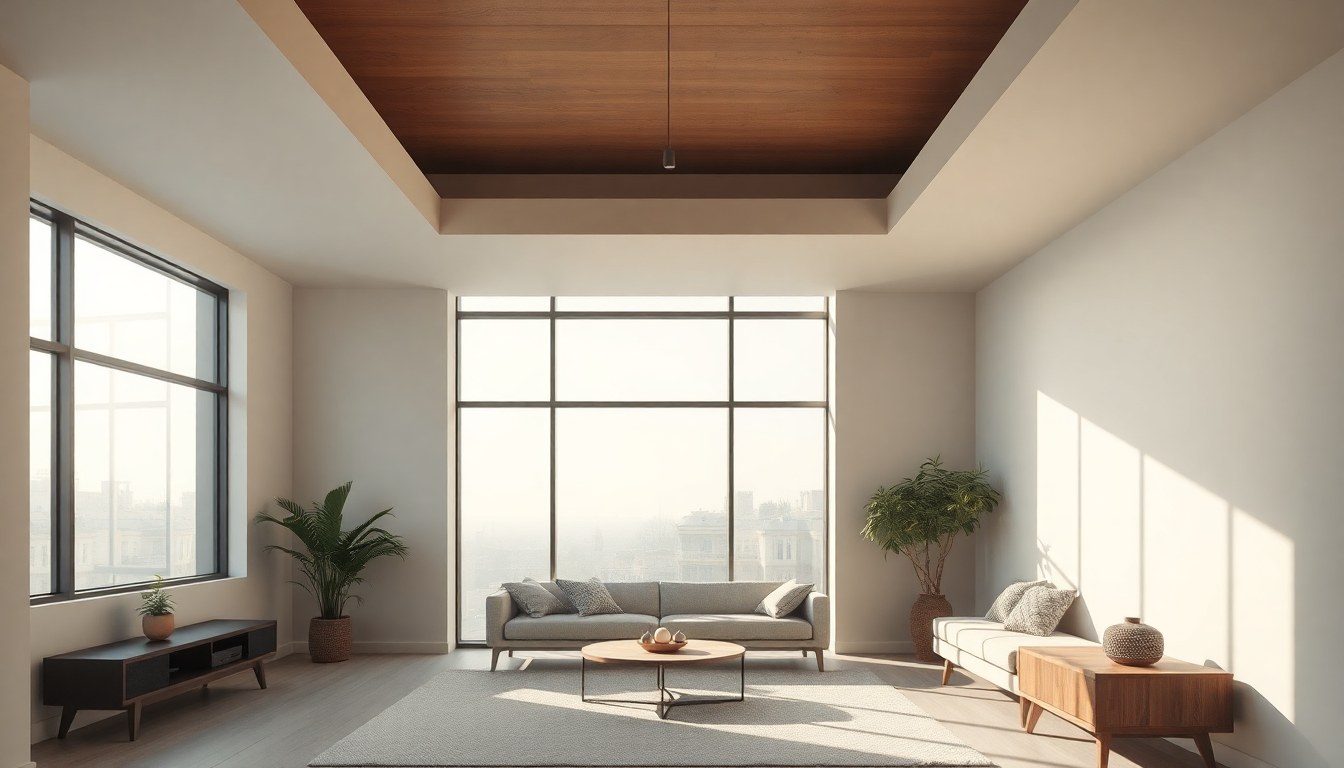
Bangalore's winters may be mild compared to northern India, but north-facing windows still hemorrhage interior heat during December through February. Low-emissivity (low-E) coated glass is a proven solution that reflects infrared radiation back into your building while allowing visible light through—delivering measurable thermal retention and energy savings. This guide explains how low-E coatings work on north facades, quantifies the ROI, and helps you identify the right suppliers in India's glass market.
Understanding Low-Emissivity Coatings and Thermal Performance
Low-E glass features a microscopically thin metallic oxide coating (typically silver or tin oxide) applied to one or both surfaces. This coating is transparent to visible light but highly reflective to infrared (heat) radiation. When winter warmth generated by indoor heating systems tries to escape through the window, the low-E layer bounces it back inside, reducing heat loss by 40–60% compared to uncoated glass.
In Bangalore's context, where outdoor temperatures during winter nights drop to 15–18°C, this thermal resistance becomes particularly valuable in climate-controlled offices, retail spaces, and residential buildings. The coating works passively—no moving parts, no maintenance—and lasts the lifetime of the glass unit.
How Low-E Coatings Differ from Standard Glass
- Uncoated clear glass: Transmits ~90% of visible light; allows ~84% of infrared heat to pass through.
- Low-E coated glass: Transmits ~80% of visible light; reflects ~70% of infrared heat back indoors.
- Tinted or reflective glass: Reduces visible light transmission (darker appearance) but does not selectively block infrared.
The key advantage of low-E is selectivity—it keeps unwanted heat out in summer (when applied to the outer pane) and unwanted heat in during winter (when applied to the inner pane), without darkening your interiors.
Why North-Facing Windows Are Heat-Loss Hotspots
North-facing facades receive minimal direct sunlight year-round, even in tropical latitudes. In Bangalore, this means north windows contribute almost nothing to passive solar heating in winter but remain a significant thermal weak point. Cold outdoor air and clear night skies create a steep temperature gradient across the glass, accelerating heat loss through conduction and radiation.
Buildings with large north-facing glazing—common in modern office parks and residential towers—can lose 25–35% of interior heat through these windows alone. Low-E coatings reduce this loss substantially, making them a cost-effective upgrade for both new construction and retrofits.
Bangalore Winter Climate and Glass Thermal Needs
Bangalore's winter is characterized by clear, dry nights (ideal for radiative cooling) and moderate daytime temperatures (18–28°C). Unlike northern cities, heating loads are modest, but air-conditioned spaces maintain 22–24°C indoors, creating a 5–10°C differential at night. This differential drives heat loss through uncoated glass. Low-E coatings reduce the rate of this loss, lowering the runtime and energy consumption of HVAC systems.
Thermal Retention and Energy Savings: Numbers That Matter
A typical office building in Bangalore with 500 m² of north-facing glazing, using standard double-glazed units (DGU) with uncoated glass, loses approximately 12–15 kW of heat during a cold winter night (6 pm to 6 am). Upgrading to low-E coated DGUs reduces this loss to 5–7 kW—a 50% reduction.
At an electricity cost of ₹8 per kWh, this translates to savings of ₹560–₹800 per night, or roughly ₹20,000–₹28,000 per winter season (December–February). For a 24-hour operation facility, annual savings can exceed ₹50,000, depending on climate control intensity and window area.
ROI Analysis for Bangalore Buildings
Low-E coated DGUs cost approximately ₹850–₹1,200 per square meter, compared to ₹600–₹800 for standard DGUs. The premium is ₹250–₹400 per m². For 500 m² of north-facing windows, the additional investment is ₹125,000–₹200,000.
With annual savings of ₹20,000–₹50,000 (depending on usage patterns), the payback period ranges from 3 to 8 years. After payback, the glass unit—typically warranted for 10–15 years—continues delivering savings with zero incremental cost. Many Bangalore developers factor this ROI into premium residential and commercial projects, where energy efficiency commands tenant appeal and regulatory compliance (ECBC—Energy Conservation Building Code).
Selecting the Right Low-E Coating for North-Facing Exposure
Two main categories of low-E coatings are available: hardcoat (pyrolytic) and softcoat (sputtered). For north-facing windows in Bangalore, softcoat low-E is generally preferred because it offers superior thermal performance (lower U-values, typically 1.4–1.8 W/m²K in DGU configurations) and better solar control in a dual-pane setup.
Hardcoat low-E is more durable in harsh outdoor environments and performs adequately for north-facing use, but its thermal performance (U-values around 2.0–2.5 W/m²K) is inferior. Since north facades avoid direct solar gain in winter, the slight durability advantage of hardcoat is often outweighed by softcoat's superior thermal retention.
Key Specifications to Verify with Suppliers
- U-value (thermal transmittance): Lower is better. Target ≤1.6 W/m²K for north-facing windows in Bangalore.
- Solar Heat Gain Coefficient (SHGC): For north windows, SHGC of 0.30–0.45 is acceptable; prioritize low U-value instead.
- Visible Light Transmittance (VLT): Aim for ≥75% to avoid darkening interiors unnecessarily.
- Emissivity (ε): Should be ≤0.05 for high-performance low-E coatings.
- Warranty: Confirm durability warranty (typically 10–15 years for sealed units) and coating integrity guarantees.
Supplier and Installation Considerations in India
India's glass manufacturing ecosystem includes major players like Guardian, Asahi, Saint-Gobain, and regional suppliers. For Bangalore-based projects, sourcing low-E coated DGUs from established manufacturers ensures consistent quality and reliable warranty support. Architectural firms like Linear Design and Groove Designs often coordinate glass specifications and supplier selection for premium projects.
Installation quality is equally critical. Low-E coatings are delicate; improper handling during transport, storage, or installation can scratch or degrade the coating, voiding warranties and reducing performance. Always specify certified installers and ensure sealed units are stored indoors and handled with care.
Verifying Supplier Credentials
When sourcing low-E glass in Bangalore or across India, confirm that suppliers:
- Manufacture or source from ISO 9001-certified plants.
- Provide third-party thermal testing certificates (NFRC, IGCC, or Indian equivalents).
- Offer extended warranties on sealed-unit integrity and coating durability.
- Maintain stock of common low-E configurations to minimize lead times.
- Provide technical support and troubleshooting for post-installation issues.
Integration with Building Design and Compliance
Low-E coatings on north-facing windows align with India's Energy Conservation Building Code (ECBC) and contribute to green building certifications like LEED and IGBC. Bangalore's rapid commercial and residential growth has driven adoption of energy-efficient glazing, particularly in IT parks, premium residential towers, and hospitality projects.
When designing a facade with low-E north windows, coordinate with architects and structural engineers to optimize window-to-wall ratio, frame materials (aluminum, uPVC, or hybrid), and orientation of other facades. A holistic thermal envelope strategy—combining low-E glazing, insulation, and shading—delivers superior results than low-E glass alone.
Projects managed by firms such as AALISHAN GROUP OF CONSTRUCTION and STUDIO 2000 often integrate low-E specifications into master planning from the outset, reducing change orders and ensuring compliance with evolving energy codes.
Maintenance and Long-Term Performance
Low-E coated glass requires no special maintenance beyond standard window cleaning. Use soft cloths and mild detergent; avoid abrasive cleaners or high-pressure washing that could damage the coating. Sealed DGUs with low-E coatings are designed to last 10–15 years; beyond this period, seals may degrade, reducing thermal performance.
In Bangalore's humid climate, ensure proper ventilation around window frames to prevent condensation and mold growth, which can obscure the coating and reduce light transmission. Regular inspection of seals and frames every 2–3 years helps identify early signs of failure.
Frequently Asked Questions
Does low-E coating reduce natural light in Bangalore homes?
No. Modern low-E coatings maintain 75–85% visible light transmittance, imperceptible to the human eye. Your interiors remain bright; the coating simply filters infrared heat. You may notice a slight blue or green tint when viewing the glass at an angle, but this is cosmetic and does not affect comfort or aesthetics.
Can low-E glass be applied to existing windows?
Low-E coatings are applied during glass manufacturing and cannot be retrofitted to existing panes. However, you can replace old windows with new low-E coated units. Many Bangalore homeowners and businesses pursue this upgrade during routine maintenance cycles, spreading costs over time.
Is low-E glass worth the investment in mild Bangalore winters?
Yes. While Bangalore winters are short, air-conditioned buildings maintain constant indoor temperatures year-round, creating consistent heat-loss gradients through north windows. The 3–8 year payback period, combined with improved comfort and regulatory compliance, justifies the investment for most commercial and premium residential projects.
What is the difference between low-E glass and reflective glass?
Reflective glass (tinted or metallic-coated) reflects both visible light and infrared, reducing light transmission and creating a dark, mirror-like appearance. Low-E glass is selective—it transmits visible light while reflecting infrared. For north-facing windows where natural light is limited, low-E is superior because it maintains brightness while improving thermal performance.
How do I verify that low-E glass meets Indian standards?
Request thermal performance certificates from manufacturers, typically based on Indian Standards (IS 12622 for sealed glazing units) or international standards (NFRC, EN). Confirm U-values, SHGC, and VLT align with your project's thermal requirements. Reputable suppliers provide these documents without hesitation.
Conclusion: Invest in Thermal Comfort for Bangalore's North Facades
Low-E coated glass is a proven, cost-effective upgrade for north-facing windows in Bangalore, delivering measurable energy savings, improved thermal comfort, and regulatory compliance. With payback periods of 3–8 years and lifespans of 10–15 years, the long-term value proposition is compelling for both new construction and retrofits.
Whether you're designing a commercial office, residential tower, or hospitality venue, low-E coatings deserve serious consideration as part of your thermal envelope strategy. Partner with experienced architects and verified glass suppliers to ensure specifications, installation quality, and warranty support meet your project's standards.
Explore verified glass suppliers and architectural partners on glassy.in, India's largest glass-business directory. Browse detailed profiles, compare thermal specifications, and connect with certified installers near you to bring energy-efficient, low-E glazing to your Bangalore project today.