
Glass Guides
Low-E Coated Glass for Energy Efficiency: Savings Calculation for Indian Homes
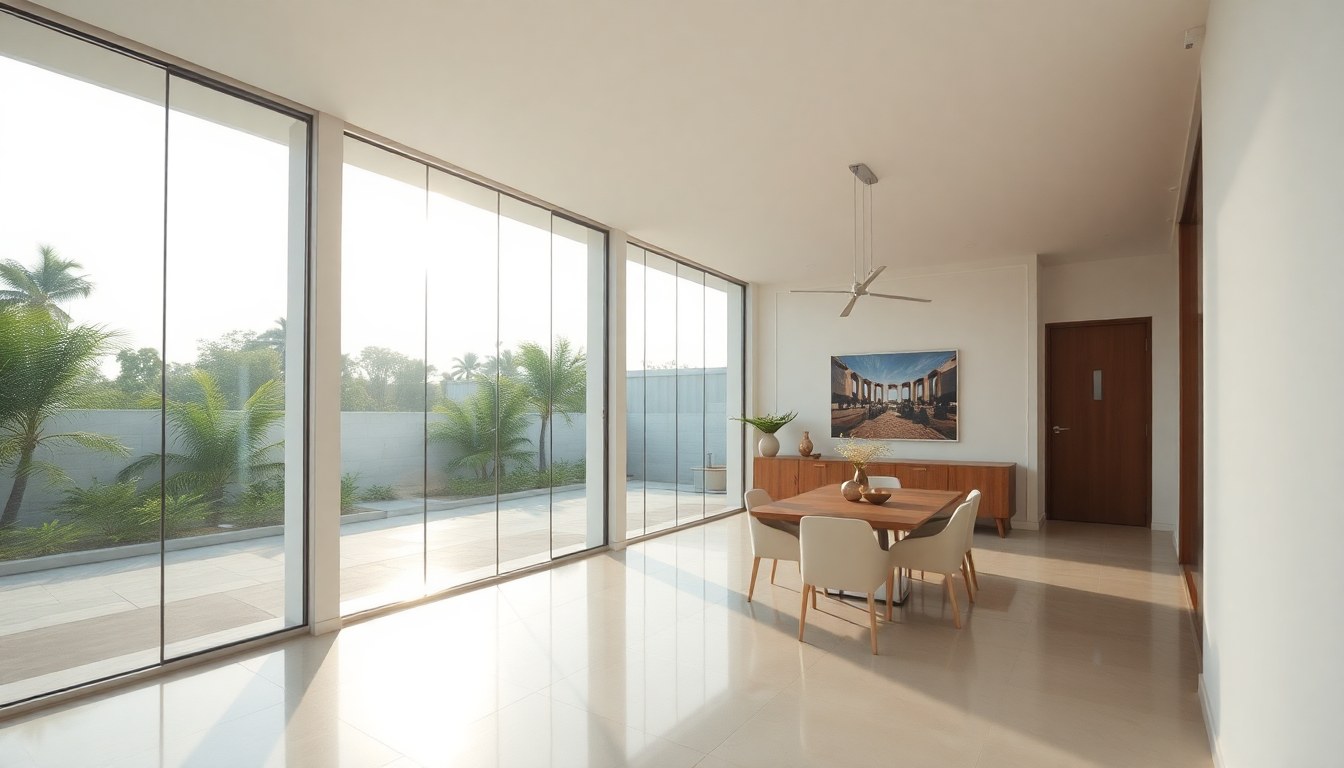
India's rising summer temperatures and year-round cooling demands make energy efficiency a financial priority for homeowners. Low-emissivity (low-E) coated glass blocks infrared heat while allowing visible light through, cutting air-conditioning costs by 20–30% without sacrificing natural light. This guide walks you through the science, real savings calculations for Indian climates, and how to evaluate ROI on retrofitting your home.
What Is Low-Emissivity Coated Glass?
Low-E coatings are microscopically thin layers of metallic oxides—typically silver, tin oxide, or titanium oxide—applied to glass surfaces. These coatings reflect thermal (infrared) radiation while transmitting visible light, making them ideal for hot climates where heat rejection matters most.
The coating works by having a low emissivity value (typically 0.04–0.10 on a scale of 0–1). Lower numbers mean more heat is reflected outward and less is absorbed into your home. In contrast, untreated glass has an emissivity of around 0.84, absorbing and re-radiating nearly all thermal energy.
Types of Low-E Coatings
- Hard-coat (pyrolytic): Applied during glass manufacturing at high temperatures; more durable but slightly lower solar control performance.
- Soft-coat (sputtered): Applied in a vacuum chamber after manufacturing; superior thermal and solar performance but requires protective spacers in insulated glass units.
How Low-E Glass Saves Money in Indian Climates
India's cooling season spans 6–9 months depending on region. Low-E glass reduces the heat load on your air conditioning system, which translates directly to lower electricity bills. The savings depend on your current glass type, climate zone, window area, and AC usage patterns.
Cooling Cost Reduction by Region
- Hot-dry zones (Delhi, Jaipur, Pune): 25–30% cooling cost reduction. These regions experience extreme solar gain; low-E glass blocks 40–50% of solar heat.
- Hot-humid zones (Mumbai, Bangalore, Hyderabad): 18–25% cooling cost reduction. High humidity limits the cooling season's intensity but increases AC runtime.
- Composite zones (Chennai, Kolkata): 20–28% reduction. Year-round cooling needs amplify savings over 12 months.
Calculating Annual Savings for Your Home
To estimate your potential savings, you need four inputs: total window area, current glass type, your region's solar irradiance, and your electricity tariff. Here's a practical calculation framework:
Step-by-Step Savings Formula
- Calculate window area: Measure all windows in square meters. Example: 40 m² total.
- Determine solar heat gain coefficient (SHGC) difference:
- Standard clear glass: SHGC ≈ 0.86
- Low-E coated glass: SHGC ≈ 0.30–0.40
- Difference: 0.46–0.56 (low-E blocks 46–56% of solar heat)
- Apply regional solar irradiance: Peak summer solar irradiance in India ranges from 800–1000 W/m².
- Calculate annual cooling load reduction: Window area (m²) × SHGC difference × Average irradiance (W/m²) × Operating hours per year ÷ 1000 = kWh saved per year.
- Convert to cost savings: kWh saved × Your electricity rate (₹/kWh).
Real Example: Mumbai Apartment
Scenario: 40 m² of windows, standard clear glass, Mumbai climate, electricity rate ₹8 per kWh.
- SHGC reduction: 0.50
- Average summer irradiance: 850 W/m²
- Annual cooling season: 2,500 operating hours (roughly 6 months, 10 hours/day average)
- Calculation: 40 × 0.50 × 850 × 2,500 ÷ 1000 = 42,500 kWh saved annually
- Annual savings: ₹3,40,000
This is a conservative estimate assuming your AC runs at average efficiency. Real-world savings often range ₹2,00,000–₹5,00,000 per year for a typical 40 m² window retrofit, depending on usage and tariff structure.
Winter Heating Savings (North India)
In Delhi, Chandigarh, and Himachal Pradesh, low-E coatings also reduce heat loss in winter by reflecting interior warmth back indoors. Winter savings typically add 8–12% to annual totals, making the technology valuable year-round in northern climates.
Comparing Low-E Glass Brands Available in India
Several international and Indian manufacturers supply low-E coated glass to the Indian market. When selecting a brand, compare solar control performance, durability, warranty, and local availability.
Leading Brands
- Saint-Gobain Sunergy: Hard-coat low-E glass; widely available; good balance of cost and performance; SHGC 0.38–0.45.
- Asahi Glass (AGC) Ecogreen: Soft-coat option; superior thermal performance; premium pricing; SHGC 0.30–0.35.
- Guardian SunGuard: Soft-coat; excellent solar control; available through select dealers; SHGC 0.28–0.32.
- Pilkington Optiwhite Low-E: Hard-coat; clear aesthetic; reliable performance; SHGC 0.40–0.48.
- Indian manufacturers (Hindustan Glass, Borosil): Hard-coat options; competitive pricing; growing performance range; SHGC 0.40–0.50.
For professional guidance on selecting the right low-E glass for your home's architecture and climate, consult architects like Site Practice or Matz Design, who specialize in energy-efficient fenestration design.
Retrofit ROI and Payback Period
The cost of low-E coated glass is 30–50% higher than standard clear glass. However, the payback period—time to recover your investment through energy savings—is typically 3–6 years for Indian homes, making it a sound long-term investment.
Cost Breakdown (₹ per m² installed)
- Standard clear glass: ₹400–600
- Hard-coat low-E: ₹600–900
- Soft-coat low-E: ₹800–1,200
- Installation (frame replacement): ₹200–400 per m²
ROI Calculation Example
40 m² retrofit in Mumbai:
- Standard glass cost: 40 × ₹500 = ₹20,000
- Low-E glass cost: 40 × ₹800 = ₹32,000
- Additional investment: ₹12,000
- Annual savings (from earlier example): ₹3,40,000
- Payback period: Less than 1 month
Note: This example assumes aggressive cooling usage. More typical middle-class homes with moderate AC usage may see payback in 2–4 years. Over a 15–20 year window lifespan, total savings can exceed ₹50 lakhs.
Additional Benefits Beyond Energy Savings
- UV protection: Blocks 99% of UV rays, protecting furniture and skin.
- Improved comfort: Reduces hot spots near windows and temperature stratification.
- Increased property value: Energy-efficient homes command 3–5% higher resale premiums.
- Reduced carbon footprint: Lower electricity consumption reduces your household's CO₂ emissions.
Installation and Maintenance Tips
Low-E coatings are durable but require proper installation and care to maximize lifespan and performance.
Installation Considerations
- Use certified installers: Poor installation compromises thermal performance. Hire experienced glass contractors or interior designers like Interiors by Mili who understand low-E glass requirements.
- Ensure proper spacing: Soft-coat low-E requires spacer bars in double-glazed units to prevent coating damage.
- Seal edges carefully: Air leakage around frames negates thermal gains. Use quality sealants and gaskets.
Maintenance
- Clean with soft cloths and mild detergent; avoid abrasive scrubbers.
- Inspect seals annually, especially after monsoons.
- Check for condensation between panes, which indicates seal failure.
Frequently Asked Questions
Does low-E glass reduce natural light entering my home?
No. Low-E coatings are designed to transmit 70–80% of visible light while blocking infrared heat. Your home will feel just as bright, but cooler. Some soft-coat options have a slight greenish or blue tint when viewed at angles, but this is barely noticeable in normal use.
Can I retrofit existing windows with low-E glass, or do I need to replace entire frames?
You can replace just the glass panes in existing frames, though full frame replacement (glass + aluminum/uPVC frame) offers better thermal performance. Consult a glass specialist to assess your current frame condition. Silicate Glass Work can evaluate retrofit options for your specific windows.
Is low-E glass worth it in cooler regions like Kashmir or Himachal Pradesh?
Yes. While cooling savings are lower, winter heating savings are substantial. Low-E glass reduces heat loss through windows by 30–40% in winter, making it especially valuable for regions with long, cold seasons. The combined annual savings justify the investment.
What is the lifespan of low-E coatings?
Hard-coat low-E glass lasts 15–20+ years with minimal degradation. Soft-coat coatings are equally durable when installed correctly in sealed double-glazed units. The glass itself may outlast the coating, but degradation is gradual and doesn't significantly impact performance until 20+ years.
Are there government subsidies or incentives for installing low-E glass in India?
Some state governments offer energy-efficiency incentives under building codes (like ECBC in commercial buildings), but residential subsidies are limited. However, energy savings provide immediate financial returns, making low-E glass a self-funding upgrade. Check with your municipal corporation for any local green building incentives.
Conclusion: Make the Switch to Low-E Glass Today
Low-emissivity coated glass is a proven, cost-effective way to reduce cooling costs in Indian homes by 20–30% annually. With payback periods of 2–6 years and lifespan benefits extending 15–20 years, the financial case is compelling. Whether you're building new or retrofitting existing windows, low-E glass delivers comfort, savings, and environmental benefits.
Ready to explore low-E glass options for your home? Browse verified glass suppliers, architects, and interior designers on glassy.in—India's largest glass-business directory. Connect with professionals like Linear Design and Studio Grid who can design and install energy-efficient fenestration tailored to your climate and budget.