
Glass Guides
Glass Skylight Maintenance: Cleaning & Weatherproofing Tips
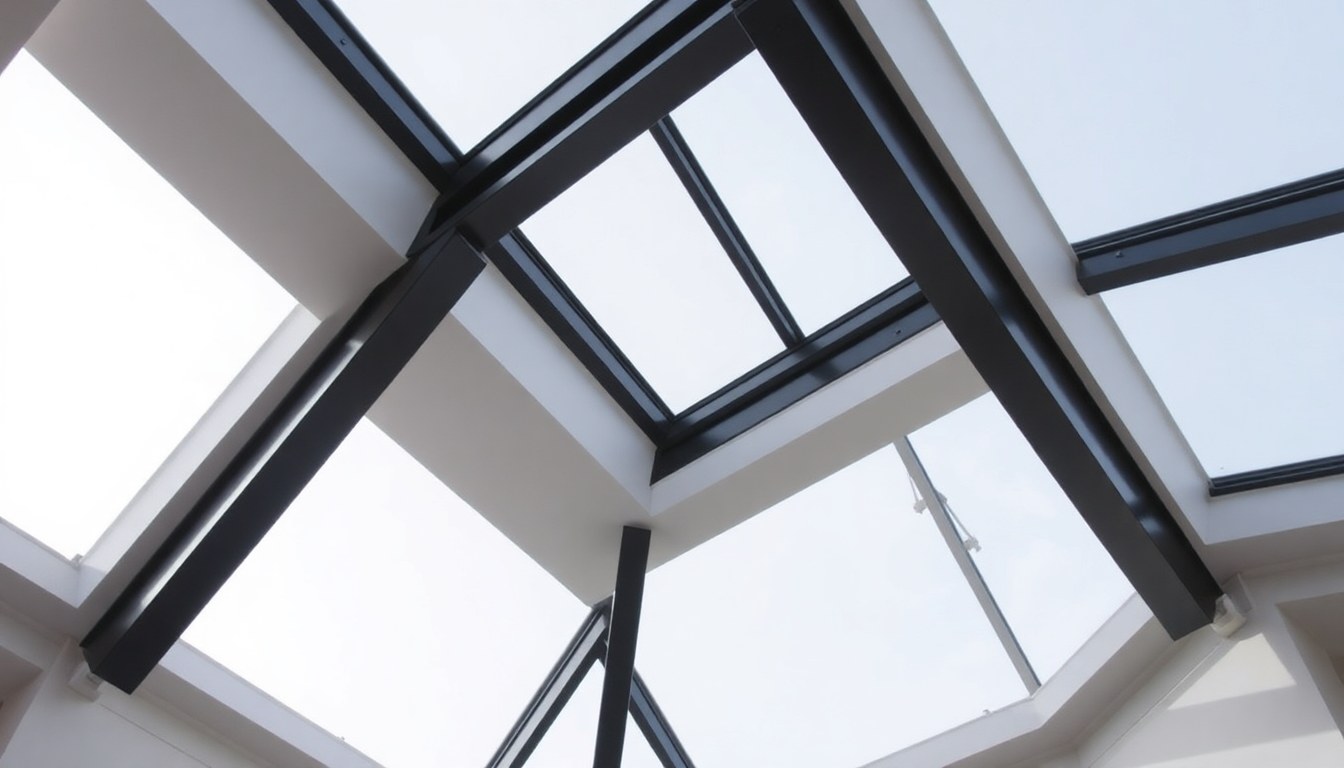
Skylights flood your home with natural light and create stunning visual appeal, but they require consistent maintenance to prevent leaks, condensation, and premature deterioration. Whether you have a single skylight or multiple installations, understanding proper cleaning and weatherproofing techniques will extend their lifespan and keep your interior dry and comfortable. This guide covers everything you need to know about skylight care, from seasonal cleaning schedules to sealant inspection and condensation prevention.
Why Regular Skylight Maintenance Matters
Skylights are exposed to harsh weather conditions year-round—intense UV rays, heavy rainfall, temperature fluctuations, and debris accumulation. Without proper maintenance, the glass can become cloudy, the frames can corrode, and the seals can fail, leading to water infiltration and energy loss. In India's monsoon season, this risk is particularly acute in cities like Mumbai, Bangalore, and Hyderabad where heavy downpours are common.
Regular maintenance not only prevents costly repairs but also maintains energy efficiency. A well-maintained skylight with proper weatherproofing can reduce heating and cooling costs, while a neglected one becomes a source of heat loss in winter and unwanted solar gain in summer. Preventive care is far more economical than emergency repairs or full replacement.
Seasonal Cleaning Schedule for Skylights
Spring Cleaning
Spring is the ideal time to inspect and clean skylights after winter. Begin by checking the exterior glass for accumulated dust, pollen, and bird droppings. Use a soft-bristled brush or microfiber cloth with lukewarm water and a mild dish soap solution. Avoid abrasive cleaners or rough materials that can scratch the glass surface. For hard-to-reach skylights, consider hiring a professional cleaning service—safety should never be compromised.
During spring cleaning, also inspect the interior frame and tracks for any debris or moisture buildup. Clear any blockages in drainage channels or gutters around the skylight opening. This prevents water from pooling and seeping into your home during the upcoming monsoon season.
Post-Monsoon Cleanup (September-October)
After India's monsoon season, skylights often accumulate leaves, twigs, and sediment. Remove debris carefully to prevent it from clogging drainage systems. Check the glass for water stains or mineral deposits left by rainfall. A mixture of equal parts white vinegar and water works well for removing hard water stains without damaging the glass.
This is also an excellent time to inspect sealants and weatherstripping for any visible damage or deterioration caused by prolonged moisture exposure during the monsoon months.
Winter Maintenance
In cooler regions or during winter months, check for frost or ice buildup on the exterior glass. Do not use hot water or sharp tools to remove ice, as thermal shock can crack the glass. Instead, allow ice to melt naturally or use a plastic scraper if necessary. Ensure drainage systems are clear so meltwater can flow freely away from the frame.
Inspecting and Maintaining Sealants and Weatherproofing
Identifying Sealant Damage
The sealant around your skylight is the first line of defense against water infiltration. Inspect it every six months for cracks, gaps, or areas where it has pulled away from the glass or frame. Look for discoloration, mold growth, or a dried-out appearance. These signs indicate that the sealant is failing and needs replacement.
Run your hand along the sealant line (from inside if possible) to feel for irregularities. Even small gaps can allow water to penetrate during heavy rain. In high-humidity areas or coastal regions with salt spray, sealants deteriorate faster and may need replacement every 5-7 years rather than the typical 10-15 year lifespan.
Sealant Replacement Process
If sealant damage is minor, you can apply a caulk gun-applied silicone sealant over the existing material. Clean the area thoroughly with a damp cloth and allow it to dry completely. Use a high-quality, UV-resistant silicone sealant rated for exterior use. Apply an even bead along the entire perimeter, then smooth it with a caulk tool or wet finger for a professional finish.
For extensive sealant failure, complete removal and replacement is necessary. This is a job best left to professionals who have the proper tools and experience to avoid damaging the glass or frame. The cost of professional sealant replacement typically ranges from ₹5,000 to ₹15,000 depending on skylight size and complexity, but it's a worthwhile investment in preventing water damage.
Weatherstripping and Flashing
Weatherstripping around the interior frame prevents air leakage and condensation. If it's cracked, compressed, or missing, replace it immediately. Flashing—the metal trim that connects the skylight to your roof—is equally critical. Check that it's properly sealed and that no gaps exist between the flashing and roof material. Rust or corrosion on metal flashing should be addressed promptly to prevent leaks.
Preventing and Managing Condensation
Understanding Skylight Condensation
Condensation forms when warm, humid interior air meets the cold glass surface of a skylight. This is especially common during winter mornings or in bathrooms and kitchens where moisture levels are high. While occasional condensation isn't harmful, persistent condensation indicates a ventilation or humidity problem that needs attention.
Condensation can lead to mold growth, damage to surrounding wood frames, and reduced visibility through the glass. In India's humid climate, particularly in coastal cities and during the monsoon season, condensation prevention is essential.
Condensation Prevention Strategies
- Improve ventilation: Use exhaust fans in bathrooms and kitchens to remove moisture-laden air. Ensure your home has adequate air circulation.
- Reduce indoor humidity: Use a dehumidifier in problem areas. Aim for indoor humidity levels between 30-50%.
- Install thermal break frames: Modern skylights with thermally broken aluminum frames reduce condensation by preventing cold spots on the interior surface.
- Use double-glazed skylights: Insulated glass units with an air gap reduce the temperature difference between inside and outside, minimizing condensation.
- Wipe condensation promptly: On cold mornings, gently wipe the interior glass with a soft cloth to prevent moisture from pooling and damaging frames.
Troubleshooting Common Skylight Problems
Water Leaks
Water leaks are the most common skylight problem. The source is rarely the glass itself but rather failed sealants, damaged flashing, or clogged drainage channels. Start by identifying where water is entering. Check the exterior sealant and flashing first. If these appear intact, the problem may be in the roof structure around the skylight or in internal drainage channels that are blocked by debris.
For temporary relief during heavy rain, place a bucket under the leak and mark the spot where water is dripping. Once the rain stops, inspect the exterior directly above that spot. Many leaks can be stopped with sealant application, but some may require professional roof repair or skylight replacement.
Cloudy or Discolored Glass
Cloudiness can result from surface dirt, hard water deposits, internal condensation, or UV degradation of the glass itself. Try cleaning with the vinegar solution mentioned earlier. If cloudiness persists after cleaning, the problem may be internal—either trapped moisture between double-glazed panes or UV-induced haze. Internal cloudiness cannot be cleaned and typically requires glass replacement.
Air Leaks and Energy Loss
If you feel drafts around your skylight or notice increased heating/cooling costs, the weatherstripping or sealant may be compromised. Check for visible gaps and replace weatherstripping as needed. Ensure all fasteners are tight. In severe cases, adding thermal window film or cellular shades can improve insulation until permanent repairs are made.
Tools and Materials You'll Need
Maintain a skylight maintenance kit with these essential items:
- Soft-bristled brushes and microfiber cloths
- Mild dish soap and white vinegar
- UV-resistant silicone sealant and caulk gun
- Plastic scraper or caulk removal tool
- Weatherstripping tape or replacement strips
- Safety equipment: ladder, harness, and gloves
- Flashlight for interior inspections
Invest in quality materials—cheap sealants and weatherstripping fail quickly and will require frequent replacement. Premium products cost 20-30% more but last significantly longer, saving money over time.
When to Call a Professional
While basic cleaning and minor sealant work can be DIY projects, certain situations require professional expertise. Call a qualified skylight technician if you notice structural damage to the frame, extensive sealant failure, persistent leaks despite your troubleshooting efforts, or if your skylight is located in a difficult-to-access area. Professionals have the proper safety equipment, diagnostic tools, and replacement materials to handle complex issues.
In India, reputable glass service providers and roofing specialists in major cities like Delhi, Mumbai, Bangalore, and Hyderabad offer skylight maintenance and repair services. Expect to pay ₹2,000-₹5,000 for a professional inspection and ₹10,000-₹30,000 for repair work depending on the extent of damage.
Frequently Asked Questions
How often should I clean my skylights?
Clean skylights at least twice a year—once in spring and once after the monsoon season. In dusty areas or near trees, monthly cleaning may be necessary. Interior cleaning can be done more frequently if needed, while exterior cleaning depends on weather conditions and debris accumulation.
Can I use a pressure washer to clean skylights?
No, pressure washers can damage the glass and force water into seals. Use only soft brushes, microfiber cloths, and gentle water spray. For stubborn stains, use a solution of mild soap and water or white vinegar, never harsh chemicals or abrasive scrubbers.
What's the average lifespan of a skylight?
Quality skylights typically last 15-25 years with proper maintenance. The glass itself can last 30+ years, but sealants, weatherstripping, and frames may need replacement sooner. Regular maintenance can extend your skylight's lifespan significantly.
Why is my skylight leaking only during heavy rain?
Minor sealant cracks or gaps may not leak during light rain but fail under the pressure of heavy downpours. Check the sealant around the entire frame and flashing. Clogged drainage channels can also cause water to back up and seep in during intense rainfall. Clear debris and reapply sealant as needed.
Is condensation on the inside of my skylight a sign of damage?
Occasional interior condensation is normal and doesn't indicate damage. However, persistent condensation suggests high indoor humidity or inadequate ventilation. If condensation appears between the glass panes of a double-glazed skylight, the seal has failed and the unit needs replacement.
Keep Your Skylights Bright and Leak-Free
Proper skylight maintenance is an investment in your home's durability, energy efficiency, and aesthetic appeal. By following a regular cleaning schedule, inspecting sealants and weatherproofing, and addressing problems promptly, you can enjoy your skylights for decades without costly repairs. For professional help finding qualified glass and skylight service providers in your area, explore the extensive directory on glassy.in—India's most comprehensive platform for glass-related products and services.