
Glass Guides
Low-E Coating Glass: Reduce Summer Heat in Bangalore Homes
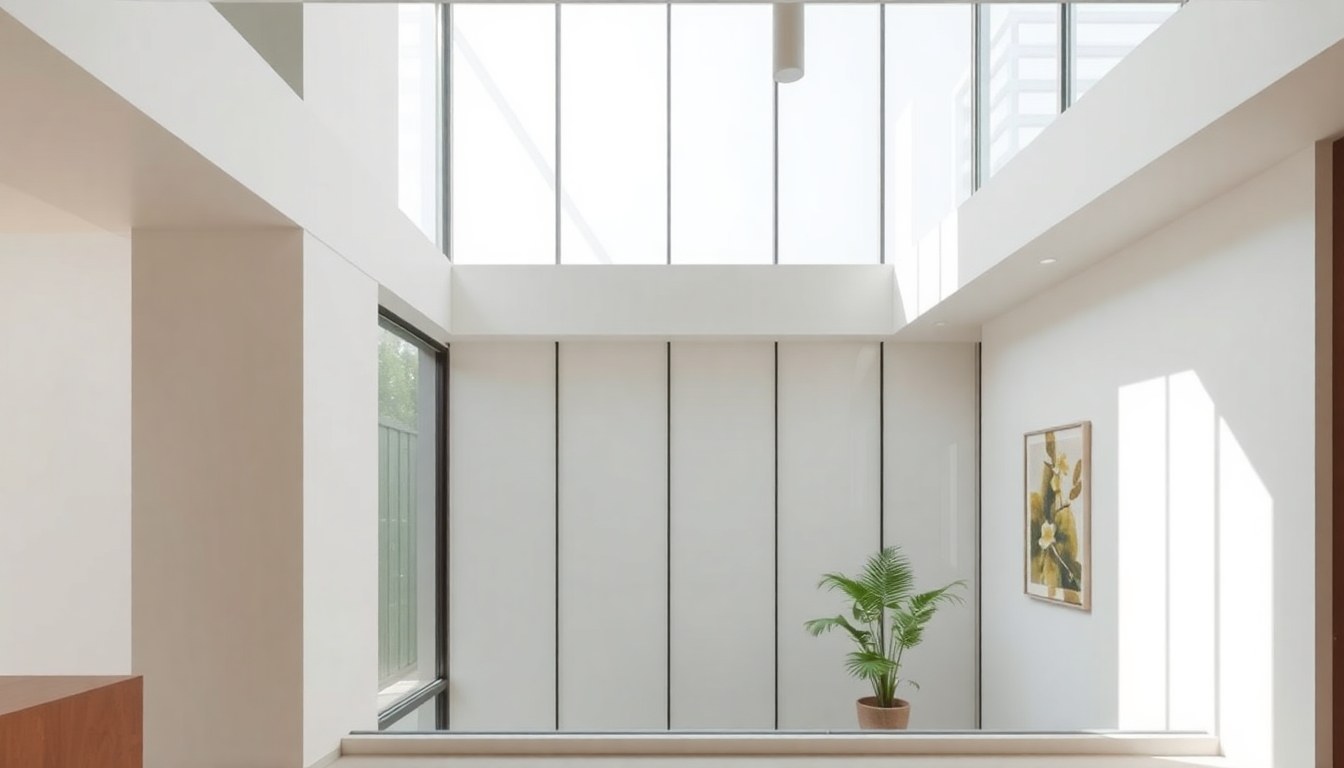
Bangalore's summers can push indoor temperatures uncomfortably high, forcing air conditioners to work overtime and your electricity bills to soar. Low-emissivity (low-E) coating glass is a proven solution that reflects infrared heat while transmitting visible light, keeping your home cooler without sacrificing daylight. In this guide, we'll explain the science behind low-E coatings, their cost-benefit analysis for Bangalore homes, and how to get them installed correctly.
What Is Low-E Coating Glass?
Low-emissivity coating is a microscopically thin layer of metallic oxides applied to glass surfaces. This invisible coating—typically just 100 nanometers thick—is engineered to reflect long-wave infrared radiation (heat) while allowing short-wave solar radiation (visible light) to pass through. Think of it as a selective filter that keeps the warmth out but lets the brightness in.
The coating is usually applied during the glass manufacturing process, creating what's called "hard-coat" low-E glass, or it can be applied afterward as a "soft-coat" in specialized facilities. Hard-coat versions are more durable and suitable for exterior applications, while soft-coat versions offer superior thermal performance but require protection in insulated glass units.
How Low-E Coating Works
The metallic oxide layer—commonly silver, tin oxide, or zinc oxide—has a high reflectance to infrared wavelengths. When the sun's heat tries to enter your home through the window, the coating bounces it back outside. Simultaneously, the coating allows visible light (wavelengths between 380–700 nanometers) to pass through, so your rooms remain naturally lit and don't feel dark or cave-like.
In winter, low-E coatings also work in reverse: they reflect indoor heat back into your home, reducing heating losses. This dual benefit makes low-E glass valuable year-round, though the summer heat rejection is the primary concern for Bangalore residents.
Why Bangalore Homes Need Low-E Glass
Bangalore's climate is characterized by intense solar radiation, especially between March and May when temperatures regularly exceed 35°C. Standard clear glass absorbs and transmits much of this heat directly into your living spaces, forcing air-conditioning systems to consume excess energy. Low-E coating glass can reduce solar heat gain by up to 65%, depending on the coating type and angle of incidence.
The financial impact is significant. A typical Bangalore household running air conditioning for 8–10 hours daily during peak summer months can reduce cooling costs by 20–30% with low-E windows. Over a 10-year lifespan, this translates to substantial savings, especially in multi-window homes or commercial properties.
Thermal Comfort and Health Benefits
Beyond cost savings, low-E glass improves thermal comfort. Rooms with low-E windows experience fewer hot spots near windows and more consistent indoor temperatures, reducing the need for the AC to cycle aggressively. This stability also means less strain on HVAC equipment, extending its lifespan.
Additionally, low-E coatings block a significant portion of ultraviolet (UV) radiation, which fades furniture, artwork, and flooring. Protecting your interior décor is an often-overlooked benefit of this technology.
Types of Low-E Coatings Available in India
The low-E coating market in India offers several variants, each with different performance characteristics and price points. Understanding the options helps you choose the best fit for your Bangalore home.
Soft-Coat Low-E (Pyrolytic Coating)
Soft-coat low-E is applied offline using a vacuum deposition process. It provides superior thermal performance—Solar Heat Gain Coefficient (SHGC) as low as 0.20—making it ideal for hot climates like Bangalore. However, soft-coat is more delicate and must be sealed inside an insulated glass unit (IGU) to prevent oxidation and damage.
Hard-Coat Low-E (Sputtered Coating)
Hard-coat low-E is applied during glass manufacturing using a sputtering process. It's more durable and can be exposed to the elements, though its thermal performance (SHGC around 0.40) is slightly lower than soft-coat. Hard-coat is often used in retrofit situations where replacing the entire window frame is not feasible.
Spectrally Selective Coatings
These advanced coatings are engineered to block specific wavelengths of infrared radiation while maintaining high visible light transmission. They offer the best balance of natural light and heat rejection, though they come at a premium price. Many premium residential projects in Bangalore use spectrally selective coatings.
Cost Analysis: Low-E Glass in Bangalore
The investment in low-E coating glass depends on several factors: the type of coating, glass thickness, window size, and whether you're installing new windows or retrofitting existing ones.
Price Breakdown
- Standard clear glass: ₹150–250 per square foot
- Hard-coat low-E glass: ₹300–450 per square foot
- Soft-coat low-E glass (in IGU): ₹500–800 per square foot
- Spectrally selective low-E: ₹700–1,200 per square foot
For a typical Bangalore home with 150 square feet of window area, upgrading from clear glass to soft-coat low-E would cost approximately ₹52,500–1,20,000. Installation typically adds 20–30% to material costs. While this is a significant upfront investment, energy savings of ₹3,000–8,000 annually can recover the cost in 8–15 years, depending on your current cooling expenses and local electricity rates.
Return on Investment (ROI)
Beyond energy savings, low-E glass increases property value. Homebuyers increasingly recognize the long-term benefits of energy-efficient features, and homes with low-E windows command a 3–5% premium in the Bangalore real estate market. This appreciation, combined with operational savings, makes low-E glass a financially sound decision for most homeowners.
Installation and Maintenance Tips for Bangalore Homes
Proper installation is critical to maximizing the performance of low-E glass. Poorly installed windows can allow air leaks that negate thermal benefits. When working with professionals, ensure they follow these best practices:
Installation Checklist
- Use certified installers experienced with low-E glass systems
- Ensure proper weatherstripping and sealing around frames to prevent air infiltration
- Install windows with the low-E coating on the correct side (typically the inner pane of a double-glazed unit in hot climates)
- Allow for adequate ventilation gaps between the window frame and wall to prevent moisture trapping
- Test for air-tightness after installation using a blower door test (optional but recommended for premium installations)
Maintenance Guidelines
Low-E coatings are durable but require gentle care. Clean windows with soft cloths and mild soap solutions; avoid abrasive cleaners or high-pressure washing, which can damage the coating. In Bangalore's dusty climate, quarterly cleaning maintains optimal light transmission and heat rejection performance.
If you're planning a new build or major renovation, consult with experienced architects and interior designers early in the design phase. Professionals like DCAE-DC Architects Engineers can integrate low-E glass into comprehensive thermal design strategies that maximize efficiency across your entire home.
Common Mistakes to Avoid
Many Bangalore homeowners make preventable errors when installing low-E glass. The most common mistake is installing the coating on the wrong side of the glass pane. In hot climates, the coating should face inward (toward the interior of the building) to reflect heat back outside before it enters the living space.
Another error is choosing low-E glass without considering the overall window frame material. Even the best low-E coating provides limited benefit if the frame is aluminum without thermal breaks, as aluminum conducts heat rapidly. Opt for frames with thermal barriers—such as vinyl, fiberglass, or thermally broken aluminum—to complement your low-E glass investment.
Finally, avoid mixing different types of low-E coatings in the same home. Consistency in performance and appearance across all windows ensures uniform thermal control and aesthetic appeal.
Frequently Asked Questions
Does low-E coating reduce natural light in Bangalore homes?
No, low-E coating is designed to transmit visible light while blocking infrared heat. Modern soft-coat low-E glass allows 70–80% of visible light through, so your rooms remain naturally lit. You won't notice any significant darkening compared to standard clear glass.
Can low-E coating be applied to existing windows?
Retrofitting existing windows with low-E coating is challenging. Hard-coat low-E can be applied to single-pane windows, but the thermal performance is modest. For best results, replace your windows with new low-E insulated glass units. Some specialized glass dealers in Bangalore offer retrofit solutions; consult with local providers like City Glass Palace and Aluminium Fabrication for options.
How long does low-E coating last?
Soft-coat low-E sealed inside an insulated glass unit typically lasts 20–30 years, matching the lifespan of the IGU itself. Hard-coat low-E is even more durable, often lasting 40+ years. Proper maintenance and avoiding aggressive cleaning extend coating longevity.
Is low-E glass worth the investment in Bangalore?
Yes, for most Bangalore homeowners. The combination of high solar radiation, rising electricity costs, and long payback periods (8–15 years) makes low-E glass a sound investment. Additional benefits include UV protection, improved comfort, and increased property value.
What's the difference between low-E and tinted glass for heat reduction?
Tinted glass absorbs heat, which then radiates into your home and the surrounding air, reducing efficiency. Low-E glass reflects heat away, preventing absorption altogether. Low-E is more effective for heat rejection, though tinted glass offers better privacy and glare reduction.
Conclusion: Make the Smart Choice for Your Bangalore Home
Low-E coating glass is a mature, proven technology that delivers measurable benefits for Bangalore's climate. By reflecting summer heat while maintaining natural light, it reduces cooling costs, improves comfort, and protects your interior furnishings. While the upfront cost is higher than standard glass, the long-term savings and property value appreciation make it a worthwhile investment.
Ready to upgrade your windows? Browse the glassy.in directory to find certified glass suppliers, installers, and architects in Bangalore who specialize in low-E coating solutions. Get quotes, compare options, and start enjoying cooler, more energy-efficient homes today.