
Glass Guides
Laminated Glass vs Toughened Glass for Skylights: Which Handles Indian Weather?
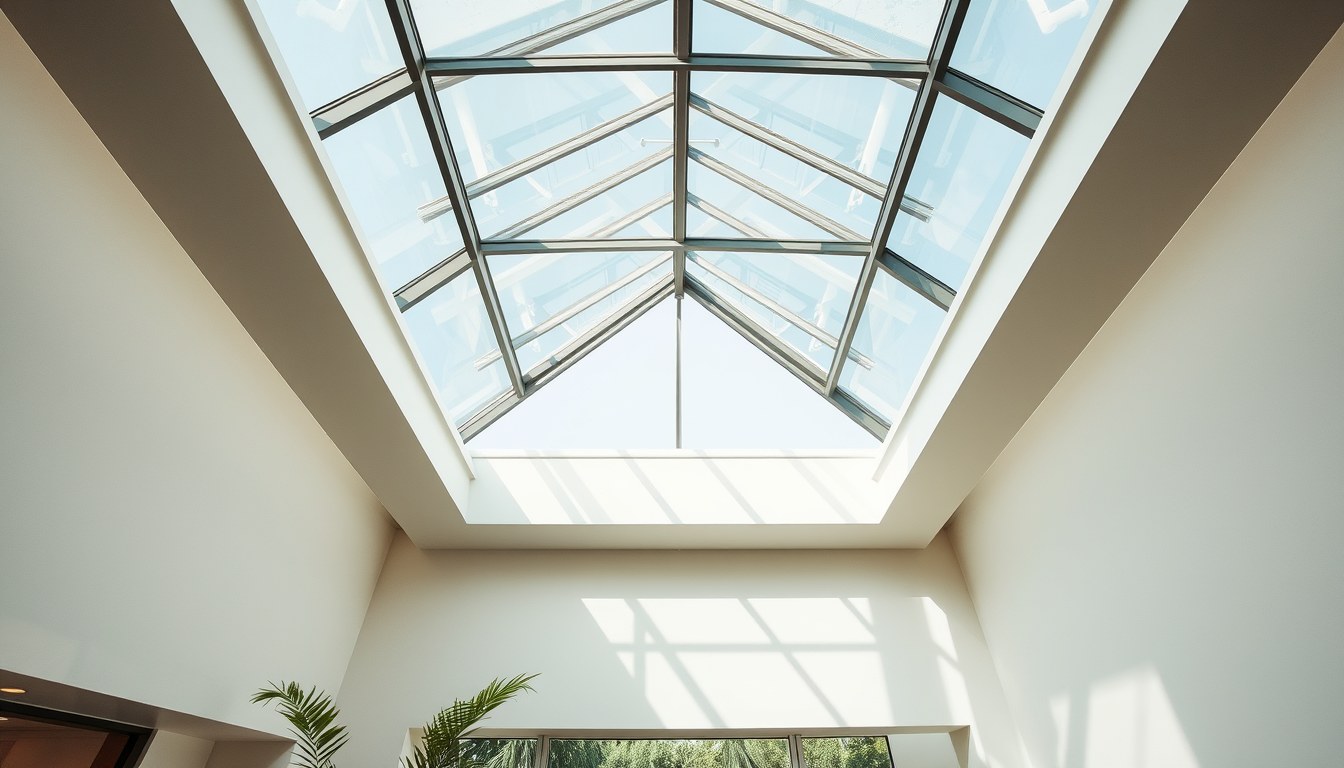
Skylights flood homes with natural light and create stunning visual appeal, but choosing the right glass type can mean the difference between a durable investment and costly repairs after the monsoon season. Laminated and toughened glass each offer distinct advantages for Indian climates—from coastal humidity to Delhi's temperature swings—and understanding their strengths will help you make an informed decision for your rooftop.
Understanding Laminated Glass
Laminated glass consists of two or more glass panes bonded together with a polyvinyl butyral (PVB) interlayer. When laminated glass breaks, the interlayer holds the fragments together, preventing sharp pieces from scattering. This safety feature makes it popular in automotive and architectural applications across India.
The interlayer also provides excellent sound insulation and blocks up to 99% of ultraviolet (UV) radiation. For skylights in urban areas or near highways, the noise reduction is a genuine benefit. The UV blocking helps protect interior furnishings from fading—a real advantage in sunny Indian cities like Bangalore and Hyderabad where intense sunlight is constant.
Laminated Glass Performance in Indian Weather
- Monsoon durability: The interlayer acts as a moisture barrier, making laminated glass more resistant to water infiltration during heavy downpours. Coastal regions like Kerala and Maharashtra experience sustained moisture; laminated glass performs well here.
- Thermal expansion: Indian summers push temperatures above 45°C in many regions. Laminated glass handles thermal stress better because the interlayer absorbs expansion and contraction, reducing the risk of stress cracks.
- Impact resistance: While laminated glass doesn't shatter like ordinary glass, it can still crack under severe impact. However, it won't collapse into your living space.
- Cost: Laminated glass typically costs ₹800–₹1,500 per square meter, depending on thickness and interlayer quality.
Understanding Toughened Glass
Toughened (or tempered) glass is ordinary glass heated to 600°C and then rapidly cooled. This process creates internal stress that makes the glass five to eight times stronger than untreated glass. When toughened glass finally breaks, it shatters into small, relatively harmless granules rather than sharp shards—a major safety advantage.
Toughened glass is widely used in India for shower enclosures, partitions, and increasingly for skylights. It's harder to scratch and more resistant to thermal shock than ordinary glass. However, it cannot be cut or drilled after tempering, so all modifications must happen before the tempering process.
Toughened Glass Performance in Indian Weather
- Impact strength: Toughened glass excels at resisting hail, falling branches, and accidental impacts. In regions prone to storms, this is a significant advantage.
- Thermal shock resistance: Rapid temperature changes—like a sudden cloudburst cooling a hot skylight—pose less risk to toughened glass than to ordinary glass.
- Monsoon vulnerability: Toughened glass itself doesn't absorb water, but at the edges and seals, water can infiltrate. The glass is more prone to edge chipping in humid environments if not properly sealed.
- Cost: Toughened glass costs ₹600–₹1,200 per square meter, making it slightly cheaper than laminated options.
- UV protection: Standard toughened glass does not block UV rays; you'd need a special UV-coating applied separately.
Regional Considerations Across India
Coastal Regions (Kerala, Goa, Maharashtra, Tamil Nadu)
Coastal areas face salt spray, high humidity, and intense UV exposure. Laminated glass is the stronger choice here because the interlayer provides moisture resistance and UV blocking. The polyvinyl butyral layer also resists salt corrosion better than the edge seals of toughened glass. If you choose toughened glass in coastal areas, ensure the frame and seals are stainless steel or powder-coated aluminum to resist salt-air corrosion.
Monsoon-Heavy Regions (Bangalore, Pune, Western Ghats)
Areas receiving 2,000–4,000 mm of annual rainfall need skylights that won't leak. Laminated glass's interlayer acts as a secondary moisture barrier. Toughened glass can work here too, but only with meticulous sealing and a sloped frame that directs water away from the glass edges. Many installers in Bangalore recommend laminated glass for this reason.
Hot, Dry Regions (Delhi, Rajasthan, Gujarat)
Extreme heat and low humidity create thermal stress but less moisture risk. Both glass types perform adequately, but toughened glass's superior thermal shock resistance makes it slightly preferable. If you select laminated glass, ensure the interlayer is rated for high-temperature environments (some PVB interlayers degrade above 60°C). Toughened glass at ₹600–₹900 per square meter is also more budget-friendly here.
Safety, Durability, and Long-Term Costs
Safety regulations in India (IS 2553 for toughened glass and IS 2730 for laminated glass) mandate specific glass types for certain applications. For skylights, both are acceptable, but your choice depends on your priorities. Laminated glass prioritizes occupant safety (fragments don't fall into the room), while toughened glass prioritizes impact resistance (the skylight is harder to break in the first place).
Over 15–20 years, laminated glass typically requires less maintenance in high-moisture areas because the interlayer resists water ingress. Toughened glass may need frame resealing every 5–7 years in monsoon zones. If a seal fails on toughened glass, water can seep into the frame cavity; if a seal fails on laminated glass, the interlayer provides a backup barrier.
Replacement costs favor toughened glass slightly. A broken toughened skylight costs ₹15,000–₹35,000 to replace (depending on size and frame), while a laminated skylight replacement runs ₹18,000–₹45,000 due to higher material costs. However, laminated glass's durability often means fewer replacements over time.
Installation and Maintenance Tips
- Frame material: Use aluminum or stainless-steel frames, not wood, in high-moisture regions. Wood swells and shrinks with humidity, breaking the seal.
- Sealant choice: Silicone sealants (not acrylic) resist monsoon moisture better. Reapply every 3–5 years in coastal or monsoon zones.
- Slope and drainage: Install skylights at a 15–20° angle to encourage water runoff. Flat skylights collect water and stress the glass.
- Ventilation: Ensure the skylight cavity is ventilated to prevent condensation buildup in humid climates.
- Professional installation: Poor installation voids warranties and causes leaks. Hire installers experienced with your region's climate.
Which Should You Choose?
Choose laminated glass if: You live in a coastal region, monsoon-heavy area, or urban environment with noise concerns. You prioritize occupant safety and moisture resistance. You're willing to pay slightly more for long-term durability in high-humidity zones.
Choose toughened glass if: You live in a hot, dry region with low humidity. Impact resistance and thermal shock resistance are your priorities. You have a tight budget and plan to replace the skylight within 10–12 years. You ensure professional installation with high-quality seals and a sloped frame.
For most Indian climates, laminated glass edges ahead because it addresses the region's most common challenge: moisture and humidity. However, in Delhi, Jaipur, and other low-humidity cities, toughened glass is equally reliable and more economical.
Frequently Asked Questions
Can laminated glass be used in skylights in heavy monsoon areas?
Yes, laminated glass is ideal for monsoon regions. The polyvinyl butyral interlayer acts as a moisture barrier and prevents water from seeping into the frame cavity even if the outer seal is compromised. Coastal and Western Ghats regions particularly benefit from this property.
Does toughened glass break easily in Indian heat?
Toughened glass is more resistant to thermal shock than ordinary glass, but extreme temperature swings (like a sudden monsoon cooling a hot skylight) can still cause stress. Proper installation with a sloped frame and ventilation reduces this risk significantly.
Which glass type blocks UV rays better?
Laminated glass blocks up to 99% of UV rays naturally due to the interlayer. Toughened glass does not block UV unless a special UV-coating is applied during manufacturing, which increases cost. For sun protection, laminated glass is superior.
What is the typical lifespan of each glass type in Indian weather?
Laminated glass skylights last 20–25 years in monsoon and coastal regions with proper maintenance. Toughened glass skylights last 15–20 years in the same conditions. In dry climates, both can exceed 25 years. The difference is largely due to moisture exposure affecting seals and frames.
Is laminated glass more expensive than toughened glass?
Yes, laminated glass costs ₹800–₹1,500 per square meter, while toughened glass costs ₹600–₹1,200 per square meter. However, laminated glass's longer lifespan in humid climates often justifies the higher upfront cost over 15–20 years.
Choosing the right skylight glass for your home's climate is an investment in comfort, safety, and long-term durability. Visit the glassy.in directory to connect with certified glass manufacturers and installers across India who can assess your specific location and recommend the best option for your needs.