
Glass Guides
Laminated Glass for Skylights: Safety, Sound, & Light Control
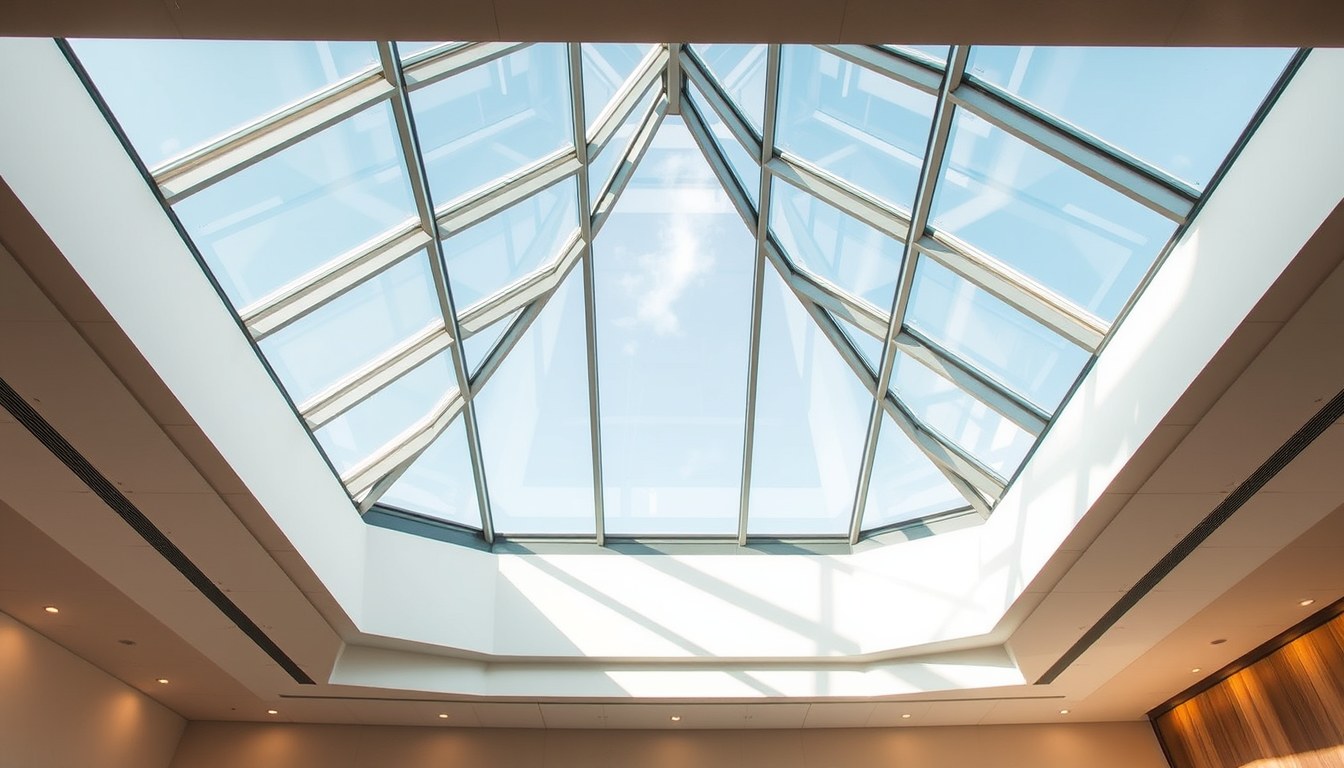
When natural light streams through a skylight, it transforms a space—but safety and comfort matter just as much as aesthetics. Laminated glass skylights deliver protection against impact, reduce external noise, and allow you to control how much light enters your home or office. Unlike ordinary tempered glass, laminated glass holds together if broken, making it the smarter choice for overhead applications where safety is non-negotiable.
What Is Laminated Glass and How Does It Work?
Laminated glass consists of two or more panes of glass bonded together with an interlayer—typically polyvinyl butyral (PVB), though ionoplast and EVA interlayers also exist. The interlayer acts as a shock absorber and adhesive, keeping the glass intact even if the panes crack. This fundamental difference makes laminated glass fundamentally safer than annealed or tempered glass for skylights, where falling glass poses a genuine hazard.
The manufacturing process involves heating the glass and interlayer under controlled pressure and temperature, creating a permanent molecular bond. The result is a single, cohesive unit that behaves very differently from unlaminated alternatives. When impact occurs—whether from hail, a fallen branch, or accidental contact—the interlayer prevents the glass from shattering into dangerous shards, instead holding the broken pieces in place like a car windscreen.
Standard Laminated Glass Configurations for Skylights
- 6mm + 6mm with PVB interlayer: Common for residential skylights, offering basic safety and some acoustic benefit
- 8mm + 8mm with thicker PVB: Preferred for larger spans and areas with higher impact risk
- 10mm + 10mm or thicker: Used in commercial installations and regions prone to severe weather
- Asymmetrical laminates (e.g., 6mm + 8mm): Balance cost and performance for specific architectural needs
Safety Benefits of Laminated Glass Skylights
The primary advantage of laminated glass for overhead applications is impact resistance. Building codes in India and internationally recognize laminated glass as the safe choice for any glazing above head height. If a skylight fails, laminated glass will not rain down on occupants below—the interlayer keeps broken pieces bonded to the frame or remaining glass, dramatically reducing injury risk.
Laminated glass also provides security against intrusion. The interlayer makes it far harder to break through than single-pane glass, which matters for ground-floor skylights or installations in areas where security is a concern. Additionally, laminated glass offers protection during earthquakes and high-wind events, where flying glass fragments are a major cause of injury. Building standards in seismic zones often mandate laminated glass for this reason.
Compliance with Indian Building Codes
The National Building Code of India (NBC) and local municipal regulations require safety glazing in hazardous locations, including overhead glazing in residential and commercial buildings. Laminated glass meets these requirements and is explicitly recommended by architects and engineers working on projects in India. When consulting with specialists like SAN Design Square or Vastulinear Pvt Ltd, they will emphasize laminated glass as the code-compliant standard for skylights.
Understanding PVB Interlayers and Sound Control
Polyvinyl butyral (PVB) is the most widely used interlayer material because it balances optical clarity, durability, and acoustic performance. Standard PVB interlayers are typically 0.76mm thick per layer, though acoustic-grade PVB can be 1.52mm or thicker. The thicker the interlayer, the more sound energy it absorbs, making it ideal for skylights in noisy urban environments or near airports and highways.
Sound reduction works because the PVB interlayer is viscoelastic—it converts sound wave energy into heat through internal friction. When external noise hits the skylight, the PVB dampens vibrations that would otherwise transmit through the glass to the interior. A standard laminated glass skylight (6mm + 0.76mm PVB + 6mm) typically reduces sound by 30–35 decibels, while acoustic-grade laminates with thicker PVB can achieve 40+ decibels of reduction.
Acoustic Performance Specifications
- Standard PVB (0.76mm): Rw 30–32 dB reduction (suitable for residential areas with moderate noise)
- Acoustic PVB (1.52mm): Rw 35–38 dB reduction (ideal for urban locations and commercial spaces)
- High-performance acoustic laminates: Rw 40+ dB reduction (specialized applications, higher cost)
For homeowners and businesses in busy areas of Indian cities, acoustic laminated skylights provide measurable relief from traffic noise, construction noise, and aircraft sound. The investment in thicker PVB is often justified by the comfort gain, particularly in bedrooms, offices, and meditation spaces.
Light Transmission and Optical Clarity
One concern with laminated glass is whether the interlayer affects light transmission. In reality, modern PVB interlayers are optically neutral and virtually invisible. A standard laminated skylight transmits approximately 88–92% of visible light, compared to 90–92% for unlaminated glass. The difference is negligible to the human eye and not noticeable in practice. What you gain in safety and sound control far outweighs any minor light loss.
Laminated glass also offers opportunities for light control through tinted or reflective interlayers. Bronze, gray, and green-tinted PVB interlayers reduce glare and solar heat gain while maintaining excellent light quality. This is particularly valuable in Indian climates, where excessive sunlight can overheat interior spaces and increase air-conditioning loads. A tinted laminated skylight can reduce solar heat transmission by 40–50% compared to clear glass, lowering cooling costs and improving comfort.
Solar Control Options
- Clear laminated glass: Maximum light, standard heat gain (88–92% light transmission)
- Tinted laminated glass (bronze, gray, green): Reduced glare and heat (70–85% light transmission, depending on tint depth)
- Reflective laminated glass: Significant heat rejection, mirror-like appearance (50–70% light transmission)
- Switchable (electrochromic) laminated glass: Variable tint on demand, premium cost (emerging technology in India)
Installation and Maintenance Considerations
Proper installation is critical for laminated glass skylights to perform as designed. The glass must be secured in a frame that accommodates thermal expansion, and seals must be watertight to prevent moisture ingress between the panes. Poor installation can lead to delamination (separation of the interlayer from the glass), which compromises both safety and acoustic performance. Always engage qualified installers and suppliers, such as CRYSTAL GLASS & HARDWARE or Sri Lakshmi Glass Plywood And Hardware, who understand the technical requirements.
Maintenance of laminated glass skylights is straightforward. Clean the exterior with mild soap and water, and avoid abrasive cleaners that can scratch the surface. Interior cleaning is equally simple—a soft cloth and glass cleaner will suffice. The interlayer is sealed between the glass panes, so it requires no special care. If the skylight is damaged, the entire unit should be replaced rather than repaired, as the structural integrity of the laminate cannot be reliably restored on-site.
Lifespan and Durability
Quality laminated glass skylights, when properly installed and maintained, last 20–30 years or more. The PVB interlayer does not degrade significantly under normal conditions, though prolonged exposure to extreme UV radiation (in tropical climates) may cause minor yellowing over decades. This is purely aesthetic and does not affect performance. Regular inspection of seals and frames is recommended every 5–10 years to catch any potential water leaks before they cause damage.
Cost Considerations and Return on Investment
Laminated glass skylights cost more upfront than tempered or annealed glass alternatives—typically 30–50% higher. A standard 1.5m × 1.5m laminated glass skylight might cost ₹25,000–₹40,000 installed, compared to ₹15,000–₹25,000 for unlaminated options. However, the safety benefits, reduced noise, and potential energy savings through tinted variants often justify the investment, particularly in urban areas and for commercial applications.
Architects and designers like Madras Terrace Architects and TATTVA, The House Of Designs frequently specify laminated glass skylights because they meet code requirements and provide long-term value. Energy savings from solar-control tints can offset the higher initial cost within 5–10 years in many Indian climates, making laminated glass a smart financial choice as well as a safe one.
Frequently Asked Questions
Is laminated glass necessary for all skylights?
Building codes in India and most countries require safety glazing (including laminated glass) for skylights and any overhead glazing above occupied spaces. Even where code does not mandate it, laminated glass is strongly recommended for safety. If a skylight is in a rarely used attic or above an uninhabited area, unlaminated glass may be acceptable, but safety regulations and insurance considerations typically favor laminated glass.
Can laminated glass skylights be recycled?
Yes, laminated glass is recyclable, though the PVB interlayer complicates the process. Specialized glass recyclers can separate the interlayer from the glass or recycle the entire laminate. When replacing a skylight, consult your installer about proper disposal and recycling options. Many glass suppliers in India are increasingly offering take-back programs for old glazing.
How much noise reduction should I expect from a laminated glass skylight?
Standard laminated glass (6mm + 0.76mm PVB + 6mm) reduces exterior noise by approximately 30–35 decibels. Acoustic-grade laminates with thicker PVB can achieve 35–40 decibels or more. Actual noise reduction depends on the frequency of the sound (low frequencies are harder to block) and the overall window assembly (frame and seals matter too). For maximum acoustic benefit, pair laminated glass with a well-sealed frame and consider double-glazing with an air gap.
Does laminated glass discolor or yellow over time?
Modern PVB interlayers are UV-stabilized and resist yellowing under normal conditions. In tropical climates with intense, prolonged UV exposure (like much of India), very slight yellowing may occur after 15–20 years, but this is minimal and primarily aesthetic. The optical and safety properties of the glass are not affected. If appearance is a concern, UV-blocking coatings or tinted interlayers can be specified.
What is the difference between PVB, EVA, and ionoplast interlayers?
PVB (polyvinyl butyral) is the most common and cost-effective interlayer, offering good acoustic and safety performance. EVA (ethylene-vinyl acetate) is softer and slightly more flexible, sometimes preferred for curved laminates. Ionoplast (such as DuPont's Sentryglas) is stronger and thinner, offering superior safety with less bulk, but costs significantly more. For most skylight applications in India, PVB is the practical choice, balancing performance and affordability.
Conclusion: Making the Smart Choice for Your Skylight
Laminated glass skylights are the intelligent choice for safety, comfort, and long-term value. By understanding how PVB interlayers work, the acoustic benefits they provide, and the light control options available, you can make an informed decision that suits your building's needs and climate. Whether you're designing a residential home, commercial office, or institutional space, laminated glass delivers proven protection and performance.
Ready to explore laminated glass skylight options for your project? Browse qualified glass suppliers and architects on glassy.in, India's largest glass-business directory. Connect with local experts who understand your region's building codes, climate challenges, and design preferences—and get your skylight project right the first time.