
Technology
How Lacquered Glass is Made: A Step-by-Step Guide
How Lacquered Glass Is Made: A Fusion of Function and Art
Lacquered glass, with its sleek aesthetic and durable surface, has become a popular choice for modern interior designs. Characterized by its smooth finish and rich color, this versatile material is utilized in kitchens, offices, and even art installations. But have you ever wondered how lacquered glass is made? Understanding its manufacturing process reveals not only the technical brilliance behind it but also how it beautifully merges function with artistry.
What Is Lacquered Glass?
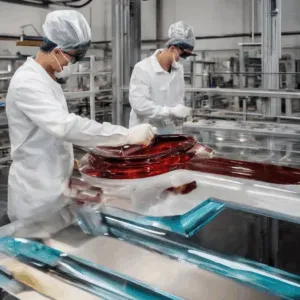
Lacquered glass is essentially toughened or float glass that is coated with layers of high-quality lacquer paint. This special coating is applied to one side of the glass to create durable and vibrant hues. The result is a surface that combines the transparency and sheen of glass with the opaqueness and versatility of colored lacquer. It’s an excellent material for both functional and decorative uses in modern spaces, including backsplashes, wardrobe panels, furniture pieces, and artistic displays.
The beauty of lacquered glass lies not only in its appearance but also in its adaptability to various interior themes, from minimalistic spaces to bold and colorful designs. This makes it a favorite among interior designers, architects, and even modern artists who appreciate the interplay between form and function intrinsic to glass-based products.
How Is Lacquered Glass Made?
To create lacquered glass, craftsmanship and technology come together in a carefully controlled environment. Below is an overview of the process:
1. Glass Preparation
The first step in producing lacquered glass is preparing the base glass, usually float glass or toughened glass. Float glass, made through the float process, is highly smooth and uniform in thickness, providing an ideal base. The selected sheet of glass is thoroughly cleaned to ensure no dust, grime, or oils remain on the surface. A clean and pristine surface is critical because any imperfections can compromise the adhesion of the lacquer and affect the final product’s aesthetics.
2. Applying Lacquer
After preparation, a high-quality lacquer is sprayed or rolled onto the backside of the glass. This lacquer is made from pigments, binders, and solvents specially formulated to provide bold, evenly distributed color. The application can be done manually or using automated spraying systems for precision and consistency. During this stage, the focus is on achieving uniform coverage without streaks or blotches—critical for the flawless finish lacquered glass is known for.
3. Drying & Curing
Once the lacquer is applied, the glass undergoes the drying and curing phase. Drying allows the solvents in the lacquer to evaporate, leaving behind a smooth film. Curing further hardens the lacquer, ensuring it bonds permanently to the glass and provides resistance against scratches, heat, and moisture. Advanced drying methods, such as infrared curing or kiln heating, are often employed to accelerate the process while maintaining optimal conditions.
4. Quality Checks
Before lacquered glass is ready for use, it undergoes multiple quality checks. Each piece is inspected for defects like color inconsistencies, cracks, or bubbles. Any issues are rectified or the glass is discarded. Only perfectly finished lacquered glass makes the cut.
5. Customization
At this stage, the lacquered glass may be customized to suit specific design needs. Depending on its intended use, it can be cut to different sizes, polished around the edges, or even drilled to accommodate installation requirements. In some cases, additional artistic techniques, such as embedding patterns or blending light effects, may be employed to enhance its creative appeal.
For those who appreciate the artistry of functional materials, lacquered glass stands as a testament to how technology and creative design can work in harmony.
Advantages of Lacquered Glass in Art and Interior Design
Lacquered glass is more than just a functional material—it’s an artist’s canvas. Its ability to seamlessly blend color, light, and texture makes it one of the most versatile mediums used in modern spaces. Designers often turn to lacquered glass for its aesthetic appeal and practical benefits, including:
1. Vibrant and Customizable Colors
The lacquer coating opens up endless possibilities for color customization. Whether you need a bold red to accentuate a feature wall or a soothing pastel for a calming atmosphere, lacquered glass can deliver it all.
2. Durable Surface
Thanks to its curing process, lacquered glass can resist scratches, stains, and high humidity. As a result, it’s ideal for spaces like kitchens and bathrooms where durability is key.
3. Reflective Elegance
The glossy finish of lacquered glass adds depth and dimension to interiors, gently reflecting light and enhancing spatial awareness—a quality appreciated by both architects and artists.
4. Eco-Friendly Choice
Many modern lacquer coatings are created with environmentally friendly formulations. Combined with the recyclable nature of glass, lacquered glass is also a sustainable pick for design projects.
Where Creativity Meets Craftsmanship
The production of lacquered glass is not only a technical achievement but also a celebration of creativity. Artists and designers often use lacquered glass as a medium to reinterpret contemporary art, blending color with transparency and reflection. In spaces where art and functionality intersect—like galleries, luxury homes, or boutique hotels—lacquered glass showcases its capacity to elevate interiors while sparking inspiration.
If you’re exploring lacquered glass for your next interior project, platforms like Glassy offer a wide range of options tailored to meet design-oriented needs. Their curated collection ensures the perfect blend of quality and creativity for every project.
Lacquered Glass: A Modern Classic
The allure of lacquered glass lies in its ability to transform simple interiors into luxe spaces. Understanding its manufacturing process highlights the craftsmanship and innovation that go into creating this remarkable material. From its origins as a simple sheet of glass to its transformation into a vibrant, durable surface, lacquered glass stands as a symbol of modern design aesthetics and artistic potential.
Whether you’re an enthusiast of Art & Glass or simply seeking inspiration for your next interior design project, lacquered glass offers endless possibilities. Its seamless integration into contemporary spaces continues to captivate designers and artists around the world, demonstrating the timeless appeal of glass as both utility and art.# How Lacquered Glass is Made: A Fusion of Art, Design, and Functionality
When it comes to striking a balance between form and function in interior design, lacquered glass stands as a testament to modern craftsmanship and artistic innovation. This elegantly designed glass creates an interplay of colors and reflections, seamlessly blending sophistication with practicality. But what goes into creating lacquered glass? What makes it so irresistible for contemporary interiors? Here’s an insightful look into the process of how lacquered glass is made and why it’s a favorite for artists, designers, and architects alike.
What is Lacquered Glass?
Lacquered glass, sometimes referred to as colored or back-painted glass, is a contemporary material where one side of the glass is coated with a colored lacquer or paint. The result is a smooth, high-gloss finish that combines the timeless beauty of glass with customizable colors to achieve stunning visual effects.
Recognized for its seamless integration into modern spaces, lacquered glass is used for a variety of applications including wall claddings, kitchen backsplashes, cabinet doors, tabletops, and architectural installations. Beyond its visual appeal, lacquered glass is durable, easy to maintain, and versatile—a genuine blend of art and functionality.
The Art of Making Lacquered Glass: A Step-by-Step Process
Creating lacquered glass is both an art and a science. The process is meticulously designed to ensure an impeccable surface finish and a perfect bond between the lacquer and the glass substrate. Let’s walk through the stages of production:
Step 1: Selecting High-Quality Glass
The foundation of lacquered glass is high-quality float glass. Float glass is widely used because of its smooth surface, clarity, and uniform thickness. Depending on the intended design application, the glass may range from standard clear glass to ultra-clear low-iron glass, which further enhances the vibrancy of the applied lacquer.
Step 2: Prepping the Glass Surface
Before applying the lacquer, the glass undergoes rigorous surface preparation. This involves cleaning the glass thoroughly to remove dust, grease, or impurities that can interfere with the adhesion of the paint. Surface preparation is critical to achieving a seamless finish and ensuring long-lasting durability.
Step 3: Applying the Colored Lacquer
Once the glass is prepped, the magic begins with the application of the lacquer. The lacquer is typically formulated using high-quality pigments and binders to ensure UV resistance, vivid colors, and longevity. Using advanced techniques like spray coating or roller coating, the lacquer is evenly applied to the backside of the glass. This results in a mirror-like finish when viewed from the front side.
The choice of lacquer color opens infinite possibilities. From bold primary hues to subtle neutrals, designers have full creative freedom to harmonize lacquered glass with their overall vision for a space. Some artisans even push the boundaries by combining lacquer with patterns or texture for a truly artistic effect.
Step 4: Curing the Lacquer
After the lacquer is applied, the glass is left to cure, allowing the paint to bond securely with the glass surface. Curing may involve heat treatment or UV exposure, depending on the specific lacquer formulation. This step not only seals the color but also enhances its durability, making it resistant to scratches and temperature fluctuations.
Step 5: Quality Testing
The final product undergoes comprehensive quality checks. Specialists examine the glass for uniform coloration, adherence, and finish. Any inconsistencies are addressed before the lacquered glass reaches the market as a flawless piece ready for installations.
Lacquered Glass in Art and Interior Design
What sets lacquered glass apart isn’t just its manufacturing process—it’s the artistic versatility it brings to the world of design. In the realm of Art & Glass, lacquered glass is celebrated for its ability to reflect light and infuse spaces with vibrant energy. Artists and designers collaborate to include lacquered glass in installations, furniture designs, and architectural features that blur the line between functional elements and artistic expression.
A lacquered glass wall in a living room or corporate office can serve as a bold centerpiece that elevates the aesthetic value. Meanwhile, in kitchen design, lacquered glass backsplashes add pops of color while ensuring easy clean-up. Every application showcases how lacquered glass merges art, craftsmanship, and design functionality seamlessly.
Why Lacquered Glass Is a Design Essential
Stylish, durable, and versatile, lacquered glass offers numerous benefits for interior and architectural design projects. Its glossy surface reflects light, creating a sense of openness and luxury, even in compact spaces. Furthermore, the customizable color options give endless flexibility to designers looking to bring their conceptual ideas to life.
The inherent durability of lacquered glass adds to its appeal, making it suitable for high-traffic areas. Its resistance to moisture and stains ensures a long-lasting finish that retains its beauty over time. Whether paired with modern metal accents or natural wood tones, lacquered glass enhances any space with its timeless charm.
Where to Get Lacquered Glass for Your Design Needs
For professionals and enthusiasts who want to incorporate lacquered glass into their projects, trusted suppliers like Glassy offer exceptional quality and an array of customization options. From standard color palettes to bespoke shades, companies like Glassy provide solutions tailored to the unique needs of your space.
For inspiration on how lacquered glass can transform interiors, browse Glassy to explore a wide range of products and ideas.
Conclusion
The process of creating lacquered glass combines precision engineering with artistic creativity, resulting in a product that is both functional and decorative. Its ability to elevate environments with color, light, and reflection makes lacquered glass a must-have for interior designers and architects seeking innovative solutions.
Whether used in contemporary art installations or cutting-edge interiors, lacquered glass proves that beauty and practicality can go hand in hand. As you reimagine your spaces, consider this captivating material—a true masterpiece of Art & Glass.