
Technology
Best Ways to Reduce Heat in a Tempered Glass House
Best Ways to Reduce Heat in a Tempered Glass House
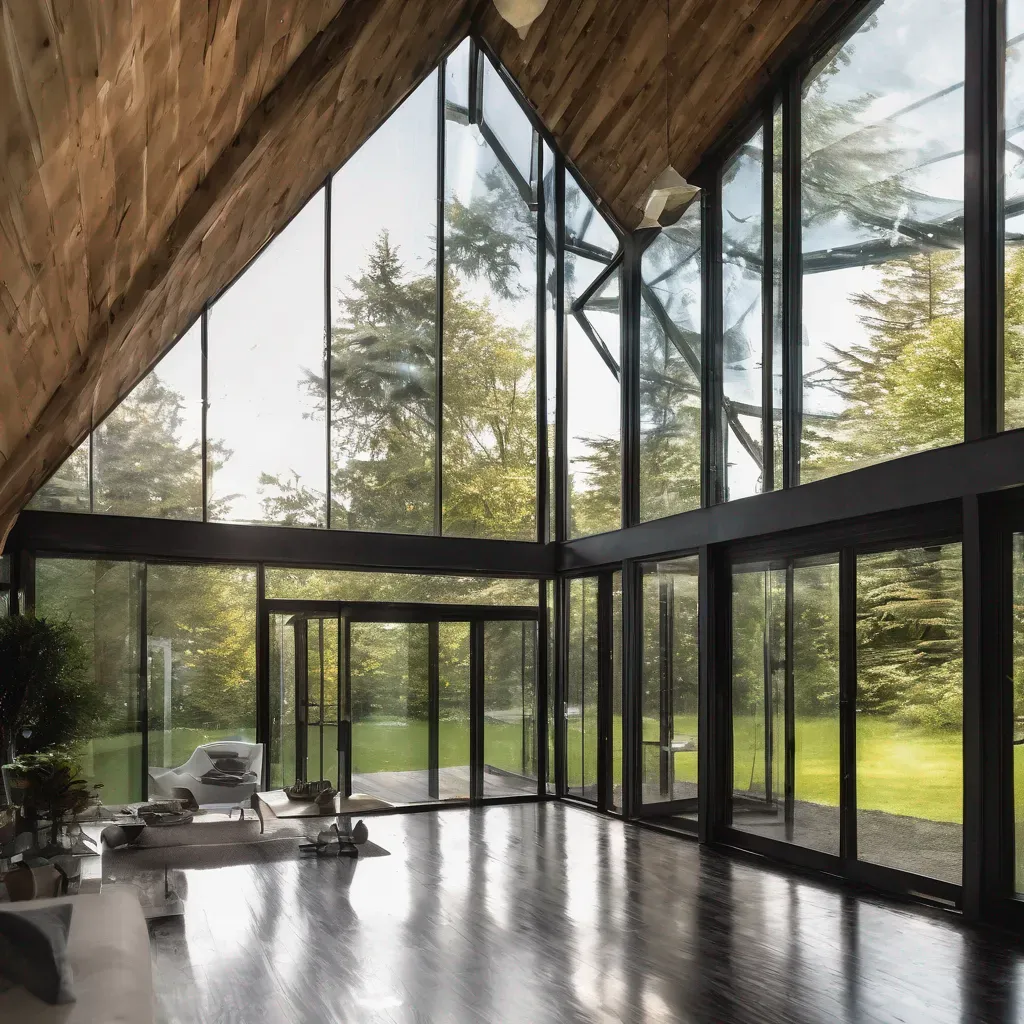
Tempered glass homes are architectural marvels that beautifully blur the lines between interior design and outdoor surroundings. With their sleek finish and artistic appeal, they are not just functional but sculptural masterpieces. However, these all-glass sanctuaries often face one common challenge: heat. Excessive heat can not only make the space uncomfortable but can also affect energy efficiency and cause wear on furnishings. So, how do you maintain the elegance of a tempered glass house while keeping it cool during sunny months? Let’s dive into the best, most efficient ways to reduce heat in a tempered glass house.
1. Install Solar Window Films
Solar window films are a brilliant solution for reducing heat while maintaining the visual transparency of your glass walls. These films are thin, transparent sheets applied directly to the glass surface, designed to block UV rays and minimize heat transfer. They come in various opacities and colors, allowing you to add an artistic touch while keeping interiors cool.
What makes this option attractive for tempered glass houses is that it saves on energy bills; these films reflect a significant proportion of solar energy, reducing your dependence on air conditioning. To maintain the aesthetics of your house, consider films with gradients or decorative patterns, which align with the modern art and glass design trends.
2. Incorporate Smart Glass Technology
For a cutting-edge solution, smart glass technology is transformative. Also known as “switchable glass,” this type of tempered glass can change its transparency at the click of a button, going from clear to frosted. During intense sunlight, the glass can become opaque, significantly reducing heat gain without compromising the sleek look of the structure.
Although a more expensive investment upfront, the integration of smart glass is a perfect fusion of art and technology that’s well-suited to modern architectural designs. As it blocks out light and heat on demand, it also enhances energy efficiency, making your tempered glass home more sustainable in the long run.
3. Introduce Exterior Shading Solutions
Exterior shading systems like motorized blinds, louvers, or even pergolas can provide stylish heat-reduction options for your home. Fixed or adjustable louvers, for example, can act as a decorative design element while strategically blocking sunlight during peak hours. These functional yet artistic shading structures seamlessly complement the sleek design of tempered glass homes, ensuring an appealing balance of light and shadow.
For a touch of creativity, you can work with custom-cut patterns that reflect your aesthetic preferences, adding another layer of personalization to your all-glass design. Whether it’s minimalist or nature-inspired motifs, external shades can enhance the artistic spirit of your glass home while significantly reducing the internal heat load.
4. Use High-Performance Curtains or Blinds
Contrary to popular belief, interior design elements like curtains or blinds can play an essential role in reducing heat without compromising on style. Opt for thermal or reflective blinds, which are specifically designed to block heat from entering your home. Lightweight, heat-resistant draperies or roller blinds with artistic patterns can accentuate the décor of your interiors while acting as a barrier to incoming heat.
When choosing soft window treatments, consider custom prints and textures that resonate with your home’s design theme—be it modern, minimalist, or geometric. Working these elements into your living space seamlessly merges functionality with artistic design.
5. Incorporate Vegetation and Green Walls
Vegetation is one of the most sustainable ways to reduce heat and enhance the beauty of any space. Tempered glass homes provide an excellent opportunity to incorporate lush greenery, whether through strategically planted trees, vertical gardens, or climbing plants around the glass walls. Green roofs or rooftop gardens are also highly effective for preventing excessive heat buildup.
The presence of greenery not only cools down incoming air but also blends organic textures with the contemporary feel of artful glass architecture. Plants soften the starkness of minimalist design while offsetting heat absorption by reflecting sunlight naturally.
6. Leverage Low-E Glass Coatings
Low-E (low emissivity) glass is an excellent option for anyone building or retrofitting a tempered glass house. This coating works by reflecting infrared and UV light while allowing visible sunlight to pass through, which means your home gets natural light without the associated heat.
For homes that celebrate the artistry of glass and its interplay with light, Low-E coatings are a must-have. These coatings prevent furniture and artwork indoors from fading while ensuring the house stays cool even during peak summer months.
7. Optimize Cross Ventilation and Air Flow
While tempered glass homes can sometimes feel like sealed structures, creating intuitive ventilation points can work wonders. Architectural models that include sliding glass doors, strategically placed vents, or skylights allow natural airflow to circulate, reducing the need for artificial cooling.
If your home doubles as a haven for art collections, consider this an opportunity to use strategically designed openings to let fresh air in without overexposing delicate artwork to direct heat or sunlight. Proper ventilation keeps the space breathable, adding comfort and a bit of raw tactility to the mix.
8. Apply Exterior Paints and Coatings to Reflect Heat
Exterior coatings are another smart and efficient strategy for managing temperature in tempered glass homes. These specialized reflective coatings are formulated to deflect solar heat, significantly cutting down the amount of heat that enters through your glass walls or roof.
Some coatings even come in decorative finishes, adding a unique flair to your home’s design. From pearlescent whites to subtle metallic sheens, these coatings not only improve heat management but elevate the artistic appeal of your home’s exterior.
Final Thoughts
Owning a tempered glass house combines the sophistication of modern architecture with the deep appreciation of art and glass. Yet, managing heat in such homes can be challenging. By incorporating solutions like solar window films, smart glass, external shading, and green walls, you can create a home that’s comfortable, energy-efficient, and visually stunning.
For those interested in taking home design to the next level, platforms like Glassy offer innovative ideas and products tailored to glass architecture. If you’re considering tailored solutions or need inspiration, be sure to explore their curated offerings! Whether you’re driven by functionality or artistic ambition, these strategies will make your tempered glass house a true oasis of contemporary living.
For more inspiration and ideas on managing glass heat while championing artistic design elements, visit Glassy. Discover how the interplay of form, function, and art can redefine your living environment!
By blending sustainable practices with clever artistic touches, you can ensure your glass home offers the perfect balance of style, comfort, and energy efficiency all year round.Best Ways to Reduce Heat in a Tempered Glass House
Tempered glass houses, with their stunning aesthetics and ability to merge seamlessly with the natural world, are becoming increasingly popular in modern architecture and interior design. These sleek, durable structures made from tempered glass balance the worlds of art and architecture, turning ordinary living spaces into light-filled masterpieces. However, their tendency to trap heat—especially during warmer months—can make them uncomfortable if not managed properly.
If you have a tempered glass house or are planning to build one, finding innovative and functional ways to regulate indoor temperature is key. In this article, we’ll explore some of the best ways to reduce heat in a tempered glass house while retaining its elegance and charm.
Why Does a Tempered Glass House Retain Heat?
Before diving into ways to cool down your glass house, let’s examine why these homes tend to trap heat. Tempered glass provides strength and safety, but its transparent nature can make it prone to absorbing and retaining sunlight. While this is ideal for creating bright, inviting spaces, the same transparency can also turn the structure into a greenhouse, increasing indoor temperatures. Fortunately, there are numerous creative and energy-efficient solutions to combat this issue without compromising on your home’s aesthetic appeal.
1. Use Solar-Control Window Film
Investing in solar-control or reflective window film is one of the most effective ways to minimize heat without losing the artistic appeal of your glass interiors. These films are designed to block harmful UV rays and reduce solar heat gain while allowing natural light to enter your home. The films can also prevent potential fading or damage to furniture and artworks inside your home – an important consideration if your tempered glass house doubles as an art sanctuary.
Solar films come in various finishes, including neutral options that maintain the minimalist appeal often associated with glass architecture. It’s a simple, budget-friendly solution to reduce heat and ensure your home remains a comfortable living space year-round.
2. Install Smart Blinds or Curtains
Sometimes, the fusion of art and technology can work wonders for a tempered glass house. Smart blinds or motorized curtains offer an elegant option for temperature control. These can be programmed to open or close during specific times of the day, preventing direct sunlight from overheating your home while providing privacy when needed.
For homeowners drawn to artistic interiors, curtains or blinds can also serve as an opportunity to infuse creativity. Add a touch of stained glass-inspired designs or opt for earthy patterns that complement the surrounding natural scenery. This mix of technology and design creates both functionality and beauty.
3. Incorporate External Shading Solutions
External shading solutions, such as awnings, pergolas, or exterior shutters, can add a dramatic visual appeal while significantly cutting down on heat gain. These elements act like sculptural roof extensions or artistic frames that shield your glass surfaces from harsh sunlight.
You can opt for materials like bamboo screens, which align with a more organic design, or metal slats for a modern, industrial vibe. By pairing your glass house with aesthetically pleasing shading solutions, you can transform it into a work of art while maintaining its energy efficiency.
4. Utilize Low-Emissivity (Low-E) Glass
Tempered glass homes often incorporate innovative glass types to enhance performance. If you’re still in the construction or renovation stage, consider installing low-emissivity (Low-E) glass. This advanced glass type is treated with coatings that reflect a significant portion of infrared and ultraviolet light, preventing excess heat from entering your home.
What’s great about Low-E glass is that it does not compromise clarity or light transmission, so you can enjoy breathtaking views and creative architectural features without worrying about excessive glare or heat.
5. Landscape Design and Green Roofs
One of the most artistic yet natural ways to reduce heat in a glass house is through thoughtful landscaping. Planting trees, shrubs, or climbing plants like ivy around your home can create a natural canopy, absorbing heat and reducing sunlight exposure. This softens the visual environment while improving air quality.
For a more striking project, a green roof covered with vegetation can act as an insulating layer, reducing heat gain inside your home. These eco-friendly designs not only provide comfort but also showcase a harmonious blend of art, nature, and architecture.
6. Use Natural Ventilation and Cross Breezes
Another timeless solution for reducing heat is designing your home with effective cross-ventilation in mind. Incorporating louver windows, sliding glass panels, or ventilated skylights can create pathways for natural air circulation, allowing cool breezes to replace stale, warm air.
Combining tempered glass with louver windows is a striking way to keep your home airy and well-ventilated while maintaining an elegant, open aesthetic.
7. Add Solar Panels to Power Cooling Systems
Solar panels are an eco-friendly way to actively regulate temperature in a tempered glass house. By generating electricity to power cooling systems, they not only reduce your dependency on traditional energy sources but also offset some of the heat that sunlight transfers to the glass structure.
Solar panels can also be a bold addition to the exterior of your home, enhancing its modern visual appeal while acting as a functional energy solution.
Embracing Artistic Functionality
While tempered glass houses are often synonymous with cutting-edge architectural beauty, practical considerations such as heat reduction are vital to making them livable. By integrating artistic designs, modern technology, and energy-efficient solutions, homeowners can strike a perfect balance between aesthetic and comfort.
From installing solar-control films to implementing landscaping techniques and exploring advanced glass types, these thoughtful adjustments highlight how design and functionality can coexist beautifully in glass architecture. If you’re inspired to discover more about glass innovations for your home, don’t forget to explore expertly crafted solutions and design inspiration at Glassy.
Tempered glass homes may have their challenges, but with these methods, they can become sanctuaries of light, art, and comfort. Whether you’re a homeowner, an architect, or simply an admirer of modern spaces, these tips will guide you to create a living space that’s as delightful as it is functional. Learn more about integrating glass into your artistic spaces with Glassy today.