
Technology
How Decorative Glass is Made: Step-by-Step Guide
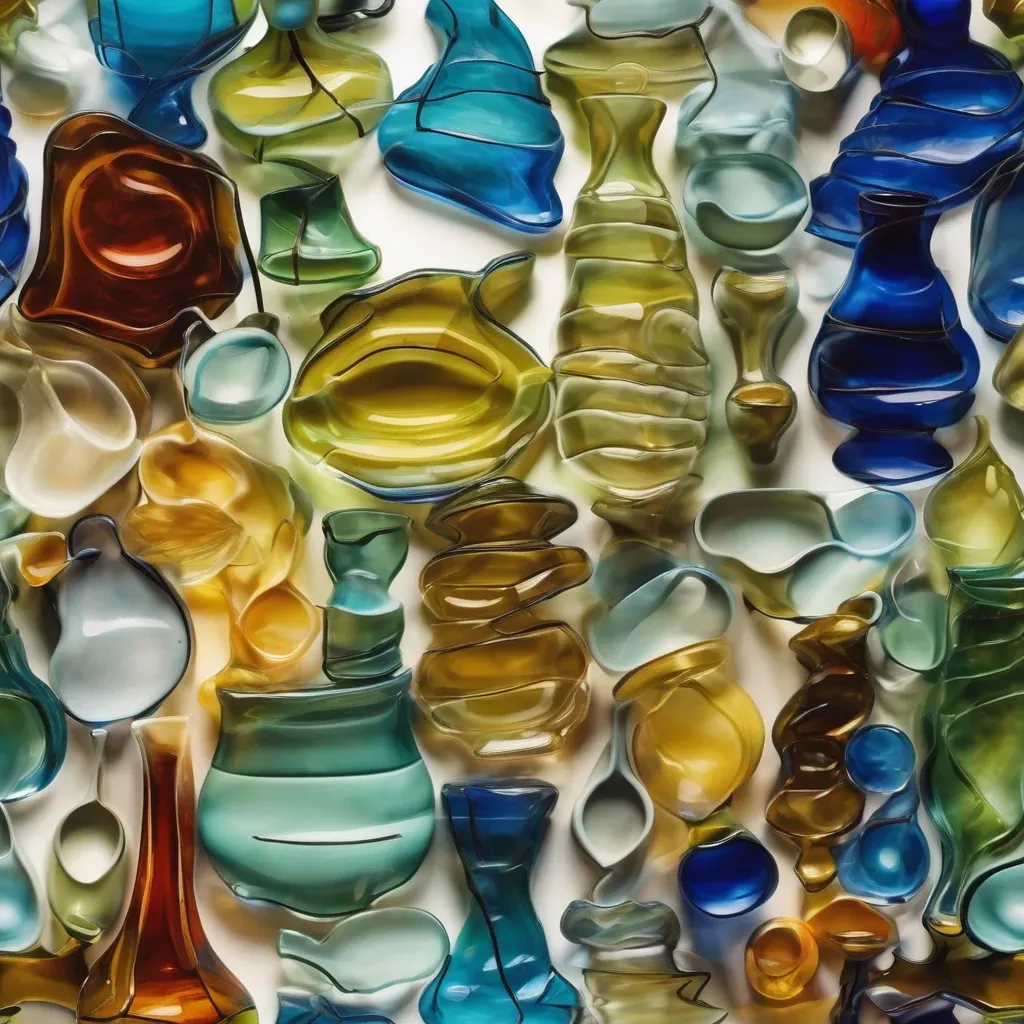
How Decorative Glass is Made: A Step-by-Step Guide
Decorative glass has been captivating artists, architects, and interior designers for centuries, offering a blend of utility and artistic expression. From the colorful stained glass windows of Gothic cathedrals to modern minimalist etched glass panels, the art of creating decorative glass is both fascinating and deeply rewarding. But how exactly is decorative glass made? This guide delves into the intricate process of crafting decorative glass, shining a light on the artistry, precision, and innovation behind this centuries-old craft.
The Evolution of Decorative Glass
Before diving into the step-by-step process, it’s essential to appreciate the legacy of decorative glass in architectural design and aesthetics. Early examples, such as Roman cameo glass or Islamic painted glass, reflect advanced techniques for their time. Today, we see the evolution of these methods in modern decorative innovations like frosted glass, fused glass art, and sandblasted designs. With both tradition and technology at play, decorative glass continues to inspire.
Now, let’s explore exactly how it’s made.
Step 1: Selecting the Right Type of Glass Material
The creation of decorative glass begins with selecting the base material. Standard clear, float, or extra-clear glasses are often used as the foundation. Depending on the design, specialty glasses like lamination-ready sheets or tinted versions might also be employed. Each type of glass provides unique applications:
- Clear Float Glass: Ideal for clean and elegant designs.
- Etchable Glass: Often used in sandblasting and acid etching for intricate patterns.
- Tempered Glass: Necessary for pieces requiring durability and safety.
The choice of material defines the practical and artistic possibilities of the final product.
Step 2: Designing the Artwork
Much like creating a masterpiece on canvas, decorative glass design begins with thoughtful planning and creativity. Artists or designers create sketches or digital templates containing the desired patterns, textures, or imagery. Techniques from traditional freehand design to high-precision computer-assisted software (CAD) are used to ensure perfection in execution.
One trending aspect of decorative glass is integrating elements of Art & Glass, where creativity and craftsmanship converge to produce visually striking pieces. For example, abstract glass sculptures or glass partitions featuring nature-inspired motifs reflect this synergy.
Step 3: Cutting and Shaping the Glass
Once the design is finalized, the glass is cut and shaped to match the planned dimensions. Advanced tools like diamond cutters or CNC (computer numerical control) machines provide accuracy, especially for complex or irregular shapes. This step requires precision—any flaws can compromise the glass’s structure or design.
For layered or fused projects, multiple sheets of glass are often cut at this stage to ensure consistency in the final design.
Step 4: Decorative Processes (Etching, Sandblasting, or Fusing Glass)
This is where raw glass begins its transformation into a work of art. Depending on the design, several techniques come into play:
- Etching: Acid etching creates patterns or textures by applying an acid-resistant stencil to the glass before exposing it to acidic compounds.
- Sandblasting: Tiny grains of sand are propelled onto the glass surface, etching away at areas and creating frosted or opaque designs.
- Fused Glass Art: Multiple layers of glass are heated in a kiln, fusing them together to create colorful, layered patterns.
- Staining and Coloring: Using metallic salts or dyes, artisans can add vibrant or muted colors to the glass, making it radiate in natural light.
- Beveling: Edges of the glass are polished or angled to create a prismatic effect that enhances the light and aesthetic appeal.
These processes exemplify the marriage of science and artistry embedded in decorative glass work.
Step 5: Heat Treatment for Durability
After the decorative enhancements, the glass is tempered or heat-treated if the design requires added durability. This involves heating the glass to extremely high temperatures (usually around 600°C) before cooling it rapidly. This process creates a strengthened glass that is both robust and resistant to shattering.
For projects like mirrors, interior panels, or architectural glazing, this step ensures that functionality complements beauty.
Step 6: Finishing Touches
The final stage focuses on polishing, cleaning, and framing the decorative glass. Any remaining sharp edges are smoothed out, and the glass is meticulously cleaned to remove fingerprints, dust, or particles that may have accumulated during production.
Depending on the desired application, the glass may be framed in wood or metal, mounted onto a structure, or integrated into furniture, windows, or doors.
Applications of Decorative Glass
Decorative glass has an almost endless range of applications. Here are just a few ways it’s utilized:
- Home Interiors: Think frosted glass shower doors, stained glass partitions, or etched glass tabletops.
- Architectural Elements: Large glass panels, skylights, and exterior glazing infused with decorative elements elevate buildings into works of art.
- Wall Art & Sculptures: Fused glass art pieces are celebrated for their ability to make walls pop with texture and vibrancy.
- Retail and Commercial Spaces: Sandblasted or etched logos are commonly used in glass doors and windows of shops and corporate offices.
Discover more stunning options for decorative glass applications by visiting Glassy for inspiration and ideas.
Why Decorative Glass Resonates with Artists and Designers
The allure of decorative glass lies in its ability to manipulate light and space. Whether it scatters sunlight in a kaleidoscope of colors or creates refined accents through textured designs, decorative glass embodies a timeless form of self-expression.
For admirers of Art & Glass, the process of crafting these pieces provides insight into the genius at work behind luminous creations. Decorative glass, with its combination of functionality and beauty, has earned its place as a staple in architectural and interior design.
Interested in exploring or commissioning decorative glass for your next project? Visit Glassy to see how your imagination can be brought to life with expert craftsmanship.
In the arena of art and design, few materials offer as much versatility as glass. From traditional methods to cutting-edge techniques, the process of creating decorative glass reflects human ingenuity and artistic brilliance. Whether you’re an artist, designer, or homeowner, understanding the craft behind decorative glass deepens your appreciation for its enduring impact on art and architecture.# How Decorative Glass is Made: A Step-by-Step Guide
Decorative glass is more than just a functional material; it is an artistic medium that transforms ordinary spaces into shimmering works of art. Its versatility makes it a favorite in interior design, architecture, and fine art, where its unique ability to play with light, color, and texture can elevate any environment. But have you ever wondered about the meticulous craftsmanship behind decorative glass? This guide provides a step-by-step process that reveals how skilled artisans create this mesmerizing material while exploring its applications in art and design.
Step 1: The Foundation – Creating the Base Glass
The journey of decorative glass begins with the creation of the base glass, often referred to as “float glass.” This involves melting raw materials such as silica sand, soda ash, and limestone at temperatures exceeding 1,700°C. Once liquefied, the molten glass is poured onto a bath of molten tin to create a smooth, uniform surface.
At this stage, the glass is clear, featureless, and awaiting transformation. While float glass serves as the blank canvas, decorative flourishes come later through various finishing techniques designed to bring out its artistic potential.
Step 2: Design Conceptualization and Planning
Decorative glass production is as much about art as it is about craftsmanship. Before any customization begins, artisans work closely with designers to plan the aesthetic and functional aspects of the glass. Patterns, textures, and colors are often inspired by nature, architecture, or personal stories.
Modern technology like CAD (Computer-Aided Design) software allows precise visualization of the design while ensuring feasibility for production. Whether the aim is to create a vibrant stained glass window, textured room divider, or etched glass panel, the design process is integral for harmonizing form and function.
Step 3: Adding Color – Staining and Tinting
Color is one of the most defining characteristics of decorative glass. To add color, artisans may incorporate metal salts or oxides into the molten glass. For instance, cobalt oxide creates stunning blue hues, while iron oxide produces green tones.
Another popular method is surface staining, which involves applying stained pigments onto clear glass and then firing it in a kiln. This method adds rich, permanent shades to the surface, creating depth and visual intrigue.
Step 4: Texturing and Shaping
Once the glass base is prepared and colored (if desired), it’s time to give it its unique texture or shape. This is achieved through a variety of techniques that allow endless creative expression:
- Etching: Also known as sandblasting, this technique uses fine-grain abrasive materials to carve patterns into the surface of the glass. Etched glass offers a modern, frosted appearance that is perfect for privacy walls, office partitions, or minimalist home décor.
- Cutting and Engraving: These methods involve creating intricate designs using precision tools. Artisans often carve floral motifs, geometric patterns, or custom designs, giving the glass a timeless artisanal appeal.
- Molding and Slumping: In this process, heated glass is reshaped using molds to produce 3D effects or bent forms. This is popular for creating curved glass tabletops, decorative bowls, or unique architectural elements.
Each of these techniques adds a layer of artistry that transforms the functionality of glass into a bespoke design element.
Step 5: Firing and Annealing
Once the glass is textured, shaped, or engraved, it undergoes firing in a kiln. Firing not only sets colors and patterns but also strengthens the glass. After firing, the glass is cooled slowly through a process called annealing. This gradual cooling helps relieve internal stresses, preventing cracks or breakage.
The firing process also allows artisans to experiment with “kiln-fused glass,” where layers of compatible glass are stacked and melted together to create stunning, multi-dimensional designs. This is a favored technique in fine art glassmaking.
Step 6: Special Coatings and Finishes
To further enhance the durability or aesthetic of decorative glass, artisans may apply special finishes. Reflective coatings, anti-glare films, or eco-friendly UV-protective materials add both functional and artistic value. For a contemporary touch, textured laminated glass—with embedded fabrics, leaves, or metallic foils—offers a modern twist on traditional craftsmanship.
Step 7: Polishing and Assembly
The final stages of decorative glass production focus on refining the piece. A thorough polishing ensures the surface is smooth to the touch while enhancing its natural luster. If the decorative glass is part of a larger installation—such as a stained glass window or a glass sculpture—assembly and framing are meticulously executed to bring the vision to life.
Applications of Decorative Glass: Art Meets Functionality
Decorative glass plays a pivotal role in bridging the gap between art and functionality. In architecture, it is celebrated for its ability to create eye-catching façades, statement-making balustrades, and light-enhancing partitions. In interior design, glass elements such as custom mirrors, backlit panels, or frosted doors contribute to creating visually striking yet practical spaces.
For art lovers, decorative glass holds sentimental value as one-of-a-kind masterpieces—whether displayed as standalone sculptures or intricate artworks. Meanwhile, in public spaces, decorative glass installations often evoke a sense of wonder, transforming otherwise mundane areas into galleries of creativity.
Conclusion: Transforming Glass into Art
Creating decorative glass requires equal parts technical expertise and artistic vision. From melting raw materials to designing, firing,