
Technology
Fluted Glass: The Ribbed Elegance Shaping Indian Design
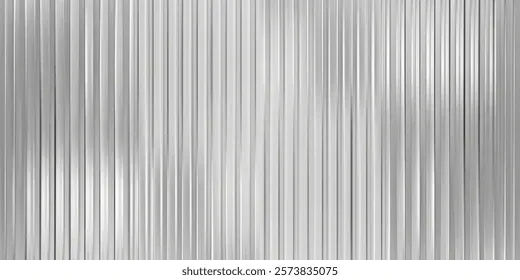
If you’ve scrolled design feeds lately, you’ve likely seen it – those chic, vertically ribbed glass panels turning ordinary doors and cabinets into trendy showpieces. That’s fluted glass making waves. Marrying retro charm with modern minimalism, fluted glass is the material of the moment in Indian architecture and interiors. It diffuses light, adds texture, and keeps things classy (and a bit mysterious) behind that ribbed façade. In this post, we’ll break down everything about fluted glass – what it is (and isn’t), how it’s made, whether it can be toughened up for safety, who’s making it in India, and how it compares in cost to plain float glass. We’ll even drop some pro tips on using this glass stylishly and smartly. Read on for a design-savvy, technical-yet-fresh guide to fluted glass – the “ribbed” glass trend that’s here to stay.
What Exactly is Fluted Glass?
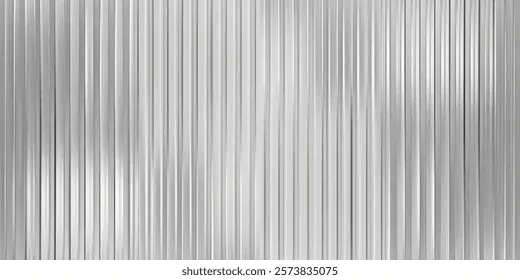
Fluted glass – also called reeded or ribbed glass – is a type of textured architectural glass identifiable by its vertical grooves running down one side. One face of the glass is smooth, while the other has continuous “flutes” (ridges) that create a striped, relief pattern. These parallel grooves lend the glass a distinctive look and a special function: they scatter and diffuse light, providing a soft glow and privacy at the same time. In plain speak, fluted glass blurs whatever is behind it, so you get light coming through without a clear view – perfect when you want a space to feel open yet discreet.
Figure: A fluted glass pantry door used in a modern kitchen interior. The vertical ribbed texture obscures the pantry contents while still letting light through, illustrating how fluted glass balances privacy with openness. Designers love how it adds visual rhythm and a retro-chic vibe to otherwise plain glass surfaces.
Despite its patterned appearance, fluted glass isn’t a film or coating applied on glass – it’s the glass itself that’s formed with grooves. In other words, the “fluted” effect is achieved by shaping the glass, not by adding an extra layer. Unlike, say, reflective or Low-E coated glass (which has a metal-oxide coating on the surface), fluted glass’s diffused look comes purely from its physical texture. That means the glass is not inherently tinted or reflective (unless made so). You can however find fluted glass in a variety of finishes – clear or extra-clear (low-iron) for maximum clarity, tinted in bronze/gray/green tones, or even with a frosted/etched surface for additional opacity. But those are options – at its core, fluted glass is simply patterned glass with ribs, usually made from standard clear glass. So, think of fluting as an intrinsic design, not a spray-on coating.
How Fluted Glass is Made (vs. Float Glass)
To understand fluted glass, it helps to know a bit about its origin. Float glass (the regular flat glass we see everywhere) is the starting point for most architectural glass. In fact, float glass forms the base material for all sorts of processed glass – from toughened safety glass to frosted and textured types. It’s made by floating molten glass on a tin bath to produce large, flat sheets with smooth surfaces.
Fluted glass, on the other hand, is a form of patterned glass – made not by the float-on-tin method, but by rolling or pressing the glass to imprint a texture. In the factory, semi-molten glass is passed between metal rollers engraved with the flute pattern to create those straight grooves. Essentially, as the hot glass ribbon comes out of the furnace, it’s squeezed through a roller press that stamps in the vertical ridges (like a giant rolling pin embossing a pattern). The result is a continuous sheet with one side ridged and the other side flat. This sheet then goes through an annealing lehr (a controlled cooling tunnel) to gradually cool down and relieve internal stresses. Once cooled (annealed), the fluted glass can be cut into panels as needed.
In simple terms: regular float glass comes out flat, whereas fluted glass comes out of production with grooves “baked in” by a rolling process. Other than that textural difference, it’s the same glass material. Standard fluted glass is annealed (normal, not tempered) when initially produced, meaning it will break into sharp shards if shattered – so on its own it’s not a safety glass. However, as we’ll cover next, fluted glass can go through further processing like tempering or lamination to make it stronger and safer, just like float glass can.
And yes – fluted glass is considered a processed glass, since it’s not just cut straight from a float line; it undergoes an extra forming step to give it that pattern. The industry often calls these “value-added” or decorative glass products. In practice, you’ll find fluted glass offered in typical thicknesses (commonly ~5mm, 6mm, 8mm, 10mm) similar to regular glass – only with grooves on one face. Those grooves can vary in spacing and depth too, giving either a narrow reeded look or a wider flute, depending on the design. So designers have options: tight skinny ribs for a subtle texture, or broader flutes for a bolder statement.
Can Fluted Glass be Tempered or Laminated?
Absolutely – fluted glass can be made into safety glass by tempering or laminating, just like normal float glass. If you’re specifying fluted glass for doors, partitions, facades or any application that calls for safety glazing, you’re in luck: it’s quite doable to get fluted panels that are toughened or laminated for strength. In fact, most suppliers offer this as a standard option today.
- Tempering (Toughening): Fluted glass panels can be heat-treated (tempered) to increase their strength manyfold. The tempering process involves reheating the cut glass panel to around 620–650°C and then rapidly cooling it. This creates internal stresses that make the glass about 4–5 times stronger than ordinary annealed glass, and causes it to crumble into harmless pieces if broken, rather than sharp shards. The good news is that the presence of flutes doesn’t prevent tempering – glass processors simply have to ensure the glass is cut to the required size and edges finished before tempering (since you can’t cut or drill it afterward, as with any tempered glass). Many fabricators in India routinely temper fluted glass for use in partitions, shower enclosures, doors, etc. For example, one Gandhinagar-based manufacturer advertises that their fluted glass “can be toughened (tempered) or laminated for safety” in standard thicknesses. And processors like Neelkamal Tuff in Jaipur specifically supply heat-treated fluted glass panels that are durable and safe for high-end projects. So, tempered fluted glass is a thing – you get the elegant texture plus the strength to withstand impacts or thermal stress.
- Laminating: Fluted glass can also be laminated, meaning two sheets of glass are bonded together with a plastic interlayer (typically PVB or EVA). A common approach is to laminate a fluted sheet to a plain glass sheet, or even two fluted sheets back-to-back (though that would sandwich the grooves inside). Lamination adds safety (the glass pieces stick to the interlayer if shattered) and can enhance acoustic insulation. It’s a popular choice if you want the added heft and sound dampening, or need to meet safety codes without tempering. Laminated fluted glass is available from various suppliers – for instance, some fluted glass may come as two layers of fluted/clear glass with a transparent interlayer, offering greater strength and sound insulation (albeit at higher cost). The laminated option is especially useful for exterior applications of fluted glass, like in facades or windows, where you might sandwich a fluted pane with a clear pane for a double-glazed unit or for security. Keep in mind, lamination will slightly blur the fluted effect if the interlayer is translucent, but generally clear PVB maintains the look.
In short, you can definitely get fluted glass in safety form. Tempered fluted glass will have the same break-safe crumb structure as any toughened glass, and laminated fluted glass will hold together when cracked. Many projects actually combine both: e.g. using a tempered & laminated fluted glass for maximum safety (this would be a fluted glass panel that’s first tempered, then laminated as one of the layers in a laminate assembly – often done for things like balustrades or storefronts). Saint-Gobain, for example, offers their patterned glasses in different quality grades, including ones specifically suitable for tempering and laminating, which indicates that producing toughened or laminated fluted glass is an established practice.
One thing to note during processing: because fluted glass has a “direction” (the grooves), fabricators pay extra attention to alignment and orientation. If multiple panels will be adjacent, you want the flutes to line up and face the same way. It’s recommended that all fluted panes be installed in the same orientation to maintain a uniform look, and that during cutting, pattern continuity is considered so the ribs flow nicely across joints. So, if you’re ordering tempered fluted glass, make sure your supplier understands which way the pattern should run and marks the glass accordingly.
Who Manufactures Fluted Glass in India?
Fluted glass might have a high-design aura, but it’s widely available in India now thanks to both major glass companies and local suppliers. In the past, architects might import special patterned glass – today you can source fluted glass from multiple domestic manufacturers and processors:
- Saint-Gobain India: The global glass giant produces patterned glass (branded as lines like “Decorglass” or specific designs such as Visiosun which is a fluted pattern) and supplies them in the Indian market. Saint-Gobain’s patterned range uses the rolling process to imprint textures and is used for achieving that balance of privacy and light. Their fluted glass design features parallel lines (essentially the classic reeded look) and can be installed vertically or horizontally for different effects. As one of India’s top float glass producers, Saint-Gobain ensures these patterned sheets are available through their distributors. You can think of them as a primary manufacturer of the raw fluted glass which local vendors can then cut and toughen as needed.
- Asahi India Glass (AIS): AIS is India’s leading glass company by volume, known for everything from car windshields to building glass. While AIS’s official product lists highlight things like frosted glass (AIS Krystal) and decorative lacquered glass, they too cater to the demand for textured glasses like fluted. They have the capability to make or source patterned glass and often supply to projects via their network. In their educational content, AIS notes that processed glass can include applied textures and patterns created with special tools or molds – which is essentially how fluted glass is made. So, AIS (and its AIS Glasxperts division) is a go-to for architects looking for high-quality fluted glass panels, even if not explicitly branded on their site.
- Gold Plus Glass Industry: This is a fully Indian-owned float glass manufacturer (with plants in Uttarakhand) that has been expanding into value-added products. Gold Plus explicitly lists Fluted Glass in its product portfolio of “processed glass solutions”. They market a “Mozaic” range of patterned glass, which presumably includes ribbed designs. As a major supplier, Gold Plus offers fluted glass in various thicknesses (typically 4mm up to 10mm) and supports tempering/laminating via their processing units. If you want Made in India fluted glass, Gold Plus is literally waving the flag – their motto is “Apna Desh, Apna Glass” and they’ve included trendy textures to meet local design demands.
- Gujarat Guardian (ModiGuard): Another big name, this is a joint venture with Guardian Glass (USA). They are primarily known for clear float and coated glass, but as one of the top glass makers in India, they distribute patterned glasses as well. In the past, Guardian’s patterned glass (like certain “reeded” patterns common internationally) have been sold in India under local branding. So ModiGuard dealers can typically procure fluted glass for you. They might not manufacture the pattern in-house (some patterns are imported from Guardian’s lines abroad), but it’s available through their channels.
- Local Glass Processors: Beyond the float manufacturers, India has a robust network of glass processing companies and fabricators that supply fluted glass to end customers. These include regional players in all major cities – for example, Fusion Glass Concepts in Mumbai, Ram Interior Glasses in Delhi, Krishna Tuff in Gujarat, Neelkamal Tuff in Jaipur, and many more. Such vendors often import annealed fluted glass sheets (if not sourced from an Indian float plant) and then cut, temper, polish and install as needed. They offer different flute styles – you can find narrow reeded or wide-fluted variants to suit the design vision. Essentially, any good architectural glass supplier in India now either stocks fluted glass or can source it quickly, given how popular it’s become.
As a designer or builder, the key takeaway is that fluted glass is not hard to get. All the big glass brands have jumped on the bandwagon to meet demand, and the supply chain has caught up. When specifying, just ensure you ask for fluted (ribbed) glass and mention any preferences (clear vs tinted, flute width, etc.). Chances are your regular glass vendor will say “Yes, we have that.” Many will also offer to cut to size and toughen/laminate it, delivering ready-to-install panels. As always, go with a reputable supplier so you get good quality (well-cast grooves without waviness, no bubbles or distortions, etc.) – but by and large, fluted glass today is produced to high standards of clarity and finish by the top manufacturers.
How Much Does Fluted Glass Cost? (Float Glass vs Fluted)
It’s no secret that specialty glasses cost more than plain clear glass. Fluted glass, with its added manufacturing steps and visual appeal, does come at a premium over clear float glass of the same thickness. Why the higher cost? The manufacturing yield for patterned glass can be lower (since it’s a specialized production run), and handling textured sheets is a bit more labor-intensive (especially if they need to be tempered or laminated, there’s careful orientation and sometimes more wastage in cutting to align patterns). Also, demand is high but volumes are still catching up.
We deliberately don’t print per-square-foot rates in articles – glass prices move with brand, thickness, finish, city and order size, and printed numbers go stale fast. For current indicative rates for float glass and processed glass, see our regularly updated glass price guide, and always confirm with a written quotation that spells out whether toughening or lamination is included.
Is it worth it? For many designers, yes – the visual impact of fluted glass can be transformative, and glass is generally a small fraction of a project budget, so an upgrade on feature elements is often easy to justify. Still, if you’re on a tight budget but love the look, use fluted glass strategically (in feature areas rather than everywhere). There are even fluted acrylic panels and window films that mimic the look at lower cost, but nothing beats the real glass in terms of finish and durability.
Bottom line: You will pay more for flutes – but you’re getting both aesthetics and function (light diffusion & privacy) in return. And because fluted glass often becomes the wow factor of a space, many feel it earns its keep. Just plan for it in your cost estimates so there are no surprises to clients or contractors, and remember that safety processing (tempering or lamination) adds to the raw glass cost – always clarify what a quote includes.
Tips for Designing with Fluted Glass
Fluted glass hits that sweet spot between form and function – here are some insider tips to make the most of it in your designs:
- Mix Privacy with Openness: Use fluted glass where you want light to pass but don’t want a clear view. It’s brilliant for office partitions, conference room walls, restaurant separators, bathroom doors, kitchen cabinets, and pooja rooms. You get a glowing daylight effect without fully exposing the other side. For instance, fluted pantry or cabinet doors keep the clutter hidden but let the kitchen still feel bright and airy (no cave-like solid doors!).
- Orient the Flutes Intentionally: Decide early whether you want the grooves running vertically (most common) or horizontally for a different look. Vertical flutes accentuate height and have that classic reeded glass appearance. Horizontal flutes can be quirky and modern, widening the look of a space. Whatever you choose, keep consistency – all adjacent panels should have the ribs aligned in the same direction and position. During installation, make sure the textured side faces the intended direction (usually outward or toward the viewer’s side). Consistent orientation will give a seamless, uniform pattern across multiple panels.
- Frame it Right: Fluted glass pairs beautifully with certain frame materials. Black powder-coated steel frames or slim aluminum profiles give a cool industrial/New York loft vibe (a look designers often go for – fluted glass + black grid frame = instant chic). Warm wood frames, on the other hand, can lend a mid-century modern or Japandi touch, softening the linear texture of the glass. And minimalist u-channel fittings can make a fluted glass partition look almost frameless and ultra-sleek. So choose a frame that complements your design style – the glass will take on that character.
- Play with Light and Shadow: The ribbed surface of fluted glass isn’t just for looks – it actively interacts with light. You can create gorgeous shadow patterns as light passes through those grooves. Consider placing fluted glass where it can catch sunlight or interesting lighting. For example, on a façade or an interior feature wall, fluted panels will produce a dynamic play of light and shadow throughout the day. At night, up-lighting or side-lighting a fluted glass partition can create a dramatic, rhythmic glow. It’s an instant atmosphere hack – the texture does the decorative work for you.
- Combine with Other Finishes: Don’t be afraid to mix fluted glass with solid materials. A popular trend is using fluted glass alongside fluted wood or fluted laminate panels to echo the linear theme (just be sure to vary scale for contrast). Fluted glass inserts in cabinetry against matte wood or painted surfaces can be stunning. Also, think about color: you can get tinted fluted glass – a bronze or smoked grey fluted panel can look super luxe in a bar cabinet or as a divider, adding both color and texture in one go. Frosted fluted (fluted on one side, acid-etched on the other) is another combo that gives maximum privacy with a soft, diffuse look – great for shower screens if you want to totally blur the view.
- Mind the Maintenance: A practical tip – those grooves can collect dust and grime over time. In a home setting, vertical orientation helps as dust tends to fall out; still, you’ll want to periodically clean the flutes. The trick is to use a soft brush or cloth that reaches into the grooves. Many recommend a gentle wipe-down with mild soapy water or glass cleaner, making sure to get in between the ribs. Avoid abrasive scrubbing that could scratch the textured peaks. If used in a kitchen or bath, be mindful of soap scum or grease in the grooves – regular cleaning will keep it sparkling. The maintenance is not deal-breaking (people happily use fluted glass in showers and just squeegee or rinse it), but it’s worth noting so you can inform clients. Choosing flutes that aren’t super fine can also make cleaning easier (wider grooves are simpler to wipe along).
- Safety First: When using fluted glass in doors, low windows, railings, or anywhere someone might impact it, always specify it to be tempered or laminated (as discussed earlier). This is usually required by building codes anyway. So your spec would read something like “8mm toughened fluted glass” or “10mm laminated fluted glass” for those applications. This ensures the beautiful glass also meets safety standards. Fortunately, many Indian suppliers deliver fluted glass already toughened, but double-check. For exterior use, lamination is wise for security. And if using as part of an insulated glazing (double-glazed window), fluted glass can be one pane of the unit – just remember the grooves face the cavity or interior as appropriate.
With these tips in mind, you can confidently incorporate fluted glass into designs for that just-enough transparency look. It’s a material that invites creativity – modern or vintage, subtle or statement, it can do it all.
Conclusion: The Allure of the Flute (And How to Get Yours)
Fluted glass proves that some trends have true staying power. It’s actually a revival of a classic (hello, Art Deco and mid-century!), now embraced by Gen Z and veteran designers alike for its ability to add texture, elegance, and privacy in one swipe. In India, we’re seeing fluted glass in upscale offices, hip cafés, luxury homes and even compact apartments where a translucent divider can make spaces multi-functional without feeling cramped. Its versatility is key – fluted glass feels at home in a minimalist contemporary setting just as much as in a retro-inspired or industrial theme.
From a technical standpoint, fluted glass shows how innovative processing (rolling those patterns in) can elevate plain glass into something extraordinary. It’s a reminder that glass is not one-size-fits-all; it can be artfully crafted to play with light and create ambiance. And with the ability to temper, laminate, tint, or frost it, this material checks all the boxes for style and safety. Sure, it costs a bit more than your garden-variety window glass, but the visual payoff is immediate – it’s “functional decor” in the best sense.
If you’re excited to try fluted glass in your next project, get in touch with us at Glassy.in or explore our catalog of architectural glass options. We’re happy to guide you on choosing the right type (narrow vs wide flutes, clear vs tinted, safety treatments, you name it) to fit your design and budget. Whether it’s a feature partition that wows visitors or simply an upgraded cabinet door that makes you smile every time you reach for a cup, fluted glass can truly transform a space. Give your design that ribbed elegance and let the light in – all while keeping things stylishly under wraps. Ready to add some flute to your façade? Reach out to Glassy.in for expert advice and quality fluted glass solutions that will make your space shine (in a diffused, oh-so-chic way). Let’s glassify your world with the latest and greatest in architectural glass trends!