
Interior Design
Glass Shopfront Design Trends 2026: Frameless Systems & Retail Display Ideas
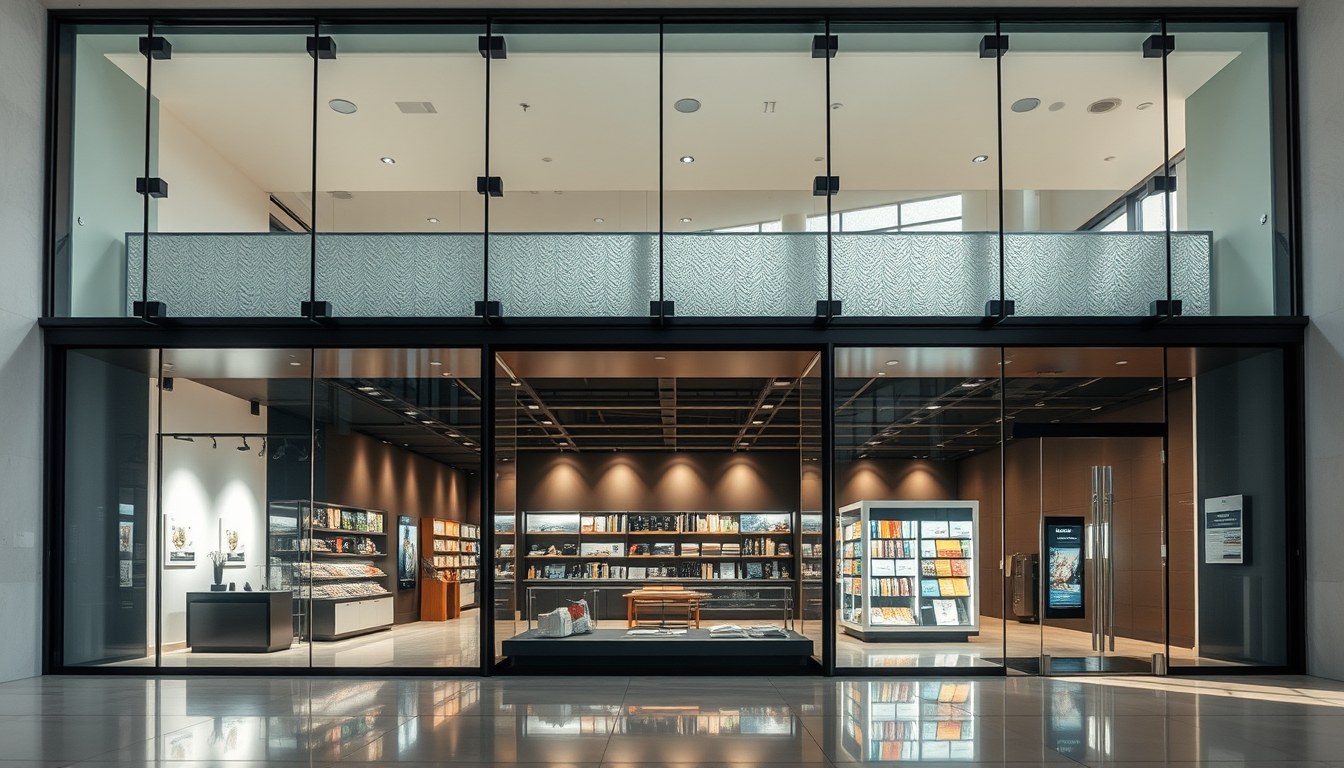
Frameless glass shopfronts have become the gold standard for modern retail design, offering unobstructed sightlines that draw customers in and showcase merchandise like never before. As Indian retail spaces evolve—from bustling Mumbai high streets to emerging shopping districts in Bangalore and Delhi—the demand for sophisticated, minimalist glass solutions continues to surge. This guide explores the latest 2026 shopfront trends, frameless system innovations, and practical merchandising strategies that help retailers maximize visual impact and foot traffic.
The Rise of Frameless Glass Shopfront Systems
Frameless glass shopfronts eliminate the visual clutter of traditional aluminum or steel frames, creating a seamless transition between the street and the retail interior. This design approach has moved from luxury brands to mainstream retail, driven by falling costs, improved manufacturing techniques, and proven ROI in foot traffic conversion. The clean aesthetic appeals to contemporary consumers and aligns with minimalist design philosophy that dominates global retail.
In Indian cities, frameless systems are particularly valuable because they maximize transparency in compact retail spaces. A 300 sq ft boutique in a Mumbai mall or Delhi shopping complex can appear twice as spacious when encased in frameless glass. The technology relies on structural glass panels (typically 10-12mm toughened glass), precision engineering, and specialized hardware that remains virtually invisible to passersby.
Key Advantages of Frameless Systems
- Unobstructed visibility: Customers see 95%+ of display merchandise without frame obstruction
- Flexibility: Easy to modify layouts, add lighting, or change displays without structural changes
- Durability: Toughened glass resists scratches, weathering, and daily wear better than painted frames
- Safety compliance: Meets Indian Building Code (NBC) and BIS standards for safety glass
- Maintenance ease: Fewer crevices mean less dust accumulation and faster cleaning cycles
- Brand perception: Projects modernity, professionalism, and premium positioning
Visibility Optimization Strategies for Retail Displays
A frameless shopfront is only as effective as the display strategy behind it. Retailers must think three-dimensionally: how does merchandise appear from street level, eye level, and above? How does lighting interact with glass reflection? What draws the eye first, second, and third?
Visibility optimization begins with understanding your location's foot traffic patterns. High-traffic retail corridors in Bangalore's Brigade Road or Delhi's Connaught Place demand aggressive visual hierarchy—place bestsellers and seasonal collections at eye level (1.5m to 1.8m height). Secondary merchandise can occupy upper shelves, while entry-level or impulse items belong near the door.
Strategic Lighting for Frameless Shopfronts
Lighting transforms a frameless display from ordinary to magnetic. LED strip lights mounted behind glass shelves create depth and draw attention to featured items. Warm white lighting (3000K) suits fashion, jewelry, and beauty retail; cool white (5000K) works better for electronics and contemporary design goods. The key is balancing interior brightness with outdoor ambient light to avoid glare and reflection.
Many successful Indian retailers now use directional spotlights to highlight hero products—a single luxury handbag, a featured footwear model, or a seasonal collection piece. This approach reduces visual clutter while creating a focal point that stops foot traffic. Combined with frameless glass, spotlighting creates a gallery-like experience that elevates perceived value.
Color and Composition in Display Design
Frameless glass demands intentional color blocking and composition. Cluttered, chaotic displays read poorly through glass and confuse shoppers. Instead, use negative space strategically. A high-end jewelry store might display five pieces against a neutral backdrop; a fashion boutique might feature three complete outfits arranged vertically. This restraint draws more attention than density.
- Limit color palette to 2-3 primary colors plus neutrals
- Use varying heights and depths to create visual rhythm
- Incorporate seasonal themes or cultural elements (Diwali, Holi collections)
- Rotate displays every 7-14 days to maintain shopper interest
- Test layouts during low-traffic hours before peak periods
Frameless System Types and Materials for 2026
Modern frameless shopfront systems come in several configurations, each suited to different retail environments and budgets. Understanding these options helps retailers and designers select the best solution for their space.
Structural Glazing Systems
Structural glazing uses specially engineered glass panels that support themselves and adjacent panels through precision-cut edges and minimal hardware. In India, suppliers in Bangalore, Pune, and Noida now offer structural systems compliant with BIS 16755 (safety glass standards). Costs range from ₹2,500 to ₹5,000 per sq meter installed, depending on glass thickness and hardware quality. This approach suits larger storefronts (400+ sq ft) where frame visibility would significantly impact design.
Patch-Fitting Systems
Patch-fitting uses small, stainless steel fittings at glass corners and edges—visible but minimal. This hybrid approach balances cost and aesthetics, typically running ₹1,500 to ₹3,000 per sq meter. It works well for mid-sized retail spaces and boutiques across Indian cities where some hardware visibility is acceptable.
Frameless Sliding Doors and Entrance Solutions
Frameless sliding glass doors have become standard for modern shopfront entrances. Automatic sensors, soft-close mechanisms, and heavy-duty hinges ensure smooth operation in high-traffic environments. Premium frameless systems from international brands cost ₹80,000 to ₹2,00,000 per door, while quality Indian alternatives (from Bangalore and Delhi manufacturers) range from ₹40,000 to ₹1,20,000.
Merchandising Strategies for Frameless Retail Spaces
Frameless glass creates unprecedented transparency, which means merchandising becomes even more critical. Every item visible through the glass contributes to brand perception. Poorly organized displays diminish the premium effect; well-curated displays amplify it.
Seasonal and Thematic Displays
Indian retail thrives on seasonal storytelling. Frameless shopfronts excel at communicating seasonal narratives—Diwali collections, monsoon specials, festival wear, or summer basics. Create cohesive visual stories that span the entire shopfront window. For example, a fashion retailer might build a "Festival Ready" display featuring coordinated outfits, accessories, and footwear arranged to show complete looks. This approach increases average transaction value by 15-25%, according to retail design studies.
Interactive and Dynamic Displays
Modern frameless shopfronts increasingly incorporate subtle movement and interactivity. Digital screens embedded within or behind glass panels (without compromising transparency) show product videos, pricing, or promotional content. Some retailers use rotating platforms, adjustable shelving, or modular display systems that allow quick refreshes. This dynamism keeps the shopfront fresh and encourages repeat visits.
Accessibility and Inclusive Design
Frameless systems must accommodate diverse shoppers. Ensure displays include items at wheelchair-accessible heights (0.75m to 1.2m). Incorporate tactile elements—textured fabrics, wood accents, or material samples—that appeal to multiple senses. Clear sightlines through frameless glass should never obstruct navigation or emergency exits.
Technology Integration in Frameless Shopfronts
2026 shopfront design increasingly blends physical and digital. Frameless glass provides the perfect canvas for tech integration without visual clutter.
Smart Glass and Dynamic Transparency
Smart glass (electrochromic or suspended particle devices) can adjust opacity electronically, allowing retailers to control privacy, glare, and display visibility. While premium (₹8,000-₹15,000 per sq meter), smart glass is gaining traction in high-end retail and luxury segments across India's major metros. It enables daytime displays to shift to evening ambiance without physical changes.
Digital Signage and QR Integration
Subtle digital displays or QR codes integrated into frameless shopfronts connect physical retail to online inventory. Shoppers can scan codes to check stock, read product details, or access exclusive online discounts. This omnichannel approach drives both foot traffic and e-commerce sales.
Ambient Data and Foot Traffic Analytics
Retailers increasingly use foot traffic sensors and heat-mapping technology to understand which displays attract attention. This data informs display rotation, lighting adjustments, and merchandising decisions. Combined with frameless glass's unobstructed sightlines, analytics help optimize every square centimeter of visual real estate.
Budget Considerations and ROI for Indian Retailers
Frameless shopfront investment varies dramatically based on size, location, and system type. A small boutique (150-200 sq ft) might invest ₹1,50,000 to ₹4,00,000 for complete frameless installation; a medium retail space (300-500 sq ft) ranges from ₹3,00,000 to ₹8,00,000; larger installations (1000+ sq ft) can exceed ₹15,00,000.
ROI typically manifests within 18-36 months through increased foot traffic (10-30% uplift), improved conversion rates (5-15% increase), and premium brand positioning. High-traffic locations like shopping malls in Delhi, Mumbai, and Bangalore see faster payback. Secondary markets may require longer horizons but still deliver strong returns.
Cost-saving strategies include phased installation (one wall at a time), hybrid patch-fitting systems, and partnerships with local glass manufacturers who offer competitive pricing without compromising quality.
Frequently Asked Questions
What is the typical lifespan of a frameless glass shopfront system?
Quality frameless systems last 15-20 years with proper maintenance. Toughened glass is extremely durable and resists scratches and weathering. Hardware—hinges, patch fittings, and seals—may require replacement after 8-10 years of heavy use. Regular cleaning and annual hardware checks extend lifespan significantly.
Are frameless shopfronts safe and compliant with Indian building codes?
Yes, frameless systems must use toughened safety glass meeting BIS 16755 standards. All structural elements must comply with Indian Building Code (NBC) requirements. Reputable manufacturers provide compliance certificates and engineering drawings. Frameless designs are actually safer than framed systems because toughened glass shatters into small, harmless granules rather than large shards.
How often should I change shopfront displays in a frameless system?
Best practice is weekly to bi-weekly rotation for fashion and seasonal retail; monthly for furniture, home décor, and non-perishable goods. Frameless systems make rotation easy—no frames to disassemble. Frequent changes keep the shopfront fresh, encourage repeat visits, and signal active, professional retail management to passersby.
Can frameless glass shopfronts be retrofitted into existing retail spaces?
Yes, but structural assessment is essential. A structural engineer must evaluate the building's load-bearing capacity, existing frames, and installation points. Retrofitting costs 15-30% more than new construction but is feasible in most Indian retail buildings. Patch-fitting systems are more retrofit-friendly than full structural glazing.
What maintenance does a frameless shopfront require?
Regular cleaning (2-3 times weekly) with glass-specific cleaners prevents streaking and dust accumulation. Quarterly hardware inspection ensures hinges, seals, and patch fittings remain secure. Annual professional servicing (₹5,000-₹15,000) includes deep cleaning, seal replacement, and mechanical checks. Proper maintenance prevents costly repairs and maintains the premium aesthetic.
Partner with India's Leading Glass Retailers
Ready to transform your retail space with a modern frameless glass shopfront? Explore the expertise of India's premier glass suppliers and interior designers on Glassy.in. Our comprehensive directory connects you with vetted manufacturers, installers, and design consultants across Delhi, Mumbai, Bangalore, and beyond. Browse thousands of glass solutions, compare quotes, and launch your 2026 retail transformation today.