
Interior Design
Glass False Ceiling Installation: Structural Requirements & Design Ideas
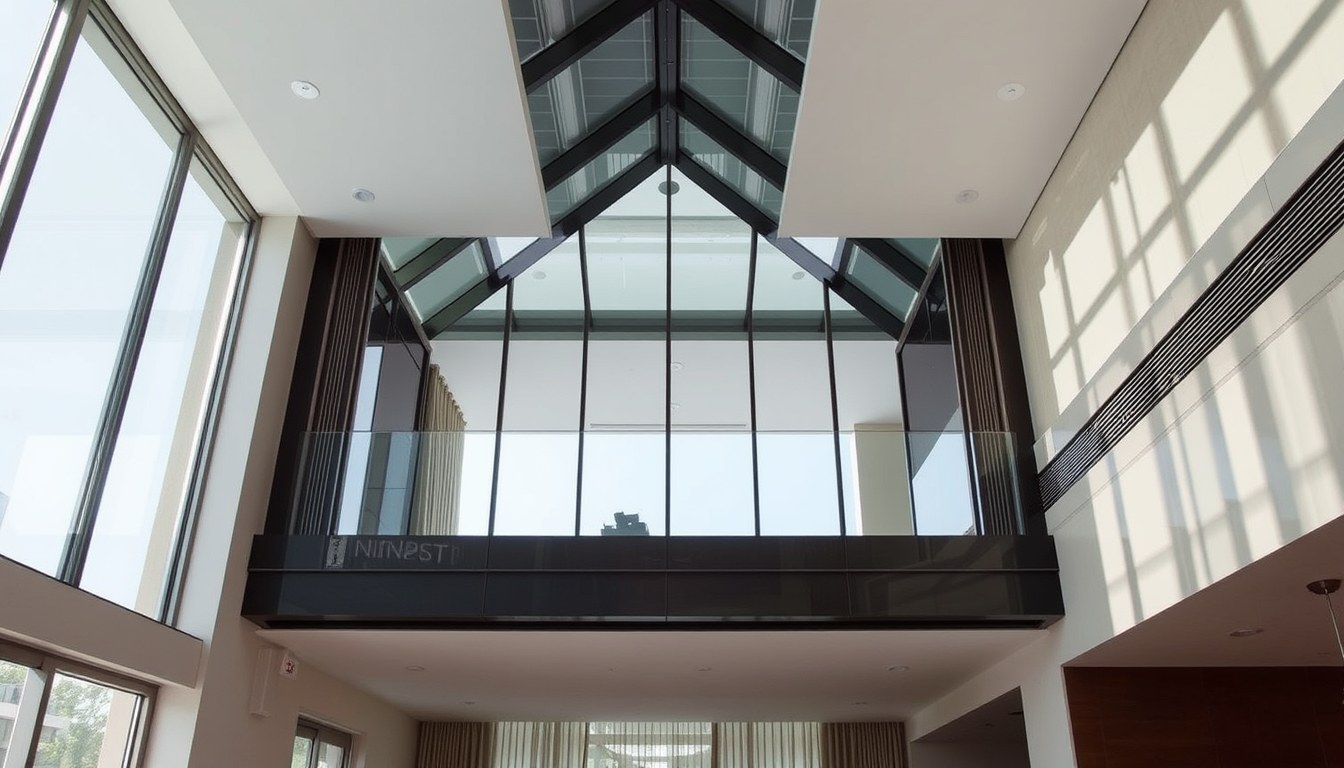
Glass false ceilings have become a hallmark of modern interior design in India, offering elegance, light diffusion, and visual spaciousness to residential and commercial spaces. Whether you're renovating a Mumbai apartment or designing an office in Bangalore, understanding the structural demands and installation process is essential to ensure safety, durability, and aesthetic appeal. This guide walks you through the technical requirements, weight considerations, LED integration options, and contemporary design trends that will help you make informed decisions for your next project.
Understanding Glass False Ceilings: What Are They?
A glass false ceiling is a suspended ceiling system constructed primarily from glass panels—typically toughened or laminated glass—mounted on a metal or wooden framework. Unlike traditional plaster ceilings, glass ceilings allow light to flow through, creating an open and airy atmosphere while concealing electrical wiring, HVAC ducts, and other utilities above. They're increasingly popular in modern Indian homes, corporate offices, retail spaces, and hospitality venues.
The versatility of glass false ceilings lies in their transparency, which can be enhanced with frosted, tinted, or textured finishes. They can span entire rooms or be used selectively in specific zones like kitchens, living rooms, or office cabins. When paired with LED lighting, they transform into dynamic architectural features that influence mood, productivity, and overall ambiance.
Structural Requirements for Glass False Ceiling Installation
Load-Bearing Capacity and Weight Limits
The structural integrity of a glass false ceiling depends on the existing ceiling or roof structure above it. Before installation, a structural engineer must assess the load-bearing capacity of your building's primary structure. Toughened glass typically weighs between 2.5 to 3.0 kg per square meter for 6mm thickness, while thicker panels (10mm or 12mm) can weigh up to 5 kg per square meter.
In India, most residential buildings constructed after 2000 can comfortably support glass false ceilings weighing 50–75 kg per installation. However, older structures or those with weak RCC (reinforced cement concrete) require additional support beams or reinforcement. Always obtain structural clearance before proceeding—this typically costs ₹5,000 to ₹15,000 but is non-negotiable for safety.
Support Framework Materials
The framework supporting glass panels is typically made from one of two materials:
- Aluminium channels and profiles: Lightweight, corrosion-resistant, and ideal for most urban Indian homes. Aluminium frameworks cost between ₹400 to ₹800 per running meter and require minimal maintenance.
- Mild steel (MS) channels: Heavier and stronger, suitable for large-span installations or commercial spaces. MS frameworks are more affordable (₹250–₹500 per meter) but require regular painting to prevent rust in humid climates.
In coastal cities like Mumbai or Kochi, aluminium is strongly recommended due to salt-laden air and humidity. The framework must be securely anchored to the building's primary structure using expansion bolts, typically spaced 60–90 cm apart, depending on the load and glass thickness.
Glass Selection and Safety Standards
Not all glass is suitable for false ceilings. Indian building codes and safety standards mandate the use of toughened or laminated glass for overhead installations. Toughened glass is heat-treated to increase its strength by 4–5 times compared to ordinary annealed glass, and it breaks into small, harmless granules rather than sharp shards.
Laminated glass consists of two or more glass layers bonded with a plastic interlayer, preventing the glass from falling even if cracked. For false ceilings, a minimum thickness of 6mm is recommended for residential spaces, while commercial applications often use 8mm or 10mm. Ensure your supplier provides Indian Standards (IS) certification—specifically IS 2553 for toughened glass and IS 2730 for laminated glass.
Frosted or acid-etched finishes are popular for privacy and aesthetic reasons, while transparent glass maximizes light transmission. Tinted glass (bronze, grey, or green) reduces solar heat gain and glare, making it ideal for south-facing rooms or offices with extensive window exposure.
LED Integration and Lighting Design
Types of LED Systems for Glass Ceilings
LED lighting transforms glass false ceilings into functional art. Several integration methods are popular:
- Backlit LEDs: Strips mounted above the glass, shining light downward through translucent or frosted panels. This creates a soft, diffused glow ideal for living rooms and bedrooms. Costs range from ₹2,000 to ₹6,000 per square meter, including installation.
- Edge-lit LEDs: LEDs placed along the perimeter of glass panels, creating a glowing border effect. Commonly used in office cabins and retail displays, costing ₹1,500 to ₹4,000 per square meter.
- Embedded LED panels: Slim LED panels integrated directly into the glass frame, offering a sleek, minimalist appearance. Premium option at ₹5,000 to ₹10,000 per square meter.
- Recessed spotlights: Individual LED spotlights installed in the framework below the glass, providing focused illumination. Ideal for accent lighting, costing ₹800 to ₹2,500 per fixture.
Smart Lighting and Control Systems
Modern glass false ceilings often incorporate smart lighting controls. Wi-Fi or Bluetooth-enabled LED systems allow you to adjust brightness, color temperature, and color via smartphone apps or voice commands. Brands like Philips Hue, LIFX, and Indian manufacturers like Syska and Bajaj offer affordable smart lighting solutions starting at ₹3,000 to ₹8,000 for basic setups.
Color temperature is crucial: warm white (2700K) suits bedrooms and living spaces, while cool white (4000–5000K) is better for offices and kitchens. Many designers recommend tunable LEDs that shift between warm and cool tones throughout the day, supporting circadian rhythms and enhancing well-being.
Installation Process: Step-by-Step Guide
Step 1: Structural Assessment and Planning — Hire a structural engineer to inspect the ceiling above and confirm load-bearing capacity. Mark the installation area and finalize the design layout.
Step 2: Framework Installation — Install the primary support channels and fix them securely to the building structure using expansion bolts. Ensure the framework is perfectly level using a laser level tool.
Step 3: Electrical Rough-In — Before installing glass, run all electrical conduits and wiring for LED lights and other utilities through the framework. This prevents post-installation complications.
Step 4: Glass Panel Installation — Carefully position glass panels on the framework, using rubber gaskets or silicone sealant to create a watertight seal. Tighten fixing clamps gradually and evenly to avoid stress concentration.
Step 5: LED and Finishing — Install LED strips or panels according to the design plan. Test all electrical connections before sealing. Apply silicone sealant along joints for waterproofing and aesthetic finish.
Step 6: Final Inspection — Verify structural stability, electrical safety, and water-tightness. Ensure all safety features (emergency exit signage, fire-rated materials if required) are in place.
Installation typically takes 5–10 days for a 200 sq. ft. space, depending on complexity. Professional installation costs range from ₹1,500 to ₹4,000 per square meter in major Indian cities.
Modern Design Trends and Ideas
Minimalist Geometric Patterns: Clean lines and geometric shapes created using frosted and transparent glass sections are trending in contemporary Indian interiors. These designs add visual interest without overwhelming the space.
Nature-Inspired Designs: Incorporating leaf patterns, branch motifs, or water wave textures into frosted glass creates a biophilic connection. This trend is especially popular in wellness centers and high-end residences.
Two-Tone Ceilings: Combining transparent glass in one section with frosted or tinted glass in another creates visual zones and dynamic lighting effects. Particularly effective in open-plan offices and lofts.
Color-Changing LED Ceilings: RGB LED systems that shift colors based on time, mood, or music create immersive environments. Popular in entertainment lounges, restaurants, and creative workspaces across Bangalore, Delhi, and Mumbai.
Acoustic Glass Ceilings: Laminated glass with sound-dampening interlayers is gaining traction in offices and music studios, combining aesthetics with acoustic performance.
Cost Considerations and Budget Planning
A complete glass false ceiling installation in India typically costs between ₹2,000 and ₹6,000 per square meter, including materials, labor, and LED lighting. Here's a typical breakdown for a 100 sq. ft. space:
- Glass panels (6mm toughened): ₹15,000–₹25,000
- Framework (aluminium or MS): ₹8,000–₹12,000
- LED lighting system: ₹10,000–₹30,000
- Installation labor: ₹8,000–₹15,000
- Sealants, fasteners, and finishing: ₹3,000–₹5,000
Premium installations with smart lighting, custom designs, or high-end materials can exceed ₹8,000 per square meter. Obtain quotes from at least three experienced contractors in your city to compare pricing and quality.
Maintenance and Longevity
Glass false ceilings require minimal maintenance when properly installed. Clean glass panels quarterly with a soft cloth and mild glass cleaner to remove dust and maintain transparency. LED lights typically last 25,000–50,000 hours, translating to 10–15 years of daily use.
In humid climates, inspect silicone sealants annually and replace if degradation is visible. Aluminium frameworks resist corrosion naturally, while MS frameworks should be repainted every 2–3 years in coastal areas. Regular inspections ensure early detection of structural issues or water leaks.
Frequently Asked Questions
Can glass false ceilings be installed in kitchens and bathrooms?
Yes, but with precautions. Use laminated glass instead of toughened glass for better water resistance, and ensure the framework is properly sealed with silicone sealant to prevent moisture infiltration. Aluminium frameworks are strongly recommended in wet areas. Proper ventilation is essential to minimize condensation.
What is the lifespan of a glass false ceiling?
With proper maintenance, a glass false ceiling can last 20–30 years or more. The glass itself is extremely durable, but LED lights typically need replacement every 10–15 years. Silicone sealants and gaskets may require maintenance or replacement every 5–10 years depending on humidity and temperature fluctuations.
Are glass false ceilings fire-safe?
Toughened and laminated glass are non-combustible and fire-safe. However, LED wiring and certain sealants must comply with Indian fire safety codes. Always hire certified electricians and use fire-rated electrical conduits. Consult your local fire department or building authority for specific requirements in your area.
Can I install a glass false ceiling on an old building?
It depends on the structural condition. Buildings constructed before 1990 may have weak RCC or insufficient load-bearing capacity. A structural engineer must assess the building and recommend reinforcement if necessary. This can add ₹20,000 to ₹50,000 to the project cost but ensures safety.
What's the difference between toughened and laminated glass for ceilings?
Toughened glass is stronger and breaks into harmless granules, making it ideal for most false ceilings. Laminated glass provides better sound insulation and water resistance, making it suitable for kitchens, bathrooms, and offices. Laminated glass is also more expensive but offers superior safety if the glass cracks.
Conclusion
Glass false ceilings represent a sophisticated investment in modern interior design, combining structural integrity, aesthetic appeal, and functional lighting in a single installation. By understanding load requirements, selecting appropriate materials, integrating LED systems thoughtfully, and hiring qualified professionals, you can create a stunning ceiling that enhances your space for decades. Whether you're designing a residential apartment in Pune, a corporate office in Hyderabad, or a retail showroom in Delhi, glass false ceilings offer endless possibilities for creative expression and functional improvement.
Ready to bring your glass ceiling vision to life? Explore verified glass suppliers, installation contractors, and lighting specialists on glassy.in, India's most comprehensive glass business directory. Connect with trusted professionals in your city and get detailed quotes for your project today.