
Interior Design
Glass False Ceiling Design Trends 2026: Lighting Integration & Material Options
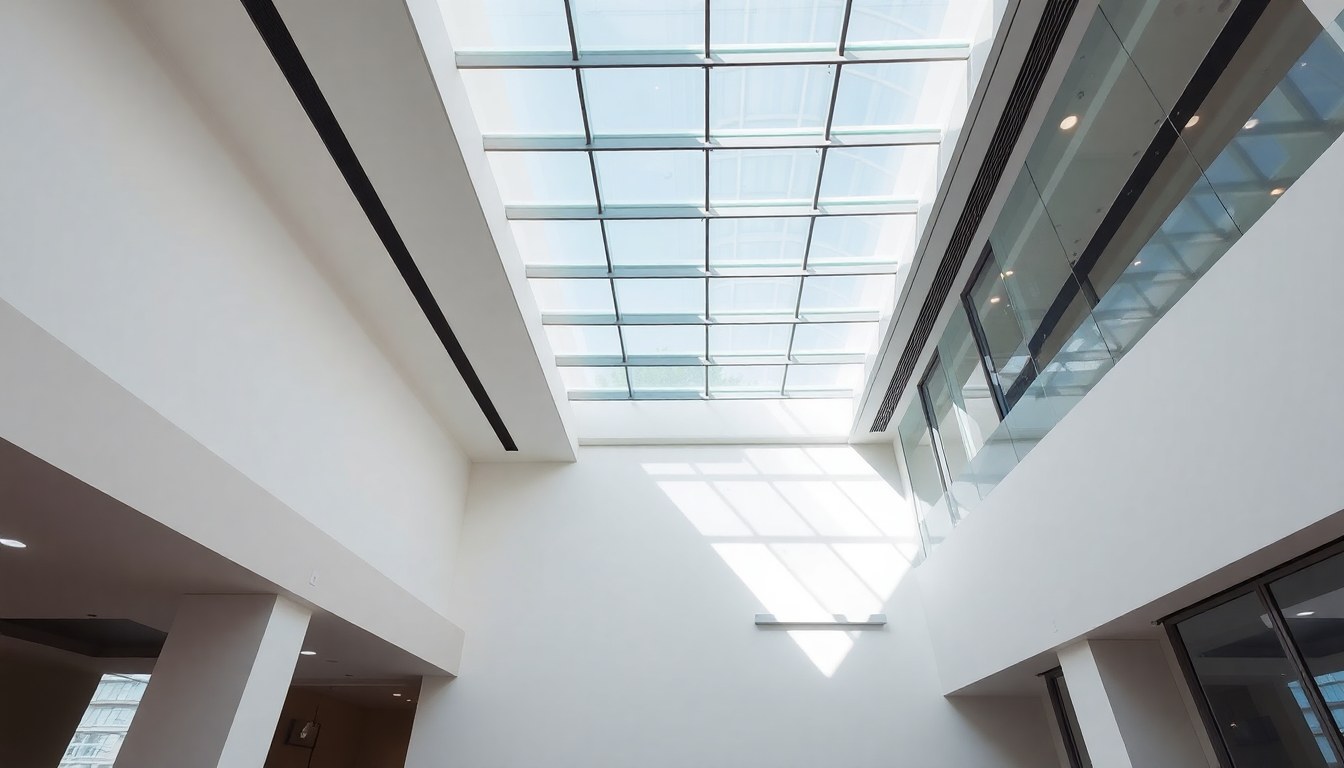
Glass false ceilings have evolved from a luxury feature into a design staple for modern Indian homes and commercial spaces. In 2026, the integration of smart LED lighting, frosted glass panels, and structural glass systems is redefining how architects and interior designers approach ceiling aesthetics. Whether you're renovating a Bangalore apartment or designing a Mumbai office, understanding these glass ceiling trends will help you create spaces that are both visually striking and functionally efficient.
The Rise of Backlit Glass Ceilings
Backlit glass false ceilings represent the pinnacle of modern interior design, combining ambient lighting with architectural elegance. These systems use LED strips mounted behind translucent or frosted glass panels to create a soft, diffused glow that eliminates harsh shadows and creates a sense of spaciousness. The light appears to emanate from within the ceiling itself, producing a floating effect that transforms ordinary rooms into sophisticated spaces.
The appeal of backlit systems lies in their versatility. In residential settings, they work beautifully in bedrooms, living rooms, and kitchens, where they provide both functional lighting and mood-setting ambiance. Commercial applications include retail stores, restaurants, hotels, and corporate offices where the visual impact enhances brand perception. The cost of backlit glass ceiling installation in India typically ranges from ₹800 to ₹2,500 per square foot, depending on glass quality, LED technology, and installation complexity.
LED Color Temperature and Control
Modern backlit systems offer tunable white and RGB color-changing LEDs that allow users to adjust lighting intensity and color temperature throughout the day. Warm white (2700K) creates a relaxing atmosphere ideal for bedrooms and lounges, while cool white (4000K-5000K) enhances focus in offices and retail spaces. Smart control systems enable voice-activated adjustments and scheduling, aligning with the growing demand for home automation in Indian cities like Delhi, Hyderabad, and Pune.
Frosted and Textured Glass Panels
Frosted glass panels remain a top choice for false ceilings because they balance transparency with privacy while diffusing light evenly. Unlike clear glass, frosted surfaces scatter light rays, preventing glare and creating a softer visual environment. In 2026, designers are experimenting with varying frost densities and custom etching patterns to add personality to spaces.
Textured glass options include rain glass, acid-etched finishes, and 3D embossed patterns that catch and play with light in dynamic ways. These finishes work particularly well in open-plan offices where they maintain visual connection between spaces while defining zones. For residential interiors, frosted panels above living areas or home theaters provide sophisticated aesthetics without compromising on the modern minimalist look that appeals to contemporary Indian homeowners.
Maintenance and Durability
Frosted glass requires regular but simple maintenance—gentle dusting and occasional cleaning with glass cleaner keeps panels looking pristine. The finish is durable and doesn't scratch easily when handled properly. High-quality frosted glass panels are treated with UV-protective coatings to prevent yellowing over time, ensuring your ceiling investment lasts 15-20 years with minimal degradation.
Structural Glass Ceilings and Skylights
Structural glass ceilings, also called glass barrel vaults or glass domes, create dramatic architectural statements by replacing traditional ceiling materials entirely. These systems allow natural light to flood interior spaces, reducing daytime electricity consumption and creating a connection to the outdoors—a significant advantage in urban Indian homes where outdoor space is limited.
Structural glass installations require specialized engineering and are best suited for spaces with adequate structural support, such as penthouses, villas, and commercial atriums. The cost ranges from ₹3,000 to ₹8,000 per square foot depending on glass thickness, framing materials, and weatherproofing requirements. Tempered or laminated safety glass is mandatory for overhead installations to meet Indian building codes and ensure occupant safety.
Natural Light Optimization
Glass ceilings with skylights maximize natural illumination during daylight hours, significantly reducing energy consumption in air-conditioned spaces. Smart glass or electrochromic coatings can be applied to control solar heat gain, preventing excessive warming during summer months—a practical solution for Indian climates. This technology is becoming increasingly popular in sustainable office buildings and eco-conscious residential projects across India.
Hybrid Lighting Systems and Smart Integration
The most innovative trend in 2026 is the integration of multiple lighting technologies within a single false ceiling system. Hybrid setups combine backlit glass panels with recessed downlights, track lighting, and accent spotlights to create layered illumination that adapts to different activities and times of day. Smart home integration allows these systems to sync with circadian rhythms, adjusting color temperature automatically to support better sleep and productivity.
IoT-enabled ceiling systems can be controlled via smartphone apps, voice assistants, or automated schedules. Many systems now include motion sensors that activate lighting only when spaces are occupied, reducing energy waste in commercial buildings. For Indian businesses looking to lower operational costs, these smart systems can reduce lighting energy consumption by 40-60% compared to traditional fixed lighting.
Acoustic Considerations
While glass itself is reflective, modern false ceiling systems incorporate acoustic panels behind glass layers or use specialized glass with sound-dampening interlayers. This is particularly important in open-plan offices and residential spaces where noise reduction enhances comfort. Combining frosted glass with acoustic backing materials creates a ceiling that's both visually appealing and functionally sound-absorbing.
Material Innovations and Sustainability
The glass industry is moving toward sustainable practices, with manufacturers now offering recycled glass options and low-emissivity (Low-E) coatings that improve thermal performance. Recycled glass panels maintain the same aesthetic quality as virgin glass while reducing environmental impact—an increasingly important consideration for environmentally conscious Indian developers and homeowners.
Anti-reflective coatings and self-cleaning glass treatments are emerging innovations that reduce maintenance requirements. Self-cleaning glass uses photocatalytic technology to break down organic matter when exposed to sunlight, making it ideal for outdoor-facing skylights and commercial applications. Tempered glass options provide enhanced safety without compromising on design flexibility, available in thicknesses ranging from 6mm to 12mm depending on span and load requirements.
Cost-Effective Alternatives
For budget-conscious projects, polycarbonate and acrylic panels offer glass-like aesthetics at 30-50% lower costs. While not as durable or optically clear as true glass, these materials are lightweight, impact-resistant, and suitable for residential spaces where extreme durability isn't critical. Many designers combine premium glass in focal areas with polycarbonate in secondary spaces to achieve high-impact design within budget constraints.
Design Trends by Space Type
Residential Interiors
In homes, backlit frosted glass ceilings over living rooms and master bedrooms create luxurious focal points. Bedroom ceilings with warm-white LED systems and dimming capabilities support relaxation, while kitchen ceilings with bright, cool-white lighting improve functionality. Stairwell ceilings featuring structural glass or skylights add drama and improve natural light penetration to lower floors—a practical solution in multi-story homes.
Commercial Spaces
Offices increasingly feature glass false ceilings with integrated acoustic panels and smart lighting that adjusts based on occupancy and daylight levels. Retail stores use RGB backlit glass to highlight merchandise and create immersive shopping experiences. Restaurants and cafes employ frosted glass ceilings with warm accent lighting to establish inviting atmospheres that encourage customers to linger.
Hospitality and Wellness
Hotels and spas are adopting glass ceilings with color-changing LEDs that can be programmed to create specific moods in different areas. Spa treatment rooms use soft, warm lighting to promote relaxation, while lobbies feature dramatic backlit installations that impress guests. This trend is particularly strong in premium hospitality properties across major Indian cities like Mumbai, Delhi, and Bangalore.
Installation Considerations and Best Practices
Proper installation is critical for safety and longevity. Glass false ceilings require structural assessment to ensure the building can support the additional weight. Tempered or laminated glass is non-negotiable for safety compliance. Professional installation by certified contractors familiar with Indian building codes ensures warranty validity and proper electrical integration.
Ventilation requirements must be addressed during planning—false ceilings can obstruct air circulation if not designed with proper ductwork provisions. HVAC systems should be coordinated with ceiling design to maintain comfort levels. Electrical wiring for LED systems should be concealed and professionally installed to meet safety standards and building regulations.
Thermal considerations are important in Indian climates. Glass conducts heat, so ceiling systems in air-conditioned spaces should include insulation layers or reflective coatings to minimize cooling load. This investment in thermal management pays dividends through reduced electricity bills, especially in commercial buildings with large ceiling areas.
Frequently Asked Questions
What is the typical lifespan of a glass false ceiling system?
High-quality glass false ceiling systems with proper maintenance last 15-25 years. LED components typically have a lifespan of 50,000-100,000 hours (approximately 20-30 years of normal use). Regular cleaning and avoiding physical impact are key to maximizing longevity. If you choose premium tempered or laminated glass with UV-protective coatings, degradation is minimal.
Are glass false ceilings safe for residential use?
Yes, when installed correctly using tempered or laminated safety glass. Tempered glass is 4-5 times stronger than regular glass and shatters into harmless granules if broken. Laminated glass has a plastic interlayer that holds pieces together even if the glass breaks. Professional installation with proper structural support and compliance with Indian building codes ensures safety.
How much does a glass false ceiling cost in India?
Costs vary widely based on type and location. Backlit frosted glass ceilings range from ₹800-₹2,500 per square foot. Simple frosted glass panels cost ₹500-₹1,200 per square foot. Structural glass skylights are more expensive at ₹3,000-₹8,000 per square foot. Labor costs differ between cities, with premium rates in Mumbai and Delhi compared to tier-2 cities.
Can glass false ceilings be used in kitchens and bathrooms?
Yes, but special precautions are needed. Use tempered glass and ensure proper waterproofing of electrical components. LED systems should be rated for wet environments (IP65 or higher). Adequate ventilation prevents moisture accumulation. Frosted or textured glass is preferable in bathrooms for privacy, while backlit systems in kitchens improve task lighting and create a modern aesthetic.
What lighting color temperature is best for different rooms?
Warm white (2700K) suits bedrooms, living rooms, and dining areas for a cozy atmosphere. Neutral white (3500-4000K) works well in kitchens and home offices for balanced visibility. Cool white (5000K+) is ideal for detailed work, retail displays, and commercial spaces. Tunable systems allow you to adjust color temperature throughout the day, supporting natural circadian rhythms.
Transform Your Space with Modern Glass Ceiling Solutions
Glass false ceilings are no longer a luxury—they're a practical, stylish investment that enhances both residential and commercial interiors. Whether you're drawn to the ambient elegance of backlit systems, the versatility of frosted panels, or the dramatic impact of structural glass, 2026 offers unprecedented design possibilities backed by smart technology and sustainable materials. Ready to explore glass ceiling options for your project? Browse verified glass suppliers, contractors, and designers on glassy.in, India's largest glass-business directory, to find the perfect partner for your next interior transformation.