
Glass Facades
Glass Façade Maintenance: Cleaning Schedules & Coating Protection for Curtain Walls
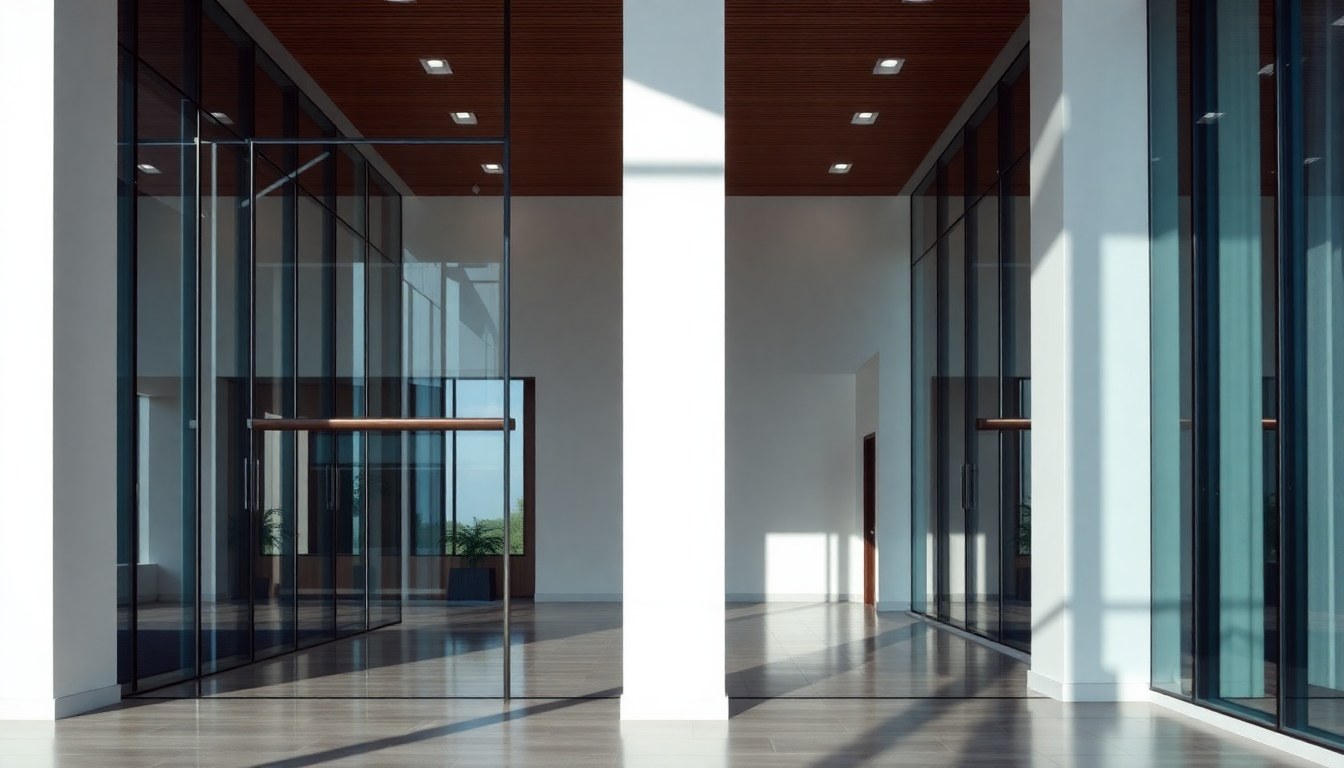
Modern glass curtain walls define India's urban skyline, but their brilliance fades without a structured maintenance plan. Dust accumulation, weathering, and environmental pollutants degrade glass transparency and compromise the structural integrity of sealants within months. This guide outlines practical cleaning schedules and protective coating strategies to keep your building's façade performing at peak efficiency for decades.
Understanding Glass Curtain Wall Maintenance Needs
Glass façades face relentless environmental stress, especially in metropolitan areas like Bangalore, Hyderabad, and Gurugram. Industrial emissions, monsoon moisture, construction dust, and UV radiation work together to cloud glass surfaces and weaken silicone sealants that hold the system together. The cost of reactive repairs—replacing failed seals or damaged glass panels—far exceeds proactive maintenance investments.
Curtain walls are engineered systems where glass, aluminum frames, and sealants must work in harmony. When maintenance is neglected, water infiltration becomes the primary concern. Even hairline cracks in sealants allow moisture to enter the cavity space behind the glass, leading to corrosion of aluminum components and thermal performance loss. Regular cleaning and coating applications prevent these cascading failures and maintain the building's energy efficiency.
Why Professional Maintenance Matters
DIY cleaning with incorrect chemicals can etch glass surfaces or degrade sealant materials. Professional façade maintenance teams understand the chemistry of different glass types—tempered, laminated, low-emissivity—and use appropriate cleaning agents and techniques. They also inspect sealants, gaskets, and drainage systems during cleaning, catching problems before they become expensive repairs.
Recommended Cleaning Schedules for Indian Urban Environments
Cleaning frequency depends on location, building height, surrounding industrial activity, and weather patterns. In India's three major metros, environmental conditions vary significantly, making a tailored approach essential.
Bangalore: Semi-Annual Deep Cleaning
Bangalore's moderate climate and moderate pollution levels call for deep cleaning twice yearly—ideally before the monsoon season (May–June) and after the dry season (January–February). The city's construction boom generates significant dust, and pre-monsoon cleaning prevents water from trapping debris behind glass panels. Between deep cleans, spot cleaning should address bird droppings and visible staining within 48 hours to prevent permanent etching.
Hyderabad: Quarterly Maintenance
Hyderabad's high humidity and occasional severe weather require more frequent intervention. Quarterly deep cleaning—every three months—is recommended, with monthly inspections of sealants and drainage systems. The city's summer heat (40°C+) accelerates sealant degradation, making proactive monitoring essential. Post-monsoon cleaning is critical to remove water stains and prevent mineral deposits that compromise glass clarity.
Gurugram: Bi-Monthly Schedule
Gurugram experiences intense dust storms and extreme temperature fluctuations, making bi-monthly deep cleaning (every 6–8 weeks) the industry standard. The National Capital Region's pollution index frequently exceeds safe levels, and particulate matter accumulates rapidly on vertical glass surfaces. Additional spot cleaning after dust storms prevents permanent surface damage. Winter fog and summer heat create thermal stress on sealants, requiring vigilant inspection protocols.
Glass Cleaning Protocols & Chemical Safety
The cleaning process itself must be executed with precision to avoid damage. Incorrect methodology can scratch glass, degrade coatings, or compromise sealant longevity.
Safe Cleaning Agents
Professional cleaners use pH-neutral detergents specifically formulated for architectural glass. Acidic cleaners (pH < 6) or alkaline cleaners (pH > 8) can etch glass surfaces or degrade low-emissivity (Low-E) coatings that reduce heat transmission. Recommended products include:
- Deionized water mixed with mild detergent (pH 6.5–7.5)
- Specialized Low-E glass cleaners that protect reflective coatings
- Biodegradable surfactants that reduce environmental impact
- Alcohol-based solutions for streak-free finishing on tempered glass
Avoid bleach, ammonia-based window cleaners, and abrasive scouring powders. These damage sealants, corrode aluminum frames, and leave streaks on coated glass. For stubborn mineral deposits from hard water or pollution, use citric acid solutions diluted to pH 4–5, but rinse thoroughly within minutes to prevent etching.
Equipment & Technique
Soft-bristle brushes, microfiber cloths, and squeegees are standard tools. Pressure washing should never exceed 80 bar (1,160 psi) as higher pressure forces water into sealant joints and behind glass panels. For high-rise buildings, professional rope-access teams or water-fed pole systems (reaching up to 60 meters) are safer than traditional scaffolding. Water-fed poles use purified water and eliminate the need for chemical cleaners on many surfaces.
Protective Coatings & Sealant Management
Cleaning alone cannot restore a degraded façade. Protective coatings extend glass life and reduce future maintenance costs. In India's harsh climate, investing in quality coatings yields significant returns over the building's 25–50 year lifespan.
Hydrophobic & Oleophobic Coatings
Hydrophobic coatings cause water to bead and roll off glass surfaces, preventing water spots and mineral staining. These coatings are applied post-cleaning and typically last 12–24 months depending on climate exposure. Oleophobic coatings additionally repel oils and fingerprints, maintaining aesthetic clarity longer. In Bangalore and Hyderabad, where monsoon humidity is high, hydrophobic coatings reduce maintenance frequency by 20–30% and prevent water infiltration into sealant cavities.
Costs for hydrophobic coating application range from ₹150–₹400 per square meter, depending on building height and coating quality. Premium brands offering 3-year warranties cost ₹350–₹500/m². For a typical 5,000 m² façade, budgeting ₹7.5–₹25 lakhs for initial coating application is reasonable, with reapplication every 18–24 months costing ₹3–₹8 lakhs.
Self-Cleaning Coatings
Photocatalytic coatings (typically titanium dioxide-based) break down organic contaminants when exposed to UV light. Water then sheets off, carrying debris with it. These coatings reduce manual cleaning frequency by 40–50% and are ideal for buildings in high-pollution areas like Gurugram. Initial cost is higher (₹400–₹700/m²) but long-term maintenance savings justify the investment. Self-cleaning coatings maintain effectiveness for 3–5 years before reapplication becomes necessary.
Sealant Inspection & Replacement
Silicone sealants, the critical bond between glass panels and aluminum frames, typically last 10–15 years in India's climate. Annual inspections should assess sealant condition—checking for cracking, shrinkage, or loss of adhesion. Early replacement of failing sealants prevents water infiltration and extends the façade's structural life by decades.
Sealant replacement costs ₹200–₹400 per linear meter, including labor. A typical 20-story building with 2,000 linear meters of sealant joints may require ₹4–₹8 lakhs for full replacement. Preventive replacement at year 12–14 is more cost-effective than emergency repairs triggered by water damage.
Seasonal Maintenance Checklist for Indian Cities
A structured seasonal approach ensures no maintenance task is overlooked. Tailor this checklist to your building's specific location and condition.
Pre-Monsoon (April–May)
- Deep clean all glass surfaces and frames
- Inspect and test drainage systems in sealant cavities
- Check for cracks or gaps in sealants; mark areas for repair
- Apply or refresh hydrophobic coatings on south and west-facing façades (highest UV exposure)
- Clear debris from window ledges and frame cavities
Post-Monsoon (September–October)
- Remove water stains and mineral deposits with pH-neutral cleaners
- Inspect sealants for water damage or mold growth
- Pressure-wash frames and mullions to remove algae and fungal growth
- Reapply oleophobic coatings if fingerprints are visible
- Test all drainage pathways to ensure water flows freely
Summer (June–August)
- Monthly spot cleaning to remove bird droppings and construction dust
- Monitor sealant condition during peak heat stress
- Inspect Low-E coatings for delamination or damage
Winter (November–March)
- Quarterly deep cleaning as pollution levels rise
- Check for condensation inside sealed units; indicates seal failure
- Inspect for thermal stress cracks in glass or frames
Cost Planning & ROI for Maintenance Programs
Structured maintenance requires upfront investment but prevents costlier failures. A typical 10,000 m² glass façade in Bangalore or Hyderabad requires:
- Annual cleaning: ₹8–₹15 lakhs (semi-annual deep cleans plus spot cleaning)
- Protective coatings (initial): ₹10–₹20 lakhs
- Coating reapplication (every 2 years): ₹5–₹10 lakhs
- Sealant inspection & minor repairs: ₹2–₹5 lakhs annually
- Total annual budget: ₹15–₹25 lakhs for preventive maintenance
Emergency sealant replacement or glass panel repairs due to water damage can cost ₹50–₹100 lakhs or more. Preventive spending of ₹20 lakhs annually saves ₹80 lakhs in reactive repairs over a decade. Additionally, well-maintained façades reduce HVAC energy consumption by 15–25%, translating to ₹5–₹10 lakhs in annual utility savings for large buildings.
Frequently Asked Questions
How often should high-rise glass curtain walls be cleaned in India?
Cleaning frequency depends on location and pollution levels. In Bangalore, semi-annual deep cleaning is standard. Hyderabad requires quarterly cleaning due to high humidity, and Gurugram needs bi-monthly cleaning due to dust storms and pollution. Between scheduled cleanings, spot cleaning should address bird droppings and visible stains within 48 hours to prevent permanent surface damage.
What chemicals are safe for cleaning Low-E coated glass?
Only pH-neutral detergents (pH 6.5–7.5) should be used on Low-E glass. Acidic or alkaline cleaners etch the reflective coating and reduce its thermal efficiency. Specialized Low-E glass cleaners are available commercially and are worth the investment. Always test cleaning solutions on small, inconspicuous areas first. Avoid ammonia-based window cleaners and bleach entirely.
How long do protective coatings last on glass façades in India's climate?
Hydrophobic coatings typically last 12–24 months depending on sun exposure and pollution levels. Self-cleaning photocatalytic coatings maintain effectiveness for 3–5 years. High-quality premium coatings with manufacturer warranties may last up to 3 years. Reapplication schedules should be based on visual inspection—when water no longer beads on the surface, recoating is due.
What are signs that curtain wall sealants need replacement?
Look for visible cracking, shrinkage (gaps between sealant and frame), loss of adhesion, or discoloration. Water stains on interior glass or visible mold growth inside sealant cavities indicate seal failure. If sealants are more than 12 years old in India's climate, proactive replacement is recommended even if visible damage isn't evident. Professional inspection can assess remaining sealant life and recommend replacement timelines.
Is it cheaper to hire professional maintenance or use in-house staff?
Professional façade maintenance teams have specialized equipment, safety certifications, and product expertise that in-house staff typically lack. While professional services cost more per visit (₹8–₹15 lakhs annually), they prevent costly mistakes like using incorrect chemicals or missing sealant failures. For buildings over 10 stories, professional maintenance is strongly recommended. Hybrid approaches—professional deep cleaning semi-annually with in-house spot cleaning—can balance cost and quality.
Partner with Trusted Glass Façade Maintenance Experts
Maintaining pristine glass curtain walls requires expertise, specialized equipment, and consistent execution. Explore verified glass façade maintenance contractors, coating specialists, and sealant manufacturers in your city through the Glassy.in directory. Connect with professionals who understand India's urban climate challenges and can design customized maintenance programs for your building's specific needs. Visit Glassy.in today to find certified service providers and suppliers in Bangalore, Hyderabad, Gurugram, and across India.