
Glass Facades
Glass Curtain Wall Systems: Structural Design, Glazing Methods & Maintenance
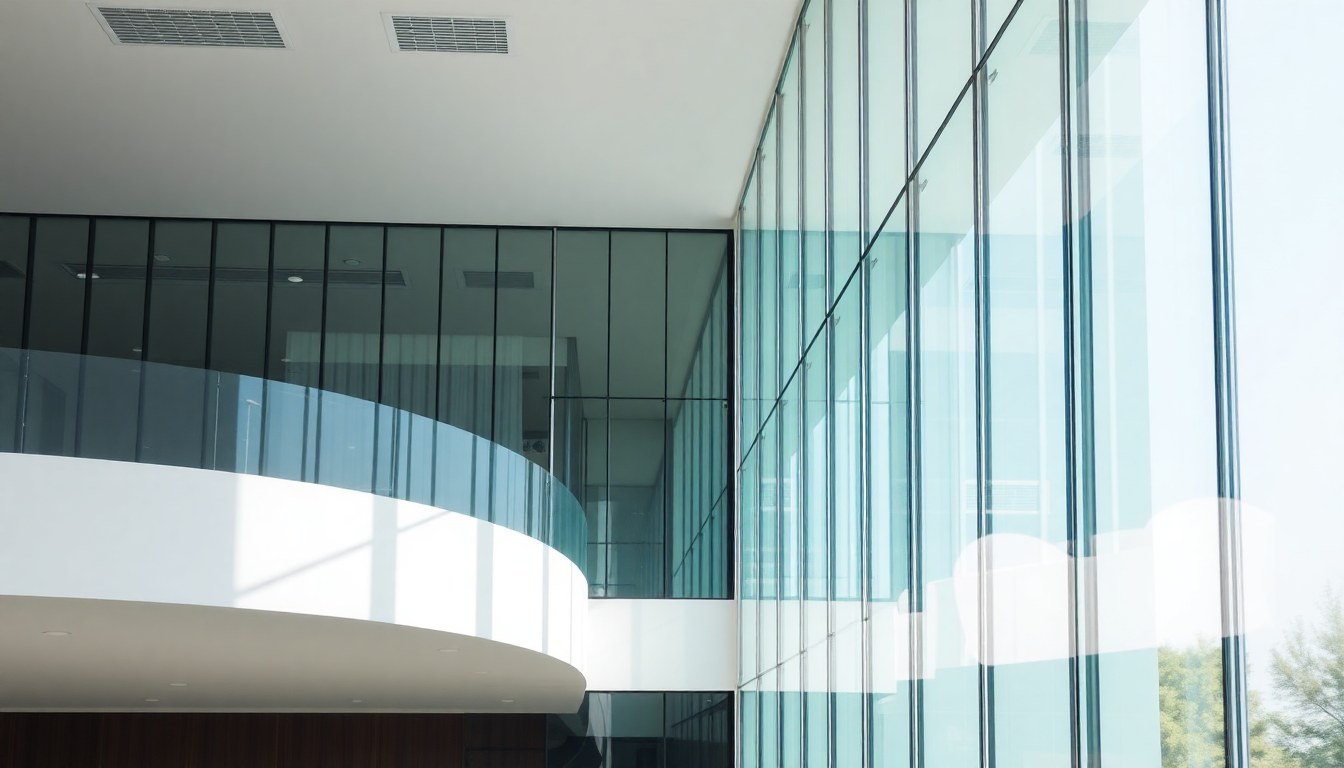
Glass curtain wall systems form the backbone of modern commercial architecture, creating striking facades that balance aesthetics with structural integrity. Whether you're specifying systems for a Bangalore tech park or a Mumbai office tower, understanding the interplay between structural design, glazing methods, and maintenance is essential to ensure durability, energy efficiency, and compliance with Indian building codes. This guide walks you through the critical components and best practices that keep high-rise glass facades performing optimally for decades.
Understanding Glass Curtain Wall Structural Systems
A glass curtain wall is a non-load-bearing external wall that carries only its own weight and wind loads, transferring these forces to the primary building structure through anchoring points. Unlike traditional masonry walls, curtain walls hang from the structural frame, allowing the building skeleton to remain independent. This separation is crucial for modern high-rise design, enabling faster construction, flexibility in interior layouts, and the seamless glass aesthetics that define contemporary commercial buildings across Indian metros.
The structural performance of any curtain wall depends on proper load distribution, accurate calculations of wind pressure, and secure connection to the main structure. Indian Standard IS 6533 (Code of Practice for Design, Fabrication and Erection of Structural Steelwork in Buildings) and IS 875 (Code of Practice for Design Loads) govern these specifications. Deflection limits, typically L/175 to L/240 depending on the system, prevent excessive sway and glass breakage during high winds—a critical consideration in coastal cities like Mumbai and Chennai.
Unitized vs. Stick-Built Systems
Unitized curtain walls arrive at the site as complete, pre-glazed modules that are stacked vertically and bolted together. This factory-controlled approach ensures consistent quality, faster installation, and reduced on-site labor. Unitized systems work well for large, repetitive commercial projects where the facade design remains uniform across multiple floors.
Stick-built systems, by contrast, are assembled on-site using vertical mullions and horizontal transoms. Glazing panels and gaskets are installed after the frame structure is in place. While stick-built systems offer greater design flexibility and are easier to repair individual sections, they demand skilled on-site labor and are more sensitive to weather during installation. In India's varied climate zones—from humid coastal regions to dry interiors—stick-built systems require careful sequencing to manage moisture exposure.
Glazing Methods: Structural Silicone vs. Mechanical Fastening
The method used to secure glass to the aluminum or steel frame directly impacts the curtain wall's structural integrity, weather resistance, and maintenance burden. Two primary approaches dominate the market: structural silicone glazing and mechanical fastening with gaskets and pressure plates.
Structural Silicone Glazing
Structural silicone glazing bonds the glass pane directly to the frame using high-strength silicone sealant. The sealant transfers wind loads, thermal stresses, and dead loads from the glass to the frame, eliminating the need for mechanical fasteners around the glass perimeter. This method delivers a clean, uninterrupted aesthetic and excellent weather tightness. However, it requires strict factory conditions, trained applicators, and careful curing protocols—typically 7 to 14 days before the unit can be installed vertically. Any defect in the silicone application can compromise structural performance and is difficult to repair in the field.
In India, structural silicone glazing is common in premium commercial projects where budget and schedule allow for factory-controlled production. The silicone must meet international standards such as ASTM C1184 or DIN 18545 to ensure durability in India's tropical and subtropical climates, where UV exposure and temperature cycling accelerate sealant degradation.
Mechanical Fastening with Gaskets and Pressure Plates
Mechanical fastening relies on aluminum or stainless steel pressure plates, bolts, and elastomeric gaskets to hold the glass in place. This method is field-friendly, allows for faster installation, and makes individual glass replacement straightforward. The gasket compresses against the glass edge, creating a weather seal while the mechanical fasteners carry structural loads. This approach is widely used in India for mid-range commercial projects and retrofit applications.
Gaskets must be selected carefully for Indian climates. EPDM (ethylene propylene diene monomer) gaskets are popular for their UV resistance, while silicone gaskets are preferred in high-temperature zones. Regular gasket inspection and replacement every 10 to 15 years prevents water infiltration and maintains structural performance. Pressure plate corrosion in coastal areas can be mitigated by specifying stainless steel (SS 316) fasteners and plates rather than anodized aluminum.
Thermal Breaks and Energy Performance
Thermal breaks are low-conductivity materials (typically polyamide or polyurethane) inserted between the interior and exterior aluminum sections of a mullion. They prevent heat transfer, reducing the thermal bridging effect that would otherwise allow cold or hot air to conduct through the metal frame directly into the building. This is critical for maintaining interior comfort and reducing HVAC loads in India's hot climates.
A well-designed thermal break can reduce the U-value of a curtain wall from around 5.8 W/m²K (for a non-thermally broken frame) to approximately 2.8 to 3.5 W/m²K. When combined with double-glazed units featuring low-emissivity (low-E) coatings, the overall thermal performance can drop to 1.8 to 2.2 W/m²K, significantly reducing cooling costs. Indian Green Building Council (IGBC) and LEED standards increasingly mandate these performance levels for commercial buildings seeking certification.
The thickness and material composition of the thermal break must match the structural demands of the curtain wall. Thin breaks reduce cost but compromise performance; overly thick breaks can create structural weakness. Selecting the right thermal break thickness—typically 12 to 20 mm for Indian commercial applications—balances energy efficiency with structural integrity and cost.
Water Management and Drainage Systems
Water infiltration is the leading cause of curtain wall failures in India's monsoon regions. Effective water management involves multiple defense layers: proper slope design, weep holes, internal drainage channels, and sealant application. The curtain wall must direct any water that penetrates the outer seal back out of the system before it reaches the building interior.
Drainage Paths and Weep Holes
Internal horizontal mullions are designed with a slight downward slope (typically 1:20 or 1:30) to guide water toward the frame's outer edge. Weep holes—small openings, usually 6 to 10 mm in diameter—are spaced at regular intervals (typically 600 to 900 mm) along the base of each horizontal mullion. These holes allow trapped water to exit the system rather than accumulating and seeping inward. In India, weep hole placement must account for seasonal rainfall patterns; in high-rainfall zones, closer spacing (every 600 mm) is advisable.
Weep holes must be kept clear of debris, silicone buildup, and insect nests. During maintenance, a simple inspection and gentle cleaning with a soft brush or compressed air prevents blockage. Blocked weep holes can cause water to back up and infiltrate the building, leading to interior damage and mold growth—a serious concern in humid climates like Kolkata and coastal Kerala.
Sealant Application and Joint Design
Sealants—typically silicone or polyurethane—are applied to joints between glass panes, between the curtain wall and the building structure, and at transitions to other facade materials. Proper joint design includes adequate depth (typically 6 to 8 mm), width-to-depth ratios of 2:1 or better, and backing rods to prevent sealant from bonding to three surfaces. In India's tropical climate, UV-resistant, low-modulus silicones are preferred to accommodate thermal movement without cracking.
Sealant joints must be inspected annually and re-sealed every 10 to 15 years, depending on exposure and climate. Coastal buildings in Mumbai or Chennai experience accelerated sealant degradation due to salt spray and intense UV radiation, necessitating more frequent maintenance intervals.
Annual and Long-Term Maintenance Schedules
A well-executed maintenance program extends curtain wall life from the typical 30 to 40 years to 50+ years and prevents costly emergency repairs. Maintenance activities vary seasonally and should align with India's climate patterns—pre-monsoon inspections are critical in regions with heavy rainfall.
Annual Maintenance Tasks
- Visual Inspection: Walk the perimeter and scan for visible cracks, water stains, sealant gaps, or discoloration. Use binoculars or drone footage for high-rise buildings.
- Weep Hole and Drainage Cleaning: Clear weep holes of debris, dust, and insect nests using soft brushes or compressed air.
- Glass Cleaning: Professional cleaning removes dirt, bird droppings, and salt spray deposits. In coastal areas, quarterly cleaning is recommended.
- Sealant and Gasket Inspection: Look for cracks, peeling, or loss of elasticity. Minor cracks can be sealed; severely degraded sealants must be removed and replaced.
- Fastener and Hardware Check: Inspect bolts, anchors, and pressure plates for corrosion. Tighten any loose fasteners and replace corroded hardware with stainless steel equivalents.
- Thermal Break Assessment: Check for visible damage or separation between the thermal break and surrounding aluminum.
Long-Term Maintenance (5 to 10 Year Intervals)
Every 5 to 10 years, conduct a more thorough inspection involving opening sample sections of the curtain wall to examine internal components. This includes checking for water stains or damage inside the frame cavity, verifying that insulation (if present) remains intact and dry, and testing the structural integrity of welds and connections. In India's humid climate, internal moisture accumulation is a common issue; a thorough inspection can catch problems before they spread.
Sealant replacement should be scheduled proactively rather than reactively. Budget for complete re-sealing of all joints every 15 to 20 years, or sooner in high-exposure coastal environments. Pressure-washing the entire facade every 3 to 5 years removes accumulated dirt and salt deposits, particularly important for buildings in Mumbai, Chennai, or Kochi where salt spray from the ocean accelerates corrosion and sealant degradation.
Compliance with Indian Building Standards
Curtain wall systems in India must comply with several key standards. IS 6533 provides structural design guidance; IS 875 specifies design loads including wind pressures; and IS 2062 covers the quality of structural steel. The National Building Code of India (NBC) mandates fire ratings for curtain walls and specifies seismic design requirements depending on the building's location and occupancy class.
For buildings in seismic zones (particularly in Himalayas and parts of Gujarat), curtain walls must accommodate lateral sway without transferring excessive forces to the glass. Flexible connections, larger joint widths, and careful mullion design prevent glass breakage during earthquakes. Energy codes such as the Energy Conservation Building Code (ECBC) increasingly require thermal performance targets, driving the adoption of thermal breaks and high-performance glazing.
Frequently Asked Questions
What is the typical lifespan of a glass curtain wall system in India?
With proper design, installation, and maintenance, a glass curtain wall system can last 40 to 50 years or longer. However, sealants typically degrade within 15 to 20 years in India's tropical climate, requiring replacement. Coastal buildings experience faster degradation due to salt spray and UV exposure, potentially shortening the interval to 10 to 15 years. Regular maintenance—particularly annual inspections and timely sealant replacement—is essential to maximize lifespan.
What is the difference between structural silicone glazing and mechanical fastening?
Structural silicone glazing uses high-strength silicone sealant to bond the glass directly to the frame, transferring all loads through the sealant. It offers a clean aesthetic and excellent weather tightness but requires factory-controlled production and careful curing. Mechanical fastening uses bolts, pressure plates, and gaskets to hold the glass in place, allowing for field assembly and easier repairs. Mechanical fastening is more commonly used in India for mid-range projects due to its flexibility and lower labor skill requirements.
How do thermal breaks improve energy efficiency?
Thermal breaks are low-conductivity materials inserted between the interior and exterior aluminum sections of a mullion, preventing heat transfer through the metal frame. Without a thermal break, the frame acts as a thermal bridge, conducting heat or cold directly into the building. By introducing a thermal break, the U-value of the curtain wall can be reduced from around 5.8 W/m²K to 2.8 to 3.5 W/m²K, significantly reducing HVAC loads and cooling costs—particularly important in India's hot climate.
What maintenance is required to keep a curtain wall system in good condition?
Annual maintenance includes visual inspection for cracks or water stains, cleaning weep holes and drainage channels, professional glass cleaning, and checking sealants and gaskets for degradation. Every 5 to 10 years, conduct a more thorough inspection by opening sample sections to check for internal water damage. Sealants should be replaced every 15 to 20 years (or sooner in coastal areas). Regular maintenance prevents costly emergency repairs and extends the curtain wall's lifespan significantly.
Are there specific standards for curtain wall design in India?
Yes. Curtain walls in India must comply with IS 6533 (structural steelwork design), IS 875 (design loads), IS 2062 (structural steel quality), and the National Building Code of India (NBC), which specifies fire ratings and seismic requirements. The Energy Conservation Building Code (ECBC) mandates thermal performance targets for new commercial buildings. Compliance with these standards ensures structural safety, fire safety, seismic resilience, and energy efficiency.
For architects, engineers, and building owners across India seeking reliable glass curtain wall suppliers, fabricators, and maintenance specialists, explore the comprehensive directory on glassy.in. Connect with vetted professionals who understand Indian building codes, climate challenges, and the specific needs of high-rise commercial projects in your region.