
Glass Facades
Glass Facade Maintenance: Cleaning and Sealant Replacement Schedule
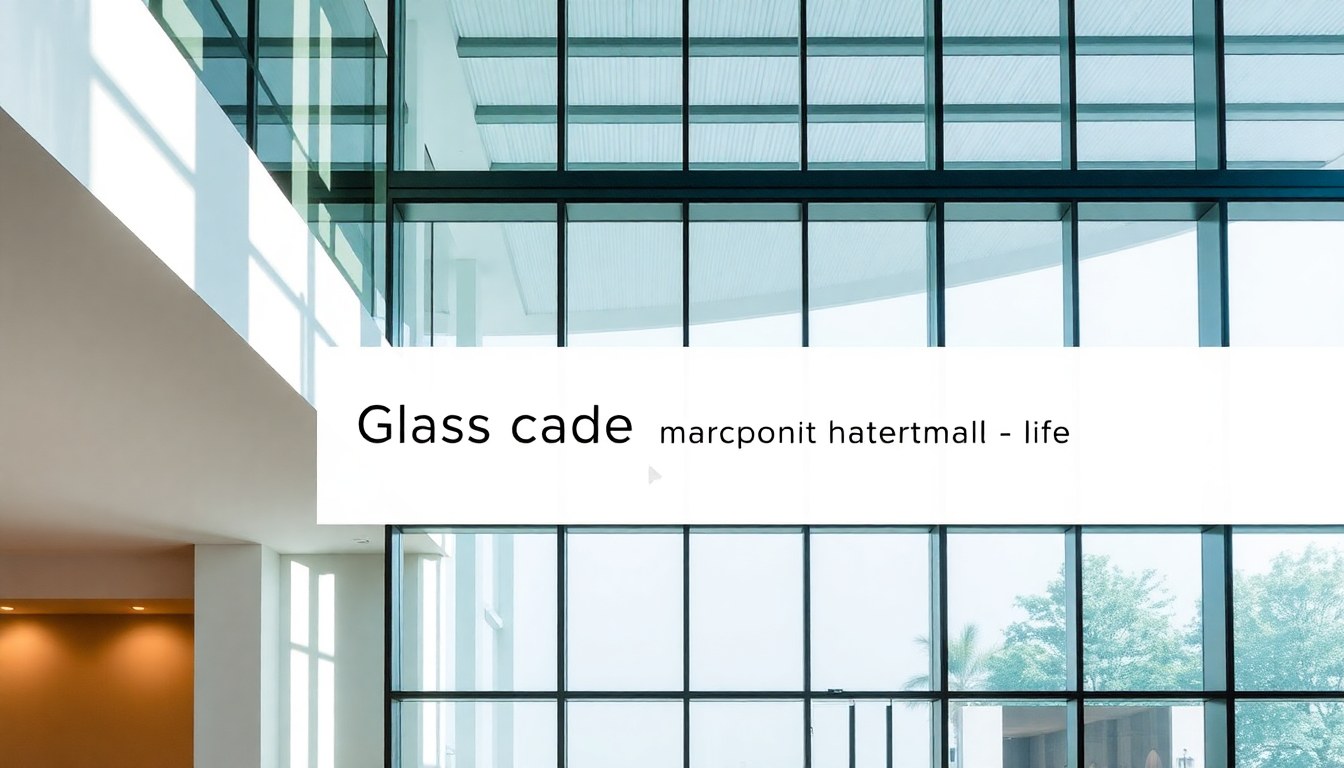
Modern glass facades are architectural showpieces that demand consistent, strategic maintenance to preserve their clarity, structural integrity, and energy efficiency. Without a proper maintenance schedule, even premium glass curtain wall systems deteriorate rapidly—silicone joints fail, algae blooms cloud transparency, and water infiltration compromises building interiors. This guide outlines a practical, seasonal maintenance roadmap that keeps your glass facade performing optimally year-round.
Why Glass Facade Maintenance Matters
Glass facades are exposed to India's diverse climate challenges: intense UV radiation, monsoon moisture, dust accumulation, and temperature fluctuations. The silicone sealants binding glass panels together degrade under UV exposure, thermal cycling, and pollution. Regular maintenance prevents costly emergency repairs, extends facade lifespan from 20–30 years to 40+ years, and maintains the building's aesthetic and market value.
Neglected facades become safety hazards. Weakened sealants can lead to water seepage into insulation layers, structural corrosion, and even panel dislodgement in high winds. Preventive maintenance is far more cost-effective than reactive repairs or replacement. A structured schedule ensures no maintenance gaps slip through the cracks.
Monthly Inspection Protocol
Monthly visual inspections form the foundation of facade health. These don't require specialized equipment—a trained eye and binoculars suffice for ground-level observation. Look for visible cracks in glass, discoloration around sealant lines, water staining, and signs of algae or biological growth.
Document all findings in a maintenance log, noting the location, severity, and recommended action. This creates a historical record that helps predict failure patterns and budget for future work. Monthly inspections catch small issues before they escalate into expensive problems.
Key Monthly Inspection Checklist
- Visual scan of all glass panels for cracks, chips, or haze
- Check silicone joint lines for gaps, peeling, or discoloration
- Look for water stains or streaking patterns indicating drainage issues
- Inspect aluminum framing for corrosion or oxidation
- Note any visible algae, moss, or biological growth
- Check for debris accumulation in horizontal ledges or gutters
Quarterly Deep Cleaning Schedule
Quarterly cleaning (every 3 months) removes accumulated dust, pollution, and biological growth that compromise transparency and accelerate sealant degradation. In Indian cities with high air pollution—Delhi, Mumbai, Bangalore—quarterly schedules may need to shift to bi-monthly intervals. The monsoon season (June–September) demands extra attention due to moisture-driven algae growth.
Deep cleaning involves water-fed poles, soft-bristle brushes, and pH-neutral detergents specifically formulated for glass and silicone. Acidic or alkaline cleaners damage sealants and leave residue that attracts dirt. Professional cleaning services in major Indian cities typically charge ₹8–15 per square meter for exterior glass cleaning, depending on building height and access difficulty.
Quarterly Cleaning Best Practices
- Use deionized or distilled water to prevent mineral deposits
- Apply pH-neutral detergents (7.0 pH) safe for silicone joints
- Avoid high-pressure washing (above 80 bar) that can force water into sealant gaps
- Clean from top to bottom to prevent re-soiling lower panels
- Dry glass with microfiber cloths to eliminate streaking
- Pay special attention to horizontal surfaces where water pools
Semi-Annual Sealant and Joint Inspection
Silicone sealants are the facade's lifeline. Twice yearly (ideally spring and autumn), conduct detailed sealant inspections using close-up visual examination and tactile testing. Press gently on sealant lines with a tool—properly cured silicone resists deformation, while degraded sealant feels soft, sticky, or crumbly. Look for:
- Shrinkage or gaps between glass and frame
- Adhesion loss (sealant pulling away from substrate)
- Surface cracking, crazing, or chalking
- Discoloration or staining indicating water infiltration
- Mold or fungal growth within joint lines
Sealants typically last 15–25 years depending on climate exposure and UV intensity. Indian facades in tropical regions experience accelerated degradation due to high humidity and UV radiation. If sealants show multiple failure signs, plan replacement within 6–12 months. Partial sealant replacement costs ₹150–300 per linear meter, while full facade re-sealing ranges from ₹50,000–₹2,00,000+ depending on building size.
Sealant Replacement Indicators
Not all sealant damage requires immediate replacement. Minor surface cracks (less than 2mm wide) can be monitored quarterly. However, replacement becomes urgent when sealant fails to adhere, allows water penetration, or shows widespread cracking. After 20 years, proactive replacement prevents emergency repairs during monsoon season when water ingress becomes critical.
Seasonal Maintenance Calendar
Pre-Monsoon Maintenance (May–June)
Before India's monsoon arrives, conduct comprehensive facade inspection and cleaning. Clear all drainage channels, gutters, and weep holes of debris. Test water drainage by running water down test sections and observing flow patterns. Inspect sealant joints for gaps that could channel water into building cavities. This is the ideal time to schedule sealant repairs before heavy rains expose weaknesses.
Post-Monsoon Maintenance (October–November)
After monsoon season, inspect for water damage, algae blooms, and staining. Algae and moss thrive in high-humidity conditions and require aggressive cleaning. Use specialized biocides (approved for facades) to eliminate biological growth, followed by thorough rinsing. Check for water stains inside the building indicating sealant failure. Document all damage for insurance and warranty claims if applicable.
Summer Maintenance (February–April)
High temperatures accelerate UV degradation of sealants and can cause thermal stress. Inspect sealants for expansion/contraction cracks. Clean glass thoroughly to remove dust that magnifies heat absorption. Check that thermal expansion joints function properly without binding. This season is ideal for sealant replacement work since low humidity ensures proper curing.
Winter Maintenance (December–January)
Winter brings lower humidity and cooler temperatures—ideal conditions for detailed inspections and sealant work. Conduct thorough cleaning to remove accumulated pollution. Inspect weatherproofing integrity before any unexpected cold snaps. In northern Indian cities, check for thermal stress cracks that develop during temperature fluctuations between heated interiors and cold exteriors.
Professional Maintenance vs. In-House Teams
Large buildings typically employ in-house maintenance teams for routine cleaning and inspections, supplemented by specialist contractors for sealant work and deep cleaning. In-house teams handle monthly inspections and quarterly cleaning, reducing costs to ₹2,000–5,000 monthly for a 10-story building. Professional facade specialists should handle sealant replacement, high-access cleaning, and structural assessments.
When selecting contractors, verify credentials including IRATA (International Rope Access Trade Association) certification for high-access work, experience with your specific facade system, and insurance coverage. Budget ₹5,00,000–₹15,00,000 annually for comprehensive maintenance of a medium-sized commercial facade, depending on building size, location, and climate exposure.
Frequently Asked Questions
How often should glass facade sealants be replaced?
Silicone sealants typically require replacement every 15–25 years, depending on climate and UV exposure. In tropical Indian regions with intense sunlight and high humidity, sealants may degrade faster, requiring replacement every 12–18 years. Semi-annual inspections help determine when replacement becomes necessary. Don't wait until failure occurs—proactive replacement prevents water infiltration and structural damage.
What's the best time of year to clean glass facades in India?
Pre-monsoon (May–June) and post-monsoon (October–November) cleaning is ideal. Avoid cleaning during monsoon season when rain immediately re-soils glass and water can be forced into sealant joints. Summer heat (March–May) allows cleaning solutions to dry quickly without streaking. Winter offers low humidity, perfect for sealant work. Quarterly cleaning every 3 months maintains optimal transparency year-round.
Can I use regular window cleaner on glass facades?
No. Regular window cleaners contain ammonia or acids that damage silicone sealants and leave mineral residue. Always use pH-neutral detergents (7.0 pH) specifically formulated for glass and silicone. Deionized water prevents mineral deposits that attract dirt. Professional-grade cleaners cost slightly more but protect your facade investment and reduce long-term maintenance expenses.
What causes algae growth on glass facades?
Algae thrives in high-humidity environments, particularly during and after monsoon season. Shaded areas, horizontal ledges where water pools, and poorly drained sections are susceptible. Algae accelerates sealant degradation and clouds transparency. Prevention involves maintaining proper drainage, quarterly cleaning with biocides, and ensuring good air circulation around the facade. Persistent algae growth may indicate underlying drainage problems requiring professional assessment.
How much does professional glass facade maintenance cost in India?
Costs vary by location and building size. Exterior glass cleaning averages ₹8–15 per square meter. Monthly inspection services cost ₹2,000–5,000 for typical commercial buildings. Sealant replacement ranges from ₹150–300 per linear meter. Annual comprehensive maintenance (cleaning, inspection, minor repairs) typically costs ₹5,00,000–₹15,00,000 for medium-sized commercial buildings. Obtain quotes from multiple contractors in your city for accurate budgeting.
Glass facade maintenance is an investment in building longevity, safety, and aesthetics. By following this maintenance schedule—monthly inspections, quarterly cleaning, semi-annual sealant checks, and seasonal preparations—you'll extend your facade's lifespan and prevent costly emergency repairs. Ready to find qualified facade maintenance contractors in your area? Browse the extensive directory of glass specialists, contractors, and maintenance service providers on glassy.in, India's largest glass-business directory, to connect with trusted professionals near you.