
Glass Facades
Frameless Glass Façade Silicone Sealants: Durability & Maintenance Schedule
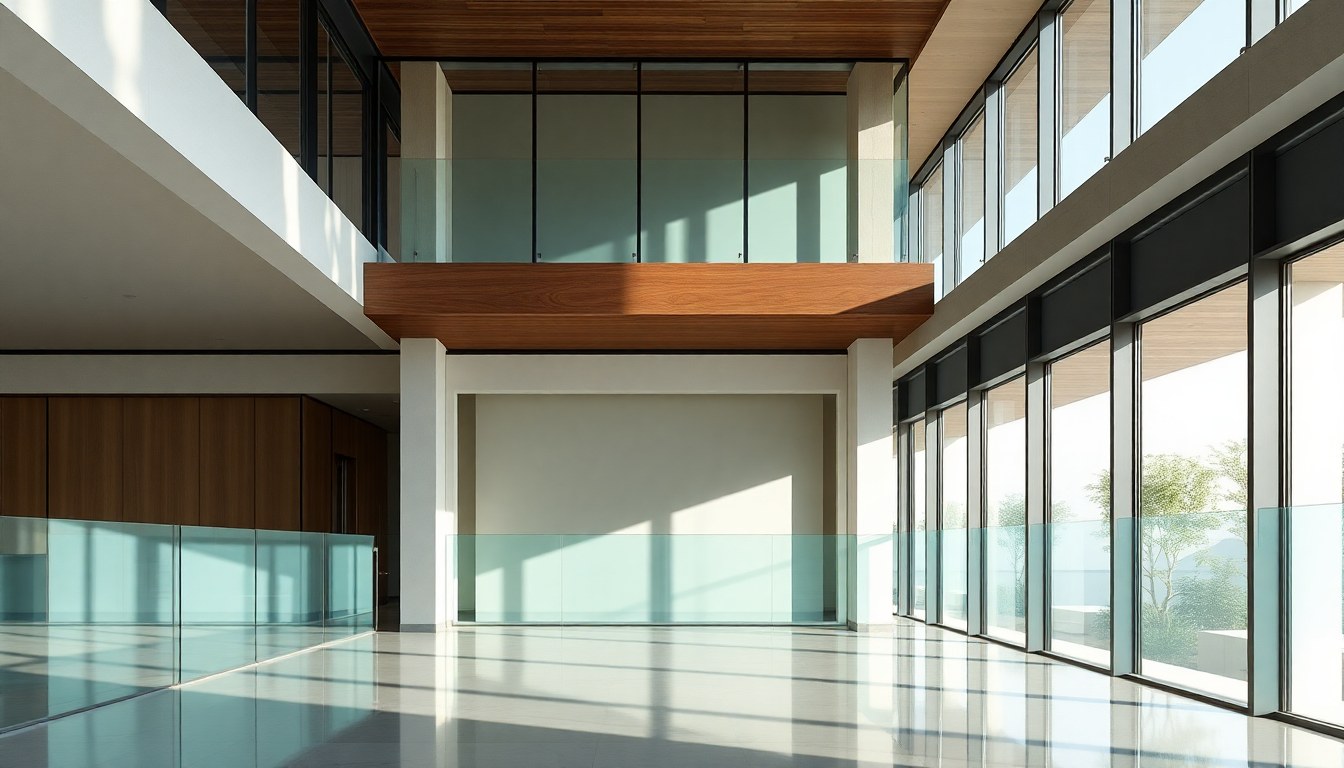
Frameless glass façades create stunning architectural statements, but their structural integrity depends entirely on high-performance silicone sealants holding the system together. Without a disciplined maintenance schedule, even premium sealants degrade under India's intense UV exposure, thermal cycling, and monsoon moisture—leading to water ingress, structural compromise, and emergency repairs costing 3–5 times more than preventive care. This guide outlines exactly when and how to inspect, maintain, and reseal your curtain-wall silicone joints to extend their lifespan and protect your building investment.
Understanding Silicone Sealant Durability in Structural Glass Systems
Structural silicone sealants are engineered to bond glass panes and aluminium frames while accommodating movement, temperature fluctuations, and building settlement. Unlike generic caulks, these sealants must maintain their adhesion and flexibility for 20–30 years under extreme conditions. In India, where temperatures can swing 40°C between day and night, and monsoons introduce sudden moisture spikes, sealant degradation accelerates compared to temperate climates.
The primary failure mechanisms are UV-induced hardening, oxidation of the silicone polymer, loss of plasticizer (causing brittleness), and micro-cracking from thermal stress. High-quality structural silicone sealants (typically acetoxy or alkoxy-based) offer superior durability than cheaper alternatives, but even premium products require proactive maintenance. The cost of a quality structural silicone sealant ranges from ₹800 to ₹2,500 per cartridge (300 ml), depending on brand and specification—a modest investment compared to the ₹5–15 lakhs needed for emergency façade repairs.
Recommended Inspection Schedule and Frequency
A structured inspection program is the cornerstone of sealant longevity. Most building codes and sealant manufacturers recommend a comprehensive inspection every two years for buildings in high-stress environments like India. However, frequency depends on your building's location, age, and exposure.
Initial Inspection Timeline
- Year 1 (Post-Installation): Inspect at 6 months and 12 months to establish baseline condition and catch manufacturing defects early.
- Years 2–5: Annual inspections during the pre-monsoon season (May–June) to identify moisture vulnerability before heavy rains.
- Years 6–10: Bi-annual inspections (mid-year and post-monsoon) as sealants enter their mid-life phase.
- Years 10+: Annual or bi-annual inspections, depending on visible wear and previous maintenance history.
Schedule inspections strategically: conduct them after the monsoon season ends to assess water-intrusion damage, and again before monsoon onset to verify sealant integrity. Buildings in coastal areas (Mumbai, Chennai, Kolkata) or high-altitude regions (Delhi, Bangalore) with extreme temperature swings should inspect annually regardless of age.
What to Look For During Inspection
During each inspection, document the condition of every sealant joint using a standardized checklist. Look for surface crazing (fine cracks), loss of gloss, colour fading, adhesion loss (pulling away from glass or frame), and visible gaps or voids. Use a probe tool to test sealant firmness; if the sealant deforms easily under light pressure, it has likely lost structural integrity. Photograph problem areas and maintain a digital log to track degradation rates.
UV Degradation and Environmental Stress Indicators
India's latitude and year-round solar intensity accelerate UV degradation of silicone sealants. Unlike temperate climates where UV damage accumulates gradually, Indian buildings experience aggressive photochemical breakdown within 8–12 years, even with UV-stabilized formulations.
Signs of UV and Environmental Damage
- Surface chalking or whitening: The sealant surface becomes powdery and loses its original colour. This indicates oxidation of the silicone polymer.
- Loss of elasticity: The sealant becomes hard and brittle, unable to flex with thermal movement. Test by gently pressing with a finger; it should compress slightly and return.
- Micro-cracks and crazing: Fine cracks form in a web-like pattern, allowing water penetration into the joint.
- Adhesion failure: The sealant separates from glass or frame edges, creating gaps where water can enter.
- Discoloration or staining: Dark patches indicate algal or fungal growth, often a sign of trapped moisture.
- Joint widening: If the joint appears wider than originally installed, the sealant has shrunk and lost volume.
Buildings on south-facing elevations degrade 20–30% faster than north-facing sides due to direct sun exposure. Prioritize inspection of high-UV zones and plan resealing accordingly. In Ahmedabad, Delhi, and Pune—cities with extreme solar radiation—expect accelerated degradation timelines.
Resealing Timelines and Replacement Protocols
Even with perfect maintenance, structural silicone sealants have a finite lifespan. Industry standards and sealant manufacturers typically guarantee 15–20 years for high-quality products in Indian climates, though some premium formulations claim 25–30 years. However, this assumes proper installation, regular maintenance, and absence of major environmental stressors.
When to Reseal
- Planned resealing (preventive): At 15–20 years, even if the sealant appears sound, plan a comprehensive resealing project. This is far cheaper than emergency repairs.
- Condition-based resealing (reactive): If inspection reveals significant crazing, adhesion loss, or hardening before year 15, reseal immediately to prevent water ingress.
- Partial resealing: If only specific joints or elevations show damage, you can reseal problem areas without replacing the entire façade. This extends the timeline for full replacement.
A full resealing project for a medium-sized commercial building (5,000–10,000 m² of façade) costs ₹15–40 lakhs, depending on sealant quality, joint complexity, and building height. Partial resealing of damaged zones costs ₹2–8 lakhs. Compare this to the ₹50–150 lakhs cost of fixing water damage, structural corrosion, and interior mold remediation—preventive resealing is a sound investment.
Resealing Process Overview
Professional resealing involves removing old sealant (using specialized tools and sometimes chemical solvents), cleaning the joint substrate thoroughly, applying primer if required, and installing new sealant with proper curing time (typically 7–14 days before the building experiences full thermal cycling). The work must be done by certified façade contractors experienced with curtain-wall systems. Improper removal or installation can damage glass edges or aluminium frames, creating new problems.
Cost of Preventive Maintenance vs. Emergency Repairs
The financial case for preventive maintenance is compelling. A regular inspection-and-maintenance program costs ₹30,000–₹100,000 annually for a typical commercial building, while emergency repairs after sealant failure can exceed ₹10–20 lakhs. Water ingress from failed sealants leads to rust in steel reinforcement, mold in interior spaces, electrical system damage, and potential structural compromise.
Maintenance Cost Breakdown
- Annual inspections: ₹15,000–₹50,000 (depending on building size and inspector expertise)
- Preventive cleaning and minor touch-ups: ₹20,000–₹75,000 per year
- Planned resealing (every 15–20 years): ₹15–40 lakhs for full façade, or ₹2–8 lakhs for targeted areas
- Emergency repairs after failure: ₹50–150 lakhs (includes structural inspection, water damage remediation, interior restoration)
Buildings that invest in systematic maintenance reduce long-term costs by 60–70% and avoid operational disruption. Many property managers budget 0.5–1% of building value annually for façade maintenance—a prudent safeguard for premium real estate.
Best Practices for Sealant Longevity
Beyond inspection and resealing, several practices extend sealant lifespan and reduce degradation rates:
- Specify UV-stabilized formulations: Always use structural silicone sealants with UV inhibitors and anti-oxidants. Premium brands (Dow Corning, Sika, Wacker) cost more but last significantly longer.
- Install protective coatings: Some façade coatings reflect UV and reduce sealant exposure. This can extend lifespan by 5–10 years, though coatings themselves require maintenance.
- Maintain proper joint width and depth: Sealant joints should follow the 1:2 rule (depth is half the width). Oversized or undersized joints fail prematurely.
- Ensure proper curing conditions: Sealants must cure in controlled temperature and humidity. Poor curing compromises long-term performance.
- Avoid incompatible materials: Some primers, cleaners, and adjacent materials react with silicone sealants. Use only compatible products specified by the sealant manufacturer.
- Implement water management: Ensure façade drainage systems function properly. Standing water accelerates sealant degradation.
Frequently Asked Questions
How often should frameless glass façade sealants be inspected?
Comprehensive inspections should occur every two years for most buildings in India. However, buildings in high-stress environments—coastal areas, high-altitude cities, or extreme-temperature zones—should inspect annually. After the first year of installation, inspect at 6 months and 12 months to establish baseline condition. Schedule inspections before and after the monsoon season to catch water-intrusion issues early.
What are the main signs that silicone sealants need replacement?
Key indicators include surface chalking or whitening (oxidation), loss of elasticity (hardness when pressed), visible crazing or micro-cracks, adhesion failure (gaps between sealant and glass/frame), discoloration or mold growth, and joint shrinkage. If sealants are more than 15–20 years old, plan replacement even if they appear sound, as degradation may be internal and not visible.
How much does it cost to reseal a glass façade?
Full resealing of a medium-sized commercial building (5,000–10,000 m²) costs ₹15–40 lakhs, depending on sealant quality, joint complexity, and building height. Partial resealing of damaged zones costs ₹2–8 lakhs. This is substantially cheaper than emergency repairs after sealant failure, which can cost ₹50–150 lakhs including water damage remediation and interior restoration.
Can I partially reseal a façade, or must the entire system be replaced?
Partial resealing is often viable if only specific joints or elevations show damage. This extends the timeline for full replacement and reduces immediate costs. However, if degradation is widespread or the building is nearing the end of the sealant's design life (15–20 years), full resealing may be more cost-effective in the long term. A professional façade audit will recommend the optimal strategy.
What's the best way to prevent UV damage to façade sealants?
Specify UV-stabilized structural silicone sealants with anti-oxidant additives from reputable manufacturers. Consider applying protective façade coatings that reflect UV radiation, though these require their own maintenance. Regular cleaning removes dirt and contaminants that accelerate UV breakdown. In extreme-sun regions (Ahmedabad, Delhi, Pune), prioritize south-facing elevations for more frequent inspection and earlier resealing.
Connect with Expert Glass Façade Suppliers on Glassy.in
Maintaining frameless glass façades requires access to quality sealants, professional contractors, and reliable inspection services. Glassy.in connects building owners and facility managers across India with vetted glass suppliers, sealant manufacturers, and façade maintenance specialists. Browse our directory to find certified contractors in your city, compare sealant products and pricing, and schedule expert inspections. Protect your building's structural integrity and aesthetic appeal—start your search on Glassy.in today.