
Glass Facades
Laminated Glass for Shopfronts: Security, Sound Insulation & Design Impact
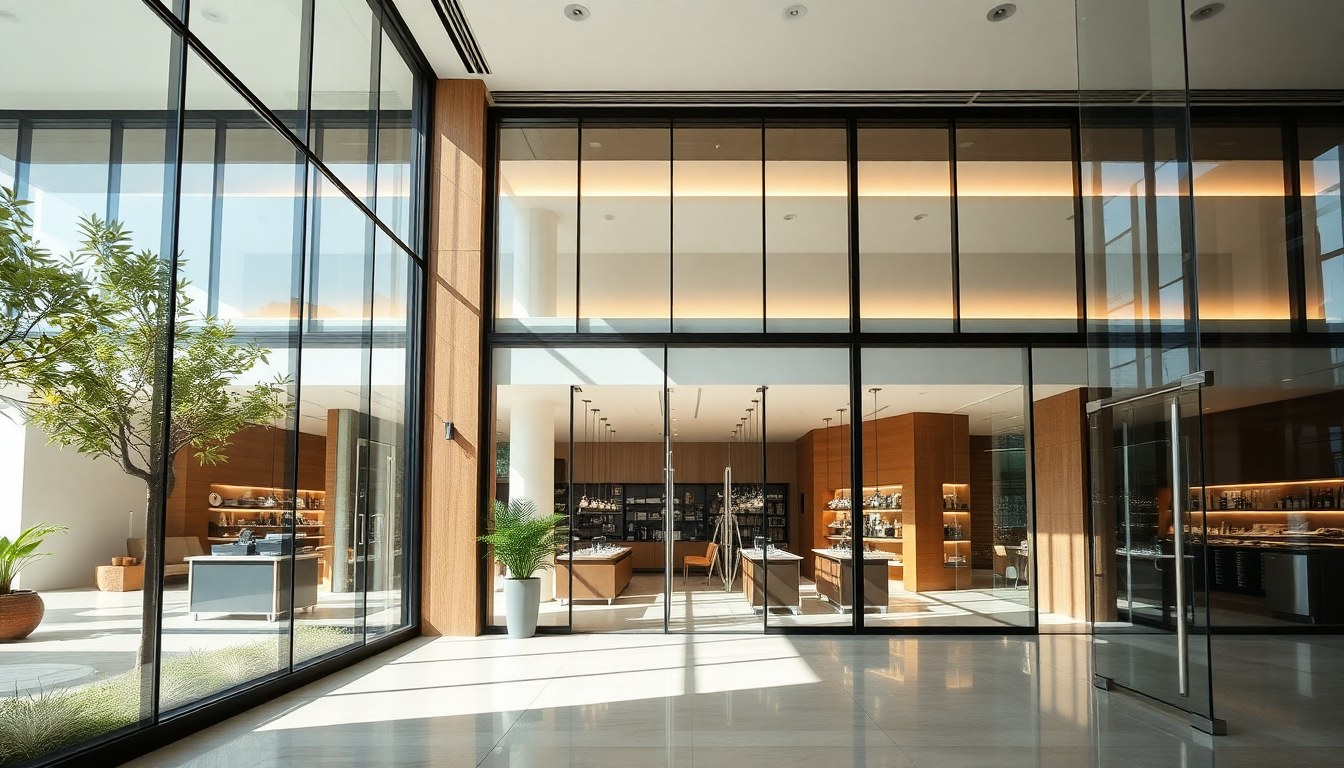
A shopfront is your retail business's first impression, but it's also a potential vulnerability. Laminated glass has become the preferred solution for retail storefronts across India, delivering proven burglar resistance, noise reduction, and design flexibility in one material. Whether you're opening a new store in Mumbai, Bangalore, or Delhi, understanding laminated glass specifications and installation requirements will help you make an informed investment in your storefront security and brand presentation.
What Is Laminated Glass and How Does It Work?
Laminated glass consists of two or more panes of glass bonded together with a plastic interlayer, typically polyvinyl butyral (PVB). When impact occurs, the glass may crack, but the interlayer holds the fragments together, preventing the glass from shattering into dangerous shards. This fundamental design makes laminated glass fundamentally different from ordinary annealed or tempered glass used in non-critical applications.
The interlayer thickness and composition determine the glass's strength and performance characteristics. Standard laminated glass for shopfronts typically uses PVB interlayers ranging from 0.38mm to 1.52mm thick. Thicker interlayers provide greater impact resistance and sound insulation but also increase cost and weight. For retail environments, a 6mm laminated glass (3mm + 0.76mm PVB + 3mm) or 8mm laminated glass (4mm + 1.52mm PVB + 4mm) offers an optimal balance of security, clarity, and affordability.
Security Benefits: Burglar Resistance and Impact Protection
Laminated glass significantly raises the barrier against forced entry. A burglar attempting to break through laminated glass faces two major obstacles: the glass itself resists fracturing under impact, and the interlayer prevents easy removal of broken pieces. Tests by security organizations show that laminated glass delays forced entry by 5–15 minutes, depending on thickness and interlayer composition—often enough to deter opportunistic theft or trigger alarm systems.
Compliance with Indian Security Standards
India's Bureau of Indian Standards (BIS) has established guidelines for security glazing. For retail applications, laminated glass should meet BIS 12515 (Code of Practice for Safety and Security Glazing) or equivalent international standards like EN 356 (European standard for security glazing). When specifying laminated glass for your shopfront, request documentation confirming compliance with these standards. Insurers often offer premium discounts for storefronts using certified laminated glass, offsetting some of the installation cost.
Resistance to Common Retail Threats
Beyond burglary, laminated glass protects against:
- Accidental impact: Heavy objects dropped during loading or unloading won't cause dangerous glass fragments to scatter.
- Weather damage: High winds and hail are contained within the interlayer, maintaining the integrity of your storefront.
- Vandalism: Graffiti and minor impacts are more difficult to execute, reducing repair costs and downtime.
- Blast effects: In rare cases of nearby explosions or accidents, laminated glass reduces injury risk from flying glass shards.
Sound Insulation and Noise Reduction
Retail locations in busy commercial areas—near highways, markets, or transit hubs—face constant noise pollution. Laminated glass provides effective sound insulation by absorbing and dampening sound vibrations through the interlayer. A standard 6mm laminated glass reduces noise by approximately 28–30 decibels, while thicker 8mm or 10mm laminated glass can achieve 30–35 decibel reduction. For context, this means a shopfront on a noisy street can reduce traffic noise from 80 dB to 50–52 dB, creating a more pleasant shopping environment.
The sound insulation benefit extends beyond customer comfort. Reduced noise improves staff concentration, reduces fatigue, and creates a perception of quality and exclusivity—factors that influence purchasing behavior. High-end retail brands in Bangalore and Mumbai increasingly specify laminated glass specifically for its acoustic properties.
Optimizing Acoustic Performance
To maximize sound reduction, combine laminated glass with these design strategies:
- Asymmetrical glazing: Using different glass thicknesses on each side (e.g., 5mm + 1.52mm PVB + 4mm) reduces resonance better than symmetrical designs.
- Air gaps: Double-glazed units with laminated glass on both panes and a 6–12mm air gap provide superior insulation.
- Proper sealing: Acoustic performance is lost if frames and seals allow sound leakage; ensure installation meets BIS 12515 standards.
- Thicker interlayers: Upgrading from 0.76mm to 1.52mm PVB interlayers improves sound reduction by 2–3 additional decibels.
Design Impact and Brand Visibility
Laminated glass doesn't compromise aesthetics. Modern laminated glass maintains crystal-clear transparency, allowing customers to see products and displays without distortion. The material integrates seamlessly into contemporary shopfront designs, whether minimalist or ornate. Many retail designers prefer laminated glass because it offers flexibility in frameless or semi-frameless designs—the interlayer provides structural integrity without relying on heavy framing.
Laminated glass also supports custom design applications. Frosted or tinted laminated glass can create branded visual elements while maintaining security. Some retailers apply gradient tints or branded patterns to laminated glass, creating a distinctive storefront identity. In Delhi and Bangalore's premium retail districts, designers frequently specify laminated glass with subtle tinting or digital printing to enhance brand perception.
Maintenance and Long-Term Appearance
Laminated glass requires standard glass cleaning—no special maintenance is needed. The interlayer is sealed within the glass unit, so it won't yellow, peel, or degrade under UV exposure or weather. Unlike some plastic security films applied to ordinary glass, laminated glass maintains its appearance indefinitely. This durability means your shopfront investment will look professional for 20+ years without cosmetic degradation.
Installation Requirements and Specifications
Proper installation is critical to achieving the security and acoustic benefits of laminated glass. Laminated glass is heavier than standard glass—an 8mm laminated unit weighs approximately 20 kg/m²—so frames must be designed to support the load. Aluminum or steel frames are standard for retail shopfronts; wooden frames are not recommended due to insufficient load-bearing capacity.
Key Installation Considerations
- Frame specifications: Frames must be rated for laminated glass load and certified by the manufacturer. Typical retail shopfronts use 50–80mm aluminum frames with reinforced sills.
- Glazing compound: Use high-quality glazing compound or silicone sealant designed for laminated glass. Standard compounds may not provide adequate adhesion.
- Gaskets and spacers: Proper gaskets prevent moisture ingress and reduce stress on the glass edges, extending the life of the interlayer.
- Professional installation: Laminated glass installation requires skilled labor. Improper handling or cutting can compromise the interlayer. Always hire certified glass installers with experience in security glazing.
- Edge protection: The edges of laminated glass are vulnerable to moisture and delamination. Ensure edges are sealed with protective tape or sealant during installation.
- Thermal stress management: In hot climates like Delhi and Mumbai, allow for thermal expansion. Frames should accommodate 5–10mm of movement without stressing the glass.
Size and Thickness Options
Laminated glass is available in standard sizes up to 3m × 2.5m, though custom sizes can be manufactured. For retail shopfronts, common specifications are:
- 6mm laminated (3+0.76+3) – Budget-conscious retail, adequate security
- 8mm laminated (4+1.52+4) – Standard retail, good balance of security and sound insulation
- 10mm laminated (5+1.52+5) – Premium retail, maximum security and acoustic performance
- 12mm laminated (6+2.28+6) – High-security applications, bank branches, jewelry stores
Cost Considerations and ROI
Laminated glass costs 30–50% more than standard glass, depending on thickness and interlayer specifications. A typical 8mm laminated shopfront of 10m² might cost ₹18,000–₹25,000 installed, compared to ₹12,000–₹15,000 for standard tempered glass. However, the investment delivers measurable returns through reduced insurance premiums, lower theft losses, and improved customer experience.
Insurance companies in India often provide 5–15% premium reductions for retail locations using certified laminated glass. Over a 10-year period, this discount can offset 30–50% of the initial installation cost. Additionally, reduced vandalism and theft—common issues in busy retail areas—save money on repairs and replacement stock. For high-value retail (jewelry, electronics, cosmetics), laminated glass is a cost-effective security investment.
Frequently Asked Questions
Is laminated glass bulletproof?
Standard laminated glass used in retail shopfronts is not bulletproof. Retail-grade laminated glass (6–12mm) resists burglary tools and impacts but will not stop bullets. If ballistic protection is required, specialized bullet-resistant laminated glass with thicker interlayers (typically 20–50mm) is available but is cost-prohibitive for most retail applications and is primarily used in banks and high-security facilities.
Can laminated glass be tinted or frosted?
Yes. Laminated glass can be manufactured with tinted or frosted interlayers, or the glass panes themselves can be tinted before lamination. Frosted or gradient-tinted laminated glass is popular for creating branded visual effects while maintaining security. However, custom tinting increases cost and lead time by 2–4 weeks. Ensure your supplier has experience with custom laminated glass to avoid color inconsistencies.
How long does laminated glass last?
Properly installed laminated glass lasts 20–30 years or longer. The interlayer can delaminate (separate from the glass) if exposed to prolonged moisture or UV damage, but modern PVB interlayers are UV-stabilized and resist degradation. The key to longevity is proper installation with sealed edges and quality frames that prevent water infiltration. If your shopfront is in a high-moisture area (coastal cities like Mumbai or Kochi), specify UV-stabilized interlayers and ensure regular maintenance of seals.
Can laminated glass be repaired if cracked?
Laminated glass cannot be repaired—the entire unit must be replaced. However, a cracked laminated glass unit remains secure because the interlayer holds the fragments in place, preventing shattering and maintaining the security barrier. You can continue operating the storefront while arranging replacement, unlike standard glass which requires immediate replacement for safety. Replacement typically takes 5–10 business days depending on size and specifications.
What's the difference between laminated and tempered glass for shopfronts?
Tempered glass is heat-treated to increase strength but shatters into small, harmless fragments when broken. Laminated glass is bonded with an interlayer and remains intact when cracked. Laminated glass offers superior security (fragments don't fall out) and sound insulation, while tempered glass is cheaper and easier to install. For security-conscious retail, laminated glass is the better choice. For non-critical applications (interior partitions, display cases), tempered glass is acceptable.
Conclusion: Invest in Laminated Glass for Modern Retail
Laminated glass is the intelligent choice for retail storefronts across India, delivering proven security, acoustic performance, and design flexibility. Whether you're protecting a jewelry store in Delhi, a cosmetics boutique in Bangalore, or a flagship store in Mumbai, laminated glass provides peace of mind and enhances the customer experience. Proper specification, professional installation, and compliance with BIS standards ensure your investment delivers maximum value.
Ready to upgrade your shopfront? Explore certified laminated glass suppliers and installation experts on glassy.in, India's largest glass-business directory. Connect with trusted glass manufacturers, installers, and consultants who specialize in retail security glazing and can deliver customized solutions for your storefront.