
Glass Facades
Glass Façade Maintenance in Coastal Cities: Salt Corrosion Prevention
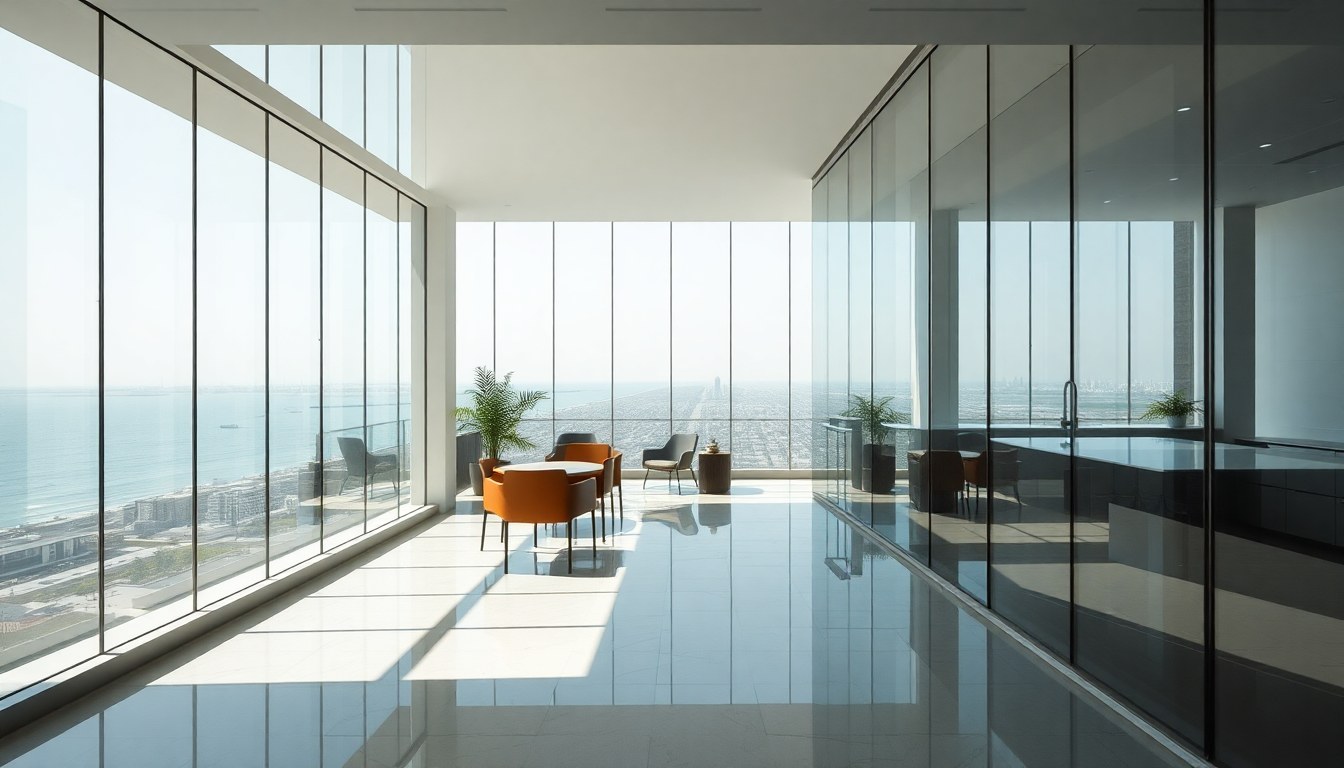
Coastal cities like Visakhapatnam, Kochi, and Mumbai face a unique challenge: salt spray from the ocean corrodes glass façades, frames, and structural elements at an accelerated rate. Without proper maintenance and protective measures, even high-quality glass installations can deteriorate within a few years, compromising aesthetics and structural integrity. This guide walks you through salt corrosion prevention strategies, maintenance schedules, and protective coatings designed specifically for India's coastal climate.
Understanding Salt Corrosion in Coastal Glass Façades
Salt spray—a mixture of salt particles and moisture suspended in air—is one of the most aggressive environmental factors affecting glass buildings in coastal regions. When salt particles settle on glass surfaces and metal frames, they absorb atmospheric moisture and create a corrosive electrolyte. This process accelerates oxidation of aluminum frames, sealants, and any exposed metalwork, while also promoting staining and etching on the glass itself.
The severity of salt corrosion depends on proximity to the coastline, wind patterns, humidity levels, and the quality of materials used. Buildings within 500 meters of the shore experience significantly higher salt deposition rates. In cities like Visakhapatnam and Kochi, where monsoon rains combine with salt spray, the problem intensifies. Regular maintenance becomes not just cosmetic but essential to prevent structural failures and extend the lifespan of your glass façade investment.
How Salt Damages Glass and Frames
- Aluminum frame corrosion: Salt initiates pitting corrosion, creating white oxidation deposits and weakening structural integrity.
- Sealant degradation: Silicone and polyurethane sealants break down faster when exposed to salt and UV radiation, leading to water infiltration.
- Glass etching: Salt deposits can etch glass surfaces, creating permanent clouding and reducing transparency.
- Stainless steel failure: Even grade 316 stainless steel can suffer pitting if chloride concentrations are extreme.
- Glazing compound deterioration: Traditional glazing compounds lose elasticity and crack under salt-accelerated weathering.
Protective Coatings for Coastal Glass Façades
Applying the right protective coating is your first line of defense against salt corrosion. Modern coatings create a barrier that prevents salt particles and moisture from reaching the underlying substrate. For coastal installations, you have several options, each with distinct advantages and cost-benefit profiles.
Hydrophobic and Oleophobic Coatings
Hydrophobic coatings repel water and reduce the adhesion of salt particles to glass surfaces. These are typically silicone-based or fluoropolymer-based treatments applied to the glass exterior. In coastal cities, hydrophobic coatings reduce water spotting and salt staining by up to 80%, making maintenance easier and less frequent. Popular brands in India include coatings from Nippon Paint, Jotun, and specialized glass coating manufacturers. Costs range from ₹150 to ₹400 per square meter, depending on the coating quality and application method.
Oleophobic coatings go further by repelling both water and oils, preventing fingerprints and organic deposits from sticking. For high-traffic commercial buildings in coastal areas, oleophobic coatings are worth the extra investment (₹300–₹600 per sq. m) because they maintain clarity and aesthetics longer between cleaning cycles.
Anti-Corrosion Coatings for Metal Frames
Aluminum and steel frames require dedicated anti-corrosion protection. Polyurethane-based coatings, epoxy primers, and zinc-rich primers are standard in the industry. A typical two-coat system—primer plus topcoat—costs ₹200–₹350 per square meter of frame area. In coastal zones, consider upgrading to a three-coat system with an intermediate tie coat for maximum durability. These coatings should be reapplied every 5–7 years in high-salt environments.
Maintenance Schedule for Coastal Glass Façades
Prevention through coatings is essential, but regular maintenance extends the life of your investment significantly. A structured maintenance schedule adapts to your location's salt exposure level and monsoon intensity.
Monthly and Quarterly Tasks
- Visual inspection: Check for white oxidation deposits, salt crusts, or discoloration on glass and frames.
- Sealant examination: Look for cracks, gaps, or peeling in silicone sealants, especially around joints and corners.
- Drainage verification: Ensure weep holes and drainage systems are clear of salt deposits and debris.
- Gentle cleaning: Use deionized water and soft microfiber cloths to wipe salt residue. Avoid abrasive materials that can scratch glass.
Semi-Annual Deep Cleaning
Every six months (ideally before and after monsoon season in coastal India), conduct a thorough façade cleaning. This involves:
- Pressure washing at low pressure (below 80 bar) to avoid sealant damage.
- Using pH-neutral cleaning solutions specifically formulated for salt removal.
- Inspecting and resealing any compromised joints.
- Applying fresh hydrophobic coating if previous coating is visibly degraded.
Professional cleaning services in coastal cities like Visakhapatnam and Kochi charge ₹500–₹1,200 per 100 square meters for high-rise façades, depending on access difficulty and contamination severity.
Annual Professional Assessment
Hire a certified façade engineer or glass specialist to conduct a comprehensive inspection annually. They will assess coating condition, identify early-stage corrosion, test sealant adhesion, and recommend preventive repairs before problems escalate. This ₹15,000–₹40,000 investment (depending on building size) can save ₹5–₹10 lakhs in emergency repairs later.
Best Practices for Coastal Glass Façade Installation
If you're planning a new glass curtain wall system in a coastal city, incorporating salt-resistant design from the start is far more cost-effective than retrofitting later. Here are critical specifications to include in your project brief:
Material Selection
- Aluminum frames: Specify anodized aluminum (Type II, Class 2 minimum; Type III for extreme exposure) or powder-coated aluminum with a minimum 80-micron topcoat.
- Stainless steel hardware: Use only grade 316 or 316L for fasteners, brackets, and any exposed metalwork.
- Glass type: Low-iron tempered or laminated glass resists salt etching better than standard float glass.
- Sealants: Choose structural silicone sealants rated for high-movement applications (±25% minimum) with proven salt-spray test results per ASTM B117.
Design Considerations
Ensure the façade design includes adequate drainage slopes, wide weep holes (minimum 10 mm), and compartmentalization to prevent water and salt from spreading laterally. Avoid horizontal ledges or recesses that trap salt deposits. In Visakhapatnam, where monsoon winds are fierce, specify impact-resistant glass and reinforced frame connections.
Regulatory and Testing Standards in India
Glass façades in coastal regions should comply with Indian Standards and international best practices. Key standards include:
- IS 2530 (Code of Practice for Installation of Aluminum Alloy Doors and Windows): Covers corrosion protection for aluminum frames.
- ASTM B117 (Salt Spray Test): Specifies accelerated corrosion testing; aim for coatings that withstand 1,000+ hours without red rust.
- ASTM C1248 (Specification for Elastomeric Joint Sealants): Ensures sealants maintain integrity in coastal environments.
- NBC 2016 (National Building Code of India): Includes durability requirements for façade materials in different climatic zones.
When procuring materials, request test certificates from suppliers. Reputable manufacturers provide ASTM B117 salt-spray test data showing that their coatings and sealants withstand extended exposure without significant degradation.
Cost-Benefit Analysis of Preventive Maintenance
Investing in protective coatings and regular maintenance might seem expensive upfront, but the long-term savings are substantial. A 10,000 sq. m glass façade in a coastal city might cost ₹20–₹30 lakhs to install. Preventive maintenance (₹3–₹5 lakhs over 10 years) extends the façade's useful life from 15 years to 25+ years. Without maintenance, you risk emergency repairs costing ₹10–₹15 lakhs or complete replacement.
Furthermore, a well-maintained façade enhances property value, reduces energy loss through air infiltration, and minimizes downtime for occupants. For commercial buildings, this translates to lower operational costs and higher tenant satisfaction.
Frequently Asked Questions
How often should I clean glass façades in coastal cities like Kochi or Visakhapatnam?
In high-salt environments, clean your façade every 3–4 months, or more frequently if you notice visible salt deposits or white oxidation. After monsoon season, a thorough cleaning is essential to remove accumulated salt and moisture. Monthly visual inspections help you catch problems early.
What is the lifespan of protective coatings on coastal glass façades?
Hydrophobic and oleophobic coatings typically last 3–5 years in coastal areas, depending on intensity of salt spray and maintenance. Anti-corrosion coatings on metal frames last 5–7 years. Reapply coatings proactively rather than waiting for visible degradation to avoid corrosion underneath.
Can I use regular window cleaning products on salt-exposed glass?
No. Avoid acidic or alkaline cleaners, which can react with salt deposits and cause etching. Use pH-neutral, deionized water-based solutions specifically formulated for salt removal. Microfiber cloths and soft-bristle brushes are safer than abrasive pads. For stubborn salt crusts, let a mild solution soak for 10–15 minutes before gentle agitation.
Is stainless steel truly corrosion-resistant in coastal environments?
Grade 316 and 316L stainless steel resist corrosion far better than lower grades, but they are not immune. In extreme coastal zones (within 100 meters of the shore), even 316 stainless can develop pitting corrosion. Regular rinsing with freshwater and protective coatings extend its life significantly.
What warning signs indicate my façade needs immediate professional inspection?
Watch for white or gray oxidation on aluminum frames, visible cracks or separation in sealants, water stains on interior walls, fogging between glazing panes, or rust spots on any metal components. These indicate corrosion has begun and professional intervention is needed within weeks, not months.
Protecting your glass façade in coastal India requires a combination of smart material selection, quality protective coatings, and consistent maintenance. Whether you manage a high-rise in Visakhapatnam, Kochi, or another coastal city, the investment in prevention pays dividends in durability and aesthetics. Explore specialized glass suppliers and façade contractors on glassy.in, India's largest glass-business directory, to find certified professionals who understand coastal corrosion challenges and can deliver tailored solutions for your project.