
Technology
Glass Bevelling Process: Step-by-Step Guide for Beginners
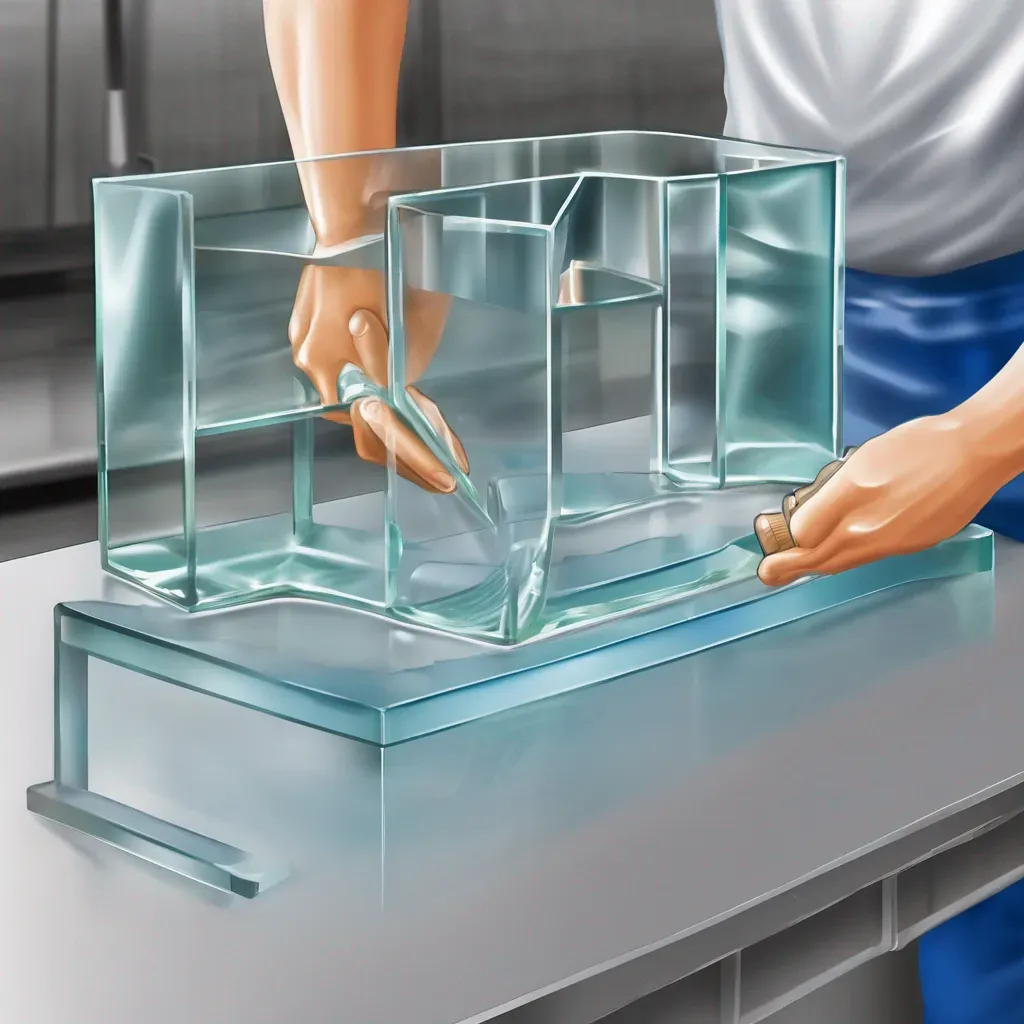
How Glass Bevelling is Done: A Step-by-Step Guide
Glass has long been a cherished medium in art, design, and architecture. From showcasing intricate details in stained glass panels to creating reflective surfaces that play with light, its versatility is undeniable. Among the many techniques that elevate glass from functional to artistic, glass bevelling is a standout.
Glass bevelling is the process of angling and polishing the edges of a glass piece to add dimension, improve durability, and enhance its aesthetic appeal. It is a favorite among interior designers and architects for its ability to refract light beautifully, creating shimmering accents in mirrors, windows, and tabletops. But how is it done? Here’s a detailed step-by-step guide to better understand this fascinating process.
Step 1: Preparing the Glass
Before the actual bevelling begins, preparation is key. The process starts with selecting the type of glass to be bevelled. Be it clear glass for a modern touch, frosted glass for understated elegance, or colored glass for artistic flair, the choice depends on the desired outcome.
Once selected, the glass is thoroughly cleaned to remove dust, grease, or any contaminants. Clean, scratch-free surfaces ensure a smooth bevelling result, emphasizing the interplay of light and angles that this art form is known for.
Step 2: Marking the Bevel Edge
Next comes the planning phase, where the width and angle of the bevel edge are determined. This is often dictated by the glass’s purpose. For example:
- A wide bevel might be chosen for mirrors to create a dramatic halo effect that refracts light around the edges.
- A subtle, narrow bevel works perfectly for smaller decorative elements that draw attention to intricacies without overwhelming the design.
Once the dimensions are finalized, an outline is marked on the glass to guide the bevelling process. Precision during this step is critical for achieving symmetrical and professional results. High-quality equipment and attention to detail make all the difference here.
Step 3: Cutting and Grinding
With the bevel edge mapped out, the cutting and grinding process begins. Professional-grade bevelling machines are used to create the angled edge of the glass. These machines come with grinding wheels coated in abrasive materials like diamond grit, which are robust enough to eat through glass with precision.
The initial grinding step is rough and designed to shape the desired angle. Depending on the project, this angle can vary. For instance, an acute angle may produce a sleek, modern edge, while a wider angle leans towards a classic, more ornamental finish.
This stage demands skill, as uneven grinding can mar the smooth, polished appearance that glass bevelling is known for.
Step 4: Smoothing the Edge
After the initial grinding, the bevelled edges are still coarse and jagged. To achieve the characteristic smooth finish, the edges undergo a secondary refining process using finer grit grinders. This step is all about removing roughness while maintaining the beveled slope’s integrity.
It’s during this process that the artistic nature of glass bevelling truly comes to life. The gradual softening of the edges creates a visually appealing border that enhances the overall elegance of the glass. Smooth edges are also safer, making this an essential part of the workflow.
Step 5: Polishing the Surface
To transform the bevelled edges into their final, eye-catching state, polishing is the final step. Special polishing pads or belts combined with cerium oxide or other polishing compounds are used to refine the surface further. Polishing eliminates minor imperfections and infuses the bevel with its signature glossy shine.
The end result is a shimmering edge that plays with light, creating reflections and sparkles that instantly elevate a glass piece. It’s no wonder glass bevelling is so revered in both the art and architectural domains.
Step 6: Final Quality Check
Craftsmanship, regardless of the medium, demands a meticulous eye for detail. Before the bevelled glass is declared complete, it undergoes a thorough inspection to ensure no flaws—like chips, uneven angles, or subpar polish—have been overlooked. Any imperfections are addressed, guaranteeing a flawless piece.
When done correctly, the final product not only enhances the functionality of the glass but also adds a layer of artistry. The beveled edges act as a frame that draws attention to the glass’s core design, whether it’s a window, mirror, or decorative panel.
Where You’ll Find Glass Bevelling in Action
Thanks to its breathtaking visual and functional qualities, glass bevelling is used across various spaces and applications:
- Interior Design: From beveled mirrors that create the illusion of larger spaces to beveled glass cabinets and tabletops that exude sophistication, this technique enriches home and office decor.
- Architecture: Beveled glass windows add grandeur to entryways, church designs, and historic buildings.
- Art: Artists often turn to bevelled glass to craft bespoke installations or decorative accents that reflect and refract light like jewelry.
For those inspired by the artistry of glass, or design professionals excited about incorporating beveled glass elements into their projects, exploring options with experienced glass artisans is a rewarding endeavor.
Why It’s Worth the Investment
Glass bevelling is not merely a decorative technique but an investment in craftsmanship. It adds durability to glass edges while elevating their aesthetic appeal. Whether you’re designing a contemporary space or restoring period architecture, the inclusion of bevelled glass can add depth, elegance, and personality.
If you’re ready to explore how glass bevelling can enhance your interiors or art projects, Glassy offers a range of services tailored to your vision. Their expert artisans seamlessly blend craft and innovation to create high-quality beveled glass that captures the beauty of light and design.
For more inspiration and insights into the world of glasswork, discover the artistry here.
Final Thoughts
The process of glass bevelling is a testament to the synergy of art and precision. While it is a meticulous and time-intensive craft, its ability to transform ordinary glass into a luxurious, light-catching masterpiece is truly remarkable.
Whether used in mirrors, architectural windows, or artistic installations, glass bevelling continues to captivate designers, artists, and homeowners alike. It’s an age-old technique that remains as relevant and breathtaking today as it was centuries ago, ensuring that glass remains both a functional and artistic medium for generations to come.# How Glass Bevelling is Done: A Step-by-Step Guide
Glass has long been an essential component of art, design, and architecture. From exquisite stained-glass windows in historic cathedrals to sleek, modern interiors, glass elevates any space with its elegance and timelessness. One of the techniques that contributes to its allure is glass bevelling—a process that involves cutting and polishing the edges of glass at an angle to create a beautiful, angled finish. Whether you’re interested in the craft for artistic expression, functional purposes, or interior design, understanding how glass bevelling is done can deepen your appreciation for this unique art form.
In this article, we’ll walk you through the step-by-step process behind glass bevelling, highlighting its applications and how it transforms ordinary glass into extraordinary works of art.
What is Glass Bevelling?
Glass bevelling is the process of shaping the edges of a glass piece by grinding and polishing them at an angle. This method produces a slanted edge that softens sharp lines and refracts light in fascinating ways, creating a prism-like effect. Bevelling adds dimension and elegance to both functional and decorative pieces, making it a popular choice for elements like mirrors, tabletops, decorative panels, and even glass artwork.
For those with a passion for “art & glass,” this process represents a perfect marriage of craftsmanship and creativity. By enhancing the visual appeal of glass, bevelling turns it into a statement feature that complements any interior or architectural design.
Step-by-Step Guide to Glass Bevelling
If you’re wondering how this intricate process is performed, here’s a detailed guide to give you a comprehensive understanding of the steps involved in glass bevelling:
1. Preparation of the Glass
Before starting the bevelling process, it’s crucial to prepare the glass to ensure safety and precision. The glass needs to be cleaned thoroughly to remove any dust, debris, or fingerprints that could interfere with the process. After ensuring that the glass is clean, you’ll also need to measure and mark the edges you want to bevel.
Safety is paramount in this art form—working with sharp glass edges and advanced machinery requires protective gear like safety goggles and gloves.
2. Selecting the Appropriate Bevelling Tools
The tools used in glass bevelling are key to achieving the desired results. Professionals often use specialized bevel grinding machines equipped with diamond or silicon carbide grinding wheels. For more delicate or artistic projects, handheld tools may be used.
The choice of equipment depends on factors like the thickness of the glass, the angle of the bevel, and the level of precision required.
3. Shaping the Bevel
Once the glass is prepped, it’s time to set it up on the bevelling machine. The machine is adjusted to create the desired angle—typically between 15 and 45 degrees.
The grinding wheel’s abrasive surface is carefully applied to the edge of the glass, gradually shaping the bevel. This stage requires a steady hand and an eye for detail to ensure that the bevel is smooth and even. Many artisans in the “art & glass” community consider this step a test of patience and skill, as even the smallest inconsistency can affect the aesthetics of the finished piece.
4. Fine Grinding
After the initial shaping, the edges of the glass are subjected to fine grinding to smooth out any roughness left behind by the coarse grinding wheel. This step not only refines the bevel but also prepares it for the polishing phase.
Fine grinding typically involves the use of finer grit wheels or belts, enabling the artisan to achieve a seamless, flawless edge.
5. Polishing the Bevel
Polishing is the final and most rewarding step. At this stage, the glass edges are buffed to reveal their polished, crystal-clear finish. Polishing compounds like cerium oxide are applied to enhance the clarity and brilliance of the bevel, allowing the refractive properties of the glass to shine.
This step brings the craftsmanship full circle, transforming a functional process into a statement of artistry. The reflectivity and light-diffusing properties achieved during this stage are what make bevelling such a sought-after technique in the world of glass design.
6. Quality Assurance
No piece of beveled glass is considered complete without a thorough inspection. Professionals examine the edges to ensure the bevel is even and polished to perfection. Any additional adjustments are made at this stage to meet the design requirements.
Why Glass Bevelling Matters
In interior design and architectural applications, glass bevelling serves more than an aesthetic purpose. It enhances safety by eliminating sharp edges and improves the durability of the glass by strengthening its perimeter. These functional benefits come in addition to its visual impact, making it a versatile solution for both residential and commercial spaces.
Beveled glass works beautifully in mirrors, windows, and custom art installations, adding a layer of sophistication that’s hard to replicate with other materials. It’s no surprise, therefore, that architects, interior designers, and glass artisans alike value this technique for its ability to elevate the overall appeal of a project.
Where to Explore Glass Bevelling Applications
Taking inspiration from custom beveled glass applications can turn your space into a showstopper. Explore a range of modern, artistic, and functional glass designs by visiting platforms like Glassy—a hub for all things glass design, including products and resources to transform your vision into reality.
For those intrigued by the intersection of “art & glass,” Glassy serves as a treasure trove of ideas and solutions that pair tradition with innovation. Whether you’re redecorating your space or commissioning a piece of decorative art, the possibilities with beveled glass are virtually endless.
Final Thoughts
Glass bevelling is more than just a technical process; it’s an art form that combines precision, creativity, and craftsmanship. Whether you’re a designer seeking inspiration or just someone fascinated by how ordinary materials can be elevated to extraordinary heights, understanding how glass bevelling is done adds valuable insight into the transformative power of this technique.
To dive deeper into the world of glasswork and discover a range of innovative applications, feel free to explore more at Glassy. There’s always more to learn, see, and create when it comes to the captivating artistry of glass.
By merging artistry with craftsmanship, glass bevelling reminds us of the incredible potential hidden within something as simple yet profound as glass. Whether used as a functional element or celebrated as a piece of art, beveled glass continues to inspire and enchant.