
Glass Guides
Frosted Glass vs Etched Glass: Which Finish Lasts Longer?
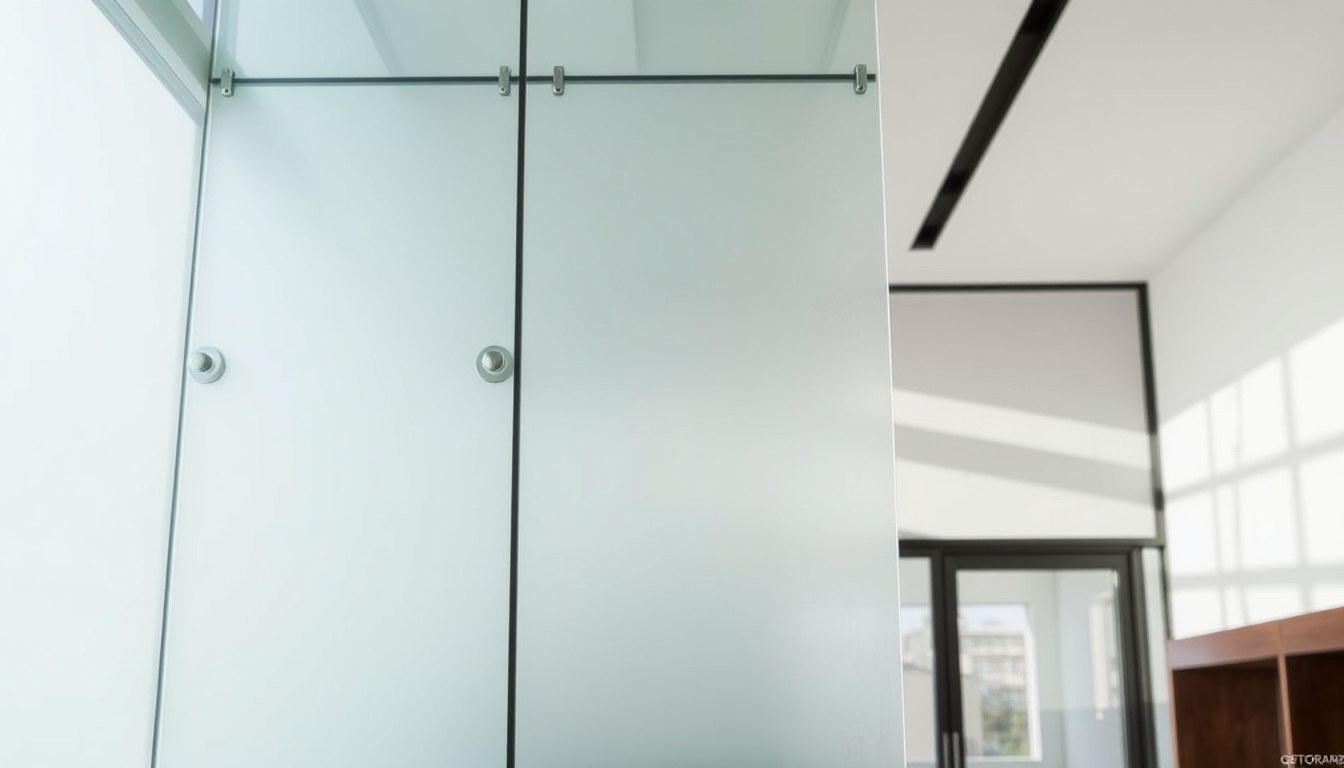
When selecting glass finishes for bathrooms, office partitions, or decorative panels, frosted and etched glass are two popular choices that offer privacy without sacrificing aesthetics. While both appear similar at first glance, they're created through entirely different processes and have distinct durability profiles, maintenance requirements, and lifespans. Understanding these differences will help you make an informed decision that balances cost, longevity, and visual appeal for your specific application.
What Are Frosted Glass and Etched Glass?
Frosted glass is created by sandblasting or acid-treating the surface of clear glass to create a uniform, translucent finish. This process scatters light across the surface, making the glass opaque while still allowing light to pass through. The result is a soft, milky appearance that's consistent across the entire panel. Frosted glass is often used in bathroom windows, shower enclosures, office partitions, and decorative applications where privacy is desired without complete darkness.
Etched glass, on the other hand, involves using acid or abrasive techniques to carve designs or patterns into the glass surface. Unlike frosted glass, which typically has a uniform finish, etched glass can feature intricate designs, logos, or artistic patterns. The etching process creates grooves or recesses in the glass, resulting in a textured appearance. Both techniques remove the glass's smooth surface layer, but etching is more controlled and design-specific, while frosting creates an overall matte finish.
The Manufacturing Difference
Frosted glass production involves exposing the entire surface to sandblasting or chemical treatment, creating uniform microscopic pits. Etched glass uses stencils or masks to selectively apply abrasive or chemical treatments, allowing for precise pattern creation. This fundamental difference in production methods significantly influences how each finish performs over time.
Durability Comparison: Which Lasts Longer?
Both frosted and etched glass are highly durable and can last 15–20 years or more with proper care. However, their durability characteristics differ based on how they're used and maintained. Frosted glass's uniform surface is generally more resistant to visible damage because any scratches or marks blend into the existing texture. Etched glass, with its defined patterns, can show scratches and dust accumulation more noticeably, particularly in high-traffic areas or spaces exposed to frequent cleaning.
The key durability factor is the depth of the surface treatment. Frosted glass typically has a shallower, more uniform surface alteration, while etched glass—especially custom designs with deep grooves—can be more susceptible to edge chipping or pattern degradation if subjected to physical impact. In bathroom environments with high humidity, both finishes perform equally well as the treatment is integral to the glass itself, not a coating that can peel or fade.
Impact Resistance
Frosted glass has a slight edge in impact resistance because the uniform surface distributes force evenly. Etched glass with deep, complex designs may be more vulnerable to chipping at pattern edges, particularly where lines intersect or where the etching is deepest. However, both remain more resistant to impact damage than standard clear glass because the textured surface dissipates stress more effectively.
Environmental Durability
Both finishes are equally resistant to UV rays, temperature fluctuations, and humidity. They don't fade, discolor, or degrade when exposed to sunlight over years. This makes both suitable for outdoor applications, though frosted glass is more commonly used indoors. In coastal areas with salt spray exposure, both finishes perform adequately, though regular cleaning becomes more important.
Maintenance and Cleaning Requirements
Maintenance is where frosted and etched glass show the most practical differences. Frosted glass is easier to clean because its uniform surface doesn't trap debris in intricate patterns. A simple wipe with a damp cloth or glass cleaner removes dust, fingerprints, and water spots effectively. The matte finish also hides water spots and streaks better than clear or etched glass, reducing the frequency of visible cleaning needs.
Etched glass requires more careful maintenance, especially if it features intricate designs. Dust and dirt accumulate in the grooves and recesses of the pattern, requiring more thorough cleaning. You'll need to use soft brushes or cloths to reach into the etched lines, and regular cleaning—ideally weekly in bathrooms—prevents buildup. Hard water deposits are particularly problematic on etched glass in areas with high mineral content in the water supply, as they settle in the grooves and become difficult to remove.
Cleaning Best Practices
- Frosted Glass: Use a microfiber cloth with water or standard glass cleaner; no special tools required; clean monthly or as needed.
- Etched Glass: Use soft-bristled brushes for pattern grooves; avoid abrasive scrubbing pads; use vinegar solutions for hard water spots; clean weekly in bathrooms.
- Both Finishes: Avoid acidic or alkaline cleaners that may further etch the surface; never use steel wool or rough scouring pads.
Cost Analysis: Frosted vs Etched Glass
Frosted glass is generally more affordable than etched glass because the production process is simpler and faster. In India, frosted glass panels typically cost ₹500–₹2,000 per square meter, depending on thickness and quality. The uniform treatment requires no customization, making it economical for large installations like office partitions or bathroom windows.
Etched glass is more expensive due to the custom design work and precision required. Prices range from ₹1,500–₹5,000+ per square meter, depending on design complexity, pattern intricacy, and the glass thickness. Custom logos or detailed artistic designs can push costs even higher. However, the aesthetic appeal and uniqueness of etched glass often justify the premium for decorative applications or branded office spaces.
Long-Term Cost Considerations
While frosted glass has lower upfront costs, the total cost of ownership depends on maintenance. Frosted glass's lower maintenance needs mean fewer cleaning supplies and labor costs over time. Etched glass, requiring more frequent and careful cleaning, incurs higher maintenance expenses. For a 10-year lifespan, frosted glass typically remains the more economical choice for utilitarian applications, while etched glass offers better value for decorative purposes where the visual investment justifies ongoing maintenance.
Best Applications: Bathroom vs Office Partitions
For bathrooms, frosted glass is often the superior choice. Its uniform finish hides water spots and soap residue effectively, and the simpler cleaning process suits the high-moisture environment. Frosted glass shower enclosures, window panels, and privacy screens maintain their appearance with minimal effort. The cost-effectiveness also makes frosted glass practical for bathroom renovations across India, from Mumbai to Bangalore.
In office environments, the choice depends on your priorities. Frosted glass partitions offer clean aesthetics, privacy, and low maintenance—ideal for corporate offices where cleanliness is paramount. Etched glass with company logos or custom designs creates a premium, branded appearance, making it popular in high-end corporate offices, hotels, and retail spaces. The higher maintenance is more manageable in controlled office environments compared to humid bathrooms.
Specific Use Cases
- Bathroom Shower Enclosures: Frosted glass wins—easier cleaning, better water spot concealment.
- Office Branding: Etched glass excels—custom logos and designs enhance professional image.
- Privacy Screens: Both perform equally; choose based on budget and aesthetic preference.
- Decorative Panels: Etched glass offers superior visual impact; frosted glass provides subtle elegance.
- High-Traffic Areas: Frosted glass is more practical due to lower maintenance requirements.
Lifespan and Replacement Considerations
Both frosted and etched glass can last 20+ years without degradation of the finish itself. The primary factors affecting replacement are physical damage (cracks or chips), frame deterioration, or changing aesthetic preferences. Frosted glass, being simpler, is easier and cheaper to replace if damage occurs. Etched glass replacement is more complex and expensive, especially if the original design must be replicated.
In high-impact environments or areas prone to accidents, frosted glass's lower replacement cost makes it more practical. In low-traffic, controlled environments like executive offices or decorative installations, the durability of etched glass justifies the higher initial investment. Neither finish significantly outperforms the other in absolute lifespan—maintenance and care matter more than the finish type itself.
Which Should You Choose?
Choose frosted glass if you prioritize affordability, ease of maintenance, and a clean, modern aesthetic. It's ideal for bathrooms, functional office partitions, and any application where practicality matters more than visual uniqueness. Frosted glass is your best choice for high-moisture environments and spaces requiring frequent cleaning.
Choose etched glass if you want custom designs, branding opportunities, or a premium aesthetic that justifies higher costs and maintenance. Etched glass suits decorative applications, branded office spaces, and environments where visual impact outweighs maintenance concerns. It's perfect for creating distinctive, memorable spaces that reflect your brand or personal style.
Frequently Asked Questions
Does frosted glass scratch more easily than etched glass?
Frosted glass is actually more resistant to visible scratching because its uniform, textured surface camouflages minor scratches. Etched glass, with defined patterns and grooves, makes scratches more noticeable. However, both are equally resistant to actual damage from normal use. Avoid abrasive cleaning methods on both finishes to prevent any scratching.
Can you restore frosted or etched glass if it becomes damaged?
Minor surface damage on either finish is difficult to repair without re-treating the entire panel. For frosted glass, small scratches are barely visible due to the texture. For etched glass, pattern damage is more noticeable and typically requires professional restoration or replacement of the affected panel. Prevention through careful handling is more effective than repair.
Which finish is better for Indian climates with high humidity?
Both frosted and etched glass perform equally well in humid climates like those in coastal Indian cities. The finish is integral to the glass and doesn't peel or degrade with moisture. However, frosted glass is more practical because it hides water spots and mineral deposits better, reducing visible maintenance needs in areas with hard water.
How often should frosted and etched glass be cleaned?
Frosted glass in bathrooms should be cleaned monthly or as needed when water spots become visible. Etched glass in the same environment should be cleaned weekly to prevent dust and mineral buildup in the grooves. Office partitions can be cleaned less frequently—quarterly for frosted glass and bi-monthly for etched glass, depending on traffic and dust levels.
Is etched glass more expensive to install than frosted glass?
Etched glass typically costs 2–3 times more than frosted glass due to custom design work and precision manufacturing. Installation costs are similar for both, but the material cost difference is significant. For a 10 square meter bathroom renovation, frosted glass might cost ₹5,000–₹20,000, while etched glass could cost ₹15,000–₹50,000 or more depending on design complexity.
Whether you choose frosted or etched glass, both offer excellent durability and privacy for decades. Browse our comprehensive glass business directory on glassy.in to connect with trusted glass suppliers and manufacturers across India who can provide expert recommendations tailored to your specific project needs and budget.