
Interior Design
Frosted Glass for Shopfronts: Branding, Privacy & Light Control Strategies
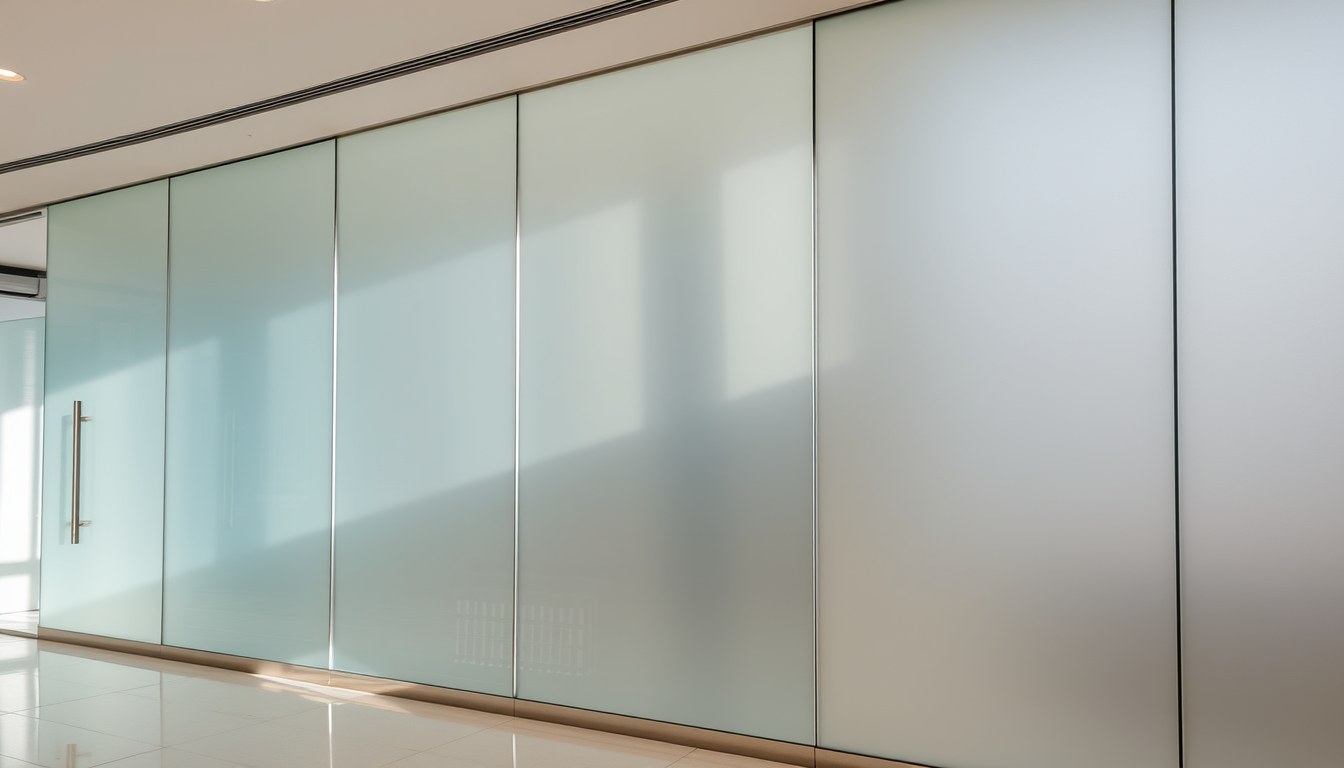
Frosted glass has become a cornerstone material for modern retail shopfronts, offering retailers a sophisticated way to balance brand visibility with customer privacy and light control. Whether you're designing a boutique in Mumbai, a café in Bangalore, or a jewelry store in Delhi, frosted glass solutions allow you to create a compelling storefront that catches attention while maintaining an air of exclusivity. This guide explores proven design strategies that leverage frosted glass to enhance branding, control natural light, and guide customer behavior.
Understanding Frosted Glass: What Makes It Ideal for Retail
Frosted glass is created through acid etching, sandblasting, or applying a special coating to clear glass, resulting in a semi-transparent surface that diffuses light evenly. Unlike fully opaque materials, frosted glass maintains visual connection between inside and outside spaces while obscuring fine details. This unique property makes it invaluable for retail environments where you want to intrigue customers without revealing your entire inventory at once.
The material offers practical advantages beyond aesthetics. Frosted glass reduces glare from direct sunlight, which is particularly beneficial in Indian climates where harsh afternoon sun can damage merchandise and create uncomfortable shopping conditions. It also provides privacy for stockrooms and employee areas while maintaining a sense of openness and transparency that builds customer trust. The durability of frosted glass means your shopfront investment will maintain its appearance for years with minimal maintenance—a key consideration for retail spaces in high-traffic urban areas.
Why Frosted Glass Outperforms Solid Barriers
Traditional solid barriers like solid wood or metal shutters create a fortress-like appearance that can discourage foot traffic. Frosted glass, by contrast, invites curiosity. Customers can sense activity and product presence inside without being overwhelmed by choices. This psychological advantage translates directly to higher conversion rates, as passersby are more likely to enter a space that feels welcoming yet intriguing.
Logo Etching and Brand Identity on Glass
One of the most powerful applications of frosted glass in retail is custom logo etching. Your brand logo, when etched into frosted glass, becomes a permanent, professional statement that reinforces brand identity every single day. Unlike painted signage that fades or requires repainting, etched logos maintain clarity and elegance indefinitely. This is particularly important for premium brands in cities like Bangalore, Hyderabad, and Pune, where discerning customers notice quality details.
Custom etching techniques allow for varying depths and opacity levels. A deeper etch creates a more pronounced shadow effect, making your logo visible from greater distances. Shallower etches work well for delicate, intricate designs. The cost of logo etching typically ranges from ₹5,000 to ₹50,000 depending on design complexity and glass area, making it a cost-effective branding investment compared to traditional signage.
Design Considerations for Etched Logos
- Keep logos simple and recognizable at a distance—intricate details become unclear on frosted surfaces
- Use high contrast between the etched area and surrounding frosted glass for maximum visibility
- Consider backlighting behind etched logos for evening visibility and dramatic effect
- Ensure your logo size is proportional to shopfront dimensions (typically 60-120 cm width for street-facing glass)
- Test etching designs on sample glass before committing to full installation
Balancing Product Visibility and Privacy
The central challenge in frosted glass shopfront design is creating the right balance between showing enough product to attract customers and maintaining mystery that draws them inside. Complete transparency shows everything and eliminates the incentive to enter; total opacity hides your merchandise entirely. Frosted glass allows you to occupy the sweet spot between these extremes.
Strategic product placement becomes crucial when working with frosted glass. Place your most eye-catching, highest-margin items at eye level behind the frosted glass, positioned to create silhouettes that are recognizable but not fully detailed. For example, a jewelry store might position a distinctive necklace or watch where its outline is visible but fine details remain hidden. A fashion boutique could display a mannequin wearing a signature piece—the human form is immediately recognizable, but specific fabrics and patterns remain mysterious.
Creating Visual Hierarchy Through Placement
Divide your shopfront glass into zones: a lower zone (0-1 meter) for impulse items and promotions, a middle zone (1-2 meters) for signature products, and an upper zone (2+ meters) for branding and lighting effects. This layered approach ensures that customers at different heights and distances see something compelling. Use internal lighting to highlight specific products while keeping surrounding areas in softer light, creating depth and directing attention.
The Role of Backlighting
Backlighting transforms frosted glass from a static barrier into a dynamic display element. LED strips mounted behind frosted glass panels create a glowing effect that's visible from the street, especially during evening hours. This technique is particularly effective for restaurants, cafes, and upscale retail in metropolitan areas. Warm white light (3000K color temperature) creates an inviting, luxurious atmosphere, while cooler light (5000K) conveys modernity and technology.
Light Control and Customer Comfort
India's intense sunlight presents both a challenge and an opportunity for frosted glass shopfronts. Direct sunlight through clear glass can create excessive heat, fade merchandise, and make the interior uncomfortably bright. Frosted glass naturally diffuses this light, reducing glare by 40-60% compared to clear glass, while maintaining visibility and brightness inside the store.
The light-diffusing properties of frosted glass also create a consistent, flattering illumination that enhances product presentation. Colors appear more natural, and customers feel more comfortable browsing without squinting. This improved comfort translates to longer dwell times and increased purchase likelihood. For stores in hot climates like Hyderabad, Mumbai, and Chennai, frosted glass can reduce air conditioning load by 15-25%, providing energy savings alongside aesthetic benefits.
Combining Frosted Glass with Tinted Coatings
For maximum light control, frosted glass can be combined with subtle tinting. A light bronze or gray tint reduces solar heat gain while maintaining visibility. This combination is particularly effective for ground-floor retail spaces that receive direct afternoon sun. The tint should be subtle enough that it doesn't obscure your branding or product displays—typically a 15-25% tint level works well.
Smart Glazing Solutions
Advanced electrochromic (smart) glass can adjust its opacity based on light intensity, though this remains a premium option in India. For most retailers, a fixed frosted finish combined with strategic internal lighting provides excellent light control at a fraction of the cost. Consider investing in motorized blinds or shades behind frosted glass for additional control during peak sun hours.
Customer Psychology and Retail Behavior
Frosted glass shopfronts leverage several psychological principles that influence customer behavior. The concept of "curiosity gap"—the tension between what customers can see and what remains hidden—naturally draws people toward your entrance. This is far more effective than aggressive signage or bright colors, which can feel pushy and create resistance.
The semi-transparency of frosted glass also conveys trustworthiness and legitimacy. Customers perceive businesses with transparent storefronts as having nothing to hide, which builds confidence in the brand. This is particularly important for luxury retail, where customers need assurance of authenticity and quality. A frosted glass shopfront suggests exclusivity without appearing secretive.
Creating an Inviting Threshold
The transition from street to interior matters significantly. A frosted glass shopfront that gradually reveals more detail as customers approach—through strategic lighting and product placement—creates a compelling journey. This staged revelation makes entering the store feel like a discovery rather than a transaction, encouraging impulse browsing and longer visits.
Installation and Maintenance Best Practices
Proper installation ensures your frosted glass shopfront performs as designed. The glass should be fitted into aluminum frames with weather sealing to prevent water ingress—critical in Indian monsoon regions. Frosted glass panels are typically 10-12mm thick for durability, and should be installed with safety considerations in mind. Tempered frosted glass is recommended for ground-floor retail to meet safety codes.
Maintenance is straightforward. Use a microfiber cloth with a mild glass cleaner to wipe frosted surfaces regularly. Unlike clear glass, frosted glass doesn't show fingerprints as prominently, which is a practical advantage in high-traffic retail environments. The frosted finish should be protected from abrasive cleaners that might damage the surface. Most quality frosted finishes remain attractive for 10-15 years before requiring refinishing.
Cost Considerations
Frosted glass shopfront costs in India typically range from ₹2,000 to ₹5,000 per square meter, depending on glass thickness, frosting technique, and installation complexity. Custom etching adds ₹500-₹2,000 per square meter. These costs are competitive with alternative materials like solid wood or metal, while offering superior aesthetic and functional benefits. Many retailers find that the increased foot traffic and extended dwell times generated by an attractive frosted glass shopfront pay for the investment within 12-18 months.
Real-World Applications Across Retail Categories
Frosted glass works exceptionally well across different retail sectors. High-end jewelry stores in Delhi and Mumbai use deep-etched logos and strategic backlighting to create an atmosphere of exclusivity. Fashion boutiques employ frosted glass with positioned mannequins to showcase collections while maintaining mystery. Coffee shops and restaurants use frosted glass to create ambiance while protecting customer privacy—a significant consideration in Indian cities where street visibility is high.
Pharmacy and healthcare retail benefit from frosted glass's privacy features while maintaining a professional, trustworthy appearance. Electronics retailers use it to create a modern aesthetic while protecting expensive merchandise from direct street scrutiny. Even traditional businesses like textile shops and spice stores have successfully adopted frosted glass, discovering that the contemporary look attracts younger customers while maintaining the store's core identity.
Frequently Asked Questions
How much does frosted glass shopfront installation cost in India?
Frosted glass shopfront costs typically range from ₹2,000 to ₹5,000 per square meter for materials and installation, depending on glass thickness (10-12mm), frosting technique, and your location. Custom logo etching adds ₹500-₹2,000 per square meter. A typical 20 square meter shopfront would cost between ₹40,000 and ₹1,20,000 installed. Premium options like smart glass or specialized tinting increase costs further. Get quotes from multiple local suppliers to compare pricing.
Does frosted glass reduce visibility of products inside the store?
Frosted glass intentionally reduces fine detail visibility while maintaining silhouettes and general shapes. This is actually a strategic advantage—it creates curiosity and draws customers inside. You can control visibility levels by choosing frosting depth and combining it with backlighting and strategic product placement. Most retailers find that frosted glass increases foot traffic and conversion rates compared to completely clear or opaque alternatives.
Can frosted glass be customized with logos and designs?
Yes, absolutely. Custom logo etching is one of the primary applications of frosted glass in retail. Designs can be etched at various depths to create different visibility levels and shadow effects. You can also combine etching with backlighting for dramatic evening visibility. The process involves creating a design template and using acid etching or sandblasting to apply it to the glass. Lead times are typically 2-4 weeks for custom work.
Is frosted glass suitable for Indian weather and monsoons?
Frosted glass is highly suitable for Indian climates. The frosted finish actually performs better than clear glass in intense sunlight, reducing glare and heat gain. For monsoon protection, ensure proper installation with weather sealing and aluminum framing. Tempered frosted glass is recommended for safety and durability. The frosted surface doesn't show water spots or dust as prominently as clear glass, making maintenance easier in dusty urban environments.
What's the difference between frosted glass and other privacy glass options?
Frosted glass offers a semi-transparent finish that maintains visual connection while obscuring details. Compared to tinted glass (which just darkens), frosted glass is more aesthetically sophisticated and better for branding. Compared to fully opaque materials like solid wood, frosted glass feels more open and modern. Compared to privacy films, frosted glass is more permanent and durable. The choice depends on your brand positioning, climate, and budget—frosted glass is ideal for upscale retail seeking a modern, transparent aesthetic.
Transform your retail shopfront with frosted glass solutions that balance branding, privacy, and light control. Explore India's leading glass suppliers and designers on Glassy.in—the largest glass-business directory in India. Find verified vendors, compare quotes, and connect with professionals who understand frosted glass design for retail success.