
Glass Guides
Frosted Glass Edge Finishing: Polishing vs Sandblasting Quality
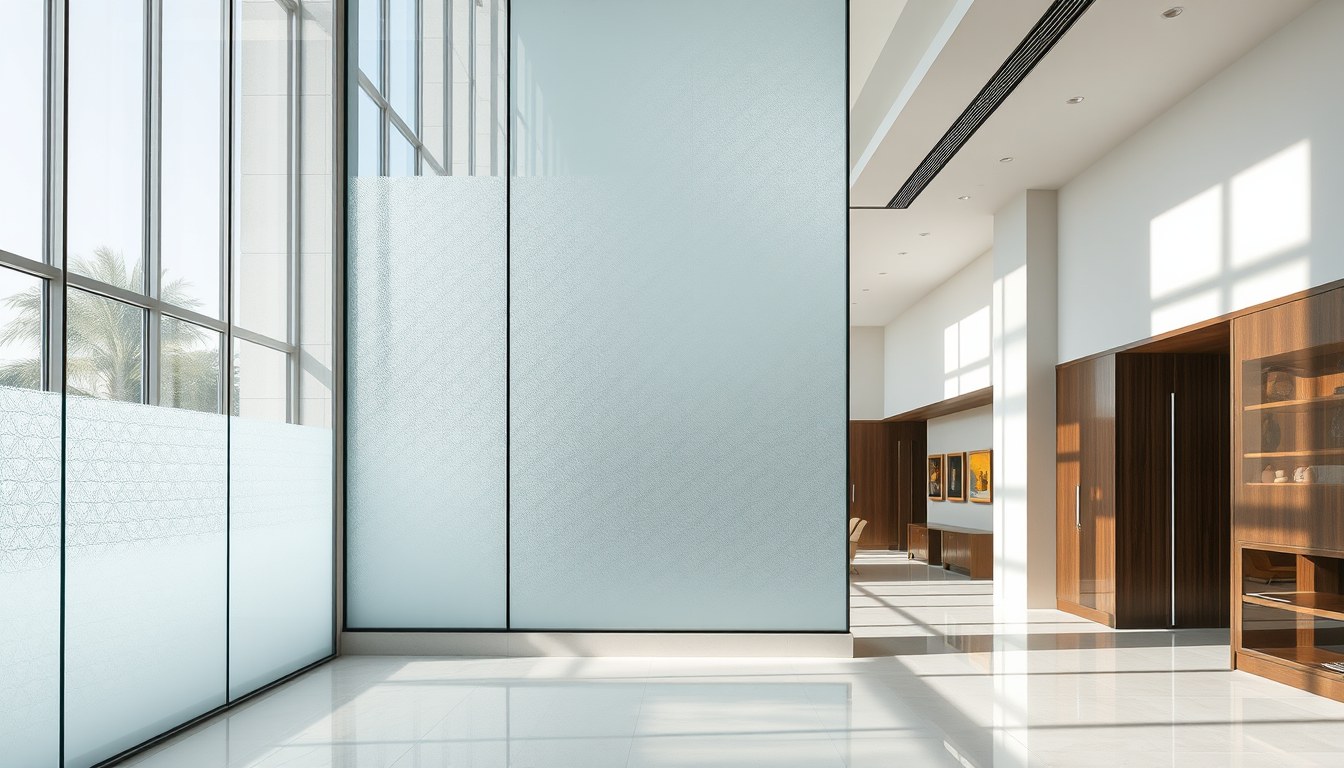
Frosted glass is a popular choice for modern bathrooms, office partitions, and decorative applications across India, offering privacy without sacrificing aesthetics. However, the quality of your frosted glass installation depends heavily on how the edges are finished—a detail many property owners overlook. This guide compares sandblasting and polishing techniques, explains quality standards, and helps you choose the right finishing method for your space.
Understanding Frosted Glass Edge Finishing
Frosted glass edge finishing is the process of treating the exposed edges of glass sheets to create a smooth, safe, and visually cohesive surface. When glass is cut, the edges are sharp and prone to chipping, which not only looks unfinished but poses a safety hazard. Edge finishing serves both functional and aesthetic purposes—it prevents injuries, extends the lifespan of the installation, and completes the professional appearance of frosted glass applications.
Two primary methods dominate the Indian market: sandblasting and polishing. Each approach has distinct advantages, cost implications, and suitability for different applications. Understanding these differences helps architects, interior designers, and homeowners make informed decisions that balance quality, budget, and durability.
Sandblasting: Creating Uniform Frost
Sandblasting is a mechanical process where fine abrasive particles (typically aluminum oxide or silicon carbide) are propelled at high pressure against the glass surface. This technique creates the characteristic frosted appearance by etching microscopic pits into the glass, diffusing light and obscuring visibility. When applied to edges, sandblasting delivers consistent frosting that matches the main glass surface, ensuring a uniform aesthetic throughout the installation.
How Sandblasting Works on Edges
During sandblasting, the abrasive stream removes the sharp edge of freshly cut glass while simultaneously creating the frosted texture. This dual action means the edge becomes smooth and safe while maintaining visual continuity with the frosted surface. The process typically takes 30–60 seconds per edge, depending on glass thickness and desired frost intensity.
The uniformity achieved through sandblasting is one of its greatest strengths. Whether you're frosting a bathroom partition or office door, every edge receives identical treatment, eliminating the risk of visible inconsistencies that might occur with manual polishing.
Advantages of Sandblasted Edges
- Uniform finish: Edges match the frosted surface perfectly, with no visible lines or transitions.
- Safety: Sharp edges are completely removed, creating smooth, chip-resistant surfaces.
- Durability: The etched surface resists fingerprints and dust accumulation better than polished edges.
- Cost-effective: For large-scale projects, sandblasting is faster and more economical than manual polishing.
- Customization: Frost intensity can be adjusted by varying abrasive pressure and duration.
Limitations of Sandblasting
While sandblasting excels in uniformity, it does have drawbacks. The process generates dust and requires specialized equipment, making it less suitable for on-site finishing in residential areas. Additionally, the frosted edge, while smooth, may feel slightly textured compared to a polished edge, which some designers prefer to avoid for premium applications. Sandblasting also requires proper ventilation and safety protocols to protect workers from abrasive dust exposure.
Edge Polishing: Precision and Clarity
Edge polishing is a manual or semi-automated process where the glass edge is progressively smoothed using finer and finer abrasive pads or wheels. The result is a crystal-clear, mirror-smooth edge that creates a distinct visual boundary between the frosted surface and the transparent edge. This technique is favored in high-end residential and commercial projects where premium aesthetics are paramount.
The Polishing Process
Edge polishing typically involves multiple stages, starting with coarser grits (60–120) to remove the sharp edge, then progressing to finer grits (220–600) to achieve smoothness. The final stage may use polishing compounds to create a glossy finish. Each stage removes microscopic imperfections from the previous stage, resulting in an edge that is both smooth and transparent.
Modern glass facilities in India often use CNC-controlled edge polishing machines, which ensure consistency across multiple pieces. However, hand polishing by skilled craftspeople remains common, particularly for custom or specialty work.
Advantages of Polished Edges
- Premium appearance: Clear, glossy edges add sophistication and visual depth to frosted glass installations.
- Precision: Edges are perfectly smooth with minimal surface texture.
- Hygiene: Polished edges are easier to clean and maintain, making them ideal for bathrooms and kitchens.
- Versatility: Works well with both frosted and clear glass applications.
- No dust generation: The dry polishing process is cleaner and safer than sandblasting.
Limitations of Polished Edges
Polished edges are more labor-intensive, increasing costs—sometimes by 20–30% compared to sandblasting. The manual component also introduces variability; inconsistent polishing pressure or technique can result in uneven smoothness or slight variations in clarity. Additionally, polished edges may show fingerprints and dust more visibly than frosted edges, requiring more frequent cleaning in high-touch areas.
Quality Standards for Frosted Glass Edge Finishing
In India, frosted glass edge finishing quality is governed by Indian Standards (IS) and international guidelines such as ISO 12543. Understanding these standards ensures you receive a product that meets safety and aesthetic expectations.
Safety Requirements
Both sandblasted and polished edges must eliminate sharp edges that could cause cuts. IS 12543 specifies that glass edges should be either polished, ground, or sandblasted to remove all cutting hazards. The edge should be smooth enough that running a finger along it causes no injury—a simple test that quality manufacturers perform on every batch.
Aesthetic Standards
For frosted glass, edge consistency is critical. Sandblasted edges should have uniform frost density matching the main surface, with no streaks or uneven areas. Polished edges should be clear, with no visible scratches, cloudiness, or residual abrasive marks. Professional glass suppliers like Saint Gobain Glass maintain strict quality control protocols to ensure every edge meets these standards.
Thickness and Edge Profile
Glass thickness affects edge finishing quality. Standard frosted glass in India ranges from 5mm to 12mm for interior applications. Thicker glass (10–12mm) holds a finish more consistently than thin glass (5–6mm), which is more prone to chipping during and after finishing. The edge profile—whether beveled, rounded, or square—also influences the finishing technique chosen.
Choosing Between Sandblasting and Polishing for Your Application
The decision between sandblasting and polishing depends on your specific application, budget, and design vision. Here's how to evaluate each scenario:
Bathroom Applications
Bathrooms benefit from sandblasted edges due to their superior resistance to moisture and fingerprints. The frosted surface and frosted edges create a cohesive, spa-like aesthetic. Sandblasting also provides better grip safety in wet conditions. For luxury bathroom designs, polished edges paired with sandblasted surfaces can create a striking modern look, though maintenance demands increase.
Office Partitions and Glazing
Office environments often favor polished edges for their professional appearance and ease of cleaning. Clear, glossy edges emphasize the precision and quality of the installation. However, for large-scale office partitions where uniformity and cost efficiency matter, sandblasting is the practical choice. Leading interior designers like Saaz Homez Interior and B&R Modular Furniture often specify sandblasted edges for corporate installations due to their durability and consistent appearance.
Residential and Decorative Glass
In residential settings, your choice depends on personal preference and maintenance tolerance. Polished edges suit minimalist, contemporary designs where clarity is prized. Sandblasted edges work well in traditional or transitional interiors where the frosted finish is the focal point. Budget constraints often guide the decision—polished edges increase project costs by 15–25%, a significant factor for homeowners.
Cost Comparison and Durability
Sandblasted edges typically cost ₹80–150 per running meter, depending on glass thickness and frost intensity. Polished edges range from ₹120–250 per running meter, reflecting the additional labor and precision required. For a standard bathroom partition (2 meters × 1.5 meters), sandblasting adds ₹800–1,200 to the project, while polishing adds ₹1,200–2,000.
In terms of durability, both methods are long-lasting when properly executed. Sandblasted edges resist chipping slightly better due to their textured surface, while polished edges maintain their clarity indefinitely if protected from impact. Both require minimal maintenance beyond regular cleaning with mild soap and water.
Frequently Asked Questions
What is the main difference between sandblasted and polished frosted glass edges?
Sandblasted edges have a frosted texture that matches the main glass surface, creating visual uniformity. Polished edges are smooth and clear, creating a distinct glossy boundary between the frosted surface and the edge. Sandblasting is faster and more cost-effective, while polishing offers a premium aesthetic but requires more labor.
Are sandblasted edges safe for bathrooms?
Yes, sandblasted edges are safe and actually preferred for bathrooms. The frosted texture provides better grip in wet conditions, and the textured surface resists slipping. Both sandblasted and polished edges meet Indian safety standards (IS 12543) for sharp edge removal.
How long do polished frosted glass edges last?
Properly polished edges last indefinitely. They don't degrade with time or exposure to moisture. However, they may show fingerprints and dust more visibly than frosted edges, requiring more frequent cleaning to maintain their glossy appearance.
Can I switch from sandblasted to polished edges mid-project?
Yes, you can use different finishing techniques for different glass pieces in the same project. However, this may create visual inconsistency. It's best to decide on one method before manufacturing begins to ensure a cohesive final look.
Which edge finishing is more suitable for large office installations?
Sandblasting is more practical for large-scale commercial projects due to faster turnaround, consistent results, and lower costs. It's ideal for office partitions, glazing systems, and modular installations where uniformity and efficiency are priorities.
Conclusion: Making the Right Choice
Both sandblasting and polishing are valid frosted glass edge finishing techniques, each with distinct advantages. Sandblasting excels in uniformity, safety, and cost-effectiveness, making it ideal for bathrooms and large commercial projects. Polishing offers premium aesthetics and precision, perfect for high-end residential and design-forward applications.
When planning your frosted glass installation, consult with experienced glass manufacturers and designers who understand your specific needs. Whether you're creating a bathroom sanctuary or an office space that inspires productivity, the right edge finishing elevates both safety and beauty.
Explore India's trusted glass suppliers and designers on glassy.in to find professionals who can execute your frosted glass project with the precision and quality it deserves. Browse our directory today to connect with certified glass businesses in your region.