
Glass Guides
Fluted Glass vs Frosted Glass: Which Hides Dust Better in Delhi Homes?
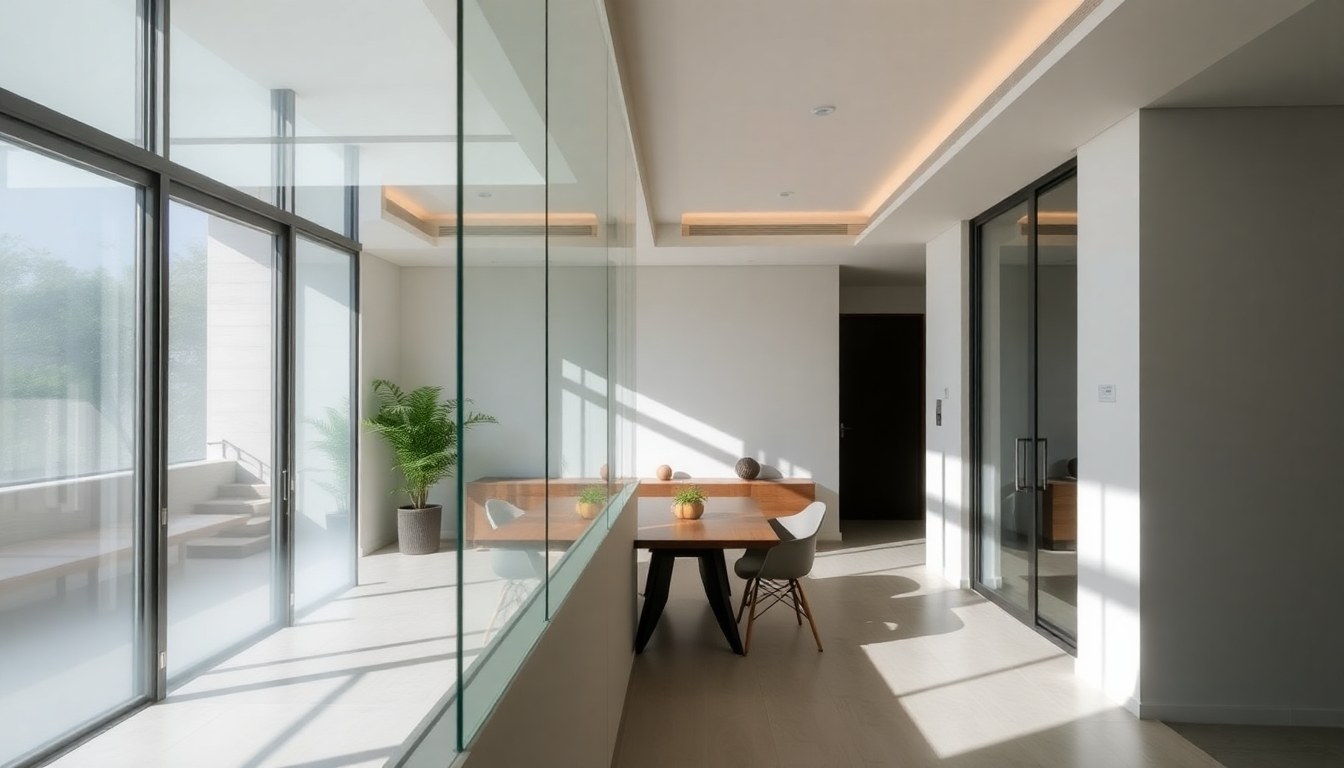
Delhi's dry climate and urban dust create unique challenges for homeowners choosing glass finishes. Both fluted and frosted glass offer textured surfaces that conceal dust and fingerprints better than clear glass, but they differ significantly in maintenance requirements, durability, and long-term costs. This guide compares these two popular options to help you make the right choice for your home.
Understanding Fluted and Frosted Glass
Fluted glass features parallel vertical or horizontal grooves that run across the surface, creating a ribbed appearance. These grooves are typically 2-4mm deep and evenly spaced, giving the glass a distinctive linear pattern. The texture is achieved during the manufacturing process by pressing molten glass against grooved rollers or molds.
Frosted glass, by contrast, has a uniform matte finish created by acid-etching or sandblasting the surface. This process removes the glass's natural shine, creating a smooth-to-touch but visually textured appearance. The finish is consistent across the entire surface without any raised or recessed patterns.
Both finishes offer privacy and light diffusion, but their dust-hiding capabilities and maintenance profiles are distinctly different. Understanding these differences is crucial for Delhi homeowners dealing with seasonal dust storms and pollution.
Dust-Hiding Performance: Which Wins?
Fluted Glass Dust Concealment
Fluted glass excels at hiding dust due to its deep grooves and linear pattern. Dust particles settle into the channels, becoming less visible to the naked eye. The repetitive pattern also creates visual confusion that makes small dust accumulations blend into the overall texture. This makes fluted glass ideal for high-traffic areas in Delhi homes where dust exposure is constant.
However, the grooves do trap dust particles, which can require more thorough cleaning when you eventually decide to maintain the surface. The dust doesn't disappear—it's simply hidden until you look closely or run your hand across the glass.
Frosted Glass Dust Visibility
Frosted glass hides dust moderately well due to its matte finish, but dust accumulation becomes visible more quickly than on fluted surfaces. The uniform texture means dust sits on top rather than settling into grooves, making it appear as a hazy film across the glass. In Delhi's dusty environment, this can become noticeable within 2-3 weeks of normal exposure.
The advantage is that dust on frosted glass is easier to spot, encouraging more frequent cleaning—which can actually be beneficial for maintaining clarity and hygiene in your living spaces.
Cleaning Difficulty and Maintenance Requirements
Fluted Glass Cleaning Challenges
Cleaning fluted glass requires more effort and specialized techniques. Standard cloth wiping leaves dust in the grooves, necessitating:
- Soft-bristled brushes to dislodge particles from channels
- Microfiber cloths for effective dusting
- Squeegees or specialized tools for water removal
- More frequent cleaning cycles (weekly rather than bi-weekly)
For Delhi homeowners, this means investing in proper cleaning tools and dedicating more time to maintenance. During the post-monsoon season or after dust storms, fluted glass may require professional cleaning to restore its original appearance. Many interior designers, including those at HOMSPACE, recommend fluted glass in areas with lower foot traffic to reduce cleaning burden.
Frosted Glass Cleaning Ease
Frosted glass is significantly easier to clean. A simple microfiber cloth or soft sponge with mild soap and water removes dust effectively. The matte surface doesn't show streaks or water marks as easily as clear or fluted glass, making the cleaning process faster and more forgiving.
Maintenance requires less specialized equipment and can be done weekly without excessive effort. This makes frosted glass practical for busy Delhi households where time for home maintenance is limited.
Fingerprint and Smudge Visibility
In homes with children or frequent visitors, fingerprint visibility is a practical concern. Fluted glass's textured surface makes fingerprints nearly invisible—they simply blend into the grooved pattern. This is a significant advantage in high-traffic areas like entryways, bathrooms, and kitchen partitions.
Frosted glass shows fingerprints more readily, though not as dramatically as clear glass. The matte finish means prints appear as slightly glossy marks against the textured background. This requires more frequent wiping in areas where people regularly touch the glass, such as doors and partition edges.
For Delhi homes with young children, fluted glass's fingerprint-concealing properties can reduce the frequency of cleaning from daily to 2-3 times weekly. This translates to meaningful time savings over months and years.
Long-Term Durability and Cost Analysis
Initial Investment
Frosted glass typically costs 15-20% less than fluted glass in Delhi's market. A standard frosted glass panel (₹500-800 per square foot) is more affordable than equivalent fluted glass (₹600-1000 per square foot). For larger installations, this difference becomes substantial.
Maintenance Costs Over Time
While fluted glass costs more upfront, the total cost of ownership depends on maintenance:
- Fluted Glass: Higher initial cost, but lower cleaning frequency reduces labor costs over 5-10 years. Professional cleaning needed 1-2 times yearly (₹1500-3000 per session) = ₹15,000-30,000 over a decade.
- Frosted Glass: Lower initial cost, but more frequent cleaning required. Weekly maintenance can be DIY, but professional cleaning 2-3 times yearly (₹1500-3000 per session) = ₹30,000-45,000 over a decade.
For a 500 sq ft installation, the 10-year total cost difference can range from ₹20,000-50,000, depending on your cleaning approach and local service rates in Delhi.
Durability and Lifespan
Both fluted and frosted glass are equally durable when properly maintained. Neither texture degrades faster than the other. The main difference lies in how visible wear becomes over time. Fluted glass's grooves can trap cleaning residue if not properly maintained, potentially requiring professional restoration every 7-10 years. Frosted glass maintains a consistent appearance with standard cleaning.
Architects like those at Desired Space often recommend fluted glass for permanent installations and frosted glass for areas requiring periodic updates or renovations.
Climate Considerations for Delhi Homes
Delhi's climate presents specific challenges that affect glass maintenance:
- Pre-monsoon dust storms: Fluted glass becomes heavily soiled but hides it well; frosted glass shows visible haze quickly, prompting immediate cleaning.
- Post-monsoon humidity: Both surfaces handle moisture equally well, though fluted glass's grooves may retain water droplets longer.
- Winter fog and pollution: Particulate matter accumulates on both surfaces, but frosted glass shows it more visibly, encouraging timely cleaning.
- Summer heat: Both materials expand and contract identically; no performance difference.
For Delhi's specific climate, fluted glass suits homeowners who prefer less frequent visible cleaning, while frosted glass suits those who prefer more frequent but easier maintenance.
Design and Aesthetic Considerations
Beyond functionality, your choice affects your home's visual appeal. Fluted glass creates a modern, linear aesthetic that works well in contemporary and minimalist interiors. Frosted glass offers a softer, more diffused appearance suitable for traditional and transitional designs.
Interior designers at SRAA3 Construction, Architecture often combine both finishes in single projects—using fluted glass in high-traffic areas and frosted glass in private spaces or decorative panels.
Consider your home's overall design language and traffic patterns when choosing. A kitchen partition might benefit from fluted glass's low-maintenance dust concealment, while a bathroom screen might suit frosted glass's softer aesthetic and simpler cleaning requirements.
Frequently Asked Questions
Does fluted glass really hide dust better than frosted glass?
Yes, fluted glass hides dust more effectively due to its deep grooves and linear pattern. Dust settles into the channels and blends with the texture, making accumulation less visible. Frosted glass shows dust as a hazy film within 2-3 weeks, making it more noticeable in dusty environments like Delhi.
Which glass is easier to clean in Delhi's dusty climate?
Frosted glass is easier to clean. It requires only a microfiber cloth and mild soap, while fluted glass needs soft-bristled brushes and specialized tools to remove dust from grooves. Frosted glass can be maintained with weekly wiping, whereas fluted glass often needs professional cleaning 1-2 times yearly.
What is the cost difference between fluted and frosted glass?
Frosted glass costs 15-20% less initially (₹500-800 per sq ft vs ₹600-1000 per sq ft). However, over 10 years, maintenance costs can offset this difference. Fluted glass's lower cleaning frequency may reduce long-term labor costs, making the total cost of ownership comparable or even lower than frosted glass.
Can fluted glass be used in bathrooms and wet areas?
Yes, both fluted and frosted glass work well in bathrooms. Fluted glass's grooves may retain water droplets longer, requiring occasional squeegee use. Frosted glass dries more evenly. Both provide privacy and light diffusion. Choose based on your aesthetic preference and cleaning tolerance.
Which option is better for homes with children?
Fluted glass is superior for homes with children because fingerprints are nearly invisible against the grooved texture. This reduces cleaning frequency from daily to 2-3 times weekly. Frosted glass shows fingerprints more readily, requiring more frequent wiping in high-touch areas like doors and partition edges.
Make Your Choice with Confidence
Both fluted and frosted glass offer distinct advantages for Delhi homes. Fluted glass excels at hiding dust and fingerprints, making it ideal for busy households willing to invest in occasional professional cleaning. Frosted glass provides easier, more frequent maintenance with lower upfront costs, suiting those who prefer simple, consistent cleaning routines.
Evaluate your home's traffic patterns, your cleaning preferences, and your budget over the next decade. For personalized recommendations based on your specific space and needs, explore verified glass suppliers and interior designers on glassy.in, India's largest glass-business directory. Connect with local experts in Delhi who understand the region's unique climate challenges and can guide you toward the perfect finish for your home.