
Interior Design
Fluted & Reeded Glass for Privacy: Design Applications in Bathrooms & Offices
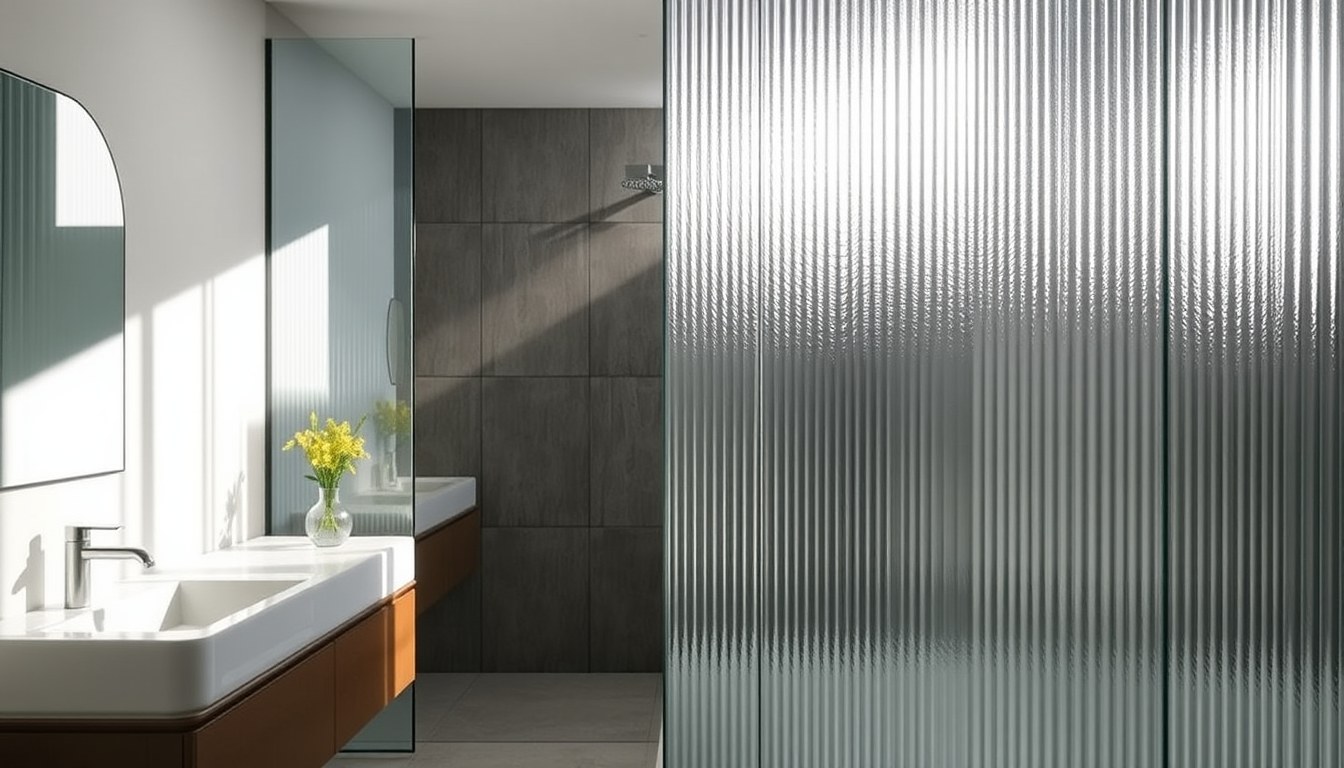
Fluted and reeded glass has become a go-to choice for architects and interior designers who need privacy without sacrificing the aesthetic appeal of natural light. These textured glass surfaces scatter light while obscuring clear views, making them ideal for bathrooms, office partitions, and spaces where discretion matters. Whether you're renovating a home in Mumbai, Bangalore, or Delhi, understanding how to leverage these decorative glass textures can elevate your interior design while solving practical privacy challenges.
What Are Fluted and Reeded Glass?
Fluted and reeded glass are decorative glass products featuring parallel grooves or ridges running across the surface. The primary difference lies in terminology: fluted glass typically has deeper, more pronounced grooves, while reeded glass features finer, more delicate ridges. Both are manufactured by pressing molten glass into molds or by grinding patterns into finished glass sheets, creating a textured surface that distorts the view while allowing light to pass through.
These textures come in various depths and patterns, ranging from subtle micro-flutes to bold, architectural grooves. The glass itself remains transparent, but the surface pattern breaks up the line of sight, creating privacy without the closed-off feeling of frosted or opaque glass. This makes fluted and reeded glass particularly valuable in contemporary design, where the goal is to balance functionality with visual lightness.
Manufacturing Process
Modern fluted and reeded glass is typically produced through two main methods. The first involves pressing hot glass into textured molds, where the pattern is transferred directly to the surface during the cooling process. The second method uses grinding or etching techniques on pre-formed glass sheets, allowing for greater precision and customization. Both methods ensure consistent quality and durability, with the textured surface becoming an integral part of the glass structure rather than a surface coating.
Privacy Benefits in Bathrooms
Bathrooms are the most common application for fluted and reeded glass, and for good reason. These textures provide complete visual privacy from the outside while still allowing soft, diffused light to enter. Whether you're installing bathroom windows, shower enclosures, or internal partitions, fluted glass prevents anyone from seeing inside while maintaining the brightness of the space. This is especially valuable in urban settings across Indian cities where homes and offices are often built in close proximity.
Fluted glass shower screens have become increasingly popular in Indian homes, replacing traditional opaque frosted glass with a more contemporary aesthetic. The textured surface not only provides privacy but also helps conceal water spots and soap residue, reducing the need for frequent cleaning. When installed in bathroom windows facing neighboring properties, fluted glass ensures you can open windows for ventilation without compromising privacy—a significant advantage during India's hot and humid seasons.
Shower Enclosure Applications
For shower enclosures, fluted glass offers several practical advantages beyond privacy. The textured surface provides subtle grip points, making the glass slightly less slippery than smooth glass when wet. Additionally, the light-scattering properties create a softer, more flattering lighting environment in the bathroom. Many homeowners in Bangalore, Hyderabad, and other metros are moving away from fully frosted glass toward fluted alternatives, appreciating the balance between functionality and design sophistication.
Window Privacy Solutions
Bathroom windows are often a design challenge—you need natural light and ventilation, but privacy is paramount. Fluted glass windows allow you to keep windows open for air circulation without worrying about visibility. This is particularly useful in apartments and townhouses where bedroom or bathroom windows face neighboring buildings. The investment in fluted glass windows typically ranges from ₹800 to ₹2,500 per square foot, depending on glass thickness and frame material.
Office and Commercial Applications
Beyond bathrooms, fluted and reeded glass is increasingly used in office environments to create semi-private workspaces. Modern office design emphasizes collaboration and openness, but employees also need focused work areas and confidential meeting spaces. Fluted glass partitions provide the perfect middle ground, allowing visual separation and some acoustic dampening while maintaining the sense of an open floor plan. The light still flows through, keeping the office bright and connected.
Conference rooms, executive offices, and HR departments benefit significantly from fluted glass partition walls. These installations create defined spaces without the claustrophobic feeling of solid walls or the complete transparency of standard glass partitions. In cities like Pune, Delhi, and Kolkata, where commercial real estate is premium, fluted glass partitions maximize the sense of space while delivering privacy where it's needed.
Partition Wall Systems
Fluted glass partition systems are modular and can be customized to fit various office layouts. They can be installed as fixed panels, sliding doors, or frameless systems, depending on your space and budget. The grooved texture helps absorb some sound, making these partitions slightly more acoustically effective than clear glass. For offices, fluted glass partitions typically cost between ₹1,200 and ₹3,000 per square foot, including installation.
Reception and Entrance Areas
Many corporate offices use fluted glass for reception area walls and entrance partitions. This creates a professional, contemporary aesthetic while allowing light to flow throughout the office. The texture adds visual interest and sophistication without the coldness of plain glass. It's an effective way to define entry zones while maintaining the openness modern businesses expect.
Design Considerations and Aesthetic Appeal
One of the primary advantages of fluted and reeded glass is its versatility in design contexts. Unlike heavily frosted or opaque glass, fluted surfaces maintain a sense of elegance and contemporary style. The texture catches and refracts light differently throughout the day, creating subtle visual interest and depth. This makes fluted glass a favorite among architects designing high-end residential and commercial projects across India.
The choice between fluted and reeded glass often comes down to aesthetic preference. Fluted glass, with its deeper grooves, creates a more pronounced visual texture and is often chosen for statement applications—a bathroom feature wall or a prominent office partition. Reeded glass, with finer ridges, offers a more subtle effect, making it suitable for spaces where you want privacy without visual drama. Both work beautifully with minimalist, contemporary, and even transitional design styles.
Light Quality and Ambiance
The way fluted glass interacts with light is one of its most appealing characteristics. During the day, soft, diffused light creates a calm, spa-like atmosphere in bathrooms. In offices, the same light quality reduces glare and creates a more comfortable work environment. During evening hours, when artificial light is used, fluted glass creates a warm, sophisticated glow. This quality of light is one reason luxury hotels and high-end residential projects favor fluted glass in bathrooms and common areas.
Complementary Design Styles
Fluted glass works across multiple design aesthetics. In contemporary spaces, it pairs beautifully with steel frames and minimalist fixtures. In more traditional or transitional designs, it works well with wood frames and classic bathroom fixtures. The neutral, textured nature of fluted glass means it doesn't compete with other design elements—it enhances them. Whether your bathroom features marble counters and brass fixtures or concrete walls and matte-black hardware, fluted glass adapts to the overall design narrative.
Installation and Maintenance
Installing fluted and reeded glass requires the same professional expertise as any specialty glass work. Proper framing, sealing, and support are essential to ensure the glass performs well and lasts for decades. In India's diverse climate zones—from humid coastal areas to dry inland regions—proper installation is crucial. The glass itself is durable and doesn't degrade, but the seals and frames must be maintained to prevent water infiltration in bathrooms.
Maintenance of fluted glass is straightforward but requires a slightly different approach than smooth glass. The grooved texture can trap dust and water spots more readily. Regular cleaning with a soft cloth and mild glass cleaner is recommended, with periodic deep cleaning using a soft brush to remove debris from the grooves. In bathrooms, ensuring proper ventilation helps prevent mineral deposits from building up on the textured surface.
Durability and Longevity
High-quality fluted glass, when properly installed, lasts as long as any standard glass—typically 20-30 years or more. The texture doesn't wear away or degrade over time. The primary maintenance concern is the frame, seals, and hardware around the glass. Using quality silicone sealants and stainless steel or powder-coated frames ensures longevity, particularly in humid bathroom environments where moisture exposure is constant.
Cost Considerations and Value
The cost of fluted and reeded glass varies based on several factors: glass thickness, pattern intensity, size of the installation, and whether it's custom-made. Standard fluted glass panels typically range from ₹600 to ₹2,000 per square foot for the glass alone, with installation adding another ₹400 to ₹1,000 per square foot depending on complexity. Custom patterns or specialty finishes may increase costs by 20-40%.
While fluted glass is more expensive than standard clear or frosted glass, the value proposition is strong. It offers superior aesthetics, better light transmission than frosted glass, and a contemporary feel that adds to property value. For homeowners and businesses investing in quality interiors, fluted glass represents a cost-effective luxury that delivers both function and style.
Frequently Asked Questions
Can fluted glass be used in all bathroom windows?
Yes, fluted glass can be used in most bathroom windows, including those exposed to direct sunlight and moisture. However, ensure that the glass thickness and framing are appropriate for your climate and window size. In areas with heavy rainfall or extreme temperature fluctuations, consult a glass specialist to determine the best specifications. Proper installation with quality sealants is essential for bathroom applications.
Is fluted glass more difficult to clean than regular glass?
Fluted glass requires slightly more care than smooth glass due to the grooved texture, which can trap dust and water spots. Regular wiping with a soft cloth and mild cleaner is usually sufficient. For deeper cleaning, use a soft brush or old toothbrush to gently clean the grooves. Avoid abrasive materials that could scratch the surface. The extra maintenance effort is minimal and worthwhile for the privacy and aesthetic benefits.
How much privacy does fluted glass actually provide?
Fluted glass provides complete visual privacy—you cannot see through it clearly from either side. However, it does allow light transmission and can show silhouettes or movement in bright conditions. If you need absolute darkness or complete sound blocking, you may want to combine fluted glass with other solutions. For most bathroom and office applications, fluted glass alone provides adequate privacy.
Can fluted glass be custom-ordered with specific patterns?
Yes, many glass manufacturers in India offer custom fluted and reeded patterns. You can specify groove depth, spacing, and direction to match your design vision. Custom orders typically require minimum quantities and longer lead times, but the result is a bespoke solution tailored to your space. Contact specialized glass suppliers in major cities like Delhi, Mumbai, and Bangalore for custom options.
What is the difference between fluted and reeded glass in terms of privacy?
Both fluted and reeded glass provide equivalent privacy—the difference is aesthetic rather than functional. Fluted glass has deeper, more pronounced grooves that create a bolder visual texture, while reeded glass has finer ridges that appear more subtle. Choose fluted for a statement design element and reeded for a more understated, refined appearance. Both scatter light and obscure clear views equally well.
Conclusion
Fluted and reeded glass represents a sophisticated solution for privacy challenges in modern bathrooms and offices. By combining functional privacy with aesthetic appeal and light transmission, these textured glass products elevate interior design while solving practical problems. Whether you're designing a luxury bathroom in Delhi, a contemporary office in Bangalore, or a residential renovation anywhere across India, fluted glass deserves serious consideration.
Ready to explore fluted and reeded glass options for your project? Browse verified glass suppliers, manufacturers, and installation specialists on glassy.in, India's largest glass-business directory. Connect with experienced professionals who can guide you through material selection, customization options, and installation to bring your vision to life.