
Glass Guides
Fluted Glass vs Reeded Glass: Distortion, Light & Design Differences
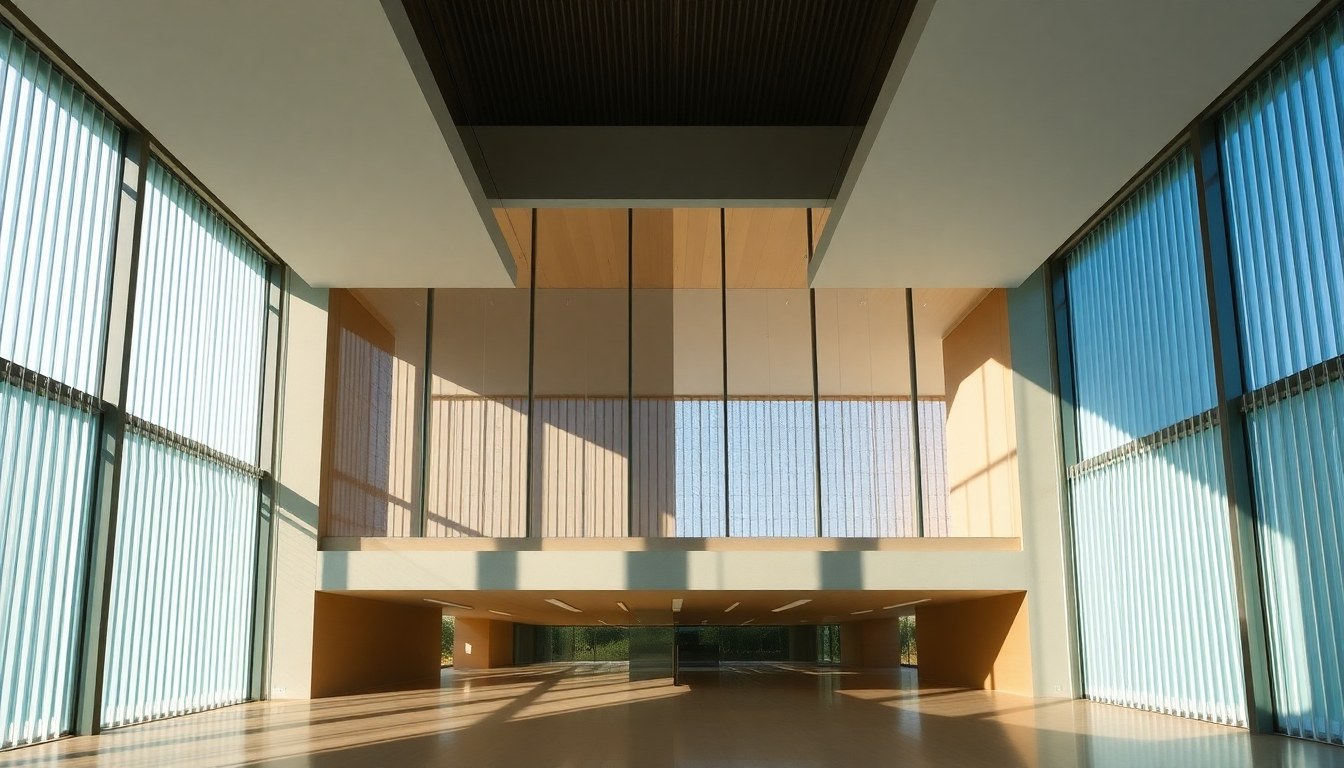
When choosing textured glass for privacy, bathrooms, partitions, or decorative elements, fluted and reeded glass emerge as two of the most popular options in India. Both create visual privacy while allowing light to pass through, yet they achieve this through distinctly different patterns and produce markedly different aesthetic and functional results. Understanding their core differences helps you make an informed decision that aligns with your design vision, maintenance capacity, and privacy needs.
What Are Fluted and Reeded Glass?
Fluted glass features deep, parallel grooves or channels running vertically across its surface. These grooves are typically wider and more pronounced, creating a bold, directional pattern. The flutes catch light at different angles, producing dramatic shadows and a strong visual impact even from a distance. Fluted glass is often used in contemporary and modern interiors, and it's particularly effective in spaces where you want the textured glass itself to become a design statement.
Reeded glass, by contrast, consists of thin, closely spaced ridges or ribs running parallel to one another. The ridges are narrower and more delicate than fluted grooves, creating a finer, more subtle texture. Reeded glass produces softer light diffusion and a gentler visual effect, making it suitable for both traditional and modern design schemes. The pattern is less visually dominant, allowing the glass to blend more seamlessly into your interior while still providing effective privacy.
Light Diffusion and Distortion: Key Differences
How Fluted Glass Handles Light
Fluted glass creates pronounced light diffusion due to its larger, deeper grooves. When light passes through, it refracts at multiple angles, creating visible shadows within the grooves. This results in stronger distortion of what's behind the glass—silhouettes become less defined, and fine details are obscured more effectively. The dramatic interplay of light and shadow makes fluted glass ideal if you prioritize maximum privacy and visual drama.
However, this strong diffusion means that fluted glass may reduce the overall brightness of natural light entering a space. In rooms where you want to maintain maximum light transmission while still gaining privacy, fluted glass might feel slightly darker than alternatives.
How Reeded Glass Handles Light
Reeded glass offers more subtle light diffusion. The fine ridges refract light gently, creating a softer, less dramatic shadow pattern. This means reeded glass maintains better light clarity while still obscuring fine details and providing privacy. Objects behind reeded glass remain somewhat blurred, but the overall luminosity of the space is preserved better than with fluted patterns.
Reeded glass is therefore the better choice for spaces where you want privacy without sacrificing brightness—such as office partitions, kitchen windows, or bathroom enclosures in naturally dim areas.
Privacy Performance: Which Offers Better Coverage?
Both fluted and reeded glass provide genuine privacy, but they operate on a spectrum. Fluted glass, with its deeper grooves and stronger distortion, offers superior privacy at close range. If someone is standing directly against or very close to fluted glass, they will have significantly more difficulty discerning details on the other side compared to reeded glass.
Reeded glass provides adequate privacy for most residential and commercial applications. While someone pressing their face against it might perceive more detail than they would with fluted glass, the distortion is still sufficient for practical privacy in bathrooms, bedrooms, and office spaces. The choice between the two often depends on whether you need fortress-level privacy or standard privacy that feels natural and maintains aesthetic appeal.
- Fluted glass: Maximum privacy, stronger distortion, bolder visual impact
- Reeded glass: Adequate privacy, softer distortion, more subtle aesthetic
Durability, Cleaning, and Maintenance
Fluted Glass Maintenance
The deeper grooves in fluted glass create more surface area and more places for dust, dirt, and moisture to accumulate. Cleaning fluted glass requires more effort—you'll need to use soft brushes or microfiber cloths to reach into the grooves and prevent water spotting. In humid environments like bathrooms, mineral deposits and mold can develop more easily within the deeper channels. Regular maintenance is essential to keep fluted glass looking pristine.
From a durability standpoint, fluted glass is no more or less durable than reeded glass when it comes to breakage resistance. Both are standard tempered or annealed glass with surface texturing. The difference lies purely in maintenance burden.
Reeded Glass Maintenance
Reeded glass is significantly easier to clean and maintain. The finer ridges don't trap as much dust or moisture, and a simple wipe-down with a damp cloth is usually sufficient. In humid bathrooms, reeded glass is less prone to mineral buildup and mold growth within its texture. If low maintenance is a priority—particularly in high-moisture areas—reeded glass is the practical choice.
Design Aesthetics and Interior Applications
Fluted Glass in Modern and Contemporary Spaces
Fluted glass works exceptionally well in contemporary, industrial, and minimalist interiors. The bold, directional pattern adds visual interest and texture, making it a feature rather than merely functional. Architects and interior designers often use fluted glass in feature walls, partition screens, and cabinet doors where the glass itself becomes part of the design narrative. Firms like Vastulinear Pvt Ltd frequently incorporate textured glass elements into contemporary residential and commercial projects across Delhi.
Fluted glass pairs beautifully with metal frames, concrete, and natural wood. It's less suited to traditional or ornate interiors, where its boldness might clash with softer design elements.
Reeded Glass in Versatile Settings
Reeded glass's subtle texture makes it universally versatile. It works in traditional, transitional, and modern spaces without demanding design attention. It's ideal for bathroom windows, frosted partitions, cabinet inserts, and anywhere you need privacy without making a strong visual statement. Interior designers value reeded glass for its ability to integrate seamlessly while solving functional problems.
Reeded glass is also more forgiving in mixed-style interiors. If your home blends traditional and contemporary elements, reeded glass won't feel out of place in either aesthetic zone. Design professionals at firms like TATTVA, The House Of Designs often recommend reeded glass for residential projects where versatility and longevity of style are concerns.
Cost Comparison and Availability in India
In the Indian market, both fluted and reeded glass are widely available through glass suppliers and architectural material distributors. Pricing is generally comparable, with costs determined more by thickness, size, and tempering requirements than by the texture type itself. Expect to pay between ₹400–₹800 per square foot for standard fluted or reeded glass in 6–8mm thickness, depending on your location and supplier.
Fluted glass may be slightly more expensive in some regions due to higher demand in commercial and hospitality projects. Reeded glass, being more universally applicable, is typically stocked by more suppliers, which can sometimes make it easier and faster to source. For large projects, both options are readily available through major glass manufacturers and distributors across metropolitan areas like Delhi, Mumbai, Bangalore, and Chennai.
Frequently Asked Questions
Can fluted glass and reeded glass be tempered?
Yes, both fluted and reeded glass can be tempered for increased safety and durability. Tempered versions are ideal for bathrooms, doors, and any application where the glass might experience thermal stress or impact. Tempered fluted or reeded glass costs slightly more than annealed versions but offers superior strength and safety, particularly important in Indian homes where temperature fluctuations and humidity are common concerns.
Which glass is better for bathroom windows?
Reeded glass is generally the better choice for bathrooms. Its finer texture is easier to clean, less prone to mold and mineral buildup in humid conditions, and maintains better light transmission. However, if you live in a ground-floor bathroom with street-facing windows and need maximum privacy, fluted glass offers superior concealment despite higher maintenance demands.
Does fluted or reeded glass block sound?
Neither fluted nor reeded glass provides significant sound insulation compared to laminated or double-glazed options. The texture affects light diffusion, not sound transmission. If noise reduction is your priority, you'll need to combine either glass type with soundproofing measures like acoustic seals or double-pane configurations.
How do I choose between fluted and reeded glass for a partition?
Consider your design style, maintenance capacity, and privacy needs. Choose fluted glass if you want a bold, contemporary look and don't mind regular cleaning. Choose reeded glass if you prefer a subtle aesthetic, need easy maintenance, or work in a traditionally styled space. Consult with architects like Studio ARCPLUS CONSTRUCTION for personalized recommendations based on your specific project.
Is reeded glass more expensive than fluted glass?
Pricing is generally equivalent in the Indian market. Both cost between ₹400–₹800 per square foot for standard thicknesses. Variations depend on supplier, location, thickness, and whether the glass is tempered. Request quotes from multiple suppliers to compare prices in your area.
Conclusion: Making Your Choice
Fluted glass delivers maximum privacy and visual drama, making it ideal for contemporary interiors and feature applications where the glass itself is a design element. Reeded glass offers subtle privacy, superior light transmission, easier maintenance, and universal design versatility, making it the practical choice for most residential and commercial spaces.
Your decision should balance aesthetics, maintenance tolerance, privacy requirements, and your interior design vision. Both options are readily available across India and perform their privacy function effectively—the difference lies in the visual experience and upkeep involved.
Ready to source high-quality fluted or reeded glass for your project? Browse verified glass suppliers, architects, and interior designers on glassy.in, India's largest glass-business directory. Connect with professionals who understand the nuances of textured glass and can guide you toward the perfect choice for your home or commercial space.