
Glass Guides
Fluted Glass vs Frosted Glass: Which Privacy Solution Works Best?
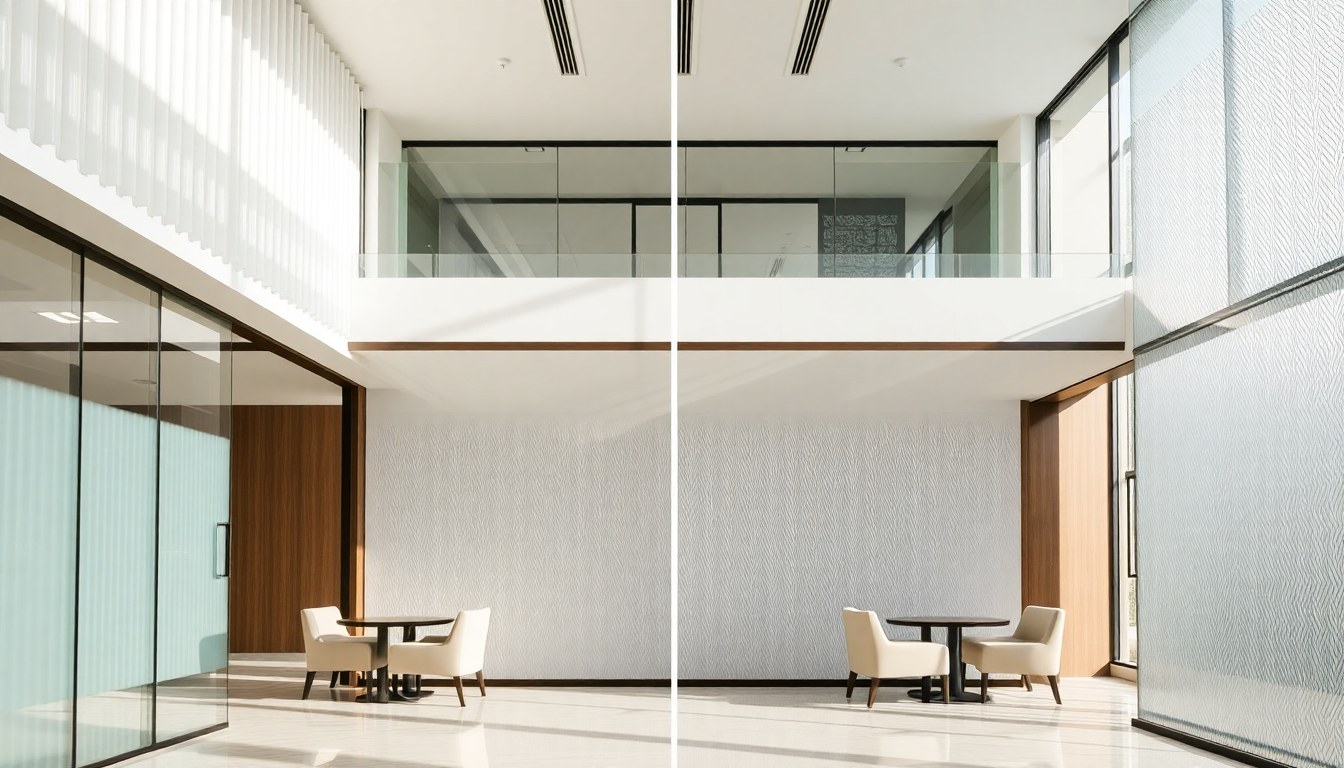
When you need privacy without sacrificing natural light, textured glass becomes an essential choice. Fluted and frosted glass are two of the most popular options, each delivering different aesthetic results and functional performance. Understanding their key differences will help you select the right solution for your home, office, or commercial space.
What Is Fluted Glass?
Fluted glass features parallel, vertical grooves or ridges running across its surface. These grooves are typically uniform and evenly spaced, creating a distinctive linear pattern. The manufacturing process involves pressing molten glass into a mold with ridged patterns, allowing light to pass through while distorting the view from both sides.
The depth and width of the flutes can vary depending on the manufacturer and design specification. Standard fluted glass in India typically has flutes ranging from 3mm to 8mm in width. This textured surface makes it ideal for spaces where you want a contemporary, architectural aesthetic alongside functional privacy.
What Is Frosted Glass?
Frosted glass achieves its opaque appearance through a chemical or mechanical etching process that roughens the surface. Unlike fluted glass's structured ridges, frosted glass has a uniform, matte finish that scatters light diffusely across its entire surface. This creates a soft, cloud-like appearance that many find elegant and sophisticated.
The frosting process can be applied to plain glass sheets of any thickness, making it highly versatile. Frosted glass can also be customized with patterns, logos, or designs by selectively masking areas during the etching process. This flexibility has made frosted glass a favorite in corporate offices, bathroom partitions, and retail environments across Indian cities like Bangalore, Mumbai, and Delhi.
Light Diffusion and Transparency: Key Differences
How Fluted Glass Handles Light
Fluted glass's linear grooves create directional light diffusion. Light entering perpendicular to the flutes scatters along the ridge direction, while light hitting at an angle behaves differently. This directional quality means the level of privacy can vary slightly depending on the angle from which someone views the glass. During bright daytime hours, fluted glass provides excellent privacy, but backlighting can sometimes reveal silhouettes.
The structured pattern of fluted glass also creates interesting shadow effects and visual depth, making it popular in architectural applications where aesthetic impact matters as much as privacy.
How Frosted Glass Handles Light
Frosted glass diffuses light uniformly in all directions due to its random surface texture. This means privacy remains consistent regardless of viewing angle or time of day. The soft, even light distribution makes frosted glass ideal for spaces where consistent privacy is non-negotiable, such as bathrooms and medical facilities.
Frosted glass also tends to brighten interior spaces more evenly since light scatters comprehensively across the surface. This characteristic makes it particularly valuable in offices and corridors where you want privacy without creating dark, shadowy areas.
Aesthetic Appeal and Design Flexibility
Fluted Glass Aesthetics
Fluted glass has a distinctly modern, architectural appearance. The parallel ridges create visual movement and depth, making it a statement element in contemporary interior design. It pairs well with minimalist décor, industrial styles, and modern office environments. Many architects in India specify fluted glass for partition walls in corporate offices because it conveys professionalism while maintaining an open-plan aesthetic.
The linear pattern of fluted glass is less versatile for customization. While you can tint fluted glass or combine it with frames, adding custom designs or logos is more challenging than with frosted glass.
Frosted Glass Aesthetics
Frosted glass offers a softer, more elegant appearance. Its cloud-like finish suits both contemporary and traditional interiors, making it more universally adaptable. Frosted glass can be customized extensively—manufacturers can etch company logos, decorative patterns, or wayfinding graphics directly onto the surface. This flexibility makes frosted glass the preferred choice for retail storefronts, hotel entrances, and branded office spaces.
The neutral aesthetic of frosted glass also works well in bathrooms, kitchens, and living spaces where you want privacy without a bold visual statement.
Maintenance and Durability Considerations
Maintaining Fluted Glass
The grooved surface of fluted glass can trap dust and moisture in the ridges, requiring more frequent cleaning than smooth surfaces. A soft brush or microfiber cloth works best for cleaning the grooves without scratching the glass. For stubborn dirt, a slightly damp cloth followed by dry polishing is effective. In high-humidity environments like bathrooms, the grooves may accumulate water droplets or mineral deposits more readily.
Fluted glass is durable and resistant to scratching, but the textured surface can show fingerprints and smudges more visibly than frosted glass. Regular maintenance is essential to keep fluted glass looking pristine, especially in high-traffic commercial spaces.
Maintaining Frosted Glass
Frosted glass's uniform matte surface is easier to clean than fluted glass. A simple spray of glass cleaner and a soft cloth remove most dust, fingerprints, and smudges effectively. The absence of grooves means there are no crevices where dirt can accumulate, making frosted glass lower-maintenance overall.
Frosted glass is equally durable as fluted glass, but the etched surface can occasionally show water spots or streaks if not dried properly. In humid environments, frosted glass may require more frequent polishing to maintain its pristine appearance, though the effort is minimal compared to fluted glass maintenance.
Cost Comparison and Budget Considerations
In the Indian market, fluted glass and frosted glass are comparably priced, with costs varying based on thickness, size, and supplier. Standard 6mm fluted glass typically ranges from ₹400 to ₹800 per square foot, depending on the region and supplier. Frosted glass of similar specifications usually falls in the same price range: ₹400 to ₹850 per square foot.
Customization affects pricing significantly. Frosted glass with etched logos or patterns may cost an additional 20-40% above the base price due to the custom etching process. Fluted glass remains relatively consistent in price since customization is more limited. If you're considering large-scale installations in commercial spaces, bulk pricing can reduce costs for both options by 10-15%.
Installation costs are similar for both types. However, if your space has high-humidity conditions, factor in additional maintenance costs for fluted glass over time, as more frequent cleaning may be necessary to prevent mineral buildup in the grooves.
Ideal Use Cases for Each Option
When to Choose Fluted Glass
- Modern office partitions: Fluted glass creates visual separation while maintaining an open-plan feel in contemporary workspaces.
- Architectural features: Use fluted glass as a design statement in reception areas, stairwells, or feature walls.
- Retail displays: The linear pattern draws attention while providing privacy to stockrooms or employee areas.
- Residential accent walls: Fluted glass works beautifully in living rooms or bedrooms where you want privacy without complete opacity.
- Low-humidity environments: Choose fluted glass in spaces where moisture accumulation won't be a maintenance issue.
When to Choose Frosted Glass
- Bathrooms and wet areas: Frosted glass's consistent privacy and easier maintenance make it ideal for moisture-prone spaces.
- Corporate offices with branding: Frosted glass allows custom logo etching, making it perfect for branded office partitions.
- Medical and professional facilities: The uniform privacy and clean aesthetic suit healthcare clinics and counseling spaces.
- Retail storefronts: Frosted glass with custom graphics creates an inviting yet private storefront entrance.
- Kitchen and laundry areas: The low-maintenance nature of frosted glass suits kitchens where grease and steam are common.
- High-traffic commercial spaces: Easier cleaning and fingerprint resistance make frosted glass practical for busy environments.
Frequently Asked Questions
Can fluted glass and frosted glass be combined in a single installation?
Yes, absolutely. Many designers combine fluted and frosted glass to create visual interest while maintaining privacy. For example, you might use fluted glass for a feature wall and frosted glass for practical partitions. This mixed approach allows you to balance aesthetics with functionality. Some manufacturers in India also offer hybrid products that combine elements of both textures.
Which glass option provides better sound insulation?
Both fluted and frosted glass provide minimal sound insulation on their own. The textured surface of either type doesn't significantly dampen noise. If sound reduction is a priority, consider laminated or double-glazed versions of these textured glasses, or pair them with acoustic panels. Laminated fluted or frosted glass can reduce noise transmission by 30-40% compared to plain textured glass.
Is frosted glass or fluted glass better for bathrooms?
Frosted glass is generally the better choice for bathrooms. Its uniform privacy remains consistent from all angles, and the smooth matte finish is easier to clean and maintain in high-humidity environments. Fluted glass's grooves can trap moisture and mineral deposits from hard water, requiring more frequent cleaning. However, if you prefer the aesthetic of fluted glass, ensure proper ventilation and regular maintenance to prevent water buildup in the grooves.
Can you see through fluted or frosted glass at night with lights on?
Both fluted and frosted glass provide privacy during the day and at night when interior lights are on. However, strong backlighting or direct light sources behind the glass can sometimes create silhouettes through fluted glass due to its directional light diffusion. Frosted glass offers more consistent privacy in all lighting conditions because its uniform texture scatters light omnidirectionally.
How long do fluted and frosted glass finishes last?
Both finishes are permanent and durable. Frosted glass's etched finish won't wear off with normal use, and fluted glass's molded ridges are integral to the glass itself. With proper maintenance and care, both types can last 15-20 years or longer without degradation. The main consideration is keeping the surface clean and protected from scratches or impact damage.
Making Your Final Decision
Choosing between fluted and frosted glass depends on your specific needs. Prioritize frosted glass if you need consistent privacy, easy maintenance, and design customization. Choose fluted glass if you want a modern aesthetic, don't mind regular cleaning, and work in low-humidity spaces. Both are excellent privacy solutions that allow natural light while maintaining confidentiality.
Ready to upgrade your space with quality textured glass? Explore India's largest glass-business directory at glassy.in to connect with trusted glass suppliers and manufacturers near you. Whether you're in Delhi, Bangalore, Mumbai, or any other Indian city, find the perfect fluted or frosted glass solution for your project today.