
Interior Design
False Ceiling with Glass Panels: Light Distribution, Acoustics & Design Trends
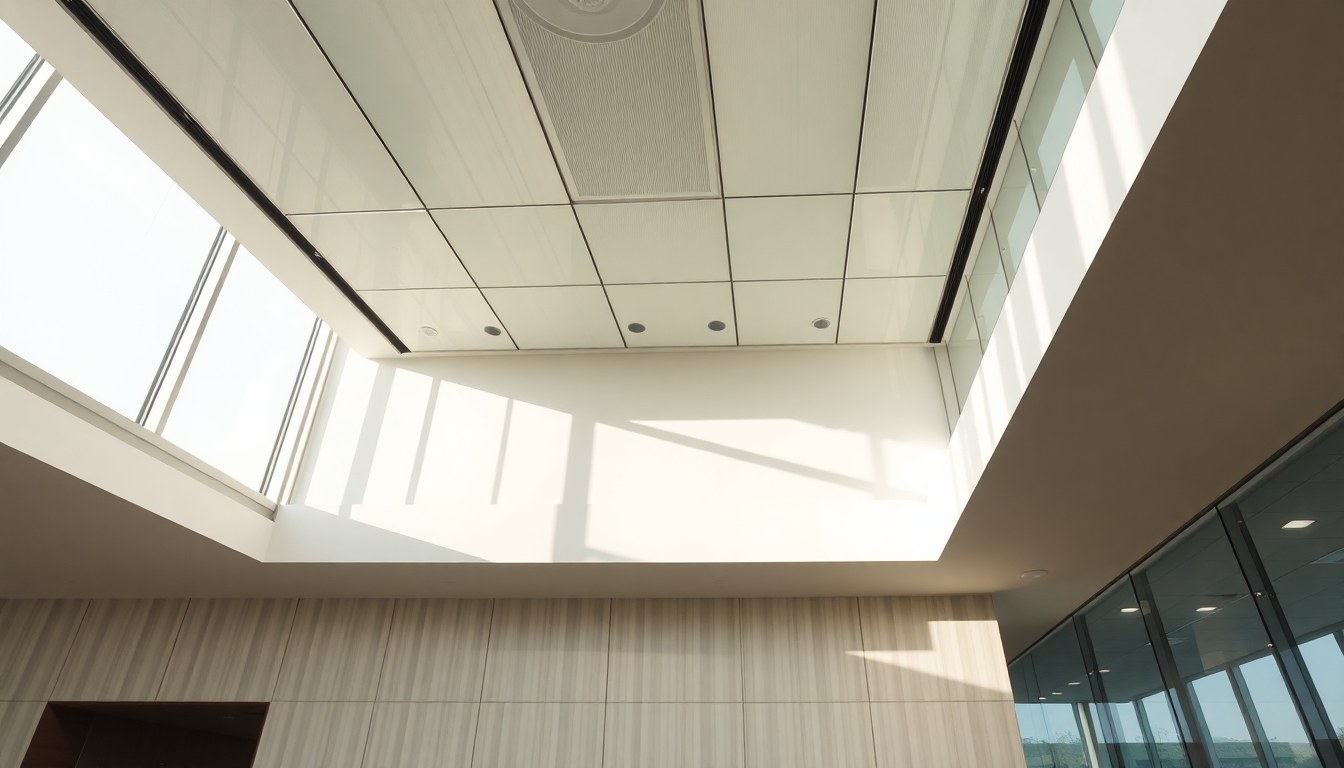
False ceilings with glass panels have become a game-changer in modern interior design, merging aesthetic appeal with practical benefits like enhanced light distribution and acoustic control. Whether you're renovating a home office, retail space, or corporate environment, glass panel false ceilings offer a sophisticated solution that maximizes natural and artificial light while managing noise effectively. This guide explores how these systems work, their acoustic advantages, maintenance requirements, and the design trends shaping interiors in 2026.
Understanding False Ceilings with Glass Panels
A false ceiling (also called a drop ceiling or suspended ceiling) with glass panels is a secondary ceiling installed below the structural ceiling. Unlike traditional plasterboard or mineral fiber ceilings, glass panel versions incorporate transparent or translucent glass elements—often framed in aluminium or steel—to create visual lightness and improve light penetration throughout a space.
Glass panel false ceilings work by allowing light to pass through while maintaining structural integrity. The glass is typically tempered for safety and durability, and it can be combined with other materials like gypsum board, acoustic tiles, or metal grilles to achieve desired aesthetic and functional outcomes. This hybrid approach gives architects and designers flexibility to balance transparency with privacy and sound absorption.
Types of Glass Used in False Ceilings
- Tempered Glass: Strongest and safest option; breaks into small, harmless granules if shattered.
- Frosted or Etched Glass: Provides privacy while diffusing light evenly, ideal for office partitions.
- Laminated Glass: Holds together if broken; offers sound dampening properties.
- Tinted Glass: Reduces glare and heat while maintaining transparency; popular in commercial spaces.
- Textured Glass: Adds visual interest and helps soften harsh light reflections.
Light Distribution and LED Integration
One of the primary advantages of glass panel false ceilings is their ability to maximize light distribution. Unlike solid ceilings that block light, glass panels allow illumination to spread evenly across the room, reducing dark corners and creating a brighter, more inviting environment. This is particularly valuable in spaces with limited natural light or where energy efficiency is a priority.
LED integration has transformed glass panel false ceilings into smart lighting solutions. Modern installations embed LED strips or panels directly into the glass framework, creating ambient, task, or accent lighting that can be dimmed or colour-adjusted. In 2026, smart LED systems with IoT connectivity are becoming standard, allowing users to control lighting via mobile apps or voice commands while optimizing energy consumption.
Benefits of LED-Integrated Glass Ceilings
- Reduced energy consumption compared to traditional overhead lighting.
- Even light distribution eliminates shadows and improves visibility.
- Flexibility to adjust colour temperature (warm to cool white) for different moods and times of day.
- Longer lifespan of LED technology reduces maintenance frequency.
- Creates modern, sleek aesthetic without visible wiring or fixtures.
Acoustic Performance and Sound Control
While glass itself is reflective and doesn't absorb sound, false ceiling systems with glass panels can still deliver excellent acoustic performance when designed thoughtfully. The key is combining glass with sound-absorbing materials—such as acoustic foam, mineral wool, or specialized panels—in the cavity above the ceiling or adjacent to glass sections.
This hybrid approach allows architects to maintain visual openness and light transmission while controlling noise levels. For offices, meeting rooms, and residential spaces near traffic or commercial areas, strategic placement of acoustic materials behind or beside glass panels effectively reduces reverberation and external noise without sacrificing the light-enhancing benefits of glass.
Acoustic Design Strategies
- Layered Construction: Combine glass panels with acoustic tiles or foam in alternating sections for balanced light and sound control.
- Cavity Insulation: Fill the space above the false ceiling with sound-absorbing materials like rockwool or fibreglass.
- Sealed Joints: Use acoustic sealant at panel edges to prevent sound leakage.
- Strategic Placement: Position glass in high-traffic areas and acoustic panels in zones requiring quiet (e.g., above meeting rooms or bedrooms).
- Thickness and Lamination: Thicker, laminated glass reduces sound transmission better than thin, single-pane glass.
Maintenance and Durability Considerations
Glass panel false ceilings require regular maintenance to remain visually appealing and functional. Dust, fingerprints, and water marks accumulate on glass surfaces, especially in kitchens, bathrooms, or high-humidity environments. Routine cleaning with a soft cloth and appropriate glass cleaner keeps panels clear and maintains their light-transmitting properties.
Tempered glass used in false ceilings is highly durable and resistant to thermal shock, making it suitable for kitchens and areas with temperature fluctuations. However, it's important to avoid direct contact with sharp objects or heavy impacts, which can cause damage. Professional installation ensures proper framing, sealing, and support, extending the lifespan of the system to 15–20 years or more.
Maintenance Tips
- Clean glass panels monthly with a microfibre cloth and mild glass cleaner.
- Inspect seals and joints quarterly for signs of moisture or gaps.
- Check LED fixtures for functionality and replace bulbs as needed.
- In humid areas, ensure proper ventilation to prevent condensation buildup.
- Address any cracks or chips immediately to prevent water infiltration.
Design Trends for 2026: Glass Ceiling Aesthetics
Contemporary interior design is embracing glass panel false ceilings as a statement feature, not merely a functional element. In 2026, expect to see several dominant trends shaping how these systems are integrated into homes and offices.
Minimalist design continues to influence false ceiling choices, with clean lines, frameless glass panels, and integrated lighting creating uncluttered, sophisticated spaces. Biophilic design—incorporating natural elements—pairs glass ceilings with exposed wooden beams or green walls, allowing visual connection between different design layers. Warm, ambient LED lighting (2700–3000K colour temperature) is replacing harsh white light, creating cosier, more human-centric environments.
Key 2026 Design Trends
- Smart Glass Technology: Electrochromic (switchable) glass that changes opacity on demand, offering privacy without sacrificing light.
- Mixed Materials: Combining glass with wood, metal, and acoustic panels for textural depth.
- Geometric Patterns: Etched or frosted glass with geometric designs adding visual interest while diffusing light.
- Sustainable Materials: Recycled glass and eco-friendly framing materials appealing to environmentally conscious clients.
- Open-Plan Integration: Glass ceilings defining zones in open spaces while maintaining visual and light continuity.
Professional architects and interior designers like those at Studio ARCPLUS CONSTRUCTION and Vastulinear Pvt Ltd are increasingly incorporating glass panel false ceilings into their contemporary projects, recognizing their dual appeal to modern homeowners and businesses seeking both functionality and visual appeal.
Cost Considerations and ROI
The cost of installing a glass panel false ceiling varies based on glass type, frame material, LED integration, and project size. In India, basic tempered glass panel ceilings typically range from ₹800 to ₹2,000 per square foot, while premium installations with smart LED systems and custom designs can exceed ₹3,500 per square foot.
While initial investment is higher than traditional plasterboard ceilings, the benefits justify the cost. Energy savings from LED integration, reduced maintenance compared to painted ceilings, and improved property aesthetics contribute to long-term value. For commercial spaces, enhanced employee well-being and productivity linked to better lighting often translate to measurable returns on investment.
Applications in Residential and Commercial Spaces
Glass panel false ceilings suit diverse applications. In residential settings, they're popular in living rooms, home offices, kitchens, and master bedrooms, where they create a sense of spaciousness and elegance. In commercial environments—offices, retail stores, restaurants, and hotels—they enhance brand perception, improve customer experience, and support employee wellness through better lighting.
Firms like Scale Architects and TATTVA, The House Of Designs have successfully implemented glass ceiling solutions in diverse projects, from corporate offices to residential renovations, demonstrating the versatility and appeal of this design choice across sectors.
Frequently Asked Questions
Are glass panel false ceilings suitable for bathrooms and kitchens?
Yes, but with precautions. Use tempered or laminated glass rated for wet environments, ensure proper sealing of joints, and incorporate adequate ventilation to prevent moisture buildup. Frosted or textured glass is recommended for privacy in bathrooms while maintaining light transmission.
Can glass panel false ceilings be combined with traditional acoustic tiles?
Absolutely. A hybrid approach—alternating glass panels with acoustic tiles or foam panels—allows you to balance light distribution with sound absorption. This is especially effective in open offices or commercial spaces where both benefits are needed.
How do I clean and maintain glass panel false ceilings?
Clean glass panels monthly using a soft microfibre cloth and mild glass cleaner. Inspect seals and joints quarterly, check LED fixtures for functionality, and ensure proper ventilation in humid areas. Professional cleaning may be needed annually for large installations.
What is the typical lifespan of a glass panel false ceiling?
With proper installation and maintenance, glass panel false ceilings last 15–20 years or longer. Tempered glass is highly durable, and LED systems typically have a lifespan of 25,000–50,000 hours, depending on quality and usage.
Are smart glass ceilings with switchable opacity available in India?
Yes, electrochromic (smart) glass is available in major Indian cities, though it's premium-priced (₹5,000–₹10,000+ per square foot). These systems allow you to switch glass opacity electronically, offering privacy on demand while maintaining light control. Adoption is growing in high-end residential and corporate projects.
Conclusion
False ceilings with glass panels represent a modern design evolution that balances aesthetics, functionality, and sustainability. By enhancing light distribution, integrating smart LED systems, and incorporating acoustic solutions, these ceilings transform interiors into bright, comfortable, and sophisticated spaces. Whether for a home renovation or commercial project, glass panel false ceilings align with 2026 design trends and offer lasting value.
Ready to explore glass panel false ceiling options for your project? Browse verified glass and interior design professionals on glassy.in—India's largest glass-business directory—to connect with architects, designers, and installation experts near you.