
Toughened Glass
Anti-Reflective Glass Coatings: Do They Work on Toughened Glass?
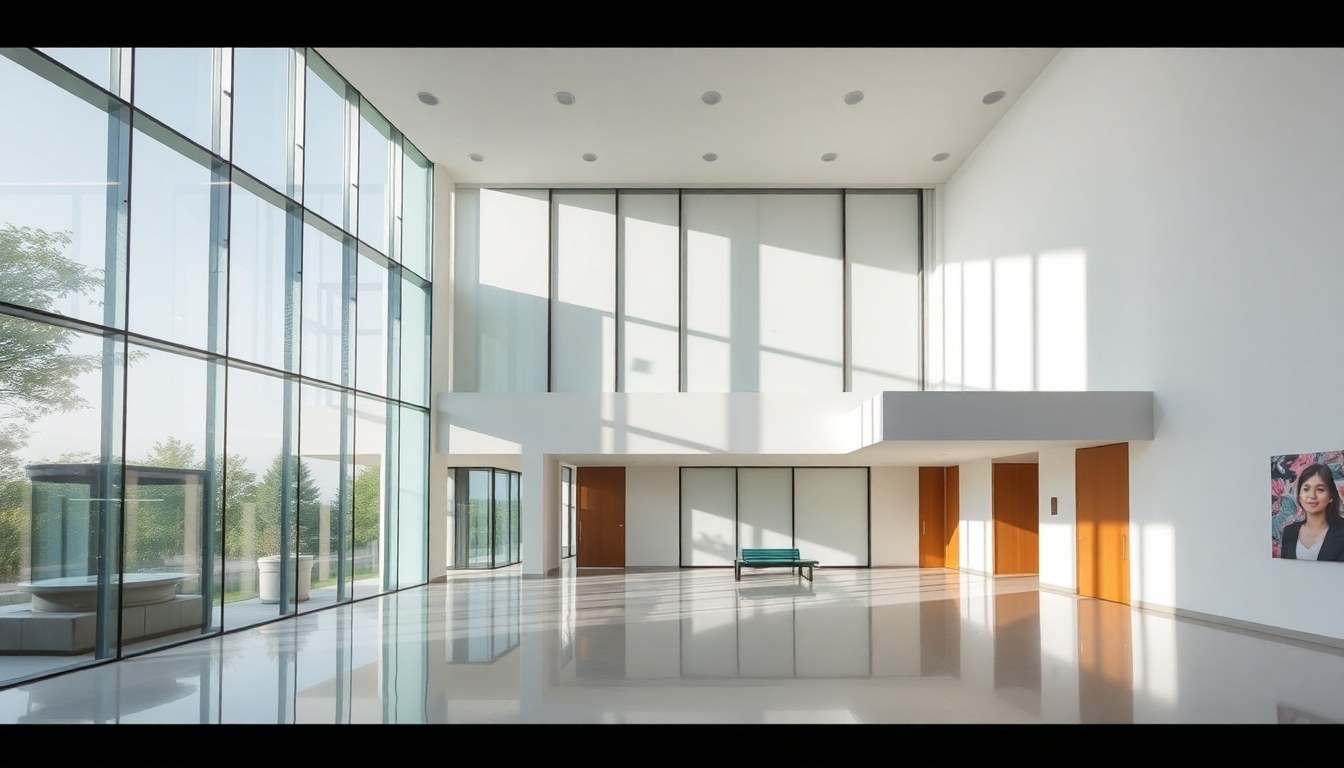
Yes, anti-reflective (AR) coatings can be applied to toughened glass, but the process requires careful planning and the right technical approach. Many museum curators, retail designers, and architects assume that tempered glass cannot accept AR coatings due to its hardened surface, but modern coating technologies have made this combination viable—provided the coating is applied at the correct stage or using compatible adhesion methods. Understanding the chemistry, application methods, and durability of AR coatings on toughened surfaces will help you make informed decisions for high-end displays and architectural projects.
What Is Anti-Reflective Glass Coating?
Anti-reflective coating is a microscopically thin layer of material applied to glass surfaces to reduce light reflection and improve light transmission. Standard uncoated glass reflects approximately 4% of light at each surface. AR coatings work by creating destructive interference—where light waves reflected from different layers cancel each other out—allowing more light to pass through while reducing glare and reflections.
These coatings are made from materials such as silicon dioxide (SiO₂), titanium dioxide (TiO₂), magnesium fluoride (MgF₂), or multi-layer combinations thereof. The thickness of each layer is precisely calculated to match specific wavelengths of light, typically in the visible spectrum (400–700 nanometers). High-quality AR coatings can reduce reflectance to below 1%, making glass appear nearly invisible—a critical advantage in museum display cases and premium retail environments.
Can AR Coatings Be Applied to Toughened Glass?
Pre-Tempering Application (Preferred Method)
The most reliable way to apply AR coating to toughened glass is to coat the glass before the tempering process. In this sequence, the glass is cleaned, coated with the AR layer, and then subjected to the thermal tempering process. The high heat (around 620–680°C) does not damage properly formulated AR coatings, and the subsequent cooling and stress-relief create a permanent bond between the coating and the glass substrate.
This pre-tempering method is the industry standard for museum-quality display cases and architectural glazing because it ensures maximum durability and clarity. The coating becomes integral to the glass surface rather than sitting atop a hardened layer.
Post-Tempering Application (Limited Success)
Applying AR coating to already-tempered glass is more challenging. Toughened glass has a hardened, non-porous surface with high compressive stress, making adhesion difficult. Post-tempering application requires specialized adhesion promoters, plasma treatment, or sol-gel technologies to ensure the coating bonds properly. Success rates vary depending on the coating system and the glass supplier's surface quality.
Some advanced coating manufacturers use water-based or hybrid formulations that can adhere to tempered surfaces, but these typically offer lower durability than pre-tempered coatings. They may also require longer curing times and stricter environmental controls during application.
AR Coating Chemistry and How It Works on Glass Surfaces
Multi-Layer Interference Design
Professional AR coatings are not single-layer applications. They consist of multiple layers, typically 3–7 layers thick, alternating between high-refractive-index and low-refractive-index materials. This stack is designed so that light reflected from each interface undergoes destructive interference, canceling out reflections across the visible spectrum.
For toughened glass, the coating must be applied with precision to avoid defects that could compromise the tempered surface's structural integrity. Any irregularities in layer thickness or composition can reduce effectiveness and durability.
Adhesion Challenges on Tempered Surfaces
Tempered glass presents a unique adhesion challenge because its surface is extremely dense and non-porous. Standard coatings designed for annealed glass may not bond well. To overcome this, manufacturers use:
- Plasma or corona treatment to increase surface energy and improve wetting
- Adhesion promoters (silane-based compounds) that create chemical bonds between coating and glass
- Sol-gel technology that allows the coating to cure and harden directly on the surface
- Ion-beam-assisted deposition (IBAD) for premium applications requiring maximum durability
Application Methods for AR Coatings on Toughened Glass
Vacuum Deposition Techniques
The most common industrial method is physical vapor deposition (PVD), performed in a vacuum chamber. The coating material is evaporated or sputtered onto the glass surface, building up the multi-layer stack one atom at a time. This method offers excellent control and produces highly durable coatings, but it requires specialized equipment and is typically done before tempering.
For post-tempered applications, magnetron sputtering can be used, though it requires careful temperature management to avoid thermal stress on the already-hardened glass.
Wet Chemical Methods
Sol-gel coating is a wet chemical process where liquid precursors are applied to the glass and then cured through heating. This method is more flexible for post-tempering application because it operates at lower temperatures (typically 100–200°C) and can be applied in a standard workshop environment. However, sol-gel coatings may not match the durability of vacuum-deposited coatings.
Dip and Spin Coating
For smaller items or custom applications, dip coating or spin coating can be used with specialized AR solutions. These methods are less common for architectural glass but are viable for decorative or display-grade tempered glass panels.
Durability and Maintenance of AR Coatings on Tempered Glass
The lifespan of an AR coating on toughened glass depends on the application method, coating quality, and environmental exposure. Pre-tempered AR coatings typically last 10–20+ years in indoor museum or retail settings, with minimal maintenance required.
Post-tempered coatings are generally less durable, lasting 5–10 years depending on conditions. They are more susceptible to abrasion, humidity, and thermal cycling. In high-traffic areas or outdoor applications, post-tempered AR coatings may require periodic recoating.
Maintenance Best Practices
- Clean with soft, lint-free microfiber cloths and distilled water
- Avoid abrasive cleaners, alcohol-based solutions, or harsh chemicals
- Do not use squeegees or high-pressure water jets
- For museum displays, minimize handling and maintain stable humidity (40–55% RH)
- Inspect coatings annually for signs of wear or delamination
Cost Considerations and ROI
AR coating adds a premium to the cost of toughened glass. Pre-tempered AR coatings typically add ₹500–₹2,500 per square meter, depending on coating quality and glass thickness. Post-tempered applications are often more expensive (₹1,500–₹3,500 per square meter) due to specialized labor and adhesion treatments.
For museum displays, retail showcases, and high-end architectural glazing, the investment is justified by improved aesthetics, reduced glare, and enhanced product visibility. A museum case with AR coating can increase artifact visibility by 10–15% compared to standard glass, making the premium worthwhile for institutions prioritizing conservation and presentation.
If you're planning an AR-coated tempered glass project, consult with experienced glass fabricators like Mittal Fabrication or Tuffen Glass Work who can advise on the most cost-effective approach for your application. For architectural integration, partnering with firms like The Architect's Studio ensures coatings are specified and coordinated correctly during the design phase.
Common Myths About AR Coatings and Tempered Glass
Myth 1: AR coatings cannot be applied to tempered glass. False. Modern coating technologies and pre-tempering application methods make this entirely feasible. The key is working with suppliers who offer this service.
Myth 2: AR coatings make glass too fragile. False. The coating layer is microscopically thin and does not affect the structural integrity of tempered glass. The tempering process is unaffected by proper AR coating application.
Myth 3: AR coatings eliminate all reflections. Partially false. High-quality AR coatings reduce reflectance to 0.5–1%, but cannot eliminate it entirely. Some reflection will always occur, but it is imperceptible to the human eye in most lighting conditions.
Myth 4: AR coatings are maintenance-free. False. While durable, they require gentle cleaning and periodic inspection. Proper care extends their lifespan significantly.
When to Choose AR-Coated Tempered Glass
AR-coated toughened glass is ideal for:
- Museum display cases and gallery walls
- High-end retail showcases and jewelry displays
- Architectural glazing in premium buildings where clarity is critical
- Picture frames and artwork protection in galleries
- Laboratory and medical equipment screens requiring minimal glare
- Automotive and aerospace applications where both strength and optical clarity are needed
For standard applications where glare is not a primary concern, the additional cost may not be justified. Standard tempered glass offers excellent strength and safety at a lower price point.
Frequently Asked Questions
Does tempering damage anti-reflective coatings?
No, if the coating is applied before tempering and is formulated to withstand high temperatures. Properly designed AR coatings remain stable through the tempering process (620–680°C). Post-tempering applications are more vulnerable to thermal stress and may require lower-temperature adhesion methods.
How long do AR coatings last on tempered glass?
Pre-tempered AR coatings typically last 10–20+ years in indoor environments with proper care. Post-tempered coatings last 5–10 years. Lifespan depends on environmental conditions, cleaning practices, and coating quality. In museum settings with controlled humidity and minimal handling, coatings often exceed their expected lifespan.
Can I apply AR coating to tempered glass myself?
Not reliably. AR coating requires specialized equipment (vacuum chambers, plasma treatment, or precision chemical application), expertise in layer thickness control, and quality assurance testing. Professional application through certified glass suppliers ensures durability and performance. DIY attempts will likely result in poor adhesion and short lifespan.
Is AR coating worth the cost for a home display case?
For valuable artwork, collectibles, or heirloom displays, yes. The improved clarity and reduced glare enhance the viewing experience and protect items from UV reflection. For casual storage or utility applications, standard tempered glass is sufficient. Consider your display's importance and the lighting conditions in your space.
What is the difference between AR coating and tinted or reflective coatings?
AR coatings reduce reflections and increase light transmission (typically 99%+ transmission). Reflective coatings (mirror coatings) are designed to reflect light. Tinted coatings absorb specific wavelengths to reduce heat or glare. Each serves a different purpose; AR coatings are best for clarity and visibility, while reflective coatings are for privacy or mirror applications.
Final Thoughts
Anti-reflective coatings work exceptionally well on toughened glass when applied using the correct method—ideally before tempering. This combination offers museums, retailers, and architects the best of both worlds: the safety and strength of tempered glass with the optical clarity of premium AR coating. The investment is higher than standard glass, but the aesthetic and functional benefits justify the cost for applications where visibility and presentation are paramount.
Ready to specify AR-coated tempered glass for your next project? Browse India's most comprehensive glass business directory on glassy.in to connect with certified glass suppliers, fabricators, and architects specializing in premium glazing solutions. From museum-quality display cases to high-end retail installations, find the right partner to bring your vision to life.