
Glass Facades
Top 10 Architects in Coimbatore for Glass Facade and Exterior Projects
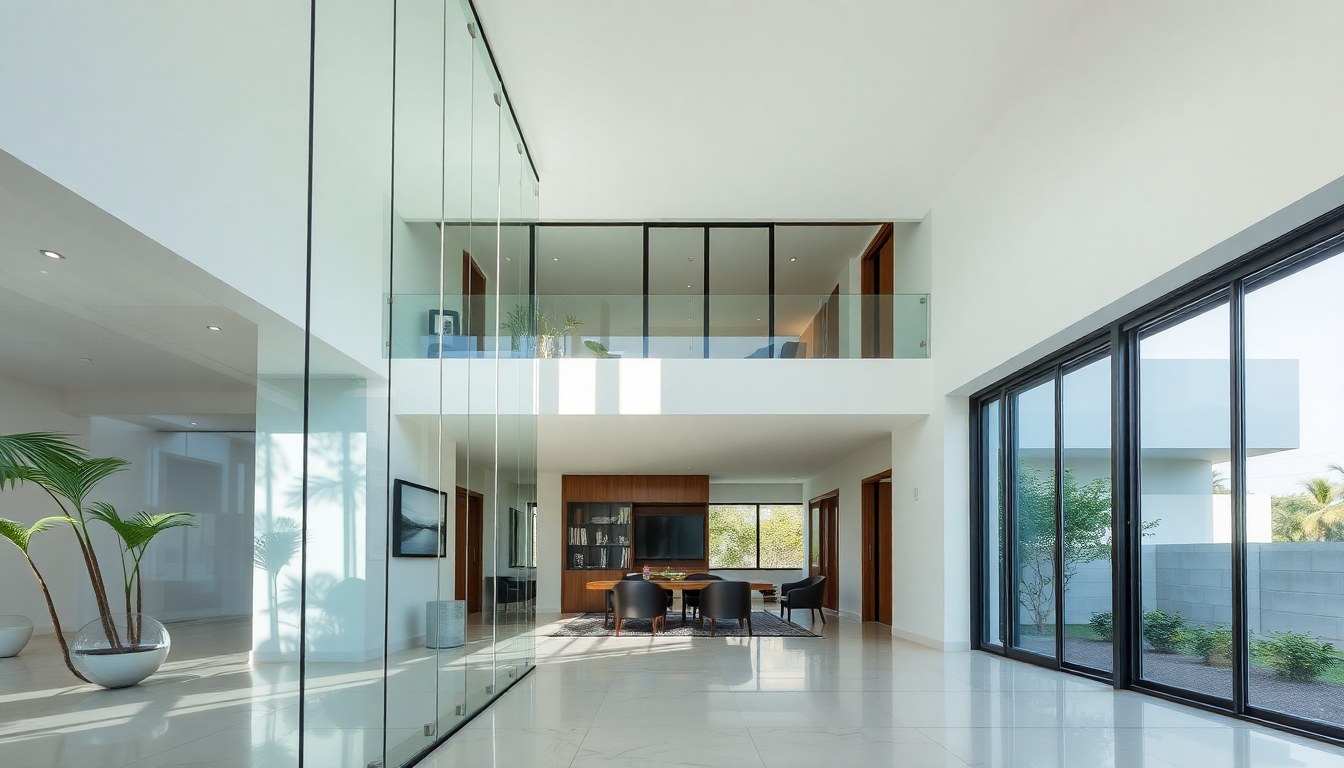
Coimbatore's skyline is rapidly transforming with contemporary glass facades that blend aesthetics with functionality. Whether you're planning a commercial complex, residential tower, or institutional building, choosing the right architect with expertise in glass facade systems is crucial for achieving energy efficiency, visual appeal, and structural integrity. This comprehensive guide introduces you to Coimbatore's leading architects who specialize in spider glazing, ACP-glass combinations, and cutting-edge exterior glass solutions.
Why Glass Facades Are Transforming Coimbatore's Architecture
Glass facades have become the hallmark of modern architecture in Coimbatore, reflecting the city's growth as a manufacturing and IT hub. These transparent and semi-transparent building envelopes offer numerous advantages beyond mere aesthetics. They maximize natural daylight penetration, reduce artificial lighting costs, and create an impression of spaciousness that traditional masonry walls cannot achieve.
The tropical climate of Coimbatore presents unique challenges for facade design. Architects must balance transparency with thermal performance, selecting appropriate glass types such as low-E coatings, double-glazed units, or heat-reflective tinted glass. Modern glass facade systems also incorporate sun-control devices, ventilated cavity walls, and smart glazing technologies that respond to environmental conditions.
Energy efficiency has become a primary concern for building owners, especially with rising electricity costs. Well-designed glass facades can significantly reduce HVAC loads while maintaining comfortable indoor environments. This is why experienced architects who understand both the aesthetic and technical aspects of glass systems are in high demand across Coimbatore's construction sector.
Understanding Different Glass Facade Systems
Spider Glazing and Point-Fixed Systems
Spider glazing represents the pinnacle of minimalist facade design, using stainless steel point fixings to support large glass panels with minimal visual obstruction. This system creates seamless glass walls that appear to float, making it ideal for corporate lobbies, showrooms, and high-end retail spaces. The spider fittings distribute loads efficiently while allowing for thermal movement and structural flexibility.
Architects specializing in spider glazing must carefully calculate wind loads, glass thickness, and support spacing to ensure safety and durability. The system requires precision engineering and collaboration with structural consultants, particularly for tall buildings exposed to high wind pressures in Coimbatore's open areas.
ACP-Glass Combination Facades
Aluminum Composite Panel (ACP) combined with glass creates dynamic facades that offer design versatility and cost-effectiveness. This hybrid approach allows architects to balance solid and transparent areas, creating visual rhythm while controlling solar heat gain. ACP panels come in various finishes—metallic, matte, or textured—that complement glass sections beautifully.
Leading firms like Akshar Architects have successfully executed ACP-glass projects across Coimbatore, demonstrating how this combination can achieve both aesthetic appeal and budget considerations. The system is particularly popular for mid-rise commercial buildings and educational institutions.
Curtain Wall Systems
Curtain walls are non-structural cladding systems that hang from the building's structural frame. These sophisticated systems can be stick-built on site or prefabricated as unitized panels. Modern curtain walls incorporate thermal breaks, pressure-equalized rainscreen principles, and advanced weatherproofing to handle Coimbatore's monsoon conditions.
The initial investment in curtain wall systems is higher than conventional facades, but the long-term benefits include reduced maintenance, superior weather protection, and enhanced energy performance. Architects experienced in curtain wall design understand the complexities of mullion design, gasket selection, and drainage detailing that ensure decades of trouble-free performance.
Key Considerations When Selecting an Architect for Glass Facade Projects
Choosing the right architectural firm for your glass facade project requires evaluating several critical factors. Technical expertise in glazing systems should be your primary criterion, as glass facades demand specialized knowledge that goes beyond conventional building design. Look for architects who have completed similar projects and can demonstrate understanding of structural glazing principles, thermal performance calculations, and building code compliance.
Portfolio review is essential. Examine completed projects to assess design sensibility, attention to detail, and the ability to integrate glass systems harmoniously with overall building aesthetics. Firms like IDEAA SPAACE - Architects in Coimbatore showcase diverse glass facade projects that demonstrate versatility across different building typologies.
Collaboration capability matters significantly in glass facade projects. Your architect should work seamlessly with facade consultants, structural engineers, and specialized glazing contractors. The best architectural firms maintain relationships with reputable glass suppliers and fabricators, ensuring quality materials and proper installation. They should also be familiar with energy simulation software to predict facade performance before construction begins.
- Proven track record with glass facade projects in Coimbatore's climate
- Understanding of Indian building codes and IGBC green building standards
- Access to facade engineering consultants and glazing specialists
- Ability to provide detailed technical drawings and specifications
- Experience with project management and contractor coordination
- Knowledge of cost estimation and value engineering for glass systems
Energy-Efficient Glass Solutions for Coimbatore's Climate
Coimbatore experiences hot summers with temperatures frequently exceeding 35°C, making thermal performance a critical consideration for glass facades. Energy-efficient glazing solutions can dramatically reduce cooling loads while maintaining visual transparency. Low-emissivity (low-E) glass coatings reflect infrared radiation while allowing visible light transmission, reducing heat gain by up to 40% compared to standard clear glass.
Double-glazed units (DGUs) with air or argon-filled cavities provide additional insulation, creating a thermal barrier that keeps interior spaces comfortable. For west-facing facades that receive intense afternoon sun, architects often specify reflective or tinted glass with lower Solar Heat Gain Coefficient (SHGC) values. Some progressive firms are now incorporating electrochromic smart glass that automatically adjusts tint levels based on sunlight intensity.
Shading devices integrated with glass facades offer another layer of energy control. External louvers, fins, or brise-soleil systems block direct sunlight before it reaches the glass surface, significantly improving thermal performance. Architects like those at Urban Space Architects understand how to design these elements to enhance rather than detract from facade aesthetics.
Budget Planning for Glass Facade Projects
Glass facade costs vary widely based on system complexity, glass specifications, and project scale. Basic aluminum-framed glazing systems with standard glass start around ₹1,200-1,800 per square foot, while premium spider glazing or unitized curtain walls can range from ₹3,500-6,000 per square foot or higher. These figures include materials, fabrication, and installation but exclude design fees and structural modifications.
Energy-efficient glass options add to initial costs but deliver savings through reduced operational expenses. A well-designed glass facade with low-E double glazing might cost 30-40% more upfront than basic glazing, but can reduce air conditioning costs by 25-35% annually. Over a building's lifecycle, this represents substantial savings and improved occupant comfort.
Working with experienced architects helps optimize budget allocation. They can suggest cost-effective alternatives without compromising design intent—perhaps using ACP-glass combinations instead of full glazing, or specifying high-performance glass only on sun-exposed facades while using standard glazing on shaded elevations. Transparent communication about budget constraints from the project outset enables architects to design within financial parameters.
The Design and Approval Process
Glass facade projects in Coimbatore follow a structured design and approval workflow. The process typically begins with conceptual design, where architects develop facade concepts aligned with your functional requirements and aesthetic vision. This phase includes preliminary material selection, system type determination, and initial cost estimates.
Detailed design follows, producing comprehensive drawings, specifications, and technical calculations. Structural engineers analyze loads and design support systems, while facade consultants may conduct thermal simulations and condensation risk assessments. This documentation forms the basis for municipal approvals from Coimbatore City Municipal Corporation and clearances from fire safety authorities.
The tender and construction phase requires careful contractor selection. Glass facade installation demands specialized skills and equipment—not all general contractors have the expertise for complex glazing systems. Your architect should assist in evaluating bids, reviewing shop drawings, and conducting site inspections to ensure installation quality. Regular coordination meetings between architects, contractors, and glass suppliers prevent costly errors and delays.
Frequently Asked Questions
What is the typical timeline for designing and installing a glass facade in Coimbatore?
The complete timeline from initial design to facade completion typically ranges from 6-12 months depending on project complexity. Conceptual and detailed design usually takes 2-3 months, municipal approvals require 1-2 months, and fabrication plus installation spans 3-6 months for medium-sized projects. Complex curtain wall systems or projects requiring imported glass may extend timelines further. Weather conditions during monsoon season can also affect installation schedules.
How do glass facades perform during Coimbatore's monsoon season?
Properly designed and installed glass facade systems excel in monsoon conditions when engineered with appropriate weatherproofing. Modern systems incorporate pressure-equalized rainscreen principles, continuous weather seals, and effective drainage channels that handle heavy rainfall without leakage. The key is working with architects who specify correct gasket materials, ensure proper sealant application, and design adequate water management systems. Quality installation by experienced glazing contractors is equally critical for monsoon performance.
Can existing buildings in Coimbatore be retrofitted with glass facades?
Yes, many existing buildings can be retrofitted with glass facade systems, though structural assessment is essential first. The existing building frame must have adequate strength to support additional facade loads, and floor slabs need sufficient edge conditions for attachment systems. Retrofitting offers opportunities to improve energy efficiency, modernize appearance, and increase property value. However, costs are often higher than new construction due to existing condition challenges, access limitations, and the need to maintain building operations during installation.
What maintenance do glass facades require in Coimbatore's environment?
Glass facades require periodic cleaning to maintain appearance and performance—typically quarterly for most commercial buildings in Coimbatore's dusty environment. Annual inspections should check sealant conditions, hardware functionality, and drainage systems. High-quality systems with durable components need minimal maintenance beyond cleaning, though sealants may require replacement every 10-15 years. Choosing corrosion-resistant aluminum or stainless steel framing is important given Coimbatore's humidity levels, especially during monsoon months.
Are glass facades suitable for residential projects in Coimbatore?
Glass facades work excellently for residential projects when designed appropriately for privacy, security, and climate control. Many luxury villas and apartment complexes in Coimbatore now feature glass facades with smart glass technology, integrated blinds, or fritted patterns that provide privacy while maintaining views and natural light. Residential glass facades should prioritize energy-efficient glazing to manage cooling costs, and architects often combine glass with solid wall sections to balance transparency with thermal mass and privacy requirements.
Ready to transform your building with a stunning glass facade? Explore the complete directory of experienced architects and glass facade specialists on glassy.in, India's most comprehensive glass business directory. Connect with qualified professionals in Coimbatore who can bring your vision to life with cutting-edge glazing solutions tailored to your project requirements and budget.