
Glass Facades
Tinted Glass for Shopfronts: UV Protection, Privacy & Retail Design Trends 2026
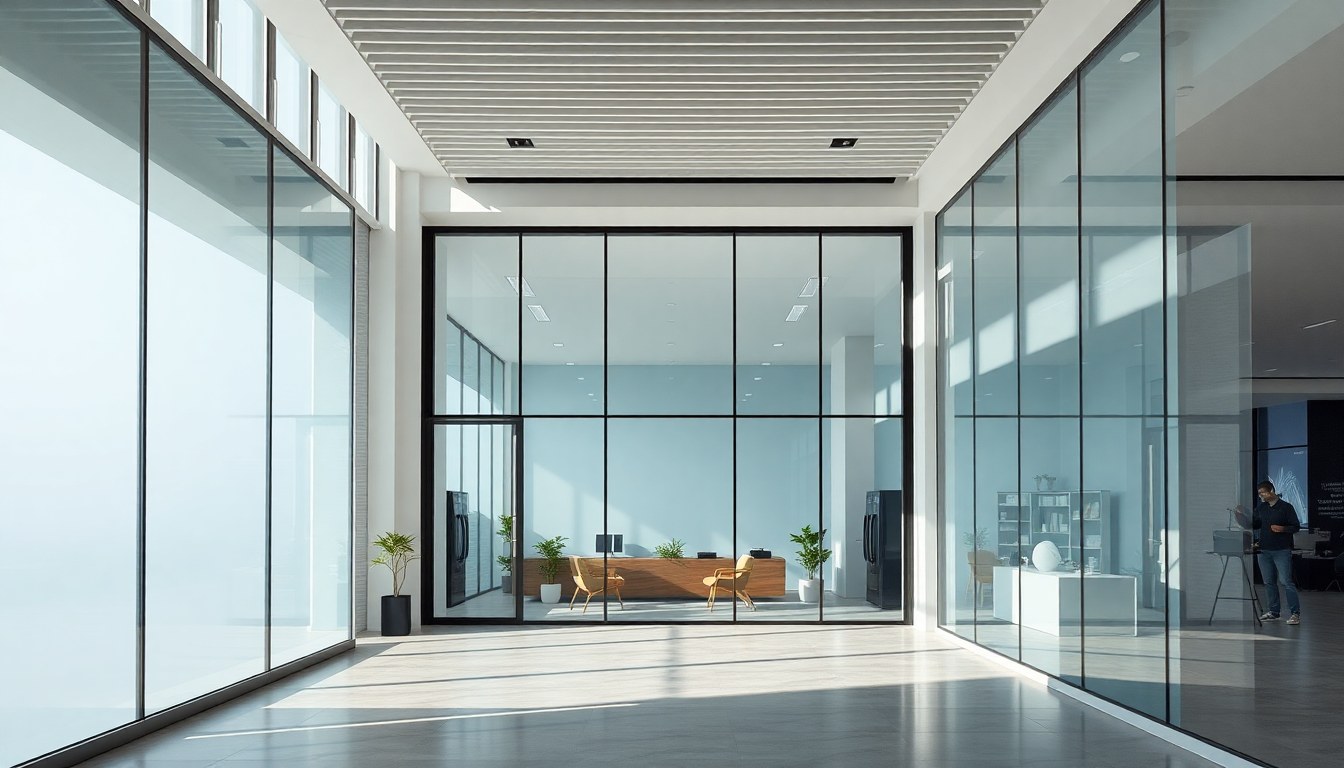
Tinted glass has become essential for modern retail storefronts across India, offering a triple benefit: protecting valuable merchandise from UV damage, maintaining customer privacy, and creating a sophisticated storefront presence. Whether you run a jewelry boutique in Mumbai, a fashion store in Bangalore, or a premium retail outlet in Delhi, tinted glass solutions deliver both functional protection and aesthetic appeal that align with 2026 design trends.
Why UV Protection Matters for Retail Merchandise
Ultraviolet radiation doesn't just fade fabrics and damage skin—it systematically degrades the value of retail inventory. Clothing, leather goods, cosmetics, artwork, and collectibles all suffer accelerated deterioration when exposed to direct sunlight. In India's intense tropical climate, UV exposure is particularly aggressive, with cities like Chennai and Hyderabad receiving some of the highest annual UV index readings globally.
Tinted glass blocks 99% of harmful UV-A and UV-B rays while still allowing visible light to showcase your merchandise. This protection extends the lifespan of inventory by years, reducing replacement costs and maintaining the premium appearance customers expect. A jewelry store using standard clear glass might see gemstone settings fade and precious metals oxidize faster than one with proper UV-blocking tinted glass.
- UV-blocking tinted glass prevents color fading in textiles and leather
- Protects cosmetics and skincare products from degradation
- Maintains the structural integrity of wood and paper-based items
- Reduces heat buildup inside retail spaces, lowering cooling costs
- Extends product shelf life and maintains resale value
Privacy and Aesthetic Control in Retail Design
Modern shopfront design balances transparency with discretion. Tinted glass allows you to control what customers see from the street while maintaining the visual appeal of your storefront. Different tint densities create different effects: lighter tints (15-35%) maintain visibility while reducing glare, while darker tints (50-70%) create a more exclusive, high-end appearance that works well for luxury brands.
The color of your tint matters for brand identity. Bronze and gray tints are versatile and professional, suitable for fashion, jewelry, and corporate retail. Green tints offer a sophisticated, eco-conscious aesthetic increasingly popular in premium beauty and wellness stores. Reflective tints create a mirror-like effect that makes storefronts appear larger and more contemporary, a trend gaining momentum in 2026 retail design across major Indian cities.
Privacy Without Sacrificing Sales
A common concern is whether tinted glass reduces visibility of merchandise and deters impulse purchases. Research shows the opposite: a well-designed tinted storefront creates intrigue and perceived exclusivity. Strategic lighting inside the store combined with accent tinting on display windows maintains product visibility while enhancing the overall visual hierarchy of your retail space.
Types of Tinted Glass Solutions for Shopfronts
The tinted glass market offers several options, each with distinct advantages for retail applications. Understanding these options helps you make an informed choice based on your budget, location, and brand positioning.
Laminated Tinted Glass
Laminated tinted glass bonds a polyvinyl butyral (PVB) interlayer between two glass panes, providing UV protection, safety, and sound insulation. This is ideal for ground-floor retail spaces in high-traffic areas where security and durability are priorities. The interlayer prevents the glass from shattering, making it safer for public-facing storefronts. Laminated tinted glass costs ₹600–₹1,200 per square foot installed in Delhi and Mumbai.
Tempered Tinted Glass
Tempered tinted glass is heat-treated to be four times stronger than standard glass, making it resistant to thermal stress and impact. It's excellent for storefronts in areas with temperature fluctuations or high foot traffic. While slightly more expensive than laminated options at ₹700–₹1,400 per square foot, its durability justifies the investment for long-term retail installations.
Low-Emissivity (Low-E) Tinted Glass
Low-E tinted glass has a microscopic metallic coating that reflects infrared radiation while allowing visible light through. This technology is game-changing for retail spaces in hot climates like Bangalore, Hyderabad, and Chennai. It reduces interior heat by up to 40%, directly lowering air-conditioning costs. Expect to pay ₹800–₹1,600 per square foot, but the energy savings typically recover the investment within 3–5 years.
Installation Considerations for Indian Cities
Proper installation is critical for the longevity and effectiveness of tinted glass shopfronts. Climate, structural support, and local building codes vary significantly across India, requiring city-specific approaches.
Installation in Metropolitan Areas
In Delhi, Mumbai, Bangalore, and Hyderabad, most retail spaces use aluminum framing systems with tinted glass panels. Professional installation typically costs ₹150–₹300 per square foot in labor, depending on complexity. Ensure your installer is certified and follows Bureau of Indian Standards (BIS) guidelines for structural safety and weatherproofing. Many retailers in these cities combine tinted glass with smart film technology, allowing them to adjust tint density electronically—a premium feature priced at ₹2,000–₹4,000 per square foot.
Coastal and High-Humidity Regions
Retailers in Mumbai, Kolkata, and Chennai face accelerated corrosion of metal frames and potential moisture infiltration. Stainless steel or powder-coated aluminum framing is essential in these regions. Silicone-based sealants rated for coastal environments cost slightly more but prevent water damage that could compromise the glass installation. Budget an additional 15–20% for materials in coastal areas.
Seismic Considerations
In earthquake-prone areas like parts of Himachal Pradesh and the Northeast, laminated tinted glass is mandatory for storefronts. The interlayer prevents glass shards from scattering if the glass breaks, protecting customers and staff. Structural engineers must assess the building's ability to support the additional weight of laminated glass installations.
Design Trends for 2026 and Beyond
Retail design is evolving rapidly, and tinted glass plays a central role in contemporary storefronts. Several trends are shaping how retailers use tinted glass in 2026:
- Gradient Tinting: Varying tint density from top to bottom creates visual interest while protecting merchandise at different heights from UV exposure. This trend is particularly popular in luxury fashion stores in Delhi and Mumbai.
- Frameless Installations: Structural silicone bonding eliminates visible frames, creating a seamless, modern aesthetic that appeals to high-end brands. This technique requires expert installation but delivers premium visual results.
- Smart Film Integration: Electrochromic and thermochromic films embedded in tinted glass allow real-time tint adjustment based on sunlight intensity or temperature. Early adopters in Bangalore's tech retail sector are leading this trend.
- Sustainable Tinting: Eco-conscious retailers increasingly choose tinted glass made from recycled materials or paired with solar-control coatings that reduce building energy consumption.
- Accent Tinting: Rather than tinting the entire storefront, retailers use tinted glass strategically on specific panels or sections to highlight key products or create visual focal points.
Maintenance and Long-Term Care
Tinted glass requires minimal maintenance compared to standard glass, but proper care extends its lifespan. Clean tinted glass monthly with a soft cloth and mild glass cleaner—avoid abrasive materials that scratch the tint layer. In dusty or coastal environments, increase cleaning frequency to prevent salt or pollution buildup that can degrade the tint's appearance.
Inspect seals and frames annually for signs of water infiltration or corrosion, especially in monsoon-prone regions. Professional maintenance checks every two years cost ₹2,000–₹5,000 but prevent costly repairs. If your tinted glass is laminated or has a protective film, check for delamination (separation of layers), which indicates the need for replacement.
Cost-Benefit Analysis for Retail Investment
The initial investment in tinted glass ranges from ₹750 to ₹2,000 per square foot installed, depending on glass type, tint quality, and location. For a typical 200 square foot retail storefront, expect a total cost of ₹1.5 lakh to ₹4 lakh. This investment pays dividends through:
- Reduced merchandise damage and replacement costs (estimated 20–30% savings annually)
- Lower air-conditioning expenses due to heat rejection (15–40% reduction depending on glass type)
- Enhanced brand perception and customer attraction (difficult to quantify but significant for premium retail)
- Extended product lifespan and maintained resale value
- Potential insurance premium reductions due to enhanced security and durability
Most retailers break even on their tinted glass investment within 4–7 years, after which it becomes a pure cost-saving and brand-enhancement tool.
Frequently Asked Questions
Does tinted glass reduce the visibility of merchandise from the street?
Not significantly if installed correctly. Light tints (15–35%) maintain excellent visibility while reducing glare and UV exposure. Darker tints do reduce visibility but create a premium, exclusive aesthetic that can actually increase perceived value. Strategic interior lighting and window displays compensate for any reduction in ambient light transmission.
What is the difference between tinted glass and reflective glass?
Tinted glass absorbs light and reduces visibility from both sides relatively equally. Reflective glass has a mirror-like coating that reflects light, making the exterior appear opaque while maintaining interior visibility. Reflective glass is more expensive (₹1,200–₹2,000 per square foot) but creates a contemporary, high-end appearance. Many retailers use a combination of both for optimal effect.
How long does tinted glass last?
Quality tinted glass lasts 15–25 years with proper maintenance. The tint itself doesn't degrade significantly, but seals, frames, and protective coatings may require attention after 10–15 years in harsh climates. Laminated and tempered tinted glass typically outlast standard tinted glass due to their superior structural integrity.
Is tinted glass suitable for all types of retail stores?
Yes, tinted glass works for virtually any retail application—fashion, jewelry, cosmetics, electronics, food and beverage, and more. The choice of tint color and density should align with your brand identity and product category. Luxury brands typically prefer darker, more reflective tints, while casual retail may opt for lighter tints that maintain visibility and approachability.
Can existing storefronts be retrofitted with tinted glass?
Yes, retrofitting is possible but may require structural assessment to ensure the frame can support the additional weight of laminated or tempered tinted glass. Costs for retrofitting are typically 20–30% higher than new installations due to removal and disposal of existing glass. Consult a structural engineer before planning a retrofit project.
Ready to transform your retail storefront with premium tinted glass solutions? Explore verified glass suppliers, manufacturers, and installation experts across India on glassy.in. Browse detailed profiles, compare quotes, and connect with specialists in your city to find the perfect tinted glass solution for your retail vision.