
Glass Facades
Laminated Glass for Curtain Wall Façades: Impact Resistance & Aesthetics
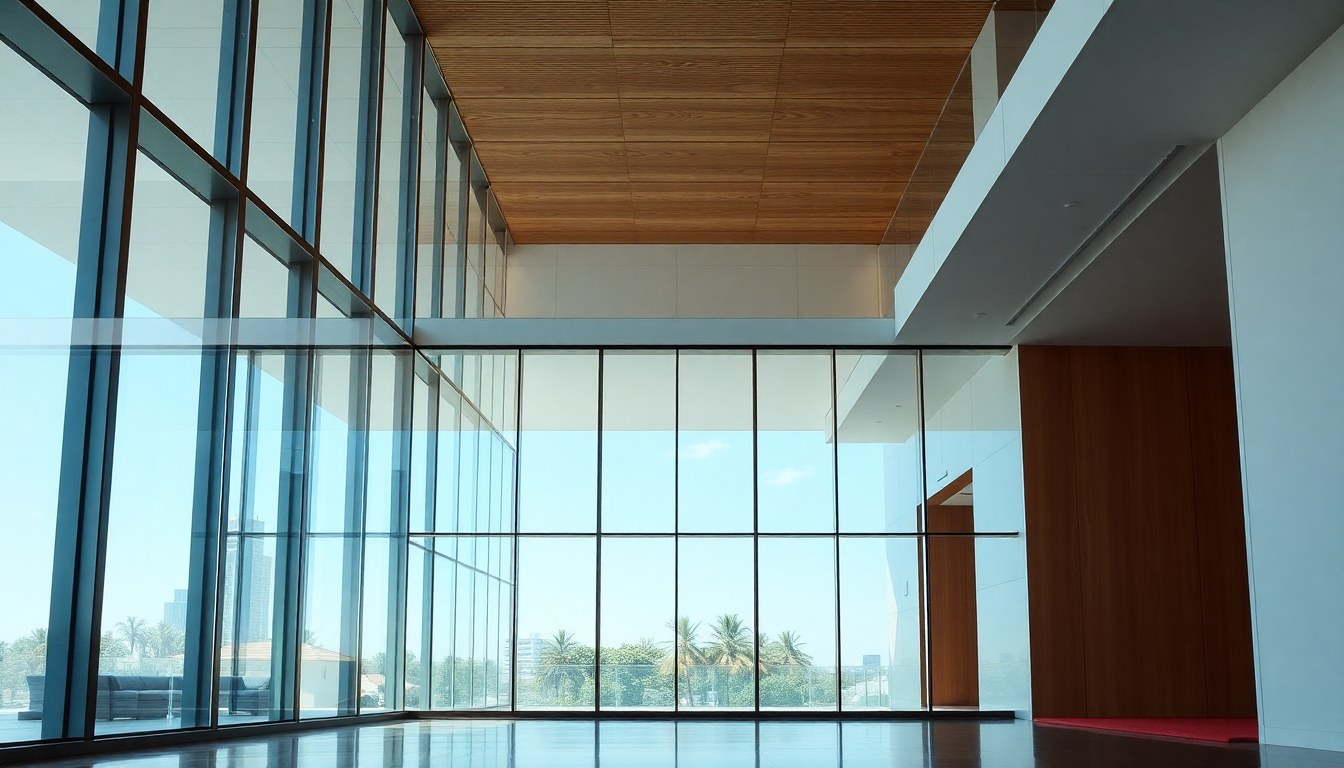
Modern high-rise buildings demand façade materials that balance safety, durability, and visual impact. Laminated glass has become the preferred choice for curtain wall systems because it holds together when struck, preventing dangerous shattering while maintaining structural integrity. Whether your building faces extreme weather, seismic activity, or security concerns, laminated glass offers a proven solution that doesn't compromise on aesthetics or transparency.
Understanding Laminated Glass Technology
Laminated glass consists of two or more panes of glass bonded together by an interlayer material—typically polyvinyl butyral (PVB), but also ethylene-vinyl acetate (EVA) or ionoplast polymers. When impact occurs, the interlayer holds the glass fragments in place, preventing them from falling and causing injury below. This fundamental difference from tempered or annealed glass makes laminated glass the safety choice for high-rise applications.
The interlayer is the critical component. A standard PVB interlayer ranges from 0.38 mm to 1.52 mm in thickness, with thicker interlayers providing greater impact resistance and acoustic dampening. The glass panes themselves can be annealed, heat-strengthened, or tempered, allowing architects to customize performance based on wind load requirements, impact scenarios, and aesthetic preferences.
PVB Interlayers: The Safety Core
Polyvinyl butyral interlayers have been the industry standard since the 1930s, initially developed for automotive safety glass. For curtain wall façades, PVB offers excellent adhesion to glass, high transparency, and proven long-term stability. The interlayer absorbs impact energy, slowing the propagation of cracks and keeping glass fragments bonded to the layer itself.
Modern PVB formulations now include UV-stabilizing additives that prevent yellowing over decades of sun exposure—critical for maintaining the clear aesthetics of a glass façade. Manufacturers like 3M and Kuraray produce high-performance PVB specifically engineered for architectural applications, with some variants offering enhanced sound reduction (up to 40 decibels with multi-layer configurations).
Impact Resistance and Safety Performance
The primary advantage of laminated glass in curtain walls is its ability to withstand impact without catastrophic failure. During earthquakes, high winds, or accidental impacts (such as from construction equipment or falling objects), laminated glass remains in place, preventing glass shards from becoming projectiles that could injure pedestrians or damage property below.
Impact resistance is measured using standards such as ASTM E1996 (for missile impact) and EN 12600 (for pendulum impact). Laminated configurations are tested by dropping weighted objects from specified heights and measuring whether the glass breaks, whether fragments fall, and whether the interlayer holds the glass together. Buildings in high-risk zones—coastal areas prone to hurricanes, seismic regions, or high-security applications—benefit significantly from these certified performance levels.
Structural Performance in High-Rise Applications
In tall buildings, curtain walls experience dynamic wind loads that fluctuate throughout the day and year. Laminated glass, especially when combined with proper framing and gasket systems, distributes these loads more effectively than single-pane or standard tempered glass. The interlayer acts as a damping mechanism, reducing vibration transmission to the building structure and improving occupant comfort.
For buildings exceeding 20 storeys, engineers often specify laminated glass with thicker interlayers or multiple interlayers to achieve the required safety factor. A typical high-rise specification might include 6 mm tempered glass + 1.52 mm PVB + 6 mm tempered glass (6/1.52/6T configuration), providing both impact resistance and thermal performance.
UV Protection and Long-Term Durability
The sun's ultraviolet radiation degrades standard PVB over time, causing yellowing and loss of optical clarity—unacceptable for premium façades. Advanced PVB formulations now incorporate UV absorbers and hindered amine light stabilizers (HALS) that extend the service life of laminated glass to 50+ years with minimal colour shift.
This durability is essential for buildings in sunny climates across India, from Mumbai to Delhi to Bangalore. The consistent appearance of the façade over decades maintains the building's aesthetic value and reduces the need for costly glass replacement. Additionally, UV-protective laminated glass can reduce solar heat gain by 30-40% compared to clear single glass, contributing to energy efficiency in air-conditioned buildings.
Maintenance and Cleaning Considerations
Laminated glass façades require the same cleaning protocols as any glass building envelope—regular washing with neutral detergents and soft brushes. The PVB interlayer does not degrade with standard cleaning agents, making maintenance straightforward. In urban areas with high pollution, quarterly or bi-annual professional cleaning maintains transparency and building aesthetics.
Aesthetic Flexibility and Design Possibilities
One misconception is that laminated glass appears visibly different from standard glass. Modern PVB interlayers are optically clear and nearly invisible, allowing architects full design freedom. The laminated configuration doesn't limit the visual appearance—glass can still be tinted, frosted, printed, or combined with other materials for aesthetic effect.
The interlayer itself can be tinted or customized. Some architects specify coloured PVB (amber, grey, bronze) to create specific visual effects while maintaining safety performance. Laminated glass also enables creative façade patterns through strategic placement of different glass types and interlayer colours, allowing buildings to express brand identity while meeting safety codes.
Integration with Modern Façade Systems
Laminated glass integrates seamlessly with structural glazing systems, frameless glass walls, and unitized curtain wall modules. Whether the project calls for a minimalist all-glass aesthetic or a mixed-material façade, laminated glass provides the safety foundation without visual compromise. Many premium commercial buildings in Indian metros—Bangalore IT parks, Mumbai financial districts, Delhi corporate campuses—rely on laminated glass precisely because it delivers both safety and visual sophistication.
Performance Standards and Certification
Laminated glass for curtain walls must comply with multiple international and Indian standards. IS 2553 (Indian Standard for Safety Glass) covers requirements for laminated safety glass, including impact resistance, adhesion of interlayer, and durability testing. Additionally, curtain wall systems containing laminated glass must meet IS 6533 (Curtain Wall Code) and local building codes.
Third-party certification from bodies like IGBC (Indian Green Building Council) and BIS (Bureau of Indian Standards) ensures that laminated glass products meet safety and performance criteria. When specifying laminated glass, always request certified test reports confirming impact resistance, UV stability, and structural adhesion. Reputable suppliers provide comprehensive technical documentation and can assist with compliance for specific projects.
For specialized applications—blast-resistant façades, high-security buildings, or extreme climate zones—laminated glass can be engineered to meet additional performance standards such as ASTM F1642 (for forced entry resistance) or EN 13541 (for security glazing).
Cost Considerations and Value Proposition
Laminated glass costs more than standard annealed or tempered glass—typically 20-40% higher depending on thickness, interlayer type, and certification requirements. However, the long-term value justifies the investment through reduced insurance costs, avoided liability from glass-related injuries, extended façade life, and minimal maintenance. For a 20-storey office building, the incremental cost of laminated glass represents less than 2-3% of total construction cost but eliminates a significant safety risk.
Energy efficiency gains from advanced laminated configurations (especially those with low-emissivity coatings) can reduce HVAC costs by 10-15% annually, recovering the initial investment within 8-10 years. In India's hot climate, this payback period is often shorter due to high cooling demands in commercial buildings.
Frequently Asked Questions
What is the main difference between laminated glass and tempered glass in curtain walls?
Tempered glass is stronger but shatters into small fragments if broken, potentially causing injury to people below. Laminated glass may crack but holds together through its interlayer, preventing dangerous glass shards from falling. For high-rise curtain walls where falling glass poses a serious hazard, laminated glass is the safer choice and is mandated by most building codes for buildings above a certain height.
How long does laminated glass last in outdoor curtain wall applications?
Modern UV-stabilized PVB interlayers are engineered to last 50+ years with minimal yellowing or degradation. The glass itself is essentially permanent. Longevity depends on climate exposure, maintenance quality, and the specific interlayer formulation. In India's intense sun, premium PVB with advanced stabilizers is recommended to maintain optical clarity over the building's lifespan.
Can laminated glass be recycled?
Yes, laminated glass can be recycled, though the interlayer must be separated from the glass panes first. This process is more complex than recycling single-pane glass, which is why disposal costs are slightly higher. However, the durability of laminated glass means fewer replacements over the building's life, reducing overall waste.
Does laminated glass reduce sound transmission?
Yes, laminated glass provides excellent acoustic insulation, especially with thicker interlayers (1.52 mm or greater). The PVB interlayer absorbs sound vibrations, reducing noise transmission by 30-40 decibels depending on the configuration. This makes laminated glass ideal for buildings in noisy urban environments, near airports, or along busy highways.
What is the best PVB interlayer thickness for a high-rise office building?
For most high-rise office buildings, a 0.76 mm to 1.52 mm PVB interlayer provides adequate impact resistance and structural performance. The choice depends on wind load calculations, seismic requirements, and local building codes. Structural engineers perform detailed analysis to specify the optimal glass thickness and interlayer combination for each project.
Connect with Glass Specialists on Glassy.in
Choosing the right laminated glass for your curtain wall project requires expertise in structural performance, safety standards, and aesthetic requirements. The Glassy.in directory connects you with qualified glass suppliers, fabricators, and installation specialists across India who understand the nuances of high-rise façade systems. Whether you're specifying laminated glass for a new commercial building or retrofitting an existing structure, browse our network of vetted glass businesses to find partners who deliver both safety and design excellence. Submit your project requirements today and receive quotes from India's most trusted glass professionals.