
Glass Facades
Glass Facade Maintenance in Monsoon: Sealant & Weatherproofing Checklist
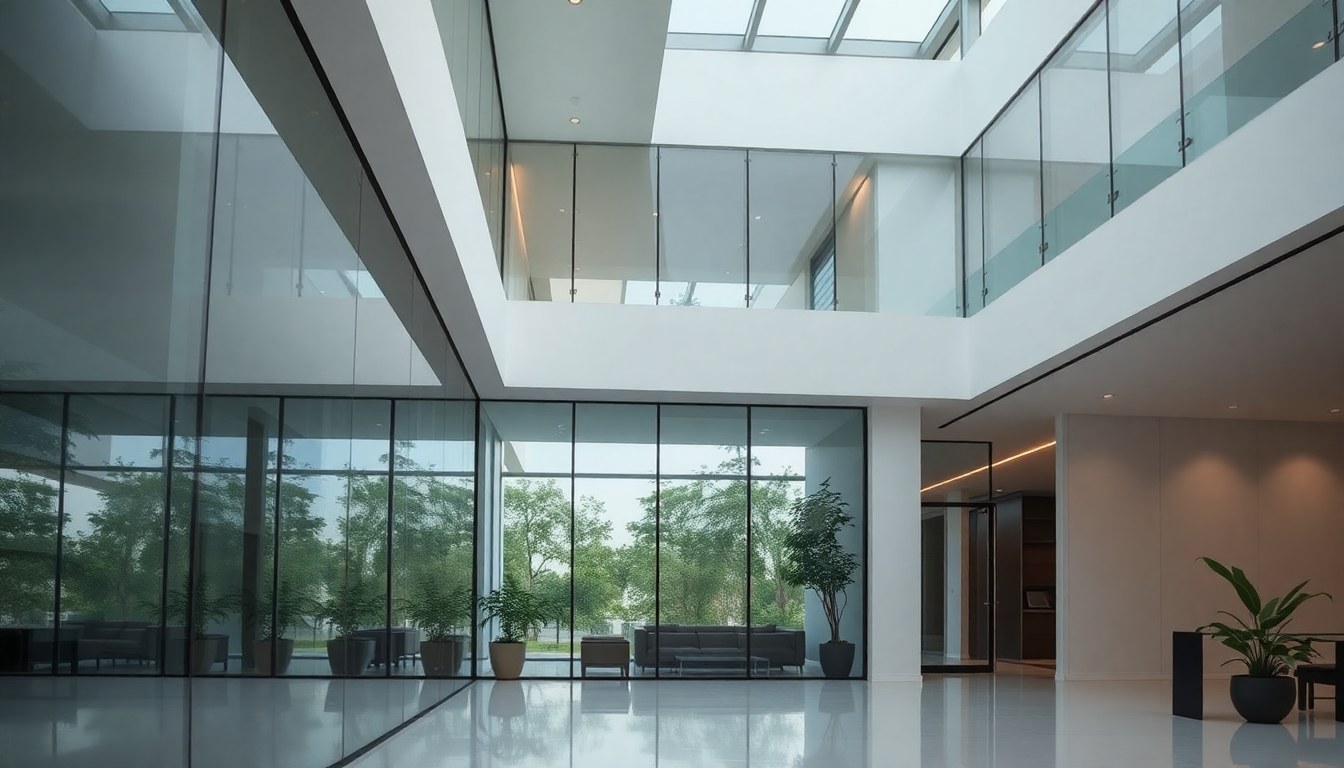
India's monsoon season brings heavy rainfall that can compromise poorly maintained glass facades, leading to water ingress, structural damage, and costly repairs. Glass curtain walls and external facades are only as strong as their sealants and weatherproofing systems—and monsoon stress tests both ruthlessly. This guide walks you through essential pre-monsoon and during-monsoon maintenance steps to keep your building envelope watertight and secure.
Why Monsoon Maintenance Matters for Glass Facades
Glass facades are exposed to extreme weather conditions during the monsoon, including sustained high-velocity winds, driving rain, and temperature fluctuations. Water ingress through failed sealants can damage interior finishes, electrical systems, and structural components, resulting in repair costs that often exceed ₹5–10 lakhs for mid-sized commercial buildings. The problem escalates quickly because water finds the smallest gaps in silicone sealants, aluminum frames, and gasket systems.
Preventive maintenance during monsoon season is not optional—it is essential risk management. Buildings in cities like Mumbai, Bangalore, Pune, and Hyderabad experience intense rainfall and humidity that accelerates sealant degradation. Regular inspection and timely repairs before and during the monsoon can prevent emergency shutdowns, tenant complaints, and liability issues.
Pre-Monsoon Inspection Checklist for Glass Facades
Begin your monsoon preparation 4–6 weeks before the rainy season arrives. A thorough pre-monsoon audit identifies weak points before they become problems.
Visual Inspection of Sealants
Examine all silicone and polyurethane sealants around glass panes, frame joints, and penetrations. Look for cracks, peeling, discoloration, or gaps wider than 2mm. Sealants typically last 10–15 years in India's climate; if your building is older, budget for partial or full sealant replacement. Pay special attention to horizontal surfaces and areas exposed to direct sunlight, which degrade faster.
- Check sealant adhesion by gently pressing with a tool—it should not lift or crumble
- Inspect joints between glass and aluminum frames for separation
- Look for signs of previous water damage: staining, discoloration, or mold on interior surfaces
- Document problem areas with photographs for contractor quotes
Frame and Gasket Assessment
Aluminum frames and rubber gaskets form the backbone of facade weatherproofing. Corroded aluminum, hardened or brittle gaskets, and missing fasteners compromise the entire system. Check that all gaskets are still pliable and properly seated in their grooves.
Drainage System Verification
Most modern glass curtain walls include internal drainage channels that direct water away from the building interior. Ensure these channels are clear of debris, dust, and blockages. Clogged drains cause water to back up and find alternative routes into the building, defeating the entire weatherproofing strategy.
Critical Sealant and Weatherproofing Repairs
Once inspection is complete, prioritize repairs based on severity and location. Failures on upper floors and windward-facing facades demand immediate attention.
Sealant Replacement Strategy
Removing and replacing failed sealants is labor-intensive and requires skilled technicians. The process involves cutting out old material, cleaning the joint, priming if needed, and applying new silicone or polyurethane sealant. In India, professional sealant replacement costs ₹150–400 per linear meter depending on location, material, and complexity.
Silicone sealants are most common for glass facades because they remain flexible across temperature swings and resist UV degradation. Polyurethane sealants offer superior adhesion but cure slower and are less tolerant of moisture during application. Choose based on your facade type and climate exposure.
Gasket and Seal Replacement
If gaskets are hardened, cracked, or missing, they must be replaced before monsoon. Gaskets are inexpensive (₹10–50 per meter) but critical. A failed gasket allows water to seep directly into the frame cavity, bypassing all other defenses.
Caulking Secondary Joints and Penetrations
Pay attention to secondary joints—where different materials meet, where pipes or conduits penetrate the facade, and where the glass system connects to the building structure. These often-overlooked areas are common entry points for water during heavy rain.
During-Monsoon Monitoring and Maintenance
Monsoon maintenance does not end after pre-season repairs. Active monitoring during the rainy months catches new leaks and recurring issues early.
Weekly Visual Checks
During peak monsoon, inspect the facade weekly for new cracks, water stains, or signs of seepage on interior walls adjacent to the glass system. Check window sills and frames for standing water or algae growth, which indicates poor drainage. Document any changes photographically.
Interior Water Monitoring
Walk the perimeter of your building interior during and after heavy rain. Look for water droplets, damp patches, or discoloration on walls, ceilings, and floors near the facade. Act immediately if water is found—it indicates a breach that will worsen with continued rain.
Drainage System Clearing
During monsoon, clear facade drainage channels every 2–3 weeks. Fallen leaves, dust, and debris accumulate quickly and block water flow. A clogged drain system defeats the entire weatherproofing design.
Sealant and Material Specifications for Monsoon-Prone Regions
Choosing the right materials from the outset reduces long-term maintenance burden. India's tropical and subtropical monsoon climates demand high-performance sealants and weatherproofing products.
High-Performance Silicone Sealants
Invest in premium-grade silicone sealants rated for high-movement joints (±25% or higher). Cheaper sealants fail faster in monsoon climates. Look for products that meet Indian Standards (IS 13979 or equivalent) and carry UV and moisture resistance certifications. Brands commonly used in Indian commercial projects include Dow Corning, Sika, and Bostik.
Structural Glazing Systems
Structural glazing (where glass is bonded directly to the aluminum frame with structural silicone) offers superior weather resistance compared to traditional gasket-based systems. If you are upgrading a facade, structural glazing is worth the investment for monsoon-prone buildings. It eliminates many traditional weak points and is increasingly specified in Indian metros.
Backup Rods and Backer Boards
Do not apply sealant directly into a joint without a backup rod. Backup rods (typically closed-cell polyethylene or polyurethane foam) control sealant depth, improve adhesion, and allow proper curing. They cost ₹5–15 per meter but are essential for sealant longevity.
Common Monsoon Facade Problems and Quick Fixes
Some issues emerge suddenly during monsoon and require quick action. Understanding common problems helps you respond effectively.
Condensation and Interior Moisture
Interior condensation on glass does not always indicate a failed seal. In monsoon, high humidity and temperature differentials create condensation even in sound systems. Improve interior ventilation and air conditioning to reduce moisture. However, if water is pooling or running down interior walls, a seal failure is likely.
Algae and Mold Growth
Persistent moisture in shaded areas promotes algae and mold on sealants and frames. Clean affected areas with mild detergent and soft brushes. Do not use high-pressure washers, which can force water into joints. Mold growth indicates poor drainage or ventilation—address the root cause, not just the symptom.
Visible Cracks in Sealant
Small hairline cracks (less than 1mm) may not require immediate replacement if the sealant is otherwise sound. Monitor them closely. Cracks wider than 1–2mm should be re-caulked or the joint re-sealed before monsoon intensifies.
Maintenance Cost Planning and ROI
Budgeting for monsoon facade maintenance is straightforward when you understand typical costs. Preventive spending now saves emergency repair costs later.
A pre-monsoon inspection by a qualified glazing contractor costs ₹2,000–5,000 for a small commercial building and ₹10,000–25,000 for large structures. This investment often identifies problems that, if left unaddressed, would cost 10–20 times more to repair. Sealant replacement averages ₹150–400 per linear meter. A typical commercial building with 500 linear meters of facade sealant might budget ₹75,000–2,00,000 for comprehensive re-sealing every 10–12 years.
Compare this to water damage repair costs—structural damage, interior finishes, electrical systems, and tenant disruption can easily exceed ₹10–50 lakhs. The ROI on preventive maintenance is undeniable.
Frequently Asked Questions
How often should I replace sealants on my glass facade?
Sealants typically last 10–15 years in India's monsoon climate, though degradation accelerates in direct sunlight and high-humidity areas. Inspect annually and replace any sealant showing cracks, peeling, or loss of adhesion. Some building owners re-seal high-exposure areas every 7–8 years as preventive maintenance.
What is the best sealant material for monsoon regions?
Premium-grade silicone sealants (±25% movement or higher) are best for monsoon facades. They remain flexible across temperature swings, resist UV degradation, and cure even in humid conditions. Polyurethane offers superior adhesion but is slower to cure. Always choose products meeting Indian Standards (IS 13979) and specified for your facade system type.
Can I apply sealant during monsoon rain?
No. Most sealants require dry conditions and specific temperature ranges (typically 10–35°C) to cure properly. Moisture prevents curing and compromises adhesion. Schedule sealant work for dry seasons or use low-moisture-cure polyurethane products if timing is critical. Always consult the product datasheet and contractor recommendations.
What causes water to leak into my building if the facade looks intact?
Water finds the smallest gaps—often in secondary joints, around penetrations, at frame-to-structure connections, or through failed gaskets invisible from outside. Clogged internal drainage channels also cause water to back up and find alternative entry routes. A thorough inspection by a glazing professional is needed to locate hidden leak paths.
How can I tell if my facade drainage system is working?
During or immediately after heavy rain, inspect the interior of the facade cavity if accessible. Water should flow downward and exit through drainage holes or channels at the base. If water is pooling, backing up, or not draining, the system is compromised. Blockages are most common—clear debris from all drainage pathways.
Glass facades protect your building only when they are properly maintained. Use this monsoon maintenance checklist to inspect, repair, and monitor your facade before and during the rainy season. For professional assessment and sealant repair, connect with qualified glazing contractors through glassy.in, India's largest glass-business directory, where you can find certified specialists in your city.