
Glass Facades
Tinted Glass for Shopfronts: UV Protection & Customer Comfort
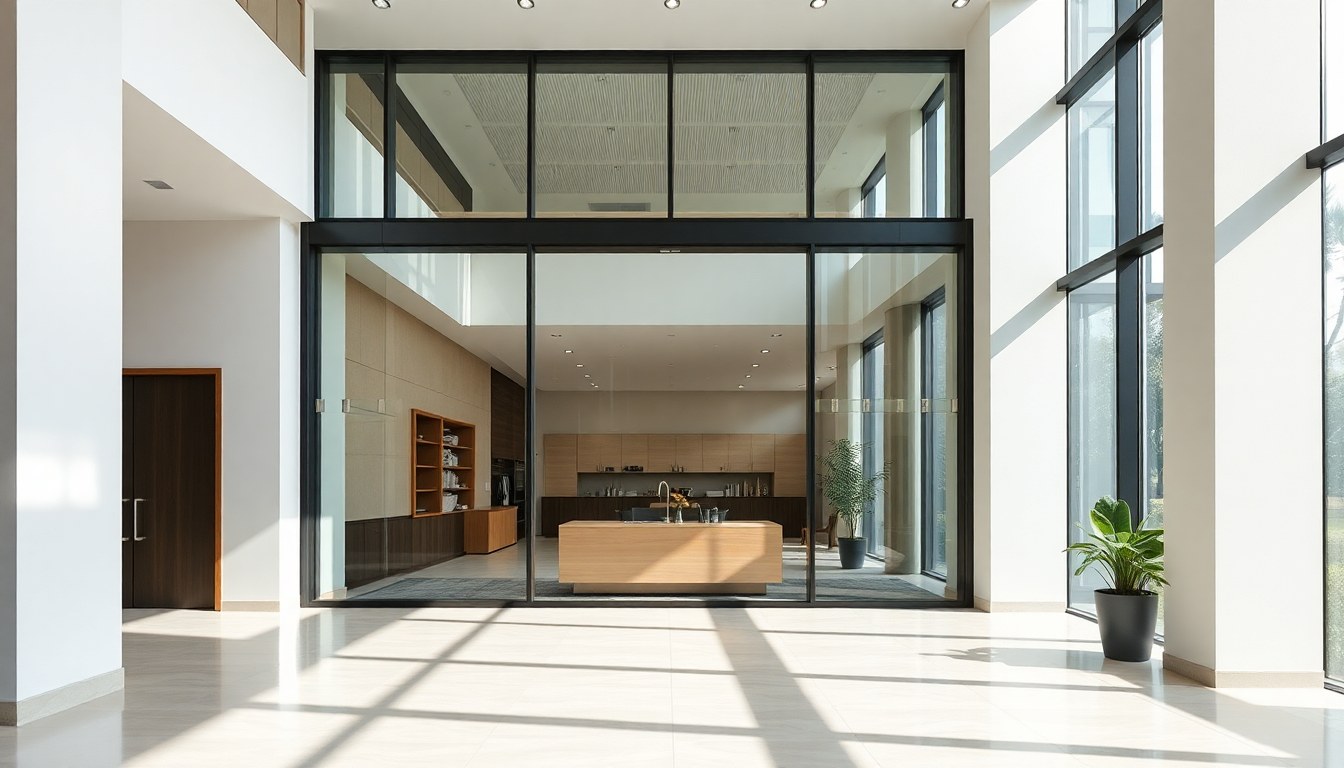
Retail storefronts face constant exposure to sunlight, which damages merchandise, fades displays, and creates uncomfortable shopping environments. Tinted glass solutions block up to 99% of harmful UV rays while reducing glare and heat, protecting your inventory and enhancing customer comfort. Whether you operate a jewelry store in Mumbai, a fashion boutique in Bangalore, or a cosmetics shop in Delhi, tinted shopfront glass is a practical investment that improves both aesthetics and functionality.
Why UV Protection Matters for Retail Spaces
Ultraviolet radiation causes irreversible damage to merchandise, especially textiles, artwork, cosmetics, and leather goods. Prolonged exposure leads to color fading, material degradation, and loss of product value—directly impacting your bottom line. A clothing retailer in Kolkata might lose 30-40% of display merchandise appeal within 6-12 months without UV protection, forcing frequent restocking and markdowns.
Beyond merchandise protection, UV exposure poses health risks to staff and customers who spend extended hours in bright retail environments. Excessive sunlight can cause eye strain, headaches, and skin damage. Tinted glass creates a safer, more comfortable shopping environment that encourages customers to spend more time browsing and purchasing.
The Science Behind UV Blocking
Tinted glass works through two mechanisms: absorption and reflection. The tint—typically made from metallic oxides like iron, copper, or selenium—absorbs UV radiation before it penetrates the glass. Modern tinted glass formulations block UVA and UVB rays while allowing visible light to pass through, maintaining product visibility and storefront aesthetics.
Types of Tinted Glass for Shopfronts
Different tint densities serve different retail purposes. Understanding the options helps you choose the right solution for your business type and location.
Light Tint (15-25% Opacity)
Light tints provide subtle UV protection while maintaining maximum visibility into your storefront. Ideal for jewelry stores, electronics retailers, and luxury boutiques where product display is paramount. Light tints block 40-50% of UV rays and reduce glare without creating a dark, unwelcoming appearance. Cost ranges from ₹250-400 per square foot in Indian markets.
Medium Tint (35-50% Opacity)
Medium tints offer balanced protection and visibility, blocking 60-75% of UV rays. These work well for fashion stores, bookshops, and general retail environments. They reduce interior heat by 25-30%, lowering air conditioning costs. Pricing typically falls between ₹350-550 per square foot, making them a popular choice for mid-sized retailers.
Dark Tint (60-75% Opacity)
Dark tints provide maximum UV protection (85-99% blockage) and heat reduction, ideal for stores selling sun-sensitive products like cosmetics, pharmaceuticals, or fine art. These create a premium, sophisticated appearance but limit storefront visibility. Budget ₹450-700 per square foot for dark tinted glass installations.
Benefits Beyond UV Protection
Heat Reduction and Energy Savings
Tinted glass reflects solar heat, reducing interior temperatures by 5-10°C during peak hours. For a 500 sq ft shopfront in Chennai or Hyderabad, this translates to 20-30% lower air conditioning costs annually—savings of ₹15,000-25,000 per year depending on local electricity rates. Over a 10-year lifespan, tinted glass pays for itself through energy efficiency alone.
Glare Elimination
Excessive glare forces customers to squint, creates eye discomfort, and makes product displays difficult to view. Tinted glass reduces glare by 50-70%, creating a pleasant shopping experience that encourages longer visits and higher conversion rates. This is especially valuable for stores in high-traffic areas or those facing direct afternoon sun.
Enhanced Brand Perception
Tinted shopfront glass projects professionalism, luxury, and attention to detail. High-end jewelry stores, designer boutiques, and premium cosmetics retailers use tinted glass to create an upscale, curated appearance. The investment signals to customers that you care about product quality and their shopping experience.
Privacy and Security
Darker tints reduce visibility into your store during off-hours, deterring theft and break-ins. They also provide privacy for fitting rooms and sensitive product displays. This dual benefit makes tinted glass a smart security investment for retail spaces.
Cost Comparison and ROI Analysis
The cost of tinted glass installation depends on tint density, glass thickness, shopfront size, and installation complexity. Here's a realistic breakdown for Indian retail spaces:
- Light Tint (100 sq ft shopfront): ₹25,000-40,000 material + ₹8,000-12,000 installation = ₹33,000-52,000 total
- Medium Tint (100 sq ft shopfront): ₹35,000-55,000 material + ₹10,000-15,000 installation = ₹45,000-70,000 total
- Dark Tint (100 sq ft shopfront): ₹45,000-70,000 material + ₹12,000-18,000 installation = ₹57,000-88,000 total
Return on investment comes from three sources: reduced merchandise loss (10-15% annually for UV-sensitive products), energy savings (₹15,000-25,000 yearly), and increased sales from improved customer experience (typically 5-10% uplift). Most retailers recoup their investment within 2-3 years.
Long-Term Value
Quality tinted glass lasts 15-20 years without degradation, UV protection, or color shift. Unlike temporary solutions like blinds or films that require frequent replacement, tinted glass is a permanent infrastructure investment. When you eventually upgrade your storefront, you can remove and repurpose the glass, further improving ROI.
Installation Considerations for Indian Retail Spaces
Professional installation is crucial for optimal performance. Poor installation leads to water seepage, thermal stress, and premature failure. Hire certified glass installers familiar with local climate conditions—monsoon humidity in Mumbai, extreme heat in Delhi, or coastal salt air in Goa each require different installation approaches.
Timing matters too. Install tinted glass during the cooler months (October-February) when thermal expansion is minimal. Avoid installation during peak summer or monsoon season when temperature fluctuations and moisture can compromise seals. Budget 3-5 days for a standard shopfront installation, including site preparation and curing time.
Maintenance is minimal—regular cleaning with mild soap and water keeps tinted glass looking pristine. Avoid abrasive cleaners that scratch the surface. Annual professional inspection ensures seals remain intact and UV protection remains effective.
Real-World Applications Across Indian Retail Sectors
Jewelry Stores: Light to medium tints protect precious metals and gemstones from UV fading while maintaining sparkle and visibility. A jewelry store in Jaipur installed medium tint glass and reported 40% reduction in gemstone color shift over two years.
Fashion Boutiques: Medium tints protect expensive fabrics from color fading while creating an upscale aesthetic. Boutiques in Bangalore and Mumbai report that customers perceive tinted storefronts as more premium, justifying higher price points.
Cosmetics and Skincare: Dark tints are essential for protecting serums, oils, and color cosmetics from UV degradation. A Delhi-based skincare retailer switched to dark tint glass and eliminated product returns due to oxidation.
Bookstores and Art Galleries: Medium to dark tints preserve paper, ink, and artwork while creating an intimate, focused shopping environment. Independent bookstores report that tinted glass reduces customer eye strain and increases dwell time by 25-30%.
Frequently Asked Questions
Does tinted glass reduce visibility into my storefront, hurting sales?
Light to medium tints maintain excellent product visibility while providing UV protection. Studies show that customers perceive tinted storefronts as more premium and curated, often increasing sales rather than decreasing them. Dark tints do reduce visibility, but they're ideal for sun-sensitive products and high-end positioning. Test a small section first if you're concerned.
How much can I save on air conditioning costs with tinted glass?
Tinted glass reduces solar heat gain by 25-30%, lowering AC usage and electricity bills by ₹15,000-25,000 annually for a typical 500 sq ft shopfront. Savings are highest in hot climates like Delhi, Mumbai, and Hyderabad, and during summer months. Energy savings alone often justify the investment within 2-3 years.
Can I retrofit tinted glass to my existing shopfront?
Yes, tinted glass can replace existing clear glass in most shopfronts. The process involves removing old panes and installing new tinted glass with updated seals. Professional installation is essential to prevent water leakage and thermal stress. Expect 3-5 days of installation time and temporary business disruption.
What's the difference between tinted glass and UV-protective film?
Tinted glass provides permanent UV protection that lasts 15-20 years, while UV-protective films last 5-7 years and require periodic replacement. Films are cheaper upfront (₹100-200 per sq ft) but cost more over time. Tinted glass offers superior aesthetics, durability, and resale value for retail spaces.
Will tinted glass fade or discolor over time?
High-quality tinted glass maintains its color and UV protection for 15-20 years without degradation. Budget-grade tinted glass may develop slight color shifts after 8-10 years. Choose reputable manufacturers with UV stability certifications. Regular cleaning and professional maintenance ensure long-term performance.
Make the Right Choice for Your Retail Space
Tinted glass is a smart investment for any Indian retail business concerned with merchandise protection, customer comfort, and energy efficiency. Whether you operate a high-end boutique or a general retail store, the right tint density balances UV protection, visibility, and aesthetics. Start by assessing your merchandise type, location, and budget—then connect with experienced glass suppliers through the glassy.in directory to get competitive quotes and professional guidance for your shopfront transformation.