
Glass Facades
Curtain Wall Glass Façades: Wind Load Testing & Installation in Delhi NCR
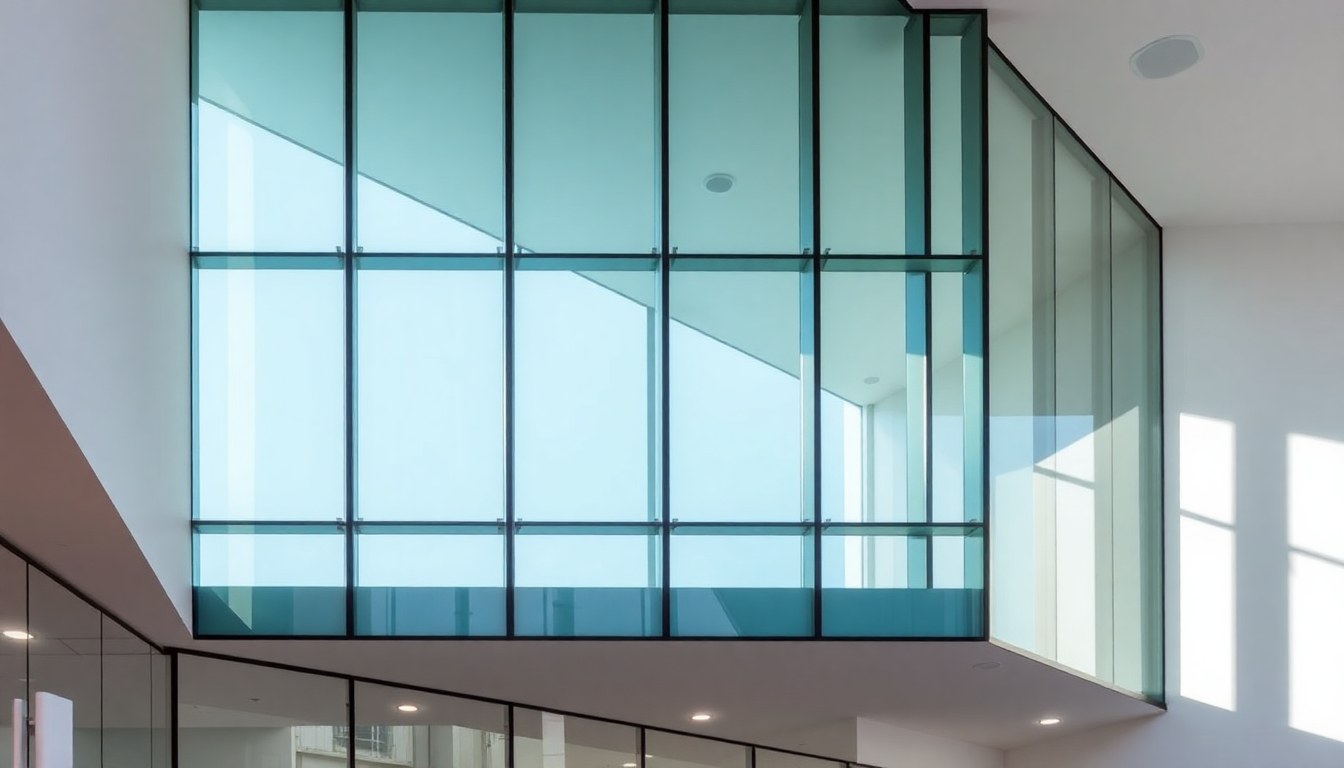
Curtain wall glass façades are the defining architectural feature of modern high-rise buildings across Delhi NCR, but their performance depends entirely on rigorous wind load testing and precise installation. With monsoon wind speeds reaching 80–100 km/h and dust storms creating additional pressure variations, engineers must design these non-structural outer walls to handle extreme environmental forces while maintaining structural integrity and occupant safety. This guide walks you through the engineering principles, testing protocols, and installation standards that ensure your building's glass facade performs reliably for decades.
Understanding Wind Load Pressure on Curtain Wall Systems
Wind load is the lateral force exerted by moving air on a building's surface. For curtain wall systems in Delhi NCR, this force is not uniform—it varies with wind speed, building height, surface exposure, and local terrain. The Indian Standard IS 875 (Part 3) defines the methodology for calculating design wind pressure on structures. The basic formula is:
Design Wind Pressure = 0.6 × Vz² × (Cf)
Where Vz is the design wind speed at height z, and Cf is the pressure coefficient. Delhi NCR experiences peak wind velocities during the monsoon season (July–September), with recorded gusts exceeding 90 km/h. The National Disaster Management Authority (NDMA) classifies Delhi as a moderate-to-high wind zone, requiring curtain walls to be tested for pressures between 1.5 kPa and 2.5 kPa depending on building height and exposure.
Pressure coefficients vary across different facade surfaces:
- Windward face: Positive pressure (pushing inward), typically 0.7 to 0.9
- Leeward face: Negative pressure (suction), typically −0.5 to −0.7
- Side faces: Mixed pressure zones, −0.3 to +0.4
High-rise buildings in central Delhi—such as those in Connaught Place, Gurgaon's Cyber City, or Noida's financial districts—experience significantly higher wind pressures at upper floors due to reduced ground friction. A 40-story tower may see wind pressures 40% higher at the 35th floor than at the 15th floor, making upper-level curtain wall design critical.
Wind Load Testing Standards for Curtain Wall Glass
ASTM E330 and ASTM E1233 Testing Protocols
The American Society for Testing and Materials (ASTM) standards are widely adopted in India for curtain wall testing because Indian codes reference them. ASTM E330 specifies the static air leakage, water penetration, and structural performance test method for windows and glass block assemblies. ASTM E1233 covers the dynamic wind pressure testing of curtain wall and storefront systems using a pneumatic chamber.
In a typical ASTM E330 test, a test specimen (usually 2.4 m × 2.4 m) is mounted in a reaction frame and subjected to increasing pressure cycles. The test measures:
- Structural performance (deflection, permanent set, failure load)
- Water penetration resistance (spray applied at 50% design pressure)
- Air infiltration rate (typically <0.3 m³/m²/hour for commercial facades)
Most commercial curtain walls in Delhi NCR are tested to a minimum of 2.4 kPa (corresponding to ~130 km/h wind speed), though premium buildings in high-rise zones opt for 3.0–3.6 kPa ratings. Testing is conducted by accredited laboratories; in India, the Central Building Research Institute (CBRI) in Roorkee and private labs certified by the Bureau of Indian Standards (BIS) perform these tests.
Indian Standards and Compliance
IS 6533 (Code of Practice for Design, Fabrication and Erection of Structural Steelwork in Buildings) and IS 13311 (Code of Practice for Non-Destructive Testing of Steel Welds) govern the structural steel framework supporting curtain walls. IS 875 Part 3 remains the primary reference for wind load calculations. Additionally, the National Building Code of India (NBC) 2016 mandates that all curtain wall systems undergo third-party inspection and certification before installation.
Structural Glazing Methods and Installation Techniques
Structural Sealant Glazing vs. Mechanical Glazing
Two primary methods secure glass panes within curtain wall frames: structural sealant glazing and mechanical glazing. Structural sealant glazing uses high-strength silicone or polyurethane sealants to bond glass directly to the aluminum frame, eliminating visible mechanical fasteners and creating a seamless aesthetic. This method is preferred for premium facades in Delhi's commercial districts because it allows larger glass spans and reduces thermal bridging.
Mechanical glazing, conversely, uses aluminum pressure plates and stainless steel fasteners to hold glass in place. While slightly more visible, it allows for easier glass replacement and is often chosen for buildings where future facade maintenance is anticipated. Both methods must accommodate thermal movement—Delhi's temperature range from 5°C in winter to 45°C in summer creates expansion/contraction cycles that can exceed 10 mm over a 3 m vertical span.
Sealant Selection and Performance
Structural sealants must meet ISO 11600 classification and exhibit high modulus (stiffness) to transfer wind loads to the frame. Silicone sealants, compliant with ASTM C1184, are industry standard for their durability in India's intense UV environment and thermal cycling. The sealant joint width is typically 10–12 mm, with depth-to-width ratios maintained at 1:2 to ensure proper stress distribution. Poor sealant application—a common failure mode in Delhi NCR projects—can lead to air leakage, water ingress, and structural failure under peak wind loads.
Installation teams must follow strict environmental controls: sealants should be applied only when ambient temperature is between 10°C and 35°C, and relative humidity is below 85%. During Delhi's monsoon season, many projects halt facade work to avoid sealant cure failure.
Seismic Compliance and Structural Resilience in Delhi NCR
Delhi NCR sits in Seismic Zone III (moderate seismic activity) according to IS 1893, with a maximum considered earthquake acceleration of 0.16 g. While earthquakes are less frequent than wind events, curtain wall systems must accommodate lateral sway without glass fracture or frame failure. The interaction between wind and seismic loads is critical: a facade designed only for wind may fail under combined wind-plus-seismic conditions.
Curtain walls are designed as "non-structural" elements that must not transfer seismic forces to the building frame. Instead, they decouple from the primary structure using elastomeric bearings and slip joints. Glass panes are sized to accommodate inter-story drift—the relative movement between adjacent floors. For a 40-story building in Delhi, inter-story drift can reach 50–75 mm under a design earthquake, requiring curtain wall joints to accommodate this movement without glass breakage.
Tempered glass, which is mandatory for all curtain wall applications in India, has much higher fracture resistance than annealed glass. When tempered glass does break, it fragments into small, relatively harmless pieces rather than sharp shards, protecting occupants below. All glass in curtain walls must be tested for edge strength and thermal shock resistance per ASTM C1036 or IS 2553.
Installation Best Practices for Delhi NCR Projects
Site Conditions and Weather Management
Delhi NCR's climate presents unique installation challenges. The summer heat (May–June) can cause aluminum frames to expand 5–8 mm over a 30 m height, requiring careful joint spacing. Dust storms, which peak in April–May, can contaminate sealant surfaces before cure, compromising adhesion. Professional installers in Delhi typically avoid facade work during April–May and July–September, concentrating installations in October–March when weather is stable.
Temporary wind bracing is essential during installation. Before the curtain wall achieves full structural capacity, temporary diagonal braces or guy-wires must prevent excessive sway. Wind speeds as low as 40 km/h can cause deflections exceeding safe limits in partially installed facades, risking glass breakage and worker safety.
Quality Control and Third-Party Inspection
The National Building Code requires independent third-party inspection at key stages: frame installation, glass setting, sealant cure, and final pressure testing. Inspectors verify that:
- Frame alignment is within ±5 mm over 6 m spans
- Glass is set with minimum 6 mm clearance on all sides (expansion space)
- Sealant joints are continuous with no voids or cracks
- Air and water barriers are properly sealed
- All fasteners are stainless steel or hot-dip galvanized to prevent corrosion
Major projects in Gurgaon and Noida often employ independent structural engineers to conduct post-installation pressure testing on representative facade sections, ensuring the installed system meets design specifications.
Coordination with Building Services
Curtain wall installation must coordinate with HVAC, electrical, and fire safety systems. Penetrations for ductwork, conduits, and sprinkler lines must be sealed with fire-rated sealants and backer rods to maintain air-tightness and fire rating. Space Grid Architects and other design firms in the region emphasize early coordination between facade contractors and MEP (mechanical, electrical, plumbing) teams to avoid costly rework.
Cost Considerations and Material Selection
High-performance curtain wall systems in Delhi NCR typically cost ₹2,500–₹5,000 per square meter installed, depending on glass type, frame profile, and sealant system. Insulated glazing units (IGUs) with low-emissivity coatings add ₹800–₹1,200/m² but reduce cooling loads by 25–30%, paying back the premium in 5–7 years through energy savings. Frameless glass facades, which use structural silicone exclusively, cost 15–20% more but create unobstructed views preferred for premium commercial and hospitality projects.
Aluminum frame profiles vary in thermal performance. Standard thermal-break aluminum (with polyamide insulation) reduces heat transfer by 40% compared to non-thermally broken frames. Premium triple-seal systems with drainage chambers add cost but virtually eliminate water infiltration—critical in monsoon-prone Delhi NCR.
Local suppliers and installers familiar with Delhi NCR's climate and regulatory environment can provide cost-effective solutions. Dealers like Fatemi Glass Ware and Anil Glassware stock quality glazing materials and can recommend products suited to local conditions.
Maintenance and Long-Term Performance
Curtain wall facades require preventive maintenance every 3–5 years. Sealant joints must be inspected for cracking, debonding, or weathering. In Delhi's dusty environment, glass cleaning is often needed twice yearly to maintain transparency and thermal performance. Aluminum frames should be inspected for corrosion, particularly in areas exposed to acid rain or industrial pollution near industrial zones in Noida and Gurgaon.
A well-designed and properly installed curtain wall system should perform reliably for 30–50 years. However, sealants typically require replacement after 20–25 years due to UV degradation and thermal cycling. Planning for these maintenance cycles during initial design ensures long-term building performance and occupant comfort.
Frequently Asked Questions
What wind speed can a typical curtain wall facade in Delhi withstand?
A standard commercial curtain wall rated to 2.4 kPa can withstand wind speeds of approximately 130 km/h. Premium facades rated to 3.0–3.6 kPa can handle 150–170 km/h winds. Delhi's design wind speed for high-rise buildings is typically 130–150 km/h based on IS 875 Part 3, so most commercial facades are designed to these standards. However, localized wind speeds during dust storms can exceed these values, which is why proper maintenance and inspection are critical.
How often should curtain wall sealants be tested or replaced?
Structural sealants should be inspected annually for visible cracks, debonding, or weathering. Laboratory testing of sealant samples is recommended every 5–10 years to verify adhesion and cohesion strength. Full sealant replacement is typically needed after 20–25 years due to UV degradation and thermal cycling in Delhi's climate. Building managers should maintain records of sealant application dates and conduct condition assessments to plan replacement cycles.
Are curtain walls earthquake-safe in Delhi NCR?
Yes, when properly designed and installed. Curtain walls in Delhi NCR must comply with IS 1893 (Seismic Code) and are designed to accommodate inter-story drift without glass breakage or frame failure. The key is decoupling the curtain wall from the primary building structure using elastomeric bearings and slip joints, so seismic forces do not transfer to the facade. Tempered glass, mandatory for all curtain walls, fragments safely if breakage occurs.
What is the difference between structural sealant glazing and mechanical glazing?
Structural sealant glazing bonds glass directly to the aluminum frame using high-strength silicone or polyurethane sealants, creating a seamless aesthetic and allowing larger glass spans. Mechanical glazing uses aluminum pressure plates and fasteners to hold glass in place, making it easier to replace individual panes but slightly more visible. Structural sealant glazing is preferred for premium facades and offers better thermal performance, while mechanical glazing is chosen when future maintenance and glass replacement are anticipated.
How do I find certified curtain wall installers in Delhi NCR?
Look for installers certified by the Bureau of Indian Standards (BIS) or members of the Indian Glass and Ceramic Manufacturers Association (IGCMA). Verify that they have experience with ASTM E330 and E1233 testing protocols and can provide third-party inspection reports from previous projects. The glassy.in directory lists qualified glass businesses and contractors across Delhi NCR who specialize in facade systems and can guide you through the selection and installation process.
Curtain wall glass facades are engineered systems that demand precision in design, testing, and installation. By understanding wind load principles, following Indian and international standards, and partnering with experienced professionals, you can ensure your building's facade performs safely and beautifully for decades. Explore glassy.in's comprehensive directory to connect with certified glass suppliers, facade contractors, and structural engineers across Delhi NCR who specialize in high-performance curtain wall systems.