
Glass Facades
Tinted Glass for Shopfronts: UV Protection & Display Aesthetics
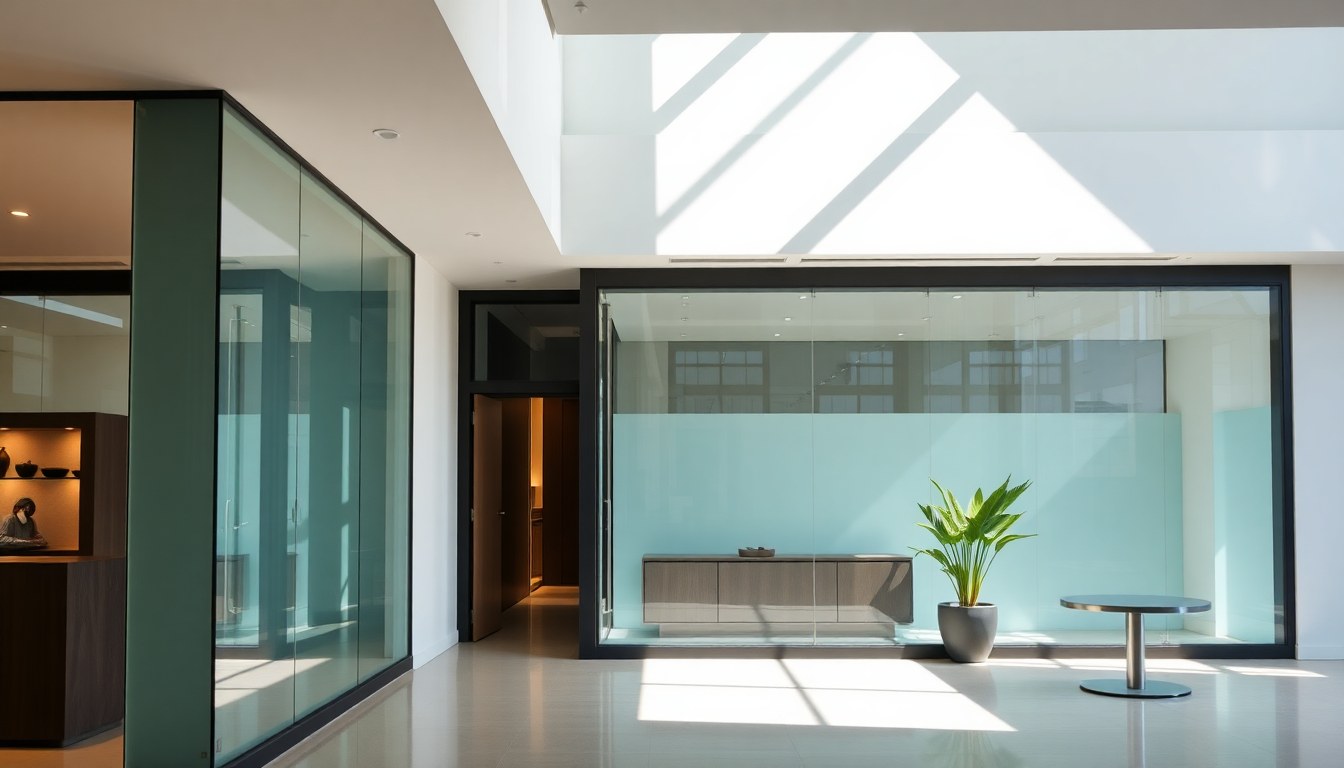
Retail shopfronts face a constant battle against UV radiation—merchandise fades, colors lose vibrancy, and customer appeal diminishes over time. Tinted glass offers a dual solution: it filters harmful ultraviolet rays while transforming your storefront into an eye-catching visual asset that draws customers in. Whether you operate a boutique in Delhi's high-street markets or a flagship store in Bangalore's commercial zones, understanding tinted glass options helps you balance product protection with storefront visibility.
Why UV Protection Matters in Retail Shopfronts
Sunlight streaming through clear glass damages merchandise in ways many retailers underestimate. Textiles fade within months, leather loses its luster, cosmetics degrade, and artwork loses color depth. UV radiation penetrates standard glass, causing photochemical reactions that break down pigments and dyes. For retailers, this translates to shrinking product lifespans, reduced shelf appeal, and ultimately, lower sales.
The Indian climate intensifies this problem. Cities like Delhi, Mumbai, and Bangalore experience intense, year-round UV exposure. Shopfronts facing south or west receive the harshest afternoon sun, accelerating fade. Tinted glass blocks 99% of UV-A and UV-B radiation, dramatically extending merchandise lifespan and maintaining color integrity. This protection directly impacts your bottom line—fewer damaged goods, less frequent restocking, and products that look fresher longer.
Types of Tinted Glass for Shopfronts
Tinted glass comes in several varieties, each offering different aesthetic and protective properties. Choosing the right type depends on your merchandise, location, and desired storefront appearance.
Bronze and Grey Tints
Bronze and grey tints are the most popular choices for retail shopfronts across India. Bronze tint imparts a warm, welcoming appearance while reducing glare and UV penetration. It works particularly well for jewelry stores, fashion boutiques, and luxury retail where ambiance matters. Grey tint provides a more neutral, professional look and offers slightly superior UV blocking. Both options maintain reasonable visibility into the store while creating a polished, high-end aesthetic.
Green Tints
Green tint glass offers excellent UV protection and a contemporary, eco-conscious appearance. It's increasingly popular in sustainable fashion stores and organic product retailers. Green tint reduces heat absorption better than bronze or grey, making it practical for stores in sun-exposed locations. However, it can shift the color perception of merchandise, so it's best suited for retailers whose products aren't color-sensitive.
Blue and Reflective Tints
Blue-tinted glass creates a striking, modern storefront presence and provides strong UV protection. Reflective or mirrored tints offer maximum privacy and UV blocking but significantly reduce visibility into the store—a trade-off worth considering. These work best for high-security retail or stores where the storefront display is secondary to interior branding.
Balancing Visibility and UV Protection
The central challenge with tinted glass is the visibility trade-off. Darker tints provide superior UV protection but reduce the light entering your store and the clarity with which passersby can see your merchandise. This isn't a simple problem to solve; it requires strategic thinking about your retail model.
If your business model relies on window displays to drive foot traffic—fashion, jewelry, cosmetics—you'll want lighter tints (typically 20-35% visible light transmission) that maintain clarity while still blocking 95%+ of UV radiation. If your store attracts customers through reputation and interior experience rather than window appeal, you can opt for darker tints (10-20% transmission) that provide maximum UV protection and privacy.
A practical middle ground: use tinted glass on upper sections and display windows while reserving clear, UV-protective laminated glass for primary display areas. This hybrid approach protects merchandise in storage and secondary displays while maintaining visibility where it matters most. Many high-end retailers in Bangalore's commercial districts use this strategy to great effect.
Installation Considerations for Indian Retail Zones
Installing tinted glass shopfronts requires careful planning, particularly in India's diverse climate zones and varying structural standards across cities.
Professional Assessment and Compliance
Before installation, have a certified glass consultant assess your storefront structure. Tinted glass is heavier than clear glass and places greater stress on frames and supports. In Delhi's older commercial areas, this matters significantly. You'll also need to comply with local building codes—most Indian municipalities require safety certifications for shopfront glass, particularly in high-traffic areas. Ensure your installer provides proper documentation and adheres to Indian Standards (IS 2911 for safety glass).
Frame and Support Systems
Aluminum frames are standard for shopfronts and work well with tinted glass. Ensure frames are corrosion-resistant—crucial in coastal cities like Mumbai and Chennai where salt air degrades standard aluminum. Stainless steel or powder-coated aluminum frames resist environmental degradation better. In Delhi and Bangalore, standard aluminum frames perform adequately, but investing in better-quality frames extends the lifespan of your installation.
Sealing and Weatherproofing
Proper sealing prevents water ingress, which can cause glass deterioration and frame rust. Use silicone-based sealants rated for your climate zone. In monsoon-prone areas, ensure adequate drainage channels in the frame design. Many retailers in Bangalore overlook this detail and face problems during heavy rains—don't make the same mistake.
Cost Considerations and ROI
Tinted glass shopfronts represent a significant investment. Expect to pay ₹800–₹2,000 per square meter for quality tinted glass, depending on tint type, thickness, and whether you opt for laminated or tempered variants. Installation adds another ₹300–₹600 per square meter. For a typical 20 square meter shopfront, budget ₹20,000–₹52,000 for materials and installation.
However, the ROI is compelling. By extending merchandise lifespan and reducing fade-related waste, most retailers recoup their investment within 3–4 years. Factor in the aesthetic uplift—tinted shopfronts look more professional and contemporary, often translating to increased foot traffic and sales. In premium retail zones in Delhi and Bangalore, this visual enhancement alone justifies the cost.
Maintenance costs are minimal. Tinted glass requires the same cleaning as clear glass—regular washing with mild soap and water. UV-protective coatings don't degrade over time, so you won't face recurring expenses for reapplication.
Best Practices for Tinted Shopfront Maintenance
Once installed, maintaining your tinted glass shopfront ensures longevity and continued aesthetic appeal. Clean glass weekly using soft microfiber cloths and pH-neutral glass cleaner. Avoid abrasive materials that scratch the tint or underlying glass. In dusty cities like Delhi, more frequent cleaning (2–3 times weekly) prevents sediment buildup that can dull the tint's appearance.
Inspect seals and frames quarterly, particularly before monsoon seasons in India. Small gaps or cracks allow water infiltration, which degrades frames and can compromise the glass itself. Address any visible damage immediately—a small leak becomes a major structural problem if ignored. In high-traffic areas, monitor the glass for impact damage. While tinted glass is typically tempered for safety, impacts can create stress fractures that worsen over time.
Frequently Asked Questions
Does tinted glass block all UV rays?
Quality tinted glass blocks 99% of UV-A and UV-B radiation, which is sufficient to prevent merchandise fade in virtually all retail scenarios. However, "UV-protective" glass is more accurate than "UV-blocking"—no glass blocks 100% of UV rays. The remaining 1% is negligible and won't cause visible fading over reasonable timeframes. Always verify that your glass meets UV protection standards before purchase.
Will tinted glass make my store look dark and uninviting?
Not if you choose the right tint level. Light tints (20–35% visible light transmission) maintain a bright, welcoming appearance while providing strong UV protection. The key is balancing your merchandise visibility needs with protection requirements. Test samples in your actual storefront location before committing to full installation—lighting conditions vary significantly between morning, afternoon, and evening.
Can tinted glass be installed on existing shopfronts?
Yes, but it requires professional assessment. Your existing frame must be structurally sound and capable of supporting the additional weight of tinted glass. If your current frame is aluminum and in good condition, replacement is straightforward. If it's older steel or damaged, you may need to reinforce or replace the frame—an added cost but necessary for safety and longevity.
What's the difference between tinted glass and UV-protective film?
Tinted glass has color integrated throughout its thickness, providing consistent appearance from all angles and superior durability. UV-protective film is applied to clear glass and can peel, bubble, or degrade over 5–7 years in India's harsh climate. While film is cheaper upfront (₹200–₹400 per square meter), tinted glass is the better long-term investment for retail shopfronts.
How do I choose between bronze, grey, and green tints?
Consider your merchandise type, desired aesthetic, and location. Bronze works for warm, luxury retail and jewelry. Grey suits professional, neutral environments. Green appeals to eco-conscious brands and contemporary stores. Test samples in your actual storefront lighting before deciding—what looks good in a showroom may not suit your specific location and merchandise.
Conclusion
Tinted glass shopfronts solve a critical retail challenge: protecting merchandise from UV fade while enhancing storefront appeal. Whether you operate in Delhi's bustling commercial zones or Bangalore's modern retail districts, the right tinted glass investment pays dividends in extended merchandise lifespan, reduced waste, and improved visual presence. By understanding tint options, visibility trade-offs, and proper installation practices, you can make an informed decision that aligns with your retail strategy and budget.
Ready to explore tinted glass solutions for your shopfront? Visit the glassy.in directory to connect with certified glass suppliers and installation specialists across India. Compare quotes, read verified reviews, and find the perfect partner for your retail glass project today.