
Buying Guides
Tinted Glass vs Clear Glass: Which Blocks Heat Better in Indian Homes?
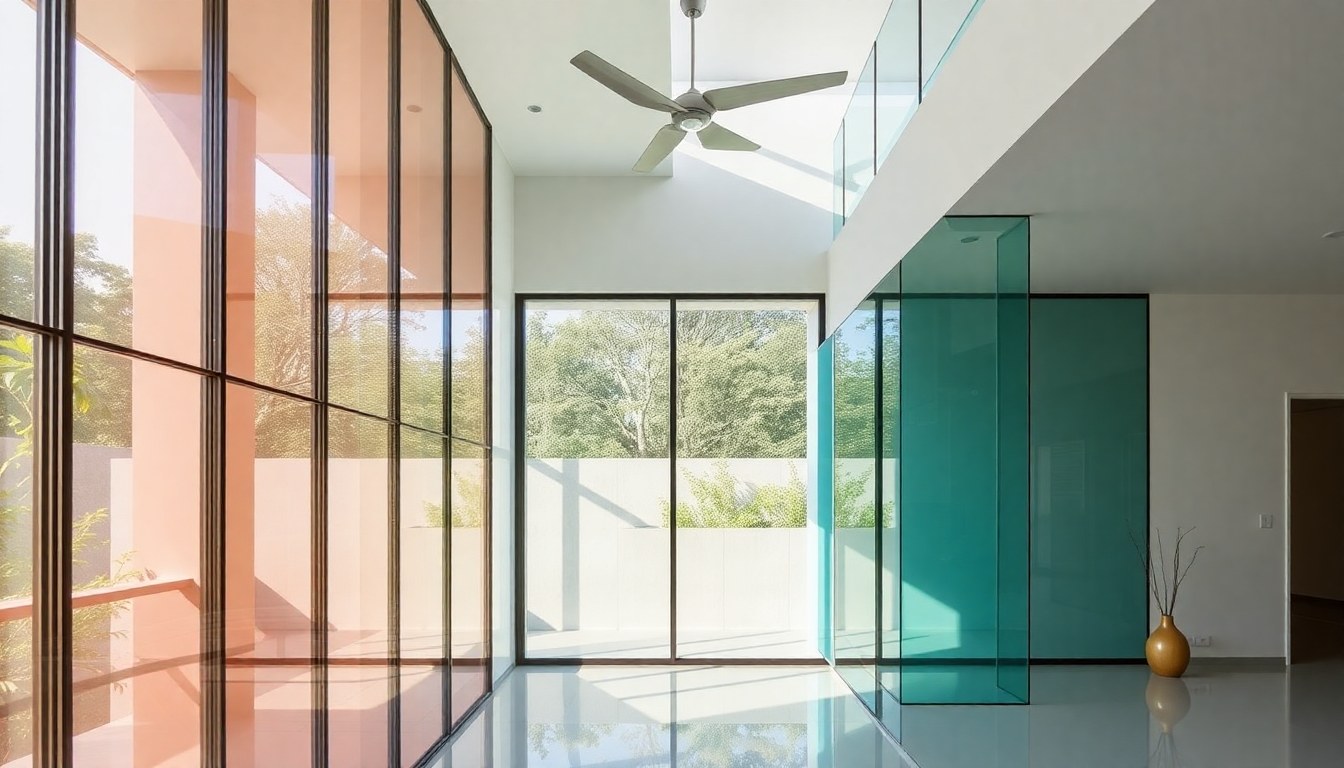
India's intense summer heat makes window glass selection crucial for home comfort and energy efficiency. While clear glass allows maximum natural light, tinted glass—available in bronze, green, and grey—significantly reduces solar heat gain and glare. Understanding the performance differences between these options helps you choose the right solution for your climate zone and lifestyle.
Understanding Solar Heat Gain and Glass Performance
Solar heat gain through windows is a primary driver of indoor temperature rise in Indian homes. Glass performance is measured using the Solar Factor (SF) or Solar Heat Gain Coefficient (SHGC), which indicates how much solar radiation passes through the glass. Lower values mean better heat rejection. Clear glass typically has a solar factor of 0.80–0.86, meaning 80–86% of solar energy penetrates indoors. Tinted glass reduces this significantly, with bronze and grey variants achieving solar factors between 0.40–0.55.
Visible Light Transmission (VLT) is equally important—it measures how much daylight enters your space. Clear glass offers 88–90% VLT, while tinted options drop to 50–70% depending on tint darkness. This trade-off is essential: darker tints block more heat but reduce natural brightness, potentially increasing artificial lighting needs during daytime.
Types of Tinted Glass and Their Heat-Blocking Capabilities
Bronze Tinted Glass
Bronze tint is the most popular choice in India's residential sector. It provides a warm aesthetic while blocking 40–50% of solar heat. Bronze glass maintains decent visibility (approximately 60–65% VLT) and works well in bedrooms, living rooms, and office spaces. The amber-brown tone also reduces glare without making interiors feel dark or cave-like.
Green Tinted Glass
Green tinted glass offers a softer appearance and slightly better light transmission (65–70% VLT) compared to bronze. However, its heat rejection is marginally lower, with solar factors around 0.50–0.60. Green tint is favored for commercial buildings and modern residential designs where aesthetic appeal matters alongside thermal performance.
Grey Tinted Glass
Grey is the superior heat blocker among standard tints, rejecting 45–55% of solar energy while maintaining neutral aesthetics. Grey glass delivers consistent color rendering and works in any architectural style. Its solar factor ranges from 0.40–0.50, making it ideal for south and west-facing windows in Indian homes where afternoon heat is most intense.
Clear Glass: Advantages and Limitations in Hot Climates
Clear glass excels in light transmission and maintains unobstructed views, making it suitable for north-facing windows, skylights, and spaces where maximum daylight is desired. In cooler seasons or climates with moderate sun exposure, clear glass performs adequately. However, in India's tropical and subtropical zones, unprotected clear glass allows excessive heat ingress, driving up air conditioning costs by 15–25% during peak summer months.
The primary limitation of clear glass is its poor thermal performance. While it's the most affordable option upfront, the long-term energy cost increase often outweighs initial savings. Clear glass is best reserved for north-facing windows or interior partitions where solar exposure is minimal.
Comparative Performance in Indian Climate Zones
India's climate varies significantly across regions. In hot-dry zones (Delhi, Jaipur, Ahmedabad), tinted glass is strongly recommended for all external windows. In hot-humid regions (Mumbai, Chennai, Kolkata), the combination of heat and moisture makes tinted glass essential for both cooling efficiency and condensation control. Coastal areas benefit from grey or bronze tint to reduce salt-spray damage alongside heat management.
A practical approach: use tinted glass (preferably grey or bronze) on south, west, and east-facing windows where solar exposure is highest. For north-facing windows receiving indirect sunlight, clear glass remains acceptable. Many homeowners and architects, such as those at BIM Modeller Consulting Services, recommend this hybrid strategy to balance thermal comfort with natural lighting and cost.
Privacy, Aesthetics, and Additional Benefits
Tinted glass provides inherent privacy during daytime—outsiders cannot see indoors clearly, though occupants can see out. This added privacy reduces the need for curtains or blinds, improving aesthetics and maintenance ease. The tint also filters UV radiation, protecting furniture, artwork, and flooring from fading—a significant advantage in sun-exposed Indian homes.
Aesthetically, tinted glass creates a modern, professional appearance. It's particularly popular in contemporary home designs and renovations. Interior designers, including those at JPK Interio, frequently specify tinted glass for its visual appeal and performance benefits combined.
Glare reduction is another underrated advantage. Tinted glass minimizes harsh reflections from sunlight, reducing eye strain and creating a more comfortable indoor environment during peak daylight hours.
Cost Considerations and Long-Term Savings
Clear glass costs ₹150–300 per square foot, while tinted glass ranges from ₹250–500 per square foot depending on thickness, tint type, and manufacturer. The 50–100% price premium seems significant initially, but energy savings justify the investment. Homes using tinted glass typically reduce cooling costs by 20–30% during summer, recovering the additional expense within 3–5 years in most Indian cities.
Bulk purchases and professional installation through established dealers like CITY GLASS PALACE AND ALUMINIUM FABRICATION can reduce per-unit costs. Additionally, many state governments and utilities offer incentives for energy-efficient home improvements, sometimes offsetting glass upgrade costs.
Installation and Maintenance Differences
Both clear and tinted glass require identical installation techniques and frames. No special modifications are needed when switching from clear to tinted glass. Maintenance is also straightforward for both types—regular cleaning with mild soap and water preserves clarity and performance.
Tinted glass is more durable against UV damage and environmental stress, often outlasting clear glass by 5–10 years in harsh Indian climates. The tint doesn't fade or degrade under sun exposure, maintaining consistent heat rejection and appearance throughout its lifespan.
Frequently Asked Questions
Does tinted glass block heat better than clear glass?
Yes, tinted glass blocks 40–55% of solar heat depending on tint color and thickness, while clear glass blocks only 10–15%. Grey and bronze tints offer the best heat rejection. In Indian climates, this translates to noticeably cooler interiors and lower air conditioning costs during summer.
Will tinted glass make my home too dark?
Modern tinted glass maintains 50–70% visible light transmission, so interiors remain bright and welcoming. While slightly dimmer than clear glass, most occupants adapt within days. Pairing tinted glass with light-colored interior walls and strategic artificial lighting ensures adequate brightness without sacrificing thermal performance.
Can I apply tint film to existing clear glass windows?
Yes, adhesive tint films are available and cost-effective for retrofitting. However, factory-tinted glass is superior—it's more durable, doesn't peel or bubble, and offers better heat rejection. For new installations or major renovations, factory tinting is recommended.
Which tint color is best for Indian homes?
Grey is the most effective heat blocker and suits any architectural style. Bronze offers a warmer aesthetic with slightly lower performance. Green provides good light transmission but marginally lower heat rejection. Choose based on your climate zone, window orientation, and aesthetic preferences. South and west-facing windows benefit most from grey tint.
Is tinted glass worth the extra cost?
Absolutely. The 20–30% reduction in cooling costs recovers the ₹100–250 per square foot premium within 3–5 years. Over a 20-year lifespan, tinted glass saves ₹50,000–100,000+ on energy bills in most Indian homes, plus provides UV protection and privacy benefits.
Ready to upgrade your home's thermal performance? Explore verified glass suppliers and installation experts on glassy.in's directory to find the right tinted or clear glass solution for your Indian home.