
Toughened Glass
Tinted Glass for Shopfronts: UV Protection, Brand Appeal & Energy Savings
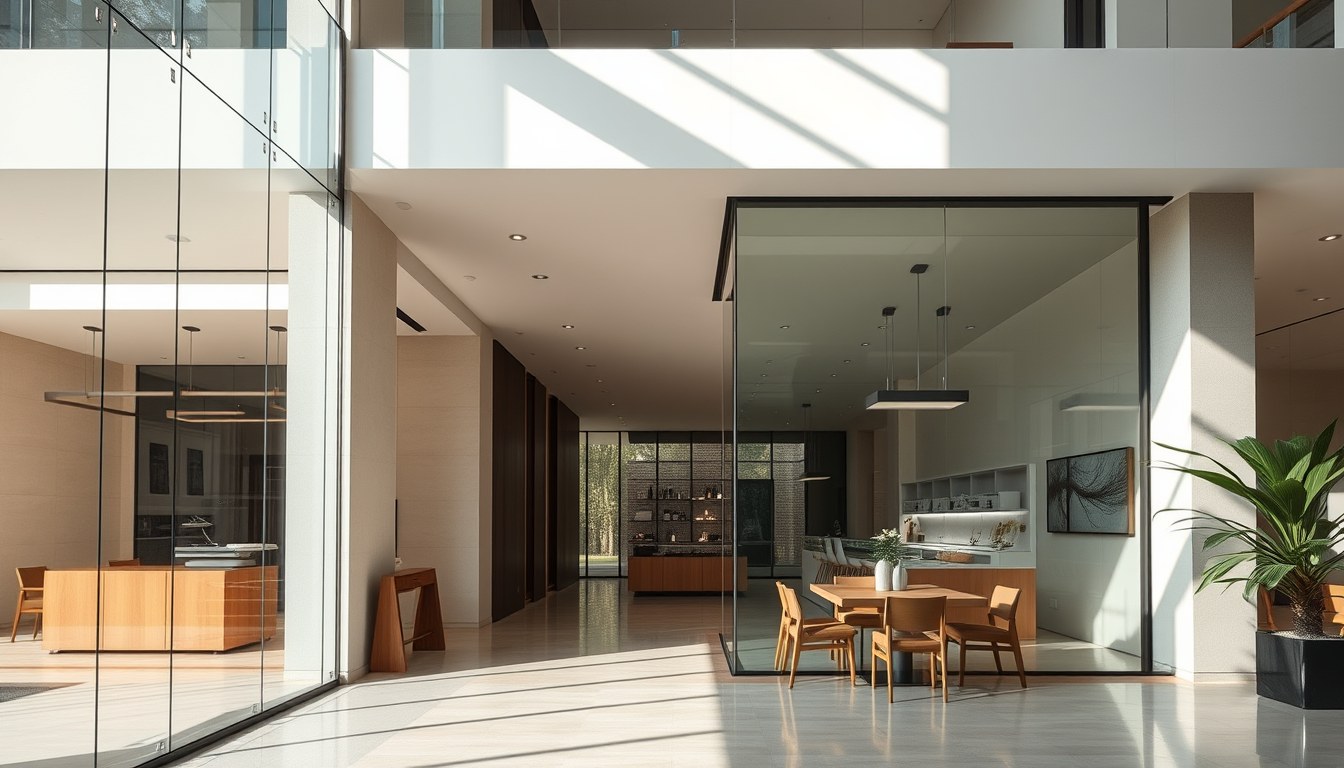
Tinted glass shopfronts are revolutionizing retail design across India's major cities, offering a powerful combination of UV protection, aesthetic sophistication, and operational cost savings. Whether you run a jewelry store in Bangalore, a fashion boutique in Hyderabad, or a electronics showroom anywhere in India, tinted glass delivers measurable benefits that directly impact your bottom line and customer experience. This guide explores how tinted glass transforms storefronts and why it's become a smart investment for forward-thinking retailers.
Understanding Tinted Glass and Its Properties
Tinted glass is standard glass infused with metal oxides or coatings that absorb and reflect solar radiation. Unlike clear glass, tinted variants reduce light transmission while maintaining visibility into your store. The tint is achieved during manufacturing or applied as a coating afterward, making it a permanent feature that won't peel or fade over time.
The most common tints for retail applications include bronze, grey, and green—each offering different levels of light reduction and aesthetic appeal. Bronze tints provide warmth and sophistication, grey tints offer neutral elegance, while green tints create a premium, modern appearance. The choice depends on your brand identity, product type, and local climate conditions.
Types of Tinted Glass for Shopfronts
- Absorbing Tinted Glass: Absorbs solar energy, reducing heat transmission by 20–40%. Ideal for hot climates like Hyderabad and Bangalore.
- Reflective Coated Glass: Reflects sunlight away from the building, offering superior heat rejection and a mirror-like exterior appearance.
- Laminated Tinted Glass: Combines tinting with safety lamination, providing UV protection plus shatter resistance—perfect for ground-floor retail.
- Toughened Tinted Glass: Heat-treated for strength, offering both UV blocking and impact resistance without compromising clarity.
UV Protection: Safeguarding Your Merchandise and Customers
Ultraviolet (UV) radiation is invisible but destructive. It fades colors, degrades fabrics, damages artwork, and can harm skin with prolonged exposure. Retail stores with south-facing or west-facing shopfronts face intense UV exposure, especially in India's tropical and subtropical climates. Standard clear glass blocks only about 25% of UV rays, leaving 75% to penetrate your store.
Tinted glass blocks 99% of harmful UV radiation, protecting both your merchandise and customers. For retailers selling clothing, art, cosmetics, or collectibles, this protection directly preserves product quality and extends shelf life. Studies show that UV-protected retail environments experience significantly less color fading and material degradation compared to stores with clear glass fronts.
Specific Benefits for Different Retail Categories
- Fashion & Apparel: Prevents dye fading and maintains color vibrancy of fabrics on display.
- Jewelry & Watches: Protects gemstones, metals, and leather components from UV-induced discoloration.
- Electronics & Gadgets: Reduces heat stress on delicate components and prevents screen glare that deters customers.
- Art & Antiques: Essential for preserving paintings, sculptures, and heritage items from irreversible UV damage.
- Food & Beverages: Protects packaged goods from UV degradation while maintaining an inviting storefront aesthetic.
Brand Appeal and Customer Experience
Beyond functionality, tinted glass elevates your store's visual identity. A well-chosen tint creates an immediate impression of sophistication, exclusivity, and professionalism. Luxury brands worldwide use tinted glass to create curated retail environments that control the narrative around their products. In India's competitive retail landscape, this psychological advantage matters—customers perceive tinted-glass storefronts as premium establishments.
Tinted glass also improves the shopping experience by reducing glare and harsh reflections on product displays. Customers can browse comfortably without squinting, and your window displays become more visually appealing. The controlled lighting environment created by tinted glass allows your merchandise to be showcased under optimal conditions, increasing conversion rates and average transaction values.
Design Flexibility and Customization
Modern tinted glass comes in various opacity levels and colors, allowing you to customize your storefront to match your brand guidelines. Some retailers opt for subtle 15% tint for minimal visual impact with maximum UV protection, while others choose darker 50% tints for a bold, contemporary look. Gradient tints—darker at the top, lighter at the bottom—are also available for retailers who want privacy in upper sections while maintaining visibility at eye level.
Energy Savings and Climate Control
India's retail sector spends billions annually on air conditioning and cooling systems. Tinted glass dramatically reduces this burden by blocking solar heat before it enters your store. During peak summer months in Bangalore and Hyderabad, tinted glass can reduce indoor temperatures by 5–8°C compared to clear glass, translating to 20–35% lower cooling costs depending on your store's size and layout.
The financial impact is substantial. A 2,000 sq. ft. retail store in Bangalore spending ₹15,000 monthly on electricity could save ₹3,000–₹5,000 monthly with tinted glass installation. Over a year, that's ₹36,000–₹60,000 in savings. Over a five-year period, with typical tinted glass installation costs ranging from ₹150–₹300 per sq. ft., the return on investment becomes evident within 18–24 months.
Energy Efficiency Metrics
- Solar Heat Gain Coefficient (SHGC): Tinted glass reduces SHGC from 0.86 (clear glass) to 0.40–0.50, meaning less heat enters your store.
- Visible Light Transmission (VLT): Quality tinted glass maintains 40–70% VLT, allowing natural light while blocking heat.
- U-Value: Tinted glass with low-emissivity coatings can achieve U-values below 0.30, improving insulation performance.
Installation and Maintenance Considerations
Installing tinted glass shopfronts requires professional expertise. The process involves removing existing glass, preparing frames, and installing tinted panels—typically completed within 2–4 days for standard retail spaces. Costs vary based on glass thickness, tint type, and frame modifications, but expect ₹200–₹400 per sq. ft. for quality tinted glass installation in major Indian cities.
Maintenance is straightforward. Tinted glass requires the same care as regular glass: regular cleaning with mild soap and water, and occasional professional cleaning to maintain clarity and appearance. The tint itself is permanent and won't degrade, though protective coatings may need reapplication after 5–7 years in harsh climates.
Working with Glass Suppliers
Choose suppliers who offer warranties on their tinted glass products, typically 5–10 years for manufacturing defects. Ensure they provide proper installation documentation and compliance certificates. Reputable suppliers in India will have experience with local building codes and can advise on the best tint specifications for your specific location and retail category.
Compliance and Building Regulations
In India, shopfront glass must comply with Indian Standards (IS) codes, particularly IS 2553 for safety glass and IS 12600 for solar control glass. Most states also have local building bylaws governing storefront materials. Tinted glass typically meets these requirements, but verify with your local municipal corporation before installation.
If your store is in a heritage precinct or commercial complex with design guidelines, check whether tinted glass is permitted. Most modern complexes actively encourage energy-efficient materials like tinted glass, but it's prudent to confirm. Professional glass suppliers will handle these compliance checks as part of their service.
Frequently Asked Questions
Does tinted glass reduce visibility into my shopfront?
Quality tinted glass maintains 40–70% visible light transmission, allowing customers to see your products clearly from outside while reducing glare and heat. The reduction in visibility is minimal and often improves the overall shopping experience by creating a curated, professional appearance.
How much can I save on electricity bills with tinted glass?
Savings depend on your store size, location, and current cooling costs. Typically, retail stores save 20–35% on cooling-related electricity expenses. A 2,000 sq. ft. store in Bangalore might save ₹3,000–₹5,000 monthly during summer months, with annual savings of ₹36,000–₹60,000.
Is tinted glass suitable for all retail categories?
Yes, tinted glass benefits nearly all retail formats—apparel, jewelry, electronics, food, art, and more. The primary consideration is choosing the right tint color and opacity to match your brand identity and product display requirements.
How long does tinted glass last?
Tinted glass is permanent and won't fade or peel. The glass itself lasts 20+ years with proper maintenance. Protective coatings may require reapplication after 5–7 years in harsh climates, but this is a minor maintenance cost compared to the long-term benefits.
What's the difference between tinted glass and reflective glass?
Tinted glass absorbs solar energy and appears darker from both sides. Reflective glass has a metallic coating that reflects sunlight and appears mirror-like from the outside. Reflective glass offers superior heat rejection but may look less welcoming for retail. Tinted glass is generally preferred for shopfronts because it maintains visibility while providing excellent UV and heat protection.
Transform Your Shopfront Today
Tinted glass shopfronts represent a smart investment for Indian retailers seeking to enhance brand appeal, protect merchandise, and reduce operational costs. Whether you operate in Bangalore, Hyderabad, or any other Indian city, tinted glass delivers measurable returns through improved customer experience, energy savings, and long-term merchandise preservation. Explore options from verified glass suppliers on glassy.in, India's largest glass-business directory, and connect with local experts who understand your market and can deliver customized solutions for your retail space.