
Toughened Glass
Laminated Glass vs Toughened Glass: Safety Comparison for Staircase Railings
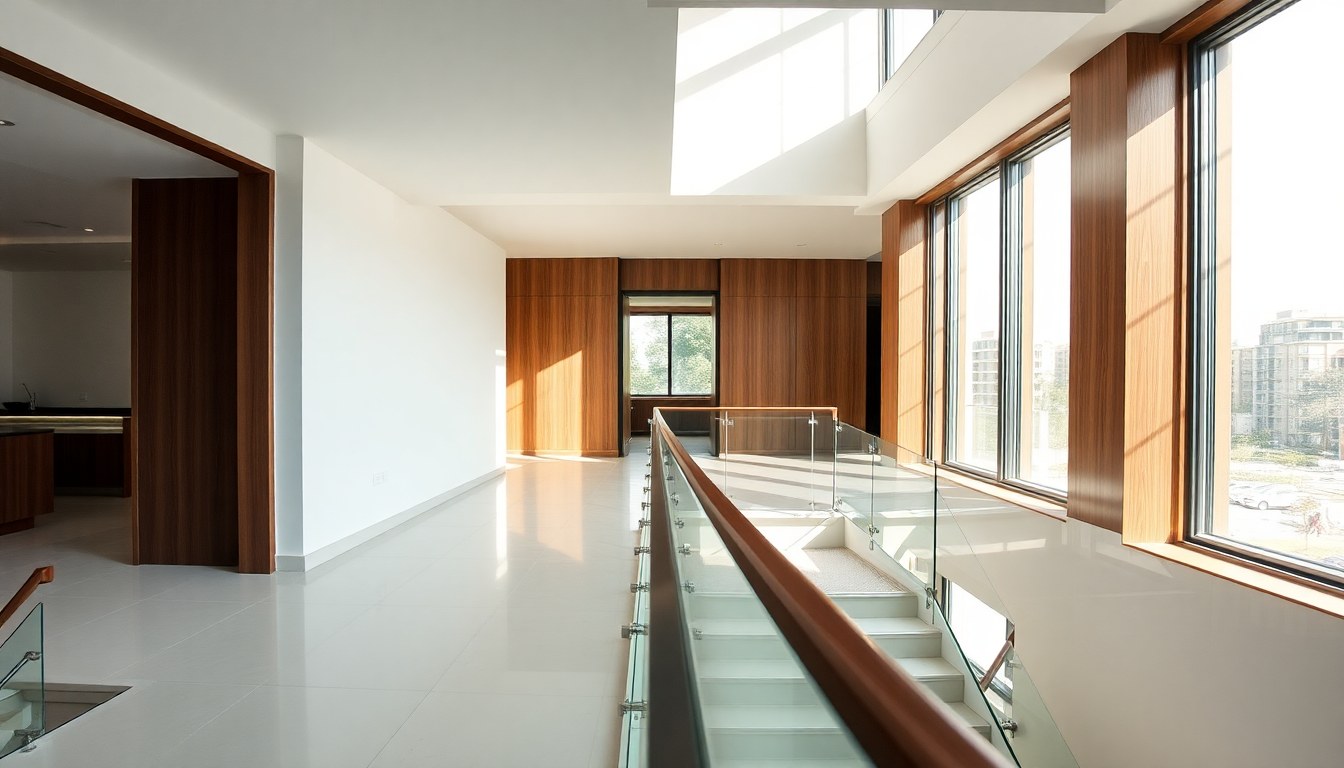
When designing staircase railings, safety is non-negotiable—and your choice of glass directly determines how your railing responds to impact. Laminated and toughened glass are the two most common options, but they perform dramatically differently in accidents. Understanding their strengths, weaknesses, and compliance with Indian building codes will help you make an informed decision that protects your family or occupants for decades.
How Laminated Glass Works: Safety Through Adhesion
Laminated glass consists of two or more panes of glass bonded together with a polyvinyl butyral (PVB) interlayer. When impact occurs, the glass may crack, but the interlayer holds the fragments together, preventing them from scattering. This "stay-put" characteristic is the defining safety feature of laminated glass.
The PVB layer also provides sound dampening, UV protection, and thermal insulation—benefits that extend beyond safety. For staircase railings, this means that even if a child falls against the railing or someone throws an object at it, the glass won't shatter into dangerous shards. Instead, it will crack while remaining largely intact, significantly reducing injury risk.
Laminated Glass Composition and Thickness
Typical laminated glass for railings ranges from 6.38 mm to 12.76 mm, with the number reflecting the combined thickness of glass panes plus the interlayer. A common specification is 6 mm + 6 mm with a 0.76 mm PVB layer (written as 6.38 mm). Thicker configurations are used in high-traffic commercial staircases or where extra durability is required.
How Toughened Glass Works: Safety Through Strength
Toughened glass, also called tempered glass, undergoes a heating and rapid cooling process that creates internal compressive stress. This process makes the glass 4–5 times stronger than annealed (untreated) glass and allows it to withstand significant impact without cracking easily. When toughened glass does break, it shatters into small, relatively harmless granules rather than sharp shards.
The strength of toughened glass makes it ideal for applications where impact resistance is critical. For staircase railings, this means the glass is less likely to crack from accidental contact, and if it does break, the fragments are blunt rather than razor-edged. However, there's a critical catch: once toughened glass breaks, the entire pane loses its structural integrity instantly.
Toughened Glass Manufacturing and Standards
In India, toughened glass must comply with IS 2553-1982 (Indian Standard for Tempered Glass). This standard ensures that the glass meets minimum strength requirements and fragmentation specifications. Quality toughened glass undergoes edge polishing to prevent spontaneous breakage and is marked with a permanent label indicating its tempered status.
Safety Testing: Impact and Fragmentation Comparison
The safety difference between these two glass types becomes clear when subjected to standardized testing. Impact tests simulate real-world scenarios like a person falling against the railing or an object striking the glass.
Laminated Glass Under Impact
- Absorbs impact energy without shattering
- Cracks may appear, but glass remains bonded together
- Fragments are held in place by the PVB interlayer
- Provides continued barrier function even after damage
- Prevents accidental falls or protrusion of sharp glass
Toughened Glass Under Impact
- Resists cracking better than laminated glass initially
- When failure occurs, entire pane disintegrates into small granules
- Granules are blunt and cause minimal cutting injuries
- Loss of barrier function—the railing no longer contains or restrains
- Risk of fall hazard if the railing was the only protective barrier
For staircase railings specifically, the loss of barrier function in toughened glass is a significant concern. If someone leans on a toughened glass railing and it breaks, they could fall through the opening. Laminated glass, by contrast, maintains its structural integrity and continues to function as a barrier even when cracked.
Indian Building Codes and Compliance Requirements
India's National Building Code (NBC) and local municipal building bylaws specify safety requirements for railings. These codes prioritize impact resistance and the prevention of sharp fragments—both critical for protecting occupants.
NBC Guidelines for Glass Railings
The National Building Code mandates that glass used in railings must be either laminated or toughened. For residential staircases, the code typically requires:
- Minimum glass thickness of 10 mm for toughened glass or equivalent laminated thickness
- Railings designed to withstand a horizontal load of 1.2 kN/m (as per NBC Part 4)
- Fragmentation safety—glass must not produce sharp shards that pose cutting hazards
- Proper framing and support systems to prevent glass from dislodging
Many architects and builders in metro areas like Delhi, Mumbai, Bangalore, and Pune prefer laminated glass for railings because it meets NBC requirements while providing superior fail-safe characteristics. However, toughened glass is also compliant and remains popular due to its lower initial cost.
Cost Analysis: Initial Price vs Long-Term Value
Budget is often a deciding factor. Toughened glass typically costs 20–30% less than laminated glass of equivalent thickness. For a standard residential staircase railing (approximately 10–15 meters), the difference can amount to ₹5,000–₹15,000.
Pricing Breakdown (Approximate Rates in India)
- Toughened Glass: ₹400–₹600 per square meter (10 mm thickness)
- Laminated Glass: ₹700–₹1,000 per square meter (equivalent safety rating)
- Installation: ₹150–₹300 per square meter (similar for both types)
However, the true cost of ownership extends beyond the initial purchase. Laminated glass, despite higher upfront cost, offers better long-term value because it rarely requires complete replacement. Toughened glass, if broken, necessitates full pane replacement since it cannot be repaired. Additionally, laminated glass provides better sound insulation and UV protection, reducing heating and cooling costs in some cases.
Which Glass Type Should You Choose for Staircase Railings?
The choice depends on your priorities, budget, and specific circumstances. Here's a practical guide:
Choose Laminated Glass If:
- Safety is your absolute priority
- The staircase is in a high-traffic area (commercial buildings, schools, apartments)
- You have young children or elderly occupants at home
- You want a railing that maintains its protective function even if damaged
- Long-term durability and minimal maintenance are important
Choose Toughened Glass If:
- Budget constraints are significant
- The staircase receives light to moderate use
- You prioritize initial affordability over long-term resilience
- You're confident the railing will not face high-impact scenarios
- Aesthetic clarity without the slight haziness of PVB layers is preferred
For most residential staircases in India, especially in urban areas where building codes are strictly enforced, laminated glass is the safer and more prudent choice. Its fail-safe characteristics provide peace of mind and comply seamlessly with modern safety standards.
Frequently Asked Questions
Can laminated glass be used for all staircase railings in India?
Yes, laminated glass is approved for all staircase railings under the National Building Code and is increasingly preferred by architects and builders. It meets all safety requirements and is suitable for residential, commercial, and institutional buildings. However, you should always verify local municipal bylaws, as some areas may have specific requirements.
What happens if toughened glass breaks in a staircase railing?
When toughened glass breaks, it disintegrates into small, blunt granules rather than sharp shards. However, the critical issue is that the entire pane loses structural integrity immediately, creating a gap in the railing. This can become a fall hazard if someone was leaning on it. Laminated glass, by contrast, cracks but remains intact and continues to function as a barrier.
Is laminated glass more expensive than toughened glass?
Yes, laminated glass typically costs 20–30% more than toughened glass initially. However, when considering long-term durability, maintenance, and the cost of replacement, laminated glass often provides better value. Toughened glass requires complete pane replacement if broken, whereas laminated glass can often be repaired or tolerate minor damage without replacement.
Do both glass types meet Indian building codes?
Both laminated and toughened glass are approved under the National Building Code (NBC Part 4) for staircase railings. However, laminated glass is increasingly recommended because of its superior fail-safe characteristics. Always consult your local municipal building department to confirm specific requirements for your area.
Which glass type is better for homes with children?
Laminated glass is significantly safer for homes with children. If a child falls against or impacts a laminated glass railing, the glass will crack but remain bonded together, preventing sharp fragments and maintaining the barrier function. Toughened glass, while strong initially, disintegrates completely when broken, potentially creating a fall hazard. For families with young children, laminated glass is the recommended choice.
Choosing the right glass for your staircase railing is an investment in safety and peace of mind. Whether you're building a new home in Delhi, renovating an apartment in Mumbai, or constructing a commercial building in Bangalore, understanding the difference between laminated and toughened glass empowers you to make the best decision. Explore verified glass suppliers and manufacturers in your area through the glassy.in directory to find trusted professionals who can guide you through the selection and installation process.