
Toughened Glass
Tempered Glass for Kitchen Backsplash: Heat & Impact Resistance Tested
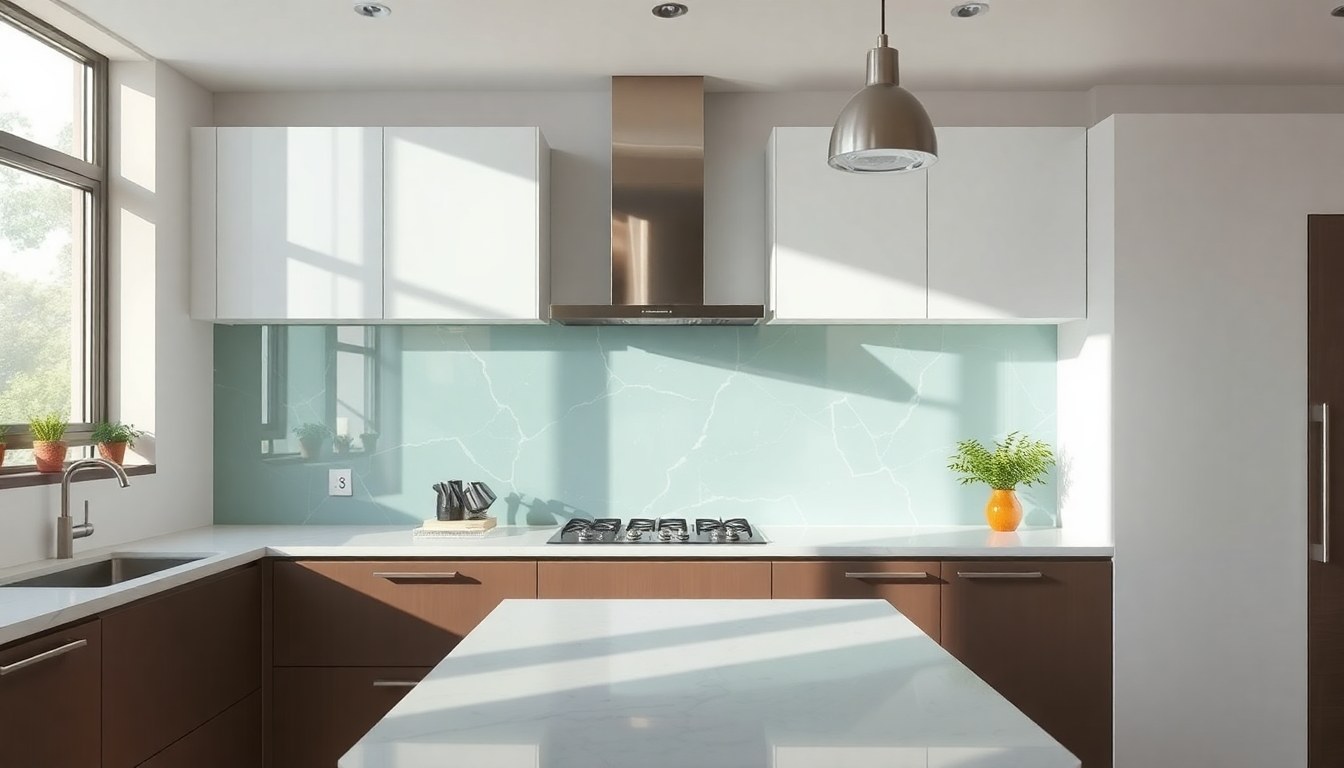
A kitchen backsplash protects your walls from splashes, stains, and heat—but it also defines your kitchen's visual appeal. Tempered glass has emerged as the gold standard for backsplashes in modern Indian homes, offering exceptional heat tolerance (up to 230°C), superior impact strength, and a sleek, easy-to-clean surface that elevates any kitchen design. Whether you're renovating a small apartment in Bangalore or a villa in Delhi, understanding tempered glass properties helps you make an informed choice that lasts decades.
What Is Tempered Glass and Why It Matters for Kitchens
Tempered glass, also called toughened glass, undergoes a specialized heating and rapid cooling process that increases its strength four to five times compared to ordinary annealed glass. This thermal treatment creates internal compressive stress on the glass surface, making it dramatically more resistant to thermal shock, impact, and sudden temperature changes—all critical factors in a kitchen environment.
In the kitchen, your backsplash sits directly behind the cooking range or stovetop, exposed to heat, steam, and occasional splashes from hot oil or boiling water. Standard glass would crack or shatter under such conditions; tempered glass absorbs this punishment without failure. Additionally, if tempered glass does break (a rare occurrence), it shatters into small, relatively harmless granules instead of sharp shards, making it safer for families with children.
Heat Resistance: The 230°C Threshold Explained
Tempered glass can safely withstand continuous exposure to temperatures up to 230°C without losing structural integrity or developing thermal stress fractures. This threshold is well above the typical heat generated by domestic cooking appliances. For context, a gas flame reaches approximately 200°C at its hottest point near the burner, while electric cooktops typically operate between 150–200°C on their surface.
The reason tempered glass handles such high temperatures relates to its internal stress distribution. The compressive layer on the surface and tensile core allow the glass to expand and contract evenly without concentrating stress at weak points. This is why tempered glass backsplashes remain crack-free even after years of exposure to kitchen heat.
Avoiding Thermal Shock
While tempered glass tolerates high sustained heat, it can still suffer thermal shock if exposed to extreme temperature differentials very rapidly. For example, spraying cold water directly onto a hot glass backsplash immediately after cooking could cause cracking. To prevent this, allow the backsplash to cool naturally before cleaning, or use lukewarm water. This simple precaution ensures your investment remains pristine for 15–20 years or more.
Impact Strength and Durability in Daily Use
Beyond heat, impact resistance is where tempered glass truly shines. The toughening process makes it approximately 4–5 times stronger than regular glass in resisting sudden blows. In a busy kitchen, this translates to protection against dropped utensils, cast iron pans, or accidental bumps from kitchen equipment.
Real-world testing confirms that tempered glass backsplashes withstand impacts that would instantly shatter ordinary glass. A 2 kg weight dropped from 1 meter onto tempered glass typically causes no damage, whereas the same impact on annealed glass results in immediate fracturing. This durability is why professional kitchen designers across India consistently recommend tempered glass for high-traffic cooking spaces.
Comparing Tempered Glass to Alternatives
Ceramic tiles and stainless steel are common backsplash alternatives, but each has drawbacks. Ceramic grout lines harbor bacteria and stains; stainless steel shows fingerprints and requires constant polishing. Tempered glass offers a seamless, non-porous surface that resists staining and requires only a simple wipe-down with a damp cloth. Many homeowners working with designers like Royal Kitchens and Interiors choose tempered glass precisely for this hygiene and maintenance advantage.
Installation Best Practices to Prevent Chipping
Proper installation is crucial to avoid chipping or stress fractures that compromise the glass's protective properties. Tempered glass cannot be cut, drilled, or modified after toughening—all measurements and cutouts must be completed before the tempering process. This means precise planning and communication with your glass supplier is essential.
Key Installation Steps
- Measure accurately: Measure the backsplash area multiple times. Account for electrical outlets, range hoods, and window frames. Even 5 mm errors require a new glass panel, so precision is non-negotiable.
- Choose the right adhesive: Use silicone-based adhesive or structural glazing sealant specifically formulated for glass. Avoid cement-based mortars that can cause thermal stress.
- Prepare the substrate: Ensure the wall is clean, dry, and level. Any bumps or debris behind the glass can cause uneven pressure and cracking.
- Apply adhesive evenly: Use a notched trowel to apply adhesive in a uniform grid pattern. This ensures even support and prevents air pockets that weaken the bond.
- Support during curing: Use temporary supports or spacers to hold the glass in place for 24–48 hours while the adhesive cures. Never apply weight or stress during this period.
- Seal edges: Once the adhesive cures, apply silicone sealant along the top and side edges to prevent water infiltration and create a finished appearance.
Working with experienced installers from City Glass Palace and Aluminium Fabrication or similar certified dealers ensures these steps are executed flawlessly, protecting your backsplash investment from day one.
Preventing Chips at Edges
Edges are the most vulnerable part of a tempered glass backsplash. Ensure your glass supplier provides polished or beveled edges, which are stronger and safer than sharp edges. Avoid placing heavy objects or applying direct pressure to edges. Additionally, install edge trim or metal profiles if your design permits—these absorb minor impacts and protect the glass itself.
Aesthetic and Practical Advantages
Beyond performance, tempered glass backsplashes offer unmatched visual appeal. The material is available in clear, frosted, colored, or patterned finishes, allowing seamless integration with any kitchen décor. In Indian homes, frosted or lightly tinted glass is increasingly popular because it hides fingerprints and water spots better than clear glass while maintaining a modern, sophisticated look.
The non-porous surface resists staining from turmeric, oil splashes, and hard water deposits—common challenges in Indian kitchens. A quick wipe with a microfiber cloth and mild detergent restores the glass to its original clarity. This ease of maintenance reduces your long-term cleaning effort and preserves the backsplash's appearance for decades.
Many homeowners pair tempered glass backsplashes with modular kitchen designs from specialists like JPK Interio, creating a cohesive, contemporary aesthetic that increases home value.
Cost and Value Considerations
Tempered glass backsplashes typically cost between ₹1,500 to ₹3,500 per square meter, depending on thickness (usually 6–10 mm), finish type, and customization. While this is higher than basic ceramic tiles (₹400–₹1,000 per sq. m), the superior durability, minimal maintenance, and aesthetic premium justify the investment for most homeowners.
A well-installed tempered glass backsplash adds resale value to your property, appeals to modern buyers, and eliminates the need for replacement or repairs for 15–20 years. When amortized over time, the cost per year is comparable to or lower than other premium backsplash materials.
Frequently Asked Questions
Can tempered glass backsplash crack from heat exposure?
No, tempered glass is engineered to withstand sustained heat up to 230°C without cracking. However, rapid thermal shock—such as spraying cold water on a hot surface—can cause cracking. Allow the backsplash to cool naturally before cleaning to avoid this risk.
Is tempered glass safe if it breaks?
Yes. If tempered glass does break (which is rare), it shatters into small, relatively harmless granules rather than sharp shards. This makes it far safer than ordinary glass, especially in homes with children or pets.
Can I cut or drill tempered glass after it's manufactured?
No. Tempered glass cannot be cut, drilled, or modified after the toughening process. All cutouts for outlets or vents must be completed before tempering. This is why accurate measurements and advance planning are critical.
How do I clean a tempered glass backsplash?
Simply wipe it with a damp microfiber cloth and mild dish soap or glass cleaner. The non-porous surface resists staining and is far easier to maintain than ceramic tiles or grout. Avoid abrasive scrubbers that can scratch the surface.
What thickness of tempered glass is best for a kitchen backsplash?
For backsplashes, 6 mm or 8 mm tempered glass is standard and provides excellent strength without excessive weight. Some designers recommend 10 mm for larger spans or high-impact areas. Consult with your glass supplier to determine the optimal thickness for your specific layout.
Conclusion and Next Steps
Tempered glass backsplashes represent the smart choice for modern Indian kitchens, combining proven heat resistance (up to 230°C), superior impact strength, and effortless maintenance. By understanding the material's properties and following installation best practices, you ensure a backsplash that remains beautiful and functional for decades.
Ready to upgrade your kitchen with a durable, stunning tempered glass backsplash? Browse our directory of certified glass dealers and kitchen designers on glassy.in to find trusted professionals in your city. From precise measurement to flawless installation, our listed businesses deliver the quality and expertise your kitchen deserves.