
Toughened Glass
Repairing Micro-Cracks in Toughened Glass: What Homeowners Need to Know
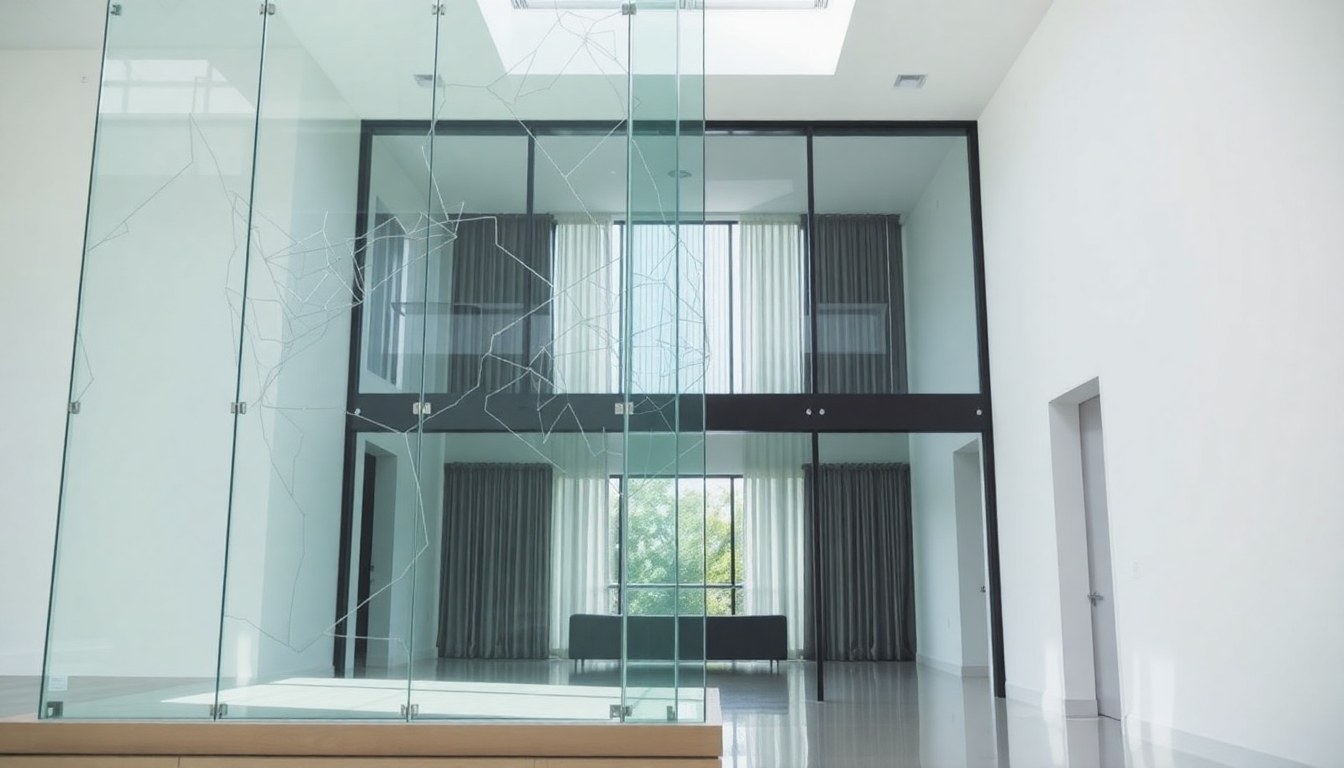
Micro-cracks in toughened glass often catch homeowners off guard—a small hairline fracture today can become a shattered pane tomorrow. Unlike ordinary glass, toughened (or tempered) glass is engineered to be stronger, but once compromised, it fails catastrophically. Understanding what causes these cracks, whether they can be repaired, and when replacement is your only option will save you time, money, and frustration.
What Are Micro-Cracks and Why Do They Matter?
Micro-cracks are tiny fractures in the glass surface that may be barely visible to the naked eye. In toughened glass, these small breaks are particularly problematic because of the material's internal stress structure. Toughened glass is manufactured by heating and rapid cooling, which creates compressive stress on the surface and tensile stress inside. This pre-stressed state makes the glass stronger under normal conditions, but it also means that once the surface is compromised—even slightly—the internal tension can cause rapid, catastrophic failure.
A micro-crack acts like a pressure release valve. The moment the glass surface is breached, the internal stress seeks an escape route, causing the crack to propagate quickly across the entire pane. This is why a small chip or hairline fracture in toughened glass often leads to sudden, complete breakage, sometimes with a loud pop or bang.
Common Causes of Micro-Cracks in Toughened Glass
Micro-cracks develop for several reasons, and identifying the cause helps determine whether repair or replacement is necessary.
- Impact damage: A small stone, tool, or blunt object striking the glass surface can create a micro-crack without obvious visible damage
- Thermal stress: Sudden temperature changes—such as cold water splashing on hot glass or direct sunlight followed by shade—cause the glass to expand and contract unevenly, creating internal stress
- Manufacturing defects: Occasionally, toughened glass contains hidden flaws or inconsistencies in the tempering process that weaken the material
- Poor installation: If the glass frame or mounting hardware is misaligned, it can place uneven pressure on the glass edges, causing micro-cracks to develop over time
- Moisture and humidity: In bathrooms and kitchens, prolonged exposure to moisture can weaken the glass-to-frame seal, leading to stress fractures
Can Micro-Cracks in Toughened Glass Be Repaired?
The honest answer is: it depends on the size, location, and severity of the crack. However, most micro-cracks in toughened glass cannot be reliably repaired, and here's why.
Why Traditional Repair Methods Don't Work
Glass repair resins and sealants work reasonably well on annealed (ordinary) glass because the material lacks internal stress. In toughened glass, however, filling a crack with resin provides only a temporary cosmetic fix. The underlying stress in the glass remains, and the resin cannot withstand the internal tension. The crack will continue to spread, and the repair will eventually fail, sometimes suddenly.
Professional glass repair specialists may attempt resin injection for very small, non-structural micro-cracks in specific locations—such as a hairline crack near the edge, away from the main load-bearing area. However, this is a short-term solution and carries risk. If the crack is in a door panel, window, or any area exposed to weather, vibration, or temperature fluctuation, repair is not recommended.
When Repair Might Be Considered
Repair is only a viable option if all of the following conditions are met:
- The crack is smaller than 5 cm in length
- The crack does not run from edge to edge
- The crack is not near a corner or edge (where stress is highest)
- The glass is not in a safety-critical location such as a shower enclosure, staircase, or vehicle
- A qualified professional assesses the damage and approves the repair
Even then, expect the repair to last months rather than years. Replacement remains the safest, most cost-effective long-term solution.
Why Cracks Spread in Toughened Glass
Understanding crack propagation is essential to preventing further damage. In toughened glass, a micro-crack spreads because of the release of internal stress.
When the glass surface is intact, the compressive and tensile stresses are balanced. The moment a crack forms, the glass tries to relieve the internal tension by expanding the crack. Environmental factors accelerate this process:
- Temperature fluctuations: Heating and cooling cause the glass to expand and contract, widening the crack
- Vibration: Wind, traffic, or machinery vibrations can cause the crack to grow incrementally
- Moisture: Water entering the crack can cause micro-fractures along the crack edges
- Pressure changes: In sealed units (double-glazed windows), pressure imbalances can push on the cracked glass, accelerating failure
Once a crack starts, it often accelerates. A hairline fracture that seems stable one day may suddenly shatter the next. This unpredictability is why professional replacement is recommended as soon as micro-cracks are detected.
Identifying Repairable vs. Irreplaceable Damage
Before deciding on a course of action, assess the damage carefully. Here's how to distinguish between minor issues and serious problems.
Signs That Replacement Is Necessary
Contact a professional immediately if you observe any of the following:
- Cracks radiating from a central impact point (star crack)
- Cracks running from edge to edge across the pane
- Multiple cracks or a network of interconnected fractures
- Cracks in safety-critical locations (shower doors, balcony railings, vehicle windows)
- Visible splintering or glass pieces separating from the main pane
- Cracks that are spreading visibly over days or weeks
- Cracks near the corners or edges of the pane (high-stress areas)
When to Observe and Monitor
If the crack is very small (under 2 cm), not spreading, and located away from edges and corners, you may safely monitor it for a short period. Document the crack's size and location with photographs, and check it weekly for growth. If the crack remains stable for 4–6 weeks and shows no signs of spreading, it may be safe to defer replacement. However, remain vigilant, especially during seasonal temperature changes.
For peace of mind and safety, consult a professional glass supplier or installer. Providers like Golden Glass House can assess the damage and recommend the best course of action.
Prevention Tips for Homeowners
Preventing micro-cracks is far easier than dealing with them after the fact. Here are practical steps to protect your toughened glass installations:
- Avoid sudden temperature changes: Don't spray cold water on hot glass or expose glass to direct sunlight followed by air conditioning. Allow temperature to change gradually
- Protect glass edges: Ensure the glass frame and mounting hardware are properly aligned and secure. Loose fittings create stress points
- Use protective films: For high-risk areas, consider safety or protective films that hold glass together if it breaks
- Regular maintenance: Check seals and frames quarterly, especially in bathrooms and kitchens. Replace weatherstripping if it's deteriorated
- Avoid impact: Be cautious with tools, sports equipment, and heavy objects near glass surfaces
- Proper installation: Always hire qualified installers. Poor installation is a leading cause of stress-related cracks. Consult professionals like Mas Glass and Plywood for expert installation
What to Do When You Discover a Micro-Crack
If you notice a micro-crack in your toughened glass, follow these steps:
- Document the damage: Take clear photographs showing the crack's size, location, and direction. Note the date
- Assess the location: Is the glass in a safety-critical area? If yes, treat it as urgent
- Monitor for growth: Check the crack daily for the first week, then weekly. Note any changes in length or direction
- Avoid stress: Don't slam doors or windows, avoid temperature extremes, and minimize vibration near the cracked glass
- Contact a professional: Call a qualified glass supplier or installer for a formal assessment. In most cases, replacement is the safest option
- Plan for replacement: Budget for replacement glass and installation. Costs vary by size and type, but budget ₹2,000–₹10,000+ for a standard window pane
Frequently Asked Questions
Can I use glass repair resin to fix a micro-crack in toughened glass?
Glass repair resins can fill a micro-crack cosmetically, but they cannot repair the underlying structural damage in toughened glass. The internal stress in toughened glass will cause the crack to continue spreading beneath the resin. Resin is a temporary fix, not a permanent solution. For safety-critical applications, replacement is strongly recommended.
How quickly do micro-cracks spread in toughened glass?
The speed of crack propagation varies. Some micro-cracks remain stable for weeks or months, while others spread rapidly—sometimes within hours or days. Temperature fluctuations, vibration, and moisture accelerate the process. There's no reliable way to predict how fast a crack will spread, which is why professional assessment and replacement are recommended as soon as damage is detected.
Is it safe to leave a micro-crack in toughened glass temporarily?
It depends on the location and size. A very small, stable crack in a non-critical area (such as a side panel of a window frame) may be safe to monitor short-term. However, any crack in a safety-critical location—such as a shower enclosure, balcony railing, or door—should be replaced immediately. The risk of sudden, catastrophic failure is too high.
What's the cost of replacing toughened glass with a micro-crack?
Replacement costs depend on the size of the pane, the type of glass, and your location. A standard window pane typically costs ₹2,000–₹5,000 for the glass plus ₹1,000–₹3,000 for professional installation. Larger panes, specialty glass, or custom sizes can cost significantly more. Get quotes from multiple suppliers to compare prices.
Can a micro-crack in toughened glass be prevented during manufacturing?
Quality control during the tempering process minimizes manufacturing defects, but no process is perfect. Reputable manufacturers test their glass and offer warranties covering defects. When purchasing toughened glass, choose certified suppliers and verify their quality standards. Proper installation by qualified professionals also prevents stress-related cracks from developing after purchase.
Get Professional Help Today
Micro-cracks in toughened glass demand prompt attention. While not every crack requires immediate replacement, delaying assessment increases the risk of sudden failure and potential injury. If you've discovered a micro-crack in your home, reach out to a qualified glass professional in your area through the glassy.in directory. Whether you need an assessment, repair, or full replacement, connecting with trusted glass suppliers and installers ensures your home remains safe and secure.