
Toughened Glass
Tempered Glass Thickness Guide for Kitchen Cabinet Doors
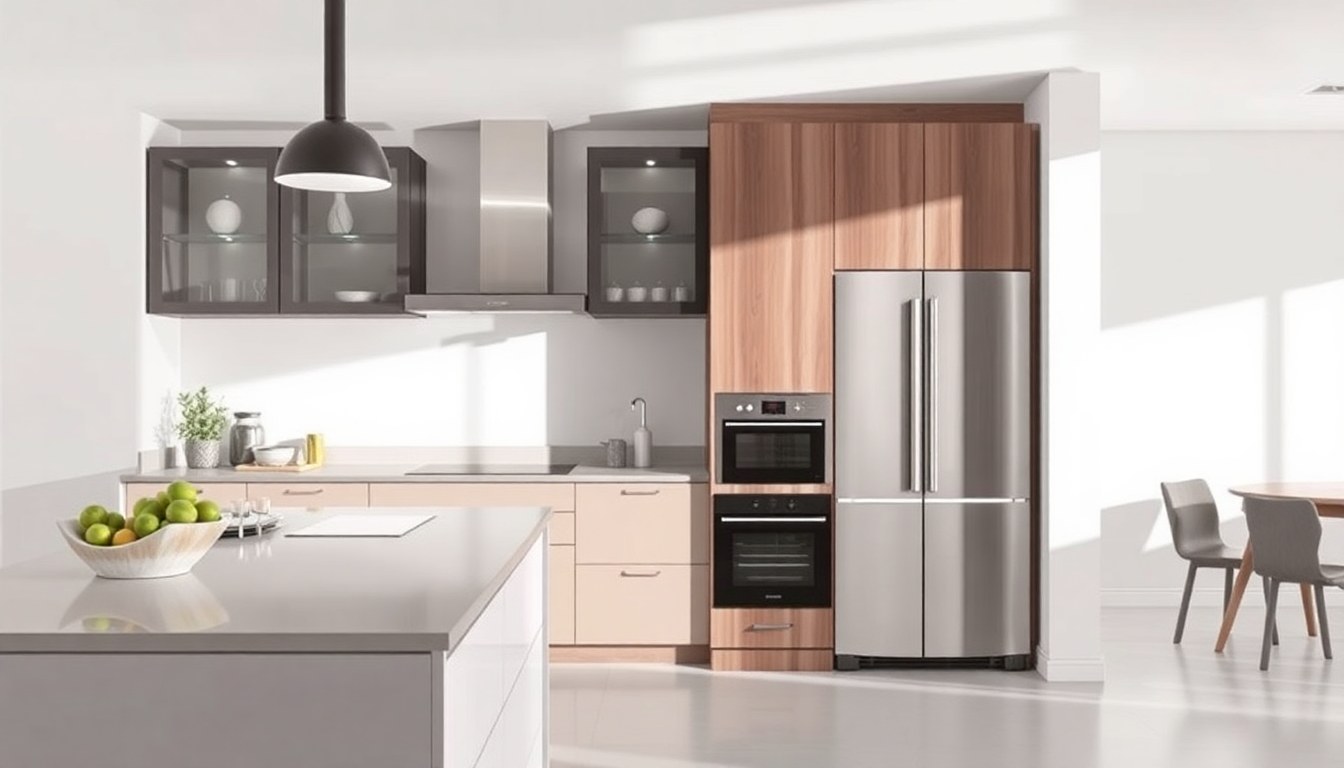
Kitchen cabinet doors made from tempered glass add elegance and openness to your cooking space while allowing you to display your dishware and décor. However, choosing the wrong thickness can lead to breakage, safety hazards, and costly replacements. This guide walks you through glass thickness options, load-bearing capacity, edge finishing standards, and practical considerations to help you select the perfect tempered glass for your kitchen cabinets.
Understanding Tempered Glass and Why Thickness Matters
Tempered glass is ordinary glass that has been heat-treated to increase its strength and safety properties. During the tempering process, the glass is heated to around 600°C and then rapidly cooled, creating compression on the outer surfaces and tension in the core. This makes tempered glass approximately four times stronger than annealed (untreated) glass and far safer when it breaks—it shatters into small, blunt pieces rather than sharp shards.
Thickness directly impacts the load-bearing capacity of your cabinet glass. Thicker glass can support heavier items without flexing or breaking, while thinner glass works well for lighter decorative pieces. The thickness you select should match both the span (distance between supports) and the weight of items you plan to display. In India, tempered glass is manufactured to IS 12600:2016 standards, which ensure quality and safety across the industry.
Common Tempered Glass Thickness Options for Kitchen Cabinets
4mm Tempered Glass
Four-millimeter tempered glass is the thinnest option commonly used for kitchen cabinet doors and shelves. It weighs approximately 10 kg per square meter, making it lightweight and easy to install. This thickness works best for cabinets with narrow spans (under 60 cm between vertical supports) and for displaying lightweight items such as ceramic plates, glassware, and decorative pieces.
The cost of 4mm tempered glass ranges from ₹150 to ₹250 per square foot in most Indian cities, making it the most budget-friendly choice. However, it has limited load capacity—typically around 50-75 kg per shelf when properly supported. If your cabinet span is wider than 60 cm or you plan to display heavier items, consider moving to thicker glass.
6mm Tempered Glass
Six-millimeter tempered glass strikes an excellent balance between strength, weight, and cost. It weighs roughly 15 kg per square meter and can handle cabinet spans up to 75-80 cm comfortably. This thickness is ideal for most residential kitchens where you display a mix of everyday dishes, serving pieces, and decorative items.
The load capacity of 6mm glass ranges from 100-150 kg per shelf, depending on support spacing and installation method. Pricing typically falls between ₹200 and ₹350 per square foot. This thickness is popular among homeowners in metro areas like Delhi, Mumbai, Bangalore, and Pune because it offers durability without excessive weight or cost.
8mm Tempered Glass
Eight-millimeter tempered glass is noticeably thicker and more robust, weighing approximately 20 kg per square meter. It can span up to 90-100 cm and supports loads of 200-250 kg per shelf. This thickness is recommended for large cabinet installations, commercial kitchens, or if you plan to display heavier items like cast-iron cookware or large serving platters.
The cost of 8mm tempered glass ranges from ₹300 to ₹450 per square foot. While more expensive than thinner options, the increased durability and load capacity justify the investment for high-use kitchens. The glass is also less prone to visible flexing or bowing over time.
10mm and 12mm Tempered Glass
Ten-millimeter and 12-millimeter tempered glass represent the premium end of the spectrum, weighing 25 kg and 30 kg per square meter respectively. These thicknesses are typically reserved for commercial installations, very large cabinet spans (over 100 cm), or applications requiring maximum load capacity (300+ kg per shelf).
Pricing for 10mm glass starts at ₹450 per square foot and can exceed ₹600 per square foot for 12mm. These options are rarely necessary for residential kitchens but offer unmatched durability and visual presence. The thicker glass also provides better sound insulation and a more premium feel.
Load Capacity and Span Considerations
Load capacity depends on three factors: glass thickness, span between supports, and edge support method. A 6mm tempered glass shelf supported at both ends can hold significantly more weight than a 6mm shelf with a center support only. The following table provides general guidelines for residential kitchen use:
- 4mm glass, 60 cm span: 50-75 kg capacity
- 6mm glass, 75 cm span: 100-150 kg capacity
- 8mm glass, 90 cm span: 200-250 kg capacity
- 10mm glass, 100 cm span: 250-300 kg capacity
- 12mm glass, 120 cm span: 300+ kg capacity
Always measure the distance between your cabinet frame's vertical supports before ordering glass. If your span exceeds the safe limit for your chosen thickness, you'll need either thicker glass or additional support brackets. Professional installers in Indian cities typically recommend adding a center support for any span exceeding 80 cm, regardless of thickness.
Edge Finishing and Safety Standards
The edges of tempered glass cabinet doors require proper finishing for both safety and aesthetics. Unfinished edges are sharp and dangerous, while polished edges enhance the overall appearance of your kitchen.
Edge Finishing Options
- Polished Edge: Creates a smooth, beveled edge that catches light beautifully. Adds ₹20-40 per running meter to the cost but significantly improves appearance.
- Seamed Edge: A simpler finish that removes sharp corners without the beveled look. Costs ₹10-20 per running meter and is a practical choice for budget-conscious buyers.
- Silk-Screen Printing: Frosted or patterned edges provide privacy while maintaining elegance. Adds ₹30-60 per running meter depending on design complexity.
All tempered glass supplied in India must comply with IS 12600:2016 standards, which mandate proper edge finishing and quality testing. Always request a certificate of compliance from your supplier, confirming that the glass has been tested and meets safety requirements.
Practical Selection Guide for Your Kitchen
To choose the right thickness, answer these questions about your kitchen cabinet setup:
- What is the span between supports? Measure the distance between vertical frame members. Spans under 60 cm allow 4mm glass; 60-80 cm requires 6mm; 80-100 cm needs 8mm.
- What will you display? Lightweight decorative items and everyday dishes suit 4-6mm glass. Heavy cookware, serving platters, or large collections require 8mm or thicker.
- How many shelves do you need? Multiple shelves increase the total cost. Consider whether thicker glass for fewer shelves might be more practical than thinner glass for more shelves.
- What is your budget? Factor in glass cost, edge finishing, installation, and hardware. In India, a complete cabinet glass installation typically costs ₹3,000-₹15,000 depending on size and specifications.
- Do you prioritize aesthetics or durability? Polished edges and thicker glass look more premium but cost more. Functional, clean installations may use seamed edges and standard thickness.
Installation Tips and Maintenance
Proper installation ensures your tempered glass cabinet doors last for years without issues. Always use stainless steel or aluminum frames to avoid rust staining the glass. Tempered glass should be mounted using rubber gaskets or silicone sealant to provide slight flexibility and reduce stress on the glass edges.
Maintenance is straightforward—clean tempered glass with a soft microfiber cloth and mild glass cleaner. Avoid abrasive scrubbers that can scratch the surface. Tempered glass resists thermal shock better than regular glass, but avoid sudden temperature changes (such as placing very hot cookware directly against cold glass). Check mounting hardware periodically, especially in humid kitchens common in coastal Indian cities, to ensure brackets remain secure.
Frequently Asked Questions
Can I use regular annealed glass for kitchen cabinet doors instead of tempered glass?
Technically yes, but it's not recommended. Annealed glass is significantly weaker and shatters into large, dangerous shards if broken. Tempered glass is legally required for cabinet doors in most building codes and is essential for kitchen safety, especially around food preparation areas. The small price difference makes tempered glass the obvious choice.
What thickness should I choose for a narrow cabinet with a 50 cm span?
For a 50 cm span, 4mm tempered glass is sufficient if you're displaying lightweight items like plates and glasses. However, 6mm glass is a safer choice that provides better durability and visual stability without significant cost increase. It also allows you to display slightly heavier items without concern.
Does thicker glass really look better in kitchens?
Yes, thicker glass generally appears more substantial and premium. It has more visual presence, reflects light differently, and feels more solid when you open the cabinet door. The difference between 4mm and 8mm is quite noticeable, though the improvement from 6mm to 8mm is more subtle. Polished edges further enhance the appearance regardless of thickness.
How much does tempered glass cost for a standard kitchen cabinet?
For a typical kitchen cabinet door measuring 40 cm × 60 cm (0.24 square meters), expect to pay ₹1,000-₹2,500 depending on thickness and edge finishing. A full cabinet with multiple shelves might cost ₹5,000-₹12,000. Prices vary by location and supplier—major cities like Delhi and Mumbai may have competitive pricing due to higher demand.
Is tempered glass safe if it breaks?
Yes, tempered glass is specifically designed to be safer than regular glass. When it breaks, it shatters into small, relatively blunt pieces rather than sharp shards. This significantly reduces injury risk. However, breakage is still uncommon with proper installation and normal kitchen use. Tempered glass meets strict safety standards in India and worldwide.
Selecting the right tempered glass thickness for your kitchen cabinets is an investment in both functionality and aesthetics. Whether you choose 4mm for a compact spice cabinet or 8mm for an expansive display wall, proper thickness ensures your glass doors remain beautiful and safe for years to come. Ready to upgrade your kitchen? Browse verified glass suppliers and manufacturers on glassy.in, India's largest glass-business directory, to find the perfect tempered glass solutions for your home.