
Toughened Glass
How to Prevent Thermal Stress Cracks in Large Toughened Glass Panels
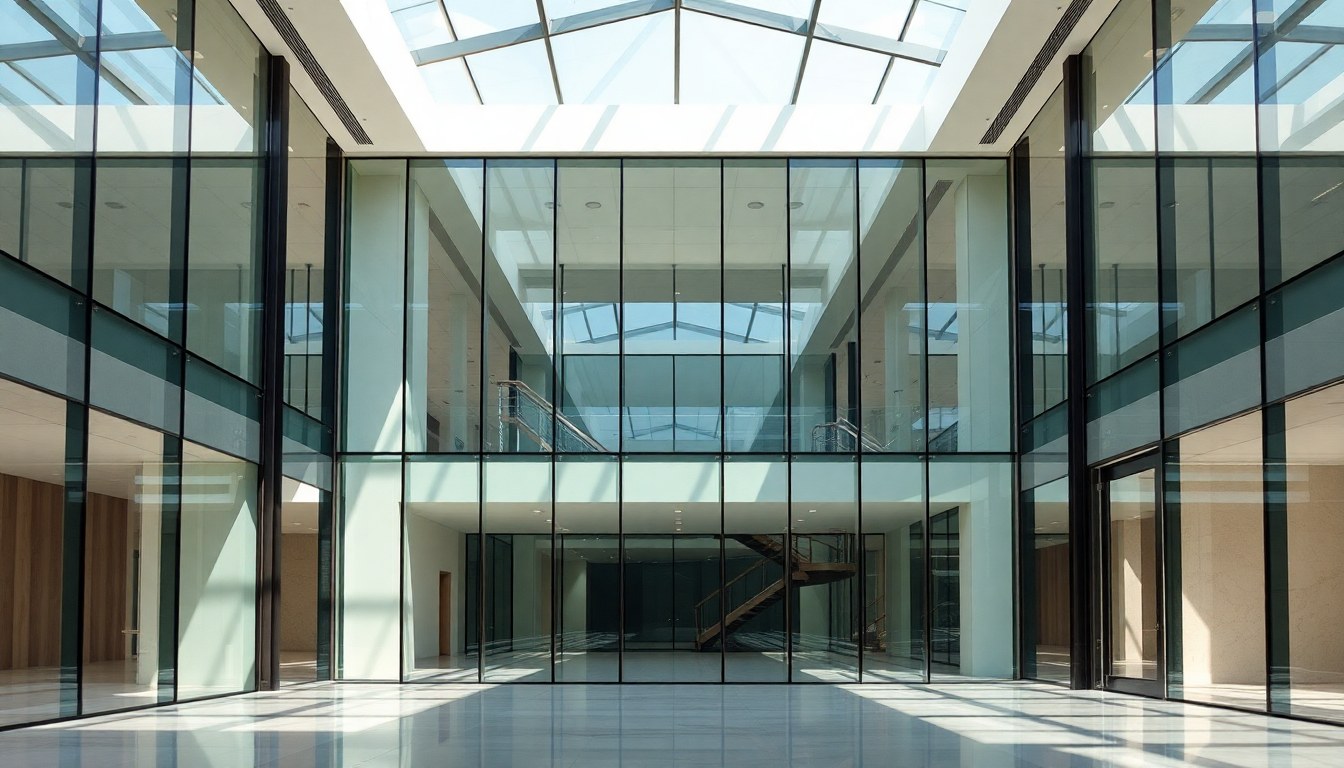
Thermal stress cracks in toughened glass panels represent one of the most frustrating challenges in the glazing industry, often occurring weeks or months after installation without any apparent external damage. These spontaneous fractures happen because tempered glass is under intense internal stress, and rapid temperature fluctuations can push that stress beyond the material's tolerance, causing sudden and complete failure. Understanding the science behind thermal shock and implementing proper prevention strategies is essential for architects, contractors, and glass manufacturers across India who work with large toughened glass installations.
Understanding Thermal Stress in Tempered Glass
Tempered or toughened glass undergoes a specialized heat-treatment process where the glass is heated to approximately 620°C and then rapidly cooled. This creates a state of compression on the glass surface and tension in the core—a stress pattern that makes tempered glass five times stronger than annealed glass under impact. However, this same internal stress structure makes toughened glass vulnerable to thermal shock when exposed to sudden temperature changes.
When a large toughened glass panel experiences rapid heating or cooling—such as direct sunlight hitting one side while the other remains shaded, or cold water splashing on a warm panel—different areas of the glass expand or contract at different rates. This differential expansion creates additional stress that combines with the residual stress already present in the tempered glass. If this combined stress exceeds the glass's tensile strength, spontaneous fracture occurs, typically originating from microscopic impurities or stress concentrations within the material.
Why Large Panels Are More Vulnerable
Larger toughened glass panels are inherently more susceptible to thermal stress cracks because they have greater surface area exposed to temperature variations. A 2-meter by 3-meter facade panel experiences more significant temperature differentials across its surface than a smaller 1-meter by 1-meter panel. Additionally, the larger mass of glass takes longer to reach thermal equilibrium, prolonging the period during which internal stresses are elevated.
Material Selection and Quality Control
The foundation of thermal stress prevention begins with selecting high-quality glass and working with reputable manufacturers. Not all toughened glass is created equal, and the quality of the raw material significantly impacts resistance to thermal shock.
Choosing the Right Glass Type
Heat-strengthened glass offers an alternative to fully tempered glass in applications where thermal stress is a concern. While heat-strengthened glass is only twice as strong as annealed glass (compared to five times for tempered glass), it carries significantly lower residual stress levels. For large facade panels in Indian climates with extreme temperature variations, heat-strengthened glass may provide a better balance between strength and thermal stability. Consult with your glass supplier about whether your application would benefit from heat-strengthening instead of full tempering.
Low-iron or extra-clear glass formulations are also worth considering, as they contain fewer impurities that could serve as initiation points for thermal cracks. Standard soda-lime glass may contain trace elements that create microscopic stress concentrations. In applications where appearance and thermal performance are both critical, the marginal cost difference of premium glass is often justified by improved durability.
Importance of Supplier Certification
Work exclusively with glass manufacturers who hold Indian Standards (IS) 5514 certification for toughened glass. Certified manufacturers follow strict quality control protocols including:
- Rigorous inspection for surface and subsurface defects before tempering
- Precise temperature monitoring during the heat-treatment process
- Edge polishing to remove stress-concentrating sharp edges
- Surface quality verification using polariscope testing
- Documentation of tempering parameters for traceability
Request material test certificates and ask about the manufacturer's thermal shock testing protocols. Reputable suppliers in metros like Bangalore, Mumbai, and Delhi will have no hesitation providing this documentation.
Installation Best Practices
Even perfectly manufactured toughened glass can fail if installation practices don't account for thermal stress. The way panels are mounted, sealed, and protected during and after installation dramatically affects their long-term performance.
Proper Framing and Support
Large toughened glass panels must be installed in frames that allow for thermal expansion and contraction. Aluminum or steel frames should include:
- Adequate clearance between glass edges and frame (typically 6-10mm depending on panel size)
- Compressible glazing gaskets that accommodate movement without transmitting stress to the glass
- Silicone sealants rated for high movement capability (typically 25% or greater)
- Structural support that prevents frame deflection, which would concentrate stress on the glass
Never use rigid, non-compressible materials like cement or putty for mounting toughened glass. These materials prevent the natural thermal movement of the glass and can cause edge stress concentrations that lead to thermal cracks.
Avoiding Edge Stress
The edges of toughened glass panels are particularly vulnerable to thermal stress initiation. Ensure that:
- All edges are properly polished and chamfered (not sharp)
- Edge sealants do not create a rigid seal that prevents glass movement
- Glazing compound is applied with proper depth and width to accommodate thermal expansion
- Metal frames do not directly contact glass edges; use gasket materials as intermediaries
Many thermal cracks originate from microfractures that develop at glass edges when rigid mounting systems prevent thermal movement. Flexible gasket systems distribute stress more evenly across the glass surface.
Environmental Control and Protection
Once toughened glass panels are installed, managing their thermal environment during both the construction phase and operational life is critical for preventing thermal stress cracks.
During Construction and Commissioning
The period immediately after installation is when thermal cracks most commonly occur. Newly installed glass is exposed to significant temperature variations as the building's HVAC systems are commissioned and external temperatures fluctuate. Implement these protective measures:
- Avoid direct sunlight exposure on one side of the panel while the other side remains shaded during the first 2-4 weeks after installation
- If possible, use temporary shading or reflective films to moderate temperature differentials
- Ensure HVAC systems are balanced to avoid creating hot or cold spots near glass panels
- Delay final glass cleaning until the building has stabilized thermally (typically 4-6 weeks)
- Protect panels from water spray or washing during the first month of installation
Long-Term Operational Management
In operational buildings, especially those with large facade panels, consider these strategies:
- Install external shading: Automated blinds or external screens reduce peak solar heating on glass surfaces
- Manage interior temperature: Maintain consistent indoor temperatures to reduce the temperature differential across glass
- Regular inspection: Periodically inspect panels for hairline cracks or stress patterns, particularly after extreme weather events
- Avoid thermal shock: Do not spray cold water on warm glass panels during cleaning or maintenance
In Indian climates with intense monsoon seasons and extreme summer heat, these precautions are particularly important. The rapid temperature swings between pre-monsoon heat and sudden cooling can create significant thermal stress.
Specific Considerations for Indian Climate Conditions
India's diverse climate zones present unique thermal stress challenges for toughened glass installations. In hot, dry regions like Rajasthan and Gujarat, daytime-to-nighttime temperature swings can exceed 20°C, while coastal areas like Kerala and Goa experience high humidity and salt spray that can affect gasket performance. Northern cities like Delhi and Chandigarh face extreme seasonal variations.
For installations in these regions, specify gaskets and sealants specifically rated for Indian climate conditions. EPDM and silicone gaskets perform differently in high-heat versus high-humidity environments. Consult with local glass installers who understand regional climate patterns—they can recommend material specifications and installation techniques proven to perform in your specific location.
Additionally, Indian building codes and standards (particularly IS 2911 for windows and IS 5514 for toughened glass) should inform all design and installation decisions. Working with contractors familiar with these standards reduces the risk of non-compliant installations that may not adequately account for thermal stress.
Frequently Asked Questions
What is the typical temperature difference that causes thermal stress cracks in tempered glass?
Thermal stress cracks can occur with temperature differentials as small as 15-20°C across a large toughened glass panel, though the risk increases significantly above 30°C. The critical factor is not just the absolute temperature difference but how quickly that difference develops. A gradual 40°C change over several hours may be tolerable, while a rapid 20°C change in minutes can trigger cracking. The exact threshold depends on panel size, glass thickness, and the location and magnitude of the temperature gradient.
Can thermal stress cracks be repaired, or must the entire panel be replaced?
Unfortunately, toughened glass cannot be repaired once cracked. The internal stress state means that any crack will propagate catastrophically, causing the entire panel to fracture into small cubes within seconds or minutes. If a thermal stress crack is detected, the panel must be completely replaced. This is why prevention is far more cost-effective than managing failures after they occur.
Is heat-strengthened glass better than tempered glass for preventing thermal cracks?
Heat-strengthened glass has lower residual stress than fully tempered glass, making it more resistant to thermal shock. However, it is also significantly weaker in terms of impact resistance. The choice depends on your application's priorities. For large facade panels where thermal stress is the primary concern and impact resistance is less critical, heat-strengthened glass may be preferable. For applications requiring both high strength and thermal stability, consult with a structural glass engineer to determine the best option for your specific project.
How long after installation should I wait before considering the glass thermally stable?
Most thermal stress cracks occur within the first 4-6 weeks after installation, as the building reaches thermal equilibrium and HVAC systems are commissioned. However, cracks can develop months later if the building experiences unusual weather patterns or if operational conditions change significantly. A reasonable timeline for considering the installation stable is 8-12 weeks, but continued caution regarding rapid temperature changes should be maintained throughout the panel's operational life.
What role does glass thickness play in thermal stress resistance?
Thicker glass panels generally have better thermal stress resistance than thinner panels because they heat and cool more slowly, reducing the rate of internal stress development. However, thicker glass also has higher absolute stress levels due to its mass. For large panels, a thickness of at least 8-10mm is recommended to balance thermal performance with structural capability. Your structural engineer and glass supplier should collaborate to determine the optimal thickness for your specific application and climate zone.
Conclusion
Preventing thermal stress cracks in large toughened glass panels requires a comprehensive approach spanning material selection, proper installation, and ongoing environmental management. By choosing certified manufacturers, specifying appropriate glass types, implementing flexible mounting systems, and protecting panels during the critical post-installation period, you can virtually eliminate the risk of spontaneous thermal failure. In India's challenging climate conditions, these precautions are not optional—they are essential for ensuring the longevity and safety of glass installations.
Whether you are specifying glass for a commercial facade in Bangalore, a residential project in Mumbai, or an industrial facility in Pune, prioritize working with experienced glass suppliers and installers who understand thermal stress prevention. Visit the glassy.in directory to connect with certified glass manufacturers and installation specialists across India who can help you select and install toughened glass panels designed to withstand your local climate conditions.