
Toughened Glass
Low-E Coating vs Standard Toughened Glass: Energy Savings Explained
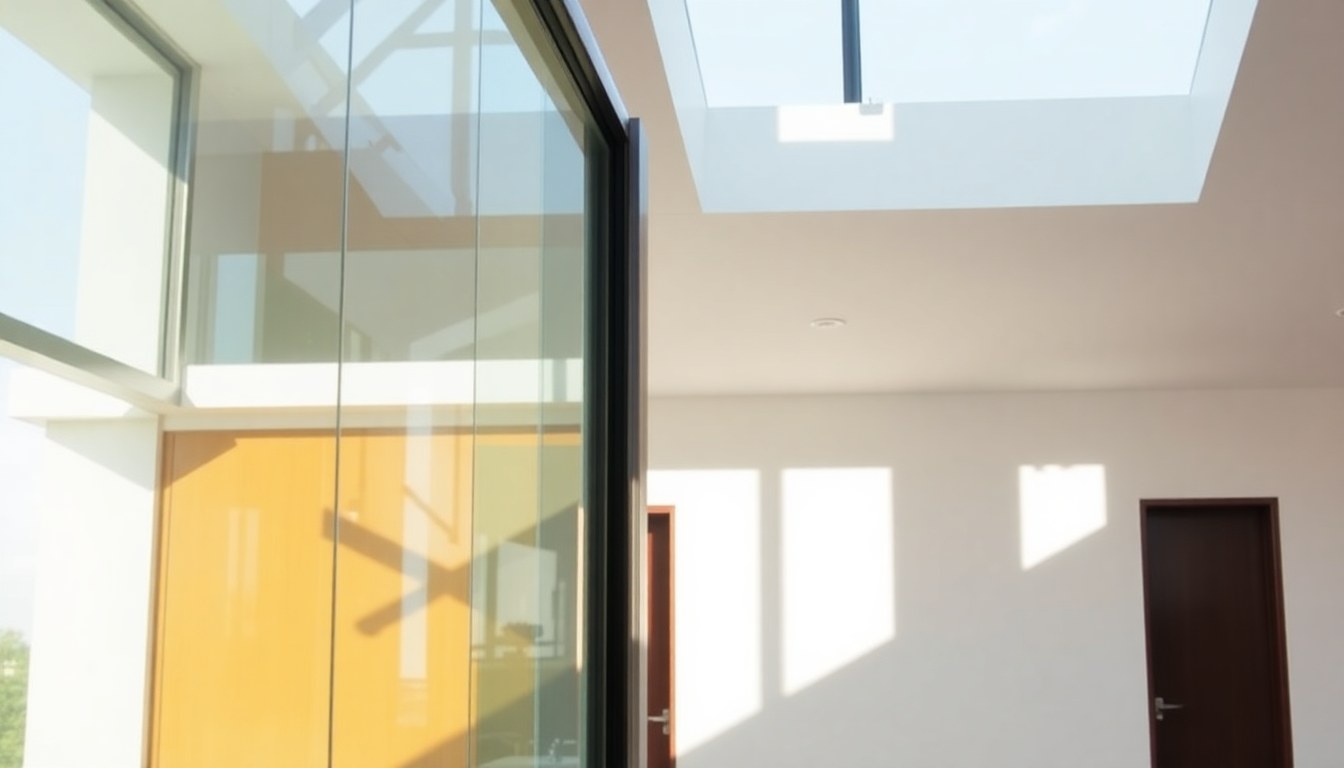
If you're building or renovating a home in India, choosing the right window glass can reduce your air-conditioning costs by 20–30% annually. Low-E (low-emissivity) coated glass and standard toughened glass serve different purposes: one prioritizes thermal efficiency, the other durability. Understanding their differences helps you make an investment that pays for itself through lower energy bills while keeping your home safe and comfortable year-round.
What Is Low-E Coating and How Does It Work?
Low-E coating is a microscopically thin metallic layer—typically silver, tin oxide, or titanium oxide—applied to glass surfaces. This invisible coating reflects infrared (heat) radiation while allowing visible light to pass through. In India's intense summer heat, this property is invaluable: it bounces back the sun's thermal energy before it enters your home, keeping indoor temperatures lower without blocking daylight.
The coating works through a principle called selective transmission. While ordinary glass absorbs and re-radiates heat (warming your interior), low-E glass reflects up to 70% of solar heat back outdoors. During winter, the same coating helps retain indoor warmth by reflecting it back inward—a dual benefit that matters even in India's mild winters, especially in northern and hilly regions.
Types of Low-E Coatings
- Hard-coat (pyrolytic): Applied during glass manufacturing at high temperatures. More durable, better for exterior-facing surfaces.
- Soft-coat (sputtered): Applied after manufacturing in controlled environments. Offers superior insulation but requires protection in sealed units.
Standard Toughened Glass: Strength Without Thermal Control
Toughened (tempered) glass is regular glass heated to 650°C and then rapidly cooled. This process increases its strength by 4–5 times, making it resistant to impacts, thermal shock, and weather changes. When toughened glass breaks, it shatters into small, harmless granules rather than dangerous shards—a critical safety feature for homes, especially those with children or pets.
However, standard toughened glass offers no thermal insulation. It conducts heat freely, allowing solar radiation to pass through unimpeded. In India's climate, this means your air conditioner works harder to compensate, consuming more electricity. The glass itself is durable and safe, but energy-inefficient on its own.
When Standard Toughened Glass Makes Sense
- Interior partitions and non-exterior applications
- Bathrooms, kitchens, and wet areas where moisture resistance matters more than thermal control
- Budget-conscious renovations where safety is the priority
- Regions with cooler climates where heat gain is minimal
Energy Savings: Real Numbers for Indian Homes
Energy savings from low-E glass depend on your climate zone, window orientation, and current cooling system. Studies in India's metropolitan areas show measurable reductions in cooling loads:
- Delhi and North India: 15–25% reduction in summer cooling energy (due to intense, sustained heat)
- Mumbai and coastal regions: 10–18% reduction (humid climate, moderate temperature swings)
- Bangalore and hill stations: 8–15% reduction (milder summers, cooler winters)
For a typical 2,500 sq. ft. home in Delhi running air conditioning 8 hours daily during summer (May–September), switching from standard glass to low-E coated glass can save ₹2,500–₹5,000 per month during peak season. Over a year, savings range from ₹15,000–₹30,000, depending on usage patterns and electricity tariffs.
Factors That Influence Savings
- Window area and orientation: West and south-facing windows benefit most from low-E coating in India
- Shading and landscaping: External shading (trees, overhangs) amplifies low-E benefits
- Building insulation: Well-insulated homes maximize the impact of low-E glass
- Cooling system efficiency: Modern, well-maintained air conditioners extract greater benefit from thermal glass
Cost Comparison and Return on Investment
Low-E coated toughened glass costs 40–70% more than standard toughened glass in India. A typical 4mm low-E coated toughened glass unit costs ₹400–₹600 per square foot, compared to ₹250–₹350 for standard toughened glass. For a home with 200 sq. ft. of windows, the premium ranges from ₹30,000–₹50,000.
However, the return on investment (ROI) becomes attractive over 5–10 years. If your home saves ₹20,000 annually through reduced cooling costs, the initial ₹40,000 premium is recovered in just 2 years. Beyond that, every year delivers pure savings. When combined with government incentives for energy-efficient construction (such as GRIHA or LEED certification benefits), the financial case strengthens further.
Long-Term Cost Benefits
- Reduced peak-hour electricity demand charges (relevant for commercial and large residential properties)
- Lower maintenance costs for air conditioning systems (less strain, longer lifespan)
- Improved property resale value (energy-efficient homes command 3–5% premium in metro markets)
- Potential tax benefits under Energy Conservation Building Code (ECBC) compliance
Installation and Maintenance Considerations
Both low-E and standard toughened glass require professional installation to ensure sealing and proper framing. Low-E coated glass, especially soft-coat variants, must be installed in sealed double-glazed units (IGUs) to protect the coating from moisture and oxidation. Standard toughened glass can be used in single-pane or double-glazed configurations.
Maintenance is straightforward for both types. Regular cleaning with soft cloths and mild detergent preserves clarity and coating performance. Avoid abrasive cleaners or harsh chemicals that might damage the low-E layer. Professional architects like Priya Architectural Solutions and 78 Design Studio can guide you on proper installation and maintenance protocols tailored to your home's design.
Choosing the Right Glass for Your Indian Home
Your choice depends on your priorities, climate, and budget. If energy efficiency and long-term savings are your goals—especially in hot regions like Delhi, Mumbai, or Hyderabad—low-E coated toughened glass is the superior choice. If you're renovating on a tight budget or focusing on interior safety, standard toughened glass delivers durability without the thermal premium.
For maximum performance, combine low-E glass with complementary strategies: external shading (overhangs, louvers, or landscaping), proper ventilation, and reflective window films. Interior designers such as Satya Interiors and SIRA INTERIORS can integrate these elements into a cohesive design that balances aesthetics with performance.
For commercial or large residential projects, energy modeling software can calculate precise savings based on your building's geometry, location, and occupancy. This data-driven approach justifies the low-E investment to stakeholders and ensures optimal glass selection.
Frequently Asked Questions
Does low-E glass reduce natural light or create a tint?
No. Quality low-E coatings transmit 70–80% of visible light, maintaining brightness and clarity. The coating is invisible to the naked eye and does not create noticeable tinting. You get the same daylight and outdoor views as standard glass, with the added benefit of heat rejection.
Can low-E coating be applied to existing windows?
Retrofitting low-E coating onto existing single-pane glass is not practical or cost-effective. The best approach is to replace old windows with new low-E toughened glass units during renovation. This also improves structural safety and sealing performance.
Is low-E glass worth the investment in regions like Bangalore with mild climates?
Yes, but the ROI timeline is longer. Even in cooler climates, air conditioning runs year-round in modern Indian homes. Low-E glass delivers 8–15% savings in places like Bangalore, translating to ₹8,000–₹15,000 annually. The payback period extends to 3–5 years but remains economically sound, especially when factoring in increased property value.
What is the lifespan of low-E coating?
High-quality low-E coatings, especially hard-coat variants, last 20–30 years without degradation. Soft-coat low-E in sealed double-glazed units is equally durable if the seal remains intact. Regular maintenance and avoiding harsh chemicals ensure optimal performance throughout the coating's life.
Can low-E glass be combined with other glazing technologies?
Absolutely. Low-E coatings work excellently in double or triple-glazed units with inert gas fills (argon or krypton), vacuum-sealed panes, and spacer bars. These combinations deliver superior insulation and are ideal for premium homes and commercial buildings seeking maximum energy efficiency.
Make the Smart Choice for Your Home
Whether you choose low-E coated glass or standard toughened glass, the decision shapes your home's comfort, safety, and operating costs for decades. In India's hot climate, low-E coating delivers measurable energy savings and improved indoor comfort, making it a worthwhile investment for most homeowners. Connect with experienced architects and interior designers through glassy.in to explore glass options tailored to your project, budget, and climate. Browse our directory of trusted glass suppliers, installers, and design professionals across India to get personalized recommendations and competitive quotes.