
Toughened Glass
Tinted Glass for Retail Shopfronts: Branding, Privacy & UV Protection
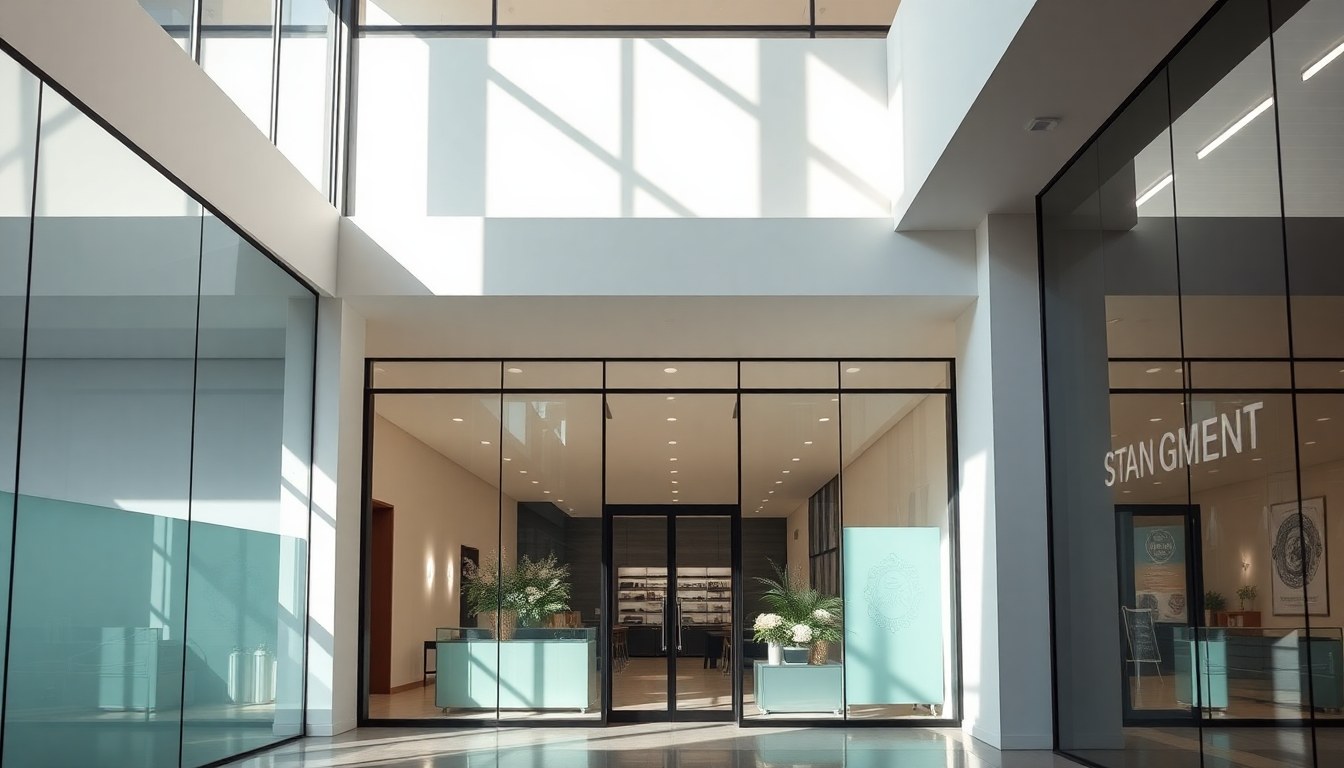
Tinted glass has become a cornerstone of modern retail design, offering retailers a powerful tool to strengthen brand identity while protecting merchandise and customers. Whether you're running a luxury boutique in Mumbai, a tech store in Bangalore, or a jewelry shop in Delhi, the right tint can elevate your storefront's visual appeal, reduce heat and glare, and safeguard valuable inventory from UV damage. This guide explores how tinted glass works for retail spaces, the relationship between tint depth and visibility, and how to balance branding goals with practical functionality.
Understanding Tinted Glass and Its Role in Retail
Tinted glass refers to glass that has been treated with a colored coating or dye to reduce light transmission and alter its appearance. For retail shopfronts, tinted glass serves multiple purposes: it acts as a visual statement, controls interior lighting, enhances privacy, and protects merchandise from harmful ultraviolet (UV) radiation. Unlike plain glass, which allows 90% of visible light to pass through, tinted variants can reduce transmission to 50% or lower, depending on the tint strength.
Retail shopfronts in India increasingly use tinted glass because it addresses the intense sun exposure in most regions. The Indian subcontinent receives strong UV rays year-round, making UV protection not just a luxury but a practical necessity for businesses selling textiles, cosmetics, artwork, or food products. Tinted glass also helps reduce air-conditioning costs by minimizing solar heat gain, a significant advantage for retail spaces in warm climates.
Types of Tinted Glass for Retail Applications
Several tinting technologies are available for shopfronts:
- Absorptive Tint: Colored pigments embedded in the glass absorb light and heat. Common colors include bronze, gray, and green. This type is cost-effective and widely used in India.
- Reflective Tint: A metallic coating on the glass surface reflects sunlight. Reflective glass creates a mirror-like appearance from outside while allowing controlled visibility inward. Premium option for high-end retail.
- Low-E (Low Emissivity) Tint: Engineered to reduce heat transfer while maintaining visibility. Ideal for climate-controlled retail environments.
- Smart/Switchable Glass: Electrochromic glass that changes tint intensity with electrical current. Cutting-edge but expensive; used by ultra-premium brands.
For most Indian retailers, absorptive and reflective tints offer the best balance of cost, durability, and aesthetic impact.
Tint Depth and Its Impact on Brand Visibility
The darkness of tinted glass—measured as Visible Light Transmission (VLT) percentage—directly affects how customers perceive your shopfront and products. VLT ranges from 0% (completely opaque) to 100% (clear glass). Understanding this spectrum is crucial for retail success.
A higher VLT (60–80%) means more light enters the store, allowing customers to see products clearly from the street. This works well for fashion retailers, electronics stores, and food outlets where visual appeal of merchandise drives foot traffic. A lower VLT (20–40%) creates a more exclusive, mysterious aesthetic—ideal for luxury brands, high-end jewelry stores, or nightlife venues. However, extremely dark tints can discourage window shopping because potential customers cannot see what's inside.
Balancing Tint Depth with Product Display
The key is matching tint depth to your business model. A cosmetics brand in a mall might choose 50–60% VLT to showcase products while reducing glare and UV exposure. A designer boutique might opt for 30–40% VLT to create an air of exclusivity. Grocery and beverage retailers typically avoid heavy tinting because fresh produce and packaged goods need to be visible and appealing.
Many successful retail chains in India use medium-depth tints (40–50% VLT) as a compromise: they reduce heat and UV damage, maintain brand consistency, and still allow adequate product visibility. Testing samples on your actual storefront before committing to full installation is strongly recommended, as lighting conditions vary significantly between locations.
UV Protection and Merchandise Preservation
One of the most underrated benefits of tinted glass is its ability to protect merchandise from UV radiation. Sunlight causes fading in textiles, paper, artwork, and organic products. In India's sunny climate, this degradation happens rapidly—colors can fade noticeably within months of continuous sun exposure.
Standard tinted glass blocks 99% of UV-A and UV-B rays, significantly extending the lifespan of displayed merchandise. This is particularly valuable for:
- Fashion and apparel retailers (colors remain vibrant longer)
- Bookstores and stationery shops (paper doesn't yellow as quickly)
- Art galleries and antique dealers (paintings and artifacts preserve their original hues)
- Food and beverage outlets (packaged goods maintain quality)
- Cosmetics and skincare brands (products remain stable)
By investing in UV-protective tinted glass, retailers reduce inventory loss and maintain the premium appearance of their products, which directly impacts customer perception and sales. The cost savings from reduced product damage often justify the initial investment in high-quality tinted glass within 2–3 years.
Branding and Aesthetic Advantages
Tinted glass is a branding tool in its own right. The color and reflectivity of your shopfront glass contribute to brand recognition and customer psychology. A consistent tint color across multiple store locations reinforces brand identity, much like a logo or color scheme does.
Luxury brands often use reflective or dark-tinted glass to project exclusivity and sophistication. Tech companies frequently choose neutral grays or bronzes to convey modernity and professionalism. Warm-toned tints (bronze, amber) create a welcoming, approachable feel suitable for casual retail. Cool-toned tints (gray, blue) suggest innovation and cutting-edge aesthetics.
Creating Visual Impact Without Sacrificing Function
The best retail shopfronts combine aesthetic tinting with strategic lighting design. Interior lighting that highlights products against tinted glass creates a compelling window display even when external light is reduced. Many Indian retailers use LED accent lighting inside to compensate for reduced natural light transmission, creating dramatic displays that attract customers day and night.
Reflective tints deserve special mention: they offer a two-way benefit. During the day, they reflect the street and surroundings, creating a sleek, modern appearance. At night, with interior lights on, they become transparent windows showcasing your products. This dynamic quality makes reflective tints particularly popular in metropolitan areas like Mumbai, Delhi, and Bangalore.
Customer Comfort and Store Environment
Tinted glass improves the interior environment of retail spaces by reducing glare, controlling temperature, and creating a more comfortable shopping experience. Excessive sunlight through clear glass causes glare, which fatigues eyes and makes it difficult for customers to view products or read price tags. Tinted glass softens this glare significantly.
Temperature control is another practical benefit. Tinted glass reduces solar heat gain by 30–50%, depending on the tint type and darkness. In Indian summers, this translates to lower air-conditioning loads, reduced energy bills, and a more pleasant shopping environment. Customers are more likely to linger and browse in a cool, comfortable space, which increases dwell time and purchase likelihood.
Privacy is an additional advantage, particularly for fitting rooms, back-office areas, or jewelry displays. Reflective tints prevent passersby from seeing inside while allowing staff to monitor the storefront from within. This balance of transparency and privacy is crucial for retail security and customer discretion.
Installation and Maintenance Considerations
Tinted glass for shopfronts is typically installed as part of a frameless or framed glazing system. In India, toughened (tempered) tinted glass is the standard for retail applications because it's stronger, safer, and complies with building codes. Toughened glass is heat-treated to increase its strength, and tinting can be applied before or after tempering, depending on the type.
Installation should always be handled by certified professionals. Improper installation can lead to leaks, structural issues, and compromised tint performance. Reputable glass suppliers in major Indian cities—including Mumbai, Bangalore, Delhi, Hyderabad, and Pune—offer installation services and warranties.
Maintenance Tips for Tinted Glass Shopfronts
Maintaining tinted glass is straightforward:
- Clean regularly with a soft cloth and mild glass cleaner to prevent dust buildup and maintain clarity.
- Avoid abrasive cleaners or rough materials that can scratch the tint coating.
- Inspect for chips or cracks, especially in high-traffic areas, and repair promptly to prevent water ingress.
- For reflective tints, clean both sides regularly to maintain the mirror-like appearance.
- Check seals and frames annually to ensure weatherproofing, particularly before monsoon seasons in India.
Quality tinted glass, when properly installed and maintained, lasts 15–20 years or more, making it a durable investment in your retail space.
Cost Considerations and ROI
Tinted glass costs vary based on tint type, thickness, and size. In India, basic absorptive tinted glass ranges from ₹400–₹800 per square meter, while reflective or specialty tints can cost ₹800–₹1,500 per square meter or higher. Installation adds ₹100–₹300 per square meter depending on complexity and location.
For a typical shopfront of 100 square meters, budget ₹60,000–₹1,50,000 for materials and installation. While this is a significant upfront cost, the return on investment comes through reduced energy expenses, extended merchandise lifespan, improved customer experience, and enhanced brand perception. Many retailers recover their investment within 3–5 years.
Frequently Asked Questions
Does tinted glass reduce the visibility of products inside my retail store?
Tinted glass does reduce light transmission, but the impact on product visibility depends on tint depth. Medium-depth tints (40–50% VLT) allow sufficient light for customers to see products clearly while providing UV protection and heat reduction. Extremely dark tints (below 20% VLT) may require interior accent lighting to showcase merchandise effectively. Testing samples on your actual storefront is the best way to assess visibility for your specific products and location.
Is tinted glass suitable for all types of retail businesses?
Tinted glass works well for most retail applications, but some businesses benefit more than others. Fashion, jewelry, cosmetics, and specialty stores gain significant advantages from tinted glass's UV protection and branding appeal. Grocery stores and produce markets may prefer lighter tints or clear glass to showcase fresh items. Nightlife venues, luxury boutiques, and tech stores are ideal candidates for darker or reflective tints. Consider your product type, target market, and climate before deciding on tint depth.
What's the difference between absorptive and reflective tinted glass?
Absorptive tint uses colored pigments embedded in the glass to absorb light and heat, creating a uniform colored appearance from both inside and outside. It's cost-effective and widely used. Reflective tint has a metallic coating that reflects sunlight, creating a mirror-like appearance from outside while allowing visibility inward. Reflective tints are more expensive but offer superior heat reduction and a premium aesthetic. Choose absorptive for budget-conscious projects and reflective for high-end retail environments.
How much energy can tinted glass save on air-conditioning costs?
Tinted glass can reduce solar heat gain by 30–50%, depending on tint type and darkness. This translates to lower air-conditioning loads, especially during peak summer months. In Indian climates with intense sun exposure, energy savings typically range from 10–20% of total cooling costs for retail spaces with large windows. Over a decade, these savings can amount to several lakhs of rupees, making tinted glass a financially sound investment.
Can tinted glass be applied to existing shopfronts, or does it require complete replacement?
Tinted glass can be applied to existing clear glass shopfronts in two ways: by replacing the glass entirely with pre-tinted glass, or by applying a tint film to existing glass. Window tint films are a cost-effective temporary solution, though they may not offer the same durability or optical quality as factory-tinted glass. For permanent, high-quality results, replacing glass with toughened tinted glass is recommended. Consult a professional glass supplier to assess your existing structure and recommend the best approach.
Conclusion and Next Steps
Tinted glass transforms retail shopfronts by combining aesthetic branding appeal with practical benefits: UV protection for merchandise, heat reduction, glare control, and enhanced customer comfort. Whether you're opening a new store or upgrading an existing one, choosing the right tint depth and type is crucial for balancing visibility, brand identity, and functionality.
Ready to explore tinted glass options for your retail space? Visit glassy.in, India's largest glass-business directory, to connect with certified glass suppliers, manufacturers, and installation experts in your city. Compare quotes, read reviews, and find the perfect tinted glass solution for your shopfront today.