
Glass Guides
Tinted Glass for Retail Shopfronts: Merchandise Display Without Glare
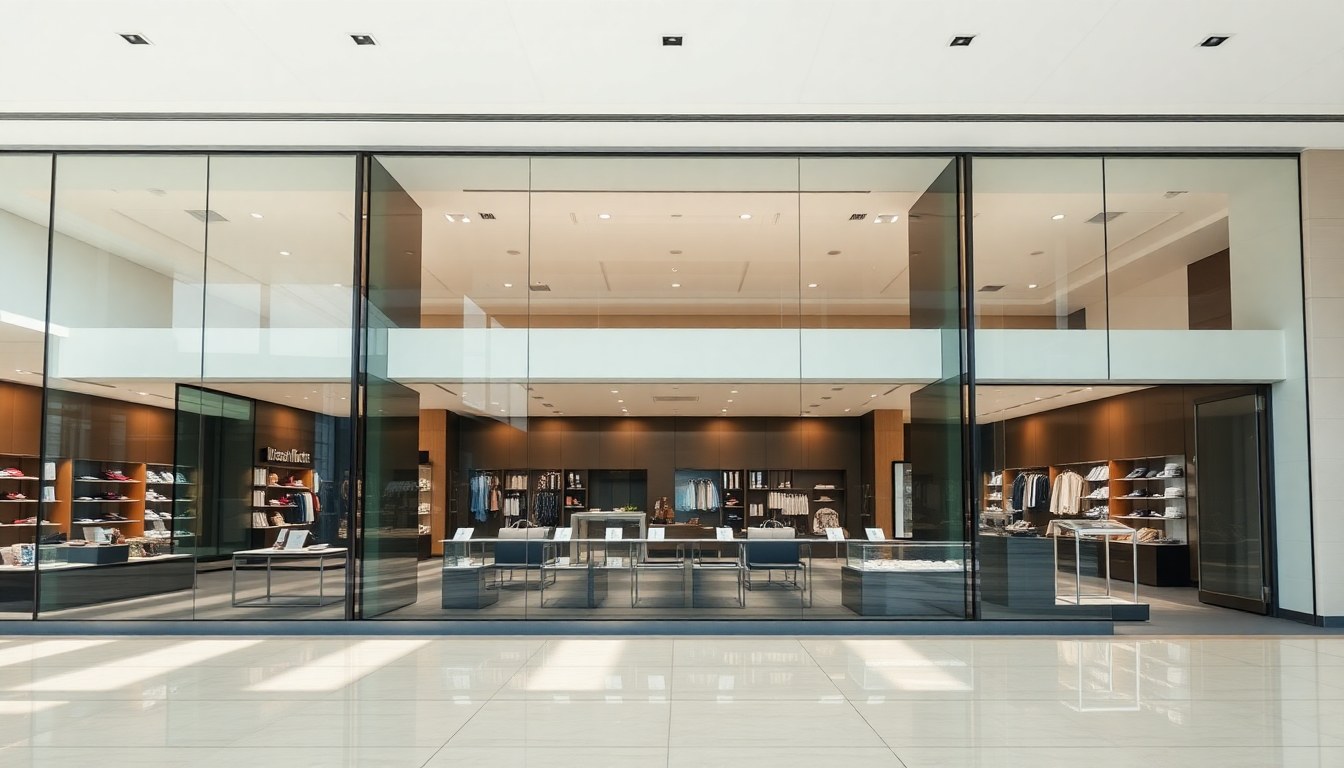
Excessive sunlight glare on retail shopfronts damages merchandise visibility, fades products, and turns customers away. Tinted glass solutions—particularly bronze, grey, and green variants—eliminate glare while maintaining clear sightlines into your store. This guide explores how tinted glass enhances retail displays, typical costs per square foot in India, durability expectations, and which tints perform best in high-sunlight retail zones like Ahmedabad.
Why Glare Is a Retail Problem
Direct sunlight hitting storefront glass creates harsh reflections that obscure merchandise and make it difficult for passersby to see inside. This glare doesn't just reduce visual appeal—it actively discourages window shopping. Studies in retail design confirm that customers avoid storefronts with poor visibility, and merchandise exposed to intense UV radiation fades rapidly, requiring frequent restocking and inventory rotation.
Beyond aesthetics, uncontrolled glare increases interior cooling costs. Air conditioning systems work harder to maintain comfortable temperatures when heat penetrates unfiltered glass. For retail spaces in sun-exposed locations—common in Indian commercial zones—this translates to measurable energy bills over a financial year.
How Tinted Glass Reduces Glare
Tinted glass works by absorbing and reflecting portions of the solar spectrum. Unlike clear glass, which transmits 88–90% of visible light, tinted glass reduces light transmission to 40–70%, depending on tint density and color. This reduction doesn't eliminate visibility—it softens reflections and creates a neutral viewing environment where merchandise stands out rather than blending into glare.
The mechanism is straightforward: metallic oxides (iron, cobalt, or chromium compounds) are mixed into molten glass during manufacturing. These oxides absorb infrared radiation and some visible light wavelengths, lowering solar heat gain (measured as Solar Heat Gain Coefficient, or SHGC) while maintaining adequate transparency for interior visibility.
Light Transmission vs. Glare Control
- Clear glass: 88% light transmission, high glare, high heat gain
- Light tint (20% darkness): 75–80% transmission, moderate glare reduction
- Medium tint (35% darkness): 55–65% transmission, significant glare control
- Dark tint (50% darkness): 40–50% transmission, maximum glare reduction, may require interior lighting
For retail shopfronts, medium tints (35% darkness) offer the optimal balance—enough glare reduction to showcase merchandise clearly while maintaining the inviting appearance that draws customers inside.
Bronze, Grey, and Green Tints: Characteristics and Retail Use
Bronze Tint
Bronze tint is the most popular choice for retail applications in India. It absorbs infrared heat effectively while imparting a warm, welcoming tone to storefronts. Bronze reduces glare by 50–60% compared to clear glass and creates a subtle golden hue that flatters most merchandise—particularly textiles, jewelry, and cosmetics. The warm appearance signals "upscale retail" without appearing closed-off or industrial.
Bronze performs exceptionally well in high-UV environments like Ahmedabad, where summer temperatures exceed 45°C. It reduces interior heat by 25–30% compared to clear glass, lowering cooling costs significantly. Durability is excellent; bronze tint doesn't fade or degrade under prolonged sun exposure, maintaining its appearance for 15–20 years with minimal maintenance.
Grey Tint
Grey tint offers neutral aesthetics and superior glare reduction (55–65% compared to clear glass). It doesn't alter merchandise color perception, making it ideal for clothing boutiques, electronics stores, and galleries where color accuracy matters. Grey tint appears more contemporary and minimalist than bronze, appealing to modern retail brands.
However, grey tint absorbs less infrared heat than bronze, providing only 15–20% heat reduction. In extremely hot climates, this may require supplementary cooling measures. Grey tint is also slightly more expensive than bronze, typically costing 8–12% more per square foot. It remains highly durable and maintains its appearance indefinitely under normal conditions.
Green Tint
Green tint is less common in retail but increasingly popular for eco-conscious brands and wellness-focused stores. It provides moderate glare reduction (45–55%) and a subtle, sophisticated appearance. Green tint performs well for natural product displays, organic food retail, and lifestyle brands emphasizing sustainability.
Green tint's heat reduction falls between bronze and grey (20–25%), and its cost is comparable to grey. The primary drawback is that green tint can shift merchandise colors slightly—reds may appear muted, and some skin tones may appear less vibrant. This makes it unsuitable for fashion or cosmetics retail where color authenticity is critical.
Pricing and Cost Considerations for Indian Retailers
Tinted glass pricing in India varies by thickness, tint type, and supplier location. As of 2024, typical costs for retail-grade tinted glass are:
- Bronze tint (6mm): ₹180–240 per square foot
- Grey tint (6mm): ₹200–260 per square foot
- Green tint (6mm): ₹190–250 per square foot
- Thicker variants (8–10mm): Add ₹40–60 per square foot
These prices include the glass material only; installation, framing, and structural modifications add 30–50% to total project costs. A typical 200 sq. ft. shopfront using bronze tint (6mm) costs approximately ₹36,000–48,000 for materials, with installation bringing total investment to ₹47,000–72,000.
Return on investment comes through reduced cooling costs (15–25% savings on AC bills) and merchandise preservation (reduced fading extends product shelf life). Most retailers recover investment within 18–24 months in high-sunlight zones.
Bulk Purchase Discounts
Retailers purchasing 500+ sq. ft. of tinted glass typically receive 10–15% volume discounts. Commercial projects in Ahmedabad, Mumbai, and Delhi regularly negotiate better rates through established glass suppliers. Comparing quotes from multiple vendors is essential—pricing varies significantly based on supplier relationships and local market conditions.
Durability and Maintenance
High-quality tinted glass for retail use is exceptionally durable. The tint is integral to the glass matrix (not a coating), meaning it cannot peel, fade, or deteriorate under UV exposure. Properly installed tinted glass maintains its performance for 20+ years with minimal maintenance.
Maintenance is straightforward—regular cleaning with mild soap and water preserves clarity and appearance. Unlike reflective coatings or films, tinted glass doesn't require specialized cleaning products or techniques. Most retailers clean shopfront glass weekly, which is sufficient to maintain visual appeal.
Tinted glass is also more resistant to thermal shock than clear glass. The darker color absorbs heat more evenly, reducing stress from rapid temperature changes (common during monsoon seasons in India). This durability advantage contributes to lower long-term ownership costs.
Best Tints for Ahmedabad and Indian Retail Zones
Ahmedabad's climate—hot, dry summers with intense UV radiation—makes bronze tint the optimal choice for most retail applications. The warm tone complements Indian retail aesthetics, and superior heat reduction directly addresses local cooling challenges. Grey tint works well for modern retail concepts but requires slightly higher AC investment.
In coastal cities (Mumbai, Bangalore), salt-laden air can affect glass durability. Standard tinted glass performs well, but suppliers recommend tempered or laminated variants for enhanced resilience. Green tint is gaining traction in wellness and organic retail sectors across metros.
For traditional retail zones (bazaars, market streets), bronze tint maintains visual continuity with surrounding architecture while providing modern glare control benefits. For premium retail (malls, upscale shopping districts), grey or bronze tints convey sophistication and attract higher-value customer traffic.
Installation and Technical Considerations
Tinted glass installation requires professional expertise. The glass must be properly framed to accommodate thermal expansion—tinted glass expands more than clear glass under heat stress. Improper installation can lead to cracking or edge failure within 2–3 years.
Structural load calculations are critical. Tinted glass is denser than clear glass; a 6mm bronze pane weighs approximately 15 kg per square meter compared to 14 kg for clear glass. Existing shopfront frames must be assessed to ensure they support the added weight. Most modern retail spaces have adequate structural capacity, but older buildings may require reinforcement.
Professional installation typically takes 1–2 days for a standard shopfront. Retailers should plan installation during low-traffic periods to minimize business disruption. Reputable glass suppliers provide installation guarantees (usually 5–10 years), which protect against manufacturing defects and improper fitting.
Frequently Asked Questions
Does tinted glass reduce visibility into the store at night?
No. Tinted glass reduces daytime glare by controlling external light. At night, when interior lighting is active, visibility into the store remains excellent. The tint actually enhances nighttime displays by reducing external reflections and creating a clearer view of illuminated merchandise. Many retailers find that nighttime window displays appear more vibrant through tinted glass.
Can tinted glass be used with window displays that require bright lighting?
Yes. Tinted glass works well with interior display lighting. In fact, the combination is ideal—tinted glass reduces external glare during the day, while interior spotlights and LED displays shine through clearly at night. Retailers often use this to their advantage, creating dramatic daytime displays (glare-free merchandise visibility) and theatrical nighttime presentations (illuminated product showcases).
What is the lifespan of tinted glass compared to clear glass?
Tinted glass lasts 20+ years with proper installation and maintenance, comparable to or exceeding clear glass lifespan. The tint itself is permanent and cannot fade. The primary durability factor is installation quality and structural support, not the glass material. Well-installed tinted glass often outlasts the retail business itself.
Is tinted glass more expensive than reflective films or coatings?
Tinted glass is slightly more expensive upfront (₹180–260 per sq. ft.) compared to reflective films (₹80–150 per sq. ft.), but it offers superior durability and appearance. Films peel, fade, and deteriorate within 5–7 years, requiring replacement. Tinted glass lasts 20+ years, making it more cost-effective over the long term. Additionally, tinted glass cannot be accidentally damaged by cleaning or impact, whereas films are vulnerable to scratching.
Which tint is best for a jewelry or electronics store?
Grey tint is ideal for jewelry and electronics because it maintains accurate color perception without warmth distortion. Bronze tint works well for jewelry (the warm tone enhances gold and warm metals) but may slightly alter electronics appearance. Green tint is not recommended for these categories. For maximum flexibility, grey tint ensures merchandise appears exactly as it is, supporting customer confidence and reducing return rates.
Conclusion and Next Steps
Tinted glass is a proven, durable solution for retail shopfronts facing glare and heat challenges. Bronze tint offers warmth and excellent heat reduction for most Indian retail contexts; grey tint provides neutral aesthetics for color-sensitive merchandise; green tint suits sustainability-focused brands. Pricing ranges from ₹180–260 per square foot, with installation adding 30–50% to material costs. Durability exceeds 20 years, and maintenance requires only regular cleaning.
If you're planning a retail shopfront renovation or new store opening, explore tinted glass options through verified suppliers on glassy.in. Our directory connects you with manufacturers, installers, and consultants across India who can assess your specific retail environment, recommend optimal tint types, and provide accurate project quotes. Browse our glass-guides section for additional insights on retail glazing, and connect with local suppliers in your city today.