
Glass Guides
Low-E Coated Glass for North-Facing Windows: Beat Heat Gain in Summer
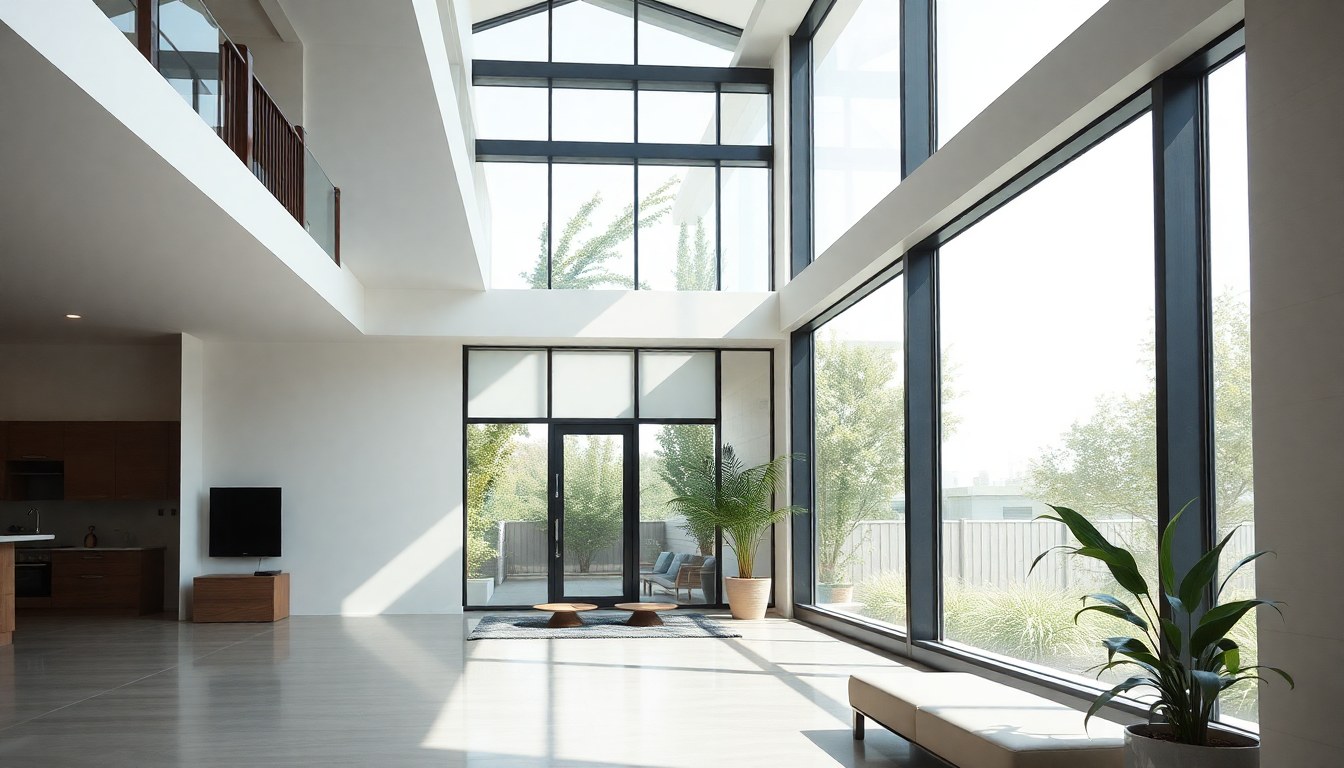
North-facing windows don't get direct afternoon sun, but they still absorb significant infrared radiation during summer months, driving up indoor temperatures and air-conditioning costs. Low-emissivity (low-E) coated glass is engineered to reflect this thermal energy while maintaining visible light transmission, making it an intelligent choice for homeowners in Delhi NCR seeking year-round comfort without excessive cooling expenses. This guide unpacks how low-E coatings work, their real-world benefits, and whether they justify the investment for your home.
What Is Low-E Coated Glass and How Does It Work?
Low-emissivity glass carries a microscopically thin coating—typically made from metallic oxides like silver or tin oxide—applied to one or more surfaces of the glass pane. This invisible layer is designed to reflect infrared (heat) radiation while allowing visible light to pass through, creating a selective barrier that keeps thermal energy outside during summer and inside during winter.
The coating works on the principle of emissivity: materials with low emissivity reflect radiant heat rather than absorbing and re-emitting it. Standard clear glass has high emissivity (around 0.84), meaning it absorbs and releases heat readily. Low-E glass reduces this to 0.1 or lower, dramatically reducing the amount of thermal energy that penetrates your home. For north-facing windows in Delhi, where summer temperatures regularly exceed 40°C, this difference translates directly into cooler interiors and lower electricity bills.
Types of Low-E Coatings
- Soft-coat (pyrolytic) low-E: Applied during glass manufacturing at high temperatures. More durable and suitable for sealed insulating units. This is the standard choice for new construction and retrofits in India.
- Hard-coat (sputtered) low-E: Applied in a vacuum chamber after glass production. Slightly lower performance but more flexible for customization and repairs.
Why North-Facing Windows Matter in Delhi's Climate
Delhi's summer presents a unique thermal challenge. While south-facing windows receive direct afternoon sun (which low-E glass handles excellently), north-facing windows experience indirect but persistent solar radiation throughout the day. Between May and September, ambient temperatures combined with reflected heat from surrounding structures create a cumulative heat load that standard glass cannot adequately manage.
North-facing windows also receive diffuse sky radiation and reflected heat from pavements, walls, and neighbouring buildings—often underestimated sources of heat gain. Low-E coatings address this by reducing the Solar Heat Gain Coefficient (SHGC), a measure of how much solar radiation passes through the glass. A typical low-E coating reduces SHGC from 0.86 (clear glass) to 0.30–0.50, depending on the specific product and orientation.
For homeowners working with architects like SDB Architect or Muhurtham Builders, specifying low-E glass for all window orientations—not just south-facing—ensures consistent thermal performance across the entire envelope.
Cost-Benefit Analysis for Delhi NCR Homes
Initial Investment
Low-E coated glass costs 20–40% more than standard clear glass, depending on the coating type and glass thickness. For a typical 3-bedroom home in Delhi with approximately 40–50 square metres of window area, upgrading to low-E glass adds ₹40,000–₹80,000 to the glazing budget. Double-glazed low-E units (which combine low-E coating with air gaps for insulation) cost more but deliver superior performance.
Energy Savings and Payback Period
Studies on residential cooling in Indian climates show that low-E glass can reduce cooling energy consumption by 15–25%, depending on window-to-wall ratio, shading, and building orientation. For a Delhi home running air-conditioning 8–10 hours daily during summer (May–September), this translates to monthly savings of ₹500–₹1,500 on electricity bills. Over a 10-year window lifespan, total savings range from ₹30,000–₹90,000, comfortably offsetting the initial premium.
Additional benefits include reduced peak cooling demand (lowering electricity tariff charges), extended air-conditioner lifespan due to lower operating hours, and improved indoor comfort through more stable temperatures. These indirect savings often exceed direct energy cost reductions.
Long-Term Value
Low-E glass also enhances property resale value in premium segments, as energy-efficient features increasingly influence buyer decisions in Delhi NCR. Insurance and maintenance costs remain comparable to standard glass, making the total cost of ownership favourable over 15+ years.
Installation and Specification Considerations for North-Facing Windows
Proper installation is critical to realizing the performance benefits of low-E glass. The coating must face the correct direction—typically the interior surface in summer-dominated climates like Delhi—to maximize heat reflection while minimizing interference with visible light transmission.
Key Specification Points
- Coating orientation: For north-facing windows in Delhi, position the low-E layer on the interior surface (surface 3 in a double-glazed unit) to reflect outgoing heat back indoors during winter and prevent external heat from entering in summer.
- Glass thickness and type: Pair low-E coating with 6mm or 8mm tempered glass for durability and safety. Laminated low-E glass adds sound insulation—valuable in urban Delhi.
- Frame and sealing: Use high-quality aluminum or uPVC frames with proper weatherstripping to prevent air leakage, which undermines thermal performance.
- Shading integration: Combine low-E glass with external shading (roller blinds, louvers) for optimal summer cooling without sacrificing winter solar gains.
Interior designers such as Linear Design and SIRA INTERIORS often recommend low-E glass as part of comprehensive passive design strategies that reduce reliance on mechanical cooling.
Comparing Low-E Glass to Alternative Heat Control Solutions
While low-E glass is highly effective, homeowners should evaluate it alongside other strategies. External shading (awnings, louvers) provides immediate, controllable heat rejection but requires maintenance and can obstruct views. Reflective window films offer a cheaper alternative (₹200–₹500 per square metre) but reduce visible light transmission and may degrade over time in Delhi's intense UV environment.
Low-E glass stands out because it works passively, requires no maintenance, and maintains aesthetic clarity. The combination of low-E glass plus external shading represents the gold standard for energy efficiency in north-facing windows, though cost may limit adoption in budget-conscious projects.
Real-World Performance in Delhi NCR
Anecdotal reports from Delhi residents who installed low-E glass indicate noticeable reductions in indoor temperature (2–4°C cooler) and air-conditioning runtime during peak summer months. Apartment complexes in South Delhi and Gurgaon that retrofitted common areas with low-E glass reported 10–15% reductions in shared cooling costs within the first summer season.
However, performance varies with building design, occupancy patterns, and shading. A well-designed home with high thermal mass (concrete walls) and strategic shading may see less dramatic savings than a lightweight structure with extensive glazing. This is why consultation with architects familiar with passive design—such as AALISHAN GROUP OF CONSTRUCTION—ensures low-E glass is integrated into a holistic thermal strategy.
Frequently Asked Questions
Does low-E glass reduce visible light transmission?
Modern low-E coatings transmit 70–80% of visible light, comparable to standard clear glass. You'll notice no significant dimming indoors. The coating is invisible to the naked eye and does not alter the appearance of windows from inside or outside.
Can low-E glass be applied to existing windows?
Retrofitting low-E coating onto installed windows is not practical; the coating must be applied during glass manufacturing. However, you can replace existing panes with new low-E units while retaining the original frames, a cost-effective upgrade for older homes in Delhi.
Is low-E glass worth it for north-facing windows specifically?
Yes, absolutely. While north-facing windows receive less direct sun than south-facing ones, they still accumulate significant heat from diffuse radiation and reflected sources. Low-E glass reduces this cumulative heat gain by 15–25%, delivering measurable comfort and cost improvements in Delhi's climate. The investment is particularly justified if you already plan to replace windows or are building new.
How long do low-E coatings last?
Low-E coatings are integral to the glass and do not degrade over time. They remain effective for the entire lifespan of the glass unit—typically 15–20 years for sealed double-glazed units. The coating is protected by the glass itself and requires no maintenance.
What's the difference between low-E glass and reflective tinted glass?
Reflective tinted glass achieves heat reduction through absorption and reflection but typically transmits less visible light (50–70%) and can appear dark or mirror-like. Low-E glass uses selective infrared reflection to block heat while maintaining high visible light transmission and a clear appearance. Low-E is superior for residential applications where aesthetics and daylighting matter.
Make the Switch to Low-E Coated Glass Today
Beating summer heat gain in north-facing windows doesn't require expensive air-conditioning upgrades or intrusive external shading. Low-E coated glass delivers passive thermal control, lower energy bills, and improved indoor comfort—with a payback period of 5–10 years in Delhi's climate. Whether you're renovating an existing home or designing a new one, specifying low-E glass for all window orientations is a smart, future-proof investment.
Ready to explore low-E glass options for your Delhi NCR home? Browse verified glass suppliers, architects, and interior designers on glassy.in, India's largest glass-business directory. Find local experts who understand Delhi's unique thermal challenges and can recommend the right low-E solutions for your space.