
Glass Guides
Low-E Glass for Skylights: Beat Summer Heat & Reduce AC Bills
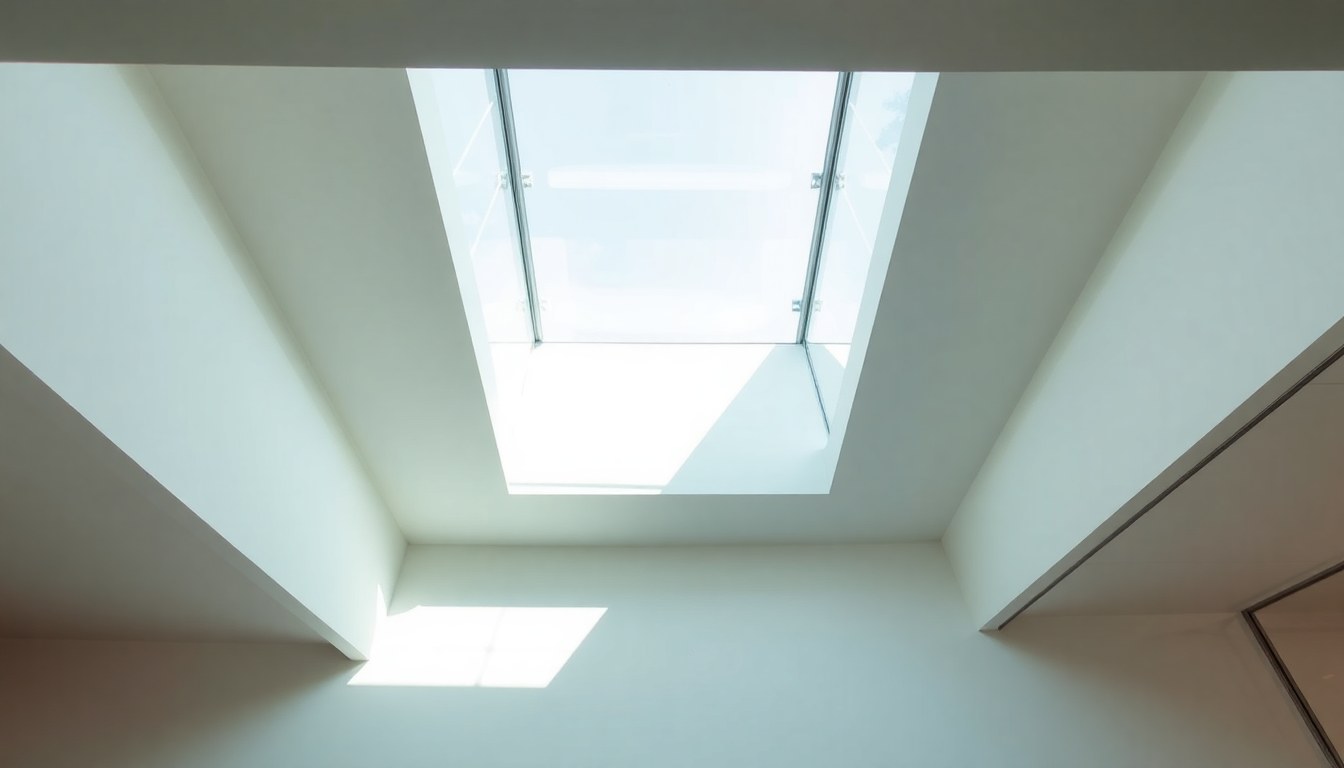
Skylights flood homes and offices with natural light—but in India's scorching summers, they also flood interiors with unwanted heat, forcing air conditioners to work overtime. Low-emissivity (low-E) glass coatings solve this dilemma by reflecting infrared radiation while transmitting visible light, cutting cooling loads by 20–30% without sacrificing daylighting. This guide explains how low-E skylights work, decodes the U-value metric that matters most, and walks you through real ROI calculations for Chennai and Surat climates.
What Is Low-E Glass and How Does It Work?
Low-emissivity glass carries a microscopically thin, transparent coating—typically silver, tin oxide, or titanium oxide—that acts like a one-way mirror for heat. Visible light (wavelengths 380–700 nanometers) passes straight through, but infrared radiation (heat, wavelengths 700+ nanometers) bounces back outside. This selective transmission happens because the coating's electrons resonate at infrared frequencies, reflecting that energy before it enters your building.
The coating is so thin—often just 100–200 nanometers—that it's invisible to the naked eye. When applied to skylight glazing, it maintains crystal clarity and brightness while reducing the solar heat gain coefficient (SHGC), the fraction of solar radiation that enters through the glass. Standard clear glass has an SHGC of 0.86; low-E skylights typically achieve 0.30–0.50, meaning 50–70% of solar heat stays outside.
Single vs. Double Low-E Coatings
Manufacturers apply low-E coatings to one or both panes in a double-glazed unit. A single low-E coating (on the inner surface of the outer pane) is cost-effective and reduces summer heat gain. A double low-E coating (on both panes) offers superior performance—reflecting both incoming summer heat and outgoing winter warmth—making it ideal for climates with significant seasonal variation. For India's predominantly hot climate, single low-E on the outer pane is often sufficient and more economical.
Understanding U-Value: The Key Performance Metric
The U-value measures how much heat passes through glazing per square meter per degree Celsius of temperature difference. Lower U-values mean better insulation. Standard clear glass skylights have U-values around 5.8–6.0 W/m²K; low-E double-glazed units drop this to 1.5–2.5 W/m²K. This difference is critical: a 1.0 W/m²K reduction can cut annual cooling energy use by 8–12% in hot climates.
In India's context, where summer outdoor temperatures routinely exceed 40°C and indoor setpoints sit at 24°C, every fraction of a watt/meter² saved translates to measurable rupees saved on monthly electricity bills. A skylight with a U-value of 2.0 W/m²K versus 5.8 W/m²K prevents roughly 3.8 watts of heat per square meter from crossing that temperature gap—compounding across 10, 20, or 50 square meters of skylight area.
SHGC vs. U-Value: Which Matters More in Summer?
For summer cooling in India, SHGC matters more than U-value. SHGC directly blocks incoming solar radiation; U-value governs conductive heat transfer. In peak summer, solar radiation dominates, so prioritize low-E coatings that reduce SHGC to 0.30–0.40. In winter (mild across most of India), a slightly higher SHGC (0.50–0.60) helps passive solar gain, so balanced low-E products suit year-round performance.
Real-World Case Study: Chennai Office Building
A 2,500 m² commercial office in Chennai's Guindy district installed 45 m² of low-E skylights (SHGC 0.35, U-value 2.0 W/m²K) in place of standard clear glass units. The building operates 10 hours daily, 300 days annually, with AC setpoint at 24°C and average outdoor summer temperature of 38°C.
Energy Calculation
Using the simplified cooling load formula: Q = U × A × ΔT, where Q is heat gain (watts), U is the U-value, A is area (m²), and ΔT is temperature difference (14°C in this case):
- Clear glass: 5.8 W/m²K × 45 m² × 14 K = 3,654 watts continuous
- Low-E glass: 2.0 W/m²K × 45 m² × 14 K = 1,260 watts continuous
- Heat reduction: 2,394 watts (65%)
Over 3,000 annual operating hours, this saves 7,182 kWh. At Chennai's commercial rate of ₹7.50/kWh (2024), annual savings reach ₹53,865. The low-E skylight retrofit cost ₹2,25,000 (₹5,000/m²), yielding a payback period of 4.2 years—well within the 10–15 year lifespan of the glazing.
Case Study: Surat Manufacturing Facility
A textile dyeing unit in Surat's GIDC estate, operating 16 hours daily year-round, retrofitted 80 m² of skylights with low-E glass (SHGC 0.32, U-value 1.8 W/m²K). Surat's summer temperatures peak at 42°C; the facility maintains 26°C indoors.
Cooling Load & Savings
Heat gain reduction: 6.0 W/m²K × 80 m² × 16 K − 1.8 W/m²K × 80 m² × 16 K = 5,376 − 2,304 = 3,072 watts. Over 5,760 annual hours (16 h/day × 360 days), this saves 17,694 kWh. At Surat's industrial rate of ₹5.50/kWh, annual savings are ₹97,317. Installation cost: ₹4,80,000 (₹6,000/m² for industrial-grade units). Payback period: 4.9 years.
The facility also qualifies for Gujarat's renewable energy subsidy (up to 30% of equipment cost), reducing net investment to ₹3,36,000 and payback to 3.5 years. This example underscores how industrial users in high-temperature zones see faster ROI.
Installation & Maintenance Best Practices
Low-E coatings are durable but require proper installation. The coating is applied during manufacturing; it cannot be added to existing glass. Always specify the coating location: position 2 (inner surface of outer pane) for summer-dominant climates, or position 3 (outer surface of inner pane) in double-glazed units for balanced performance.
Engage certified glaziers and architects—firms like UPSCALE DESIGN STUDIO and DK Architecture Design have experience specifying low-E systems for commercial and residential projects across India. Ensure proper sealing around skylight frames to prevent air leakage, which can negate thermal gains.
Maintenance is minimal: clean glazing surfaces every 6 months with soft cloths and mild detergent (never abrasive pads, which scratch the coating). Check gaskets and sealants annually, especially after monsoon seasons in coastal areas.
Cost-Benefit Analysis: When Is Low-E Worth It?
Low-E skylights cost 30–50% more than standard clear glass. In hot climates (average summer >35°C), payback typically ranges 4–6 years. In moderate climates, payback extends to 8–10 years. Key factors affecting ROI:
- Skylight area: Larger installations (>50 m²) see faster payback due to economies of scale.
- Operating hours: 24/7 facilities (hospitals, data centers) recoup costs faster than 9–5 offices.
- Electricity rates: High-tariff zones (commercial, industrial) see stronger returns.
- Climate: Cities like Delhi, Jaipur, Surat, and Nagpur (>38°C summers) justify investment; coastal areas with moderate temperatures see longer payback.
- Incentives: State subsidies, green building certifications (LEED, IGBC), and carbon credits can reduce net cost by 15–30%.
For residential users in moderate climates, payback may exceed 10 years, making low-E skylights a long-term investment in comfort and sustainability rather than a quick financial return.
Frequently Asked Questions
Do low-E skylights reduce natural light?
No. Low-E coatings reflect infrared radiation but transmit 70–80% of visible light, compared to 85–90% for clear glass. The difference is imperceptible to the human eye. If daylighting is critical, specify coatings with visible transmittance (VT) above 0.70.
Can low-E coatings be applied to existing skylights?
No. The coating is applied during glass manufacturing. To retrofit, you must replace the entire glazing unit. However, secondary films (adhesive low-E films) can be applied to existing glass; they're cheaper (₹200–400/m²) but less durable (5–7 year lifespan) and slightly reduce clarity.
Are low-E skylights worth it in India's monsoon regions?
Yes, but with caveats. Coastal and Western Ghats regions experience high humidity and rainfall, which don't degrade low-E coatings. However, summer temperatures are often 2–5°C lower than inland areas, extending payback periods. In Kerala or Goa, expect 8–12 year payback; in Bangalore, 5–7 years.
What's the difference between hardcoat and softcoat low-E?
Hardcoat (pyrolytic) is fused to glass at 600°C during manufacturing—extremely durable, suited for single-glazed skylights. Softcoat (sputtered) is applied in a vacuum chamber, offering better thermal performance but requiring protection in double-glazed units. For skylights, softcoat in sealed double-glazed units is standard.
Do low-E skylights help in winter?
Minimally in most of India. Low-E coatings reduce heat loss by 40–50% (via lower U-values), but winter gains are modest because daylight hours and solar intensity are low. In northern regions (Delhi, Himachal Pradesh) with cold winters, balanced low-E products (SHGC 0.50–0.60) capture useful passive solar heat. In southern India, winter benefits are negligible.
Conclusion: Smart Skylight Investment for Indian Climates
Low-E glass skylights are a proven, cost-effective solution for reducing summer cooling loads and electricity bills across India. Whether you're designing a new commercial building, retrofitting a manufacturing facility, or upgrading a residential space, low-E coatings deliver measurable returns in 4–6 years for hot climates. Partner with experienced architects and glazing specialists—like SIRA INTERIORS—to specify the right U-value and SHGC for your location, operating profile, and budget.
Ready to explore low-E skylights for your project? Browse verified glass suppliers, architects, and installers on glassy.in, India's largest glass-business directory. Compare quotes, check credentials, and find trusted partners near you—all in one place.