
Glass Guides
Laminated Glass for Skylights: Safety, Sound Insulation & Installation Tips
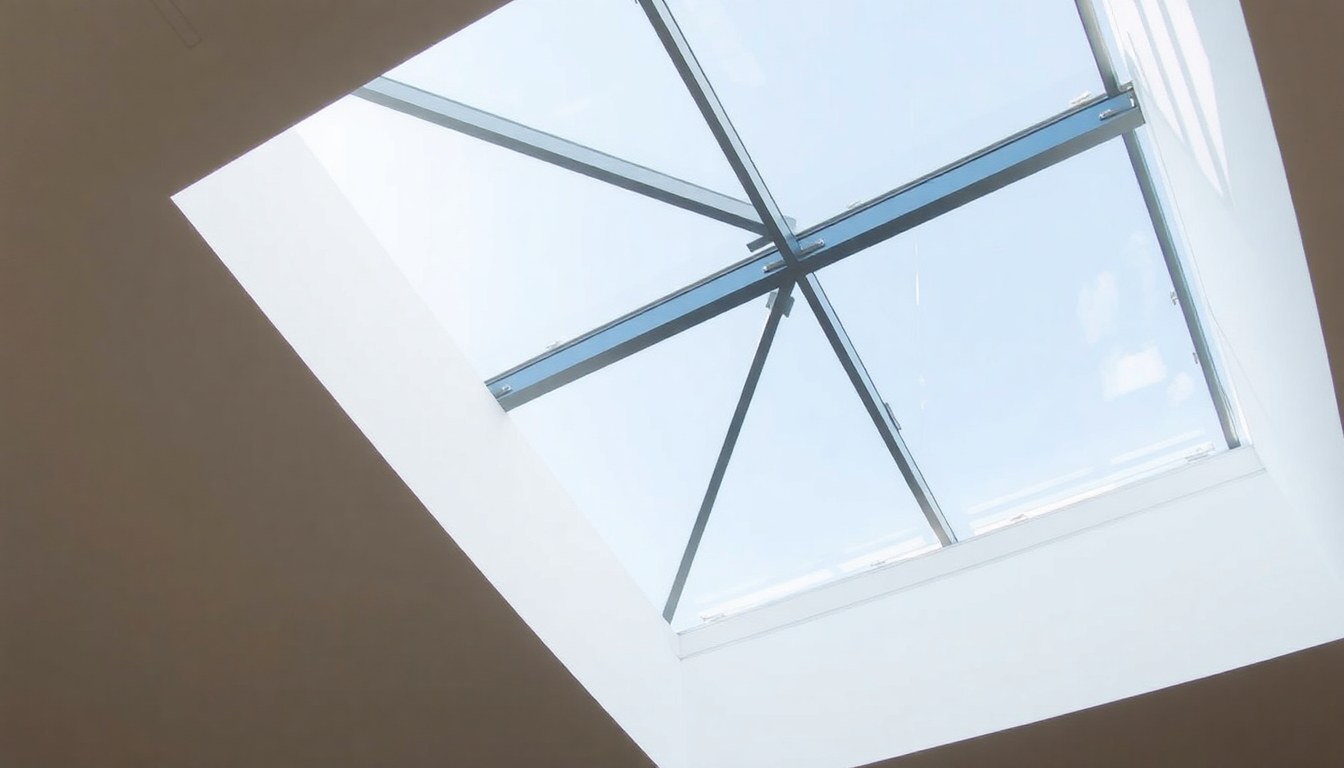
Skylights flood your home with natural light and create an open, airy feel—but only if they're built to last and perform reliably. Laminated glass skylights offer a smart upgrade over standard glazing, delivering burst protection during storms, significant sound insulation for noisy neighborhoods, and UV filtering that protects your interiors from fading. Whether you live in a monsoon-prone region or simply want a safer, quieter home, understanding laminated glass technology and proper installation practices is essential.
What Is Laminated Glass and Why It Matters for Skylights
Laminated glass consists of two or more glass panes bonded together with a tough plastic interlayer, typically polyvinyl butyral (PVB). When impact occurs—from hail, flying debris, or accidental collision—the glass may crack, but the interlayer holds the pieces in place, preventing dangerous shards from falling into your home. This is fundamentally different from tempered or annealed glass, which shatters into fragments.
For skylights specifically, laminated glass is a game-changer. Skylights are exposed to the full force of weather, intense UV radiation, and potential impact from branches or hail. A standard skylight that fails catastrophically can injure occupants below and compromise your home's waterproofing. Laminated glass eliminates this risk while delivering additional benefits that make your home safer and more comfortable year-round.
Safety Benefits: Burst Protection and Impact Resistance
The primary safety advantage of laminated glass is its resistance to bursting. During heavy storms, hail, or if a branch strikes your skylight, the interlayer absorbs the impact energy and keeps the glass intact. This prevents:
- Dangerous glass shards falling into living spaces
- Sudden loss of the weather seal, leading to water leaks
- Injuries to occupants from broken glass
- Structural exposure to rain and wind during severe weather
In India's monsoon-prone regions—particularly in Kerala, Maharashtra, and coastal areas—hail and wind-driven debris are common hazards. Laminated glass skylights significantly reduce the risk of emergency repairs and temporary fixes during the rainy season. The interlayer also provides a measure of security against break-ins, as it's much harder to penetrate than single-pane or tempered glass.
Impact Ratings and Standards
Laminated glass for skylights should comply with Indian Standards IS 2553 (Code of Practice for Installation of Glass) and meet impact resistance requirements for your region. Higher-performance laminates with thicker interlayers (0.76 mm to 1.52 mm) provide greater protection and are recommended for areas with frequent severe weather. Always verify that your supplier provides documentation of testing and compliance.
Sound Insulation: Reducing Noise Pollution
Laminated glass is an excellent sound barrier. The plastic interlayer dampens vibrations from external noise—traffic, aircraft, construction, rain—reducing sound transmission by 30–40 decibels compared to single-pane glass. For homes near highways, airports, or busy urban areas, this translates to a noticeably quieter interior.
The sound-dampening effect is particularly valuable during monsoon season, when heavy rainfall can create a thunderous noise against standard skylights. With laminated glass, rain becomes a gentle background sound rather than an intrusive roar. This is especially important in bedrooms and study areas where concentration and rest are priorities.
Acoustic Performance Factors
Sound insulation improves with:
- Interlayer thickness: Thicker interlayers (1.52 mm or more) provide better acoustic damping
- Asymmetrical glazing: Using different glass thicknesses on each side of the interlayer enhances noise reduction
- Cavity depth: If your skylight has an air gap between inner and outer panes, a larger cavity improves acoustic performance
- Proper sealing: Even excellent glass performs poorly if gaps around the frame allow sound to bypass the glazing
When selecting a laminated glass skylight, consult with your installer or supplier about acoustic ratings (measured in decibels of sound reduction) to ensure the product meets your noise-reduction needs.
UV Protection and Interior Preservation
Skylights admit more direct sunlight than any other window in your home, exposing furniture, artwork, and flooring to intense UV radiation. Standard glass blocks about 50% of UV-A rays; laminated glass can block up to 99% when formulated with UV-absorbing interlayers. This protection prevents:
- Fading of upholstery, curtains, and carpets
- Deterioration of artwork and photographs
- Weakening of wood finishes and varnishes
- Skin damage and increased heat gain in living spaces
In India's strong tropical sun, UV protection is not a luxury—it's a practical necessity. Homeowners in cities like Bangalore, Mumbai, and Delhi report significant cost savings on interior furnishings when they upgrade to UV-protective laminated skylights. The interlayer also reduces solar heat gain by absorbing infrared radiation, which can lower air-conditioning costs during summer months.
Installation Best Practices for Indian Climates
Proper installation is critical to realizing the full benefits of laminated glass skylights. Poor installation can compromise safety, sound insulation, and weather resistance.
Pre-Installation Considerations
Before installation, assess your roof structure and local weather patterns. In monsoon regions, ensure your roof has adequate slope (minimum 15 degrees) to shed water quickly and prevent pooling. Check for structural integrity—laminated glass is heavier than standard glazing, so your roof frame must support the added weight. Consult with a structural engineer if you're unsure.
Choose a reputable supplier and installer. Companies like SAN Design Square in Bangalore and Sri Lakshmi Glass Plywood And Hardware have experience with premium glazing installations and can guide you on product selection and warranty terms.
Frame and Sealant Selection
Your skylight frame material must withstand temperature fluctuations and moisture exposure. Aluminum frames with thermal breaks are ideal for Indian climates, as they prevent condensation and heat transfer. Ensure the frame is galvanized or powder-coated to resist rust and corrosion in humid regions.
Use high-quality structural silicone sealants (not ordinary caulk) to bond the glass to the frame. In monsoon-prone areas, apply a secondary water barrier—either a rubber gasket or polyurethane sealant—around the frame perimeter. This dual-seal approach is essential for preventing leaks during heavy rainfall.
Step-by-Step Installation Process
- Prepare the opening: Ensure the roof opening is square, level, and properly sized. Install a structural frame that's securely fastened to the roof joists.
- Apply flashing: Install flashing (metal or rubber) to direct water away from the opening and down the roof surface. Flashing should overlap roofing material above the skylight and extend beneath it below.
- Set the glazing unit: Place the laminated glass unit into the frame using rubber spacers or setting blocks. Never rely on silicone alone to support the glass weight.
- Apply structural sealant: Run a continuous bead of structural silicone around all four sides where the glass meets the frame. Smooth it to ensure complete coverage and proper drainage.
- Install interior trim: Once the sealant cures (typically 24–48 hours), install interior trim to conceal the frame and create a finished appearance.
- Test for leaks: During the first monsoon or heavy rain, monitor the skylight carefully for any signs of water infiltration around the frame or glass edges.
Maintenance and Long-Term Care
Laminated glass skylights require minimal maintenance. Clean the glass surface twice yearly with mild soap and water, using a soft cloth to avoid scratches. Inspect the sealant annually, particularly before monsoon season, and recaulk any areas where the seal has degraded. Check that drainage pathways around the frame remain clear of debris and moss, which can trap moisture and accelerate sealant failure.
Cost and Durability Expectations
Laminated glass skylights cost 20–40% more than standard glazing, with prices varying based on size, interlayer thickness, and UV protection level. A typical 1.2 m × 1.2 m laminated skylight unit might cost ₹15,000–₹30,000 depending on specifications and supplier. Installation labor typically adds another ₹8,000–₹15,000.
The investment pays dividends over time. Laminated glass skylights last 20–30 years with proper maintenance, compared to 10–15 years for standard glazing. They reduce the risk of expensive emergency repairs during storms, lower cooling costs through UV filtering, and protect your furnishings and artwork from sun damage. Insurance premiums may also decrease with impact-resistant glazing, offsetting part of the upfront cost.
Frequently Asked Questions
Is laminated glass necessary for all skylights, or only in specific regions?
Laminated glass is highly recommended for monsoon-prone regions (Kerala, Maharashtra, Goa, coastal Tamil Nadu and Andhra Pradesh) and areas prone to hail or severe storms. For other regions, it depends on your priorities: if sound insulation and UV protection matter, laminated glass is worthwhile even in low-storm areas. Check local building codes—some jurisdictions now require impact-resistant glazing for skylights.
Can laminated glass skylights be installed on existing roof openings, or do I need structural modifications?
Laminated glass is heavier than standard glazing, so your roof frame must support the additional weight. In most cases, existing frames can be reinforced with additional joists or bracing. A structural engineer should assess your roof before installation. Retrofitting is usually possible without major renovations, though it may require temporary roof support during installation.
How much noise reduction can I expect from a laminated glass skylight?
Noise reduction depends on interlayer thickness and overall skylight design. A standard laminated unit (0.76 mm interlayer) reduces noise by about 30 decibels. Premium units with thicker interlayers (1.52 mm) and asymmetrical glazing can achieve 35–40 decibels of reduction. For context, this difference is noticeable but not complete silence—rain will still be audible but much quieter and less intrusive.
Do laminated glass skylights require special cleaning or maintenance?
Laminated glass is no more difficult to clean than standard glass. Use mild soap, water, and a soft cloth twice yearly. Avoid abrasive cleaners or rough materials that could scratch the surface. The main maintenance task is inspecting and maintaining the sealant around the frame, particularly before monsoon season. If sealant begins to crack or peel, recaulk promptly to prevent water infiltration.
What warranty should I expect with a laminated glass skylight?
Reputable manufacturers typically offer 10–15 year warranties covering the glass and interlayer against delamination (separation of layers) and optical defects. Frame and sealant warranties are usually 5–10 years. Installation workmanship warranties vary by contractor. Always request written warranty documentation and clarify what's covered before purchasing.
Conclusion: Invest in Safety and Comfort
Laminated glass skylights represent a smart investment for Indian homeowners who prioritize safety, comfort, and long-term durability. Whether you're building a new home, renovating an existing one, or simply upgrading your skylights, laminated glass delivers measurable benefits: protection from storm damage, quieter interiors, and preserved furnishings. In monsoon-prone regions, it's not just an upgrade—it's essential insurance against weather-related disasters.
Ready to explore laminated glass skylights for your home? Browse certified glass suppliers and installation specialists in your city on glassy.in, India's largest glass-business directory. Connect with experienced professionals who understand local climate challenges and can recommend the right solution for your needs.